

Can chickens eat cooked brown rice? Absolutely! Cooked brown rice is safe and nutritious for chickens when given properly. It provides essential carbohydrates, fiber, and B vitamins that support digestion and energy levels. However, always cook it plain—no salt, butter, or seasonings—and serve it in moderation as an occasional treat or supplement. Too much rice, especially uncooked or overcooked, can cause digestive upset. By understanding how to prepare and feed brown rice safely, you can boost your chickens’ health and happiness with this affordable, wholesome food.
Chickens are curious birds with surprisingly flexible diets, capable of thriving on a mix of commercial feed, forage, and kitchen scraps. One common question among backyard chicken keepers is whether cooked brown rice is safe and beneficial for their feathered friends. The short answer? Yes—chickens can eat cooked brown rice, and when done right, it makes a healthy addition to their diet.
But before you start tossing bowls of rice into the coop, it’s important to understand how to prepare it correctly, what nutritional benefits it brings, and how often it should appear on the menu. In this guide, we’ll walk through everything you need to know about feeding cooked brown rice to your chickens—from preparation tips to potential risks and creative serving ideas. Whether you’re raising heritage breeds or just want to give your hens something extra special, read on to learn how to make brown rice a regular (but not daily) part of your flock’s meals.
Key Takeaways
- Safety First: Cooked brown rice is safe for chickens when prepared without additives like salt, butter, or spices.
- Nutritional Benefits: Brown rice offers fiber, B vitamins, magnesium, and complex carbohydrates that support digestion and metabolism.
- Moderation Matters: Feed only small portions (about 1–2 tablespoons per chicken per day) to prevent digestive issues like bloating or diarrhea.
- Cooking Method: Always cook brown rice thoroughly until soft and drain excess water—chickens can’t digest raw or hard grains well.
- Mix With Other Foods: Combine brown rice with greens, insects, or layer feed for a balanced diet.
- Watch for Reactions: Monitor your flock after introducing new foods to spot any adverse reactions.
- Cost-Effective Supplement: Using leftover cooked rice is a budget-friendly way to reduce waste while nourishing your chickens.
Quick Answers to Common Questions
Can chickens eat brown rice every day?
No, brown rice should not be fed daily. Limit it to a few times per week in small portions to avoid digestive issues and nutritional imbalances.
Do I need to soak brown rice before cooking for chickens?
Soaking isn’t necessary, but it can shorten cooking time. For best results, cook brown rice until very soft and fully hydrated—this makes it easier for chickens to digest.
Is brown rice better than white rice for chickens?
Yes, brown rice is superior because it retains the bran and germ, offering more fiber, B vitamins, and minerals than refined white rice.
Can baby chicks eat cooked brown rice?
Only after they’ve transitioned to starter feed (usually around 4–6 weeks old). Even then, introduce it slowly and ensure it’s finely ground or mashed for easier swallowing.
What if my chicken won’t eat the rice?
Some birds are picky! Try mixing it with something they love—like wet layer mash, scrambled eggs, or fresh berries—to encourage acceptance.
📑 Table of Contents
- Why Consider Feeding Chickens Cooked Brown Rice?
- The Nutritional Profile of Cooked Brown Rice
- How to Prepare Cooked Brown Rice for Chickens
- Potential Risks of Feeding Brown Rice to Chickens
- Creative Ways to Serve Cooked Brown Rice to Chickens
- Real-Life Examples and Success Stories
- Final Thoughts: Brown Rice as a Smart Flock Addition
Why Consider Feeding Chickens Cooked Brown Rice?
Many people assume that chickens only eat scratch grain, mash, or pellets—and while those are staples, they’re not the whole story. Chickens are omnivores, meaning they enjoy both plant-based foods and protein sources. This flexibility allows them to benefit from a varied diet that mimics what they might naturally forage in the wild.
Cooked brown rice fits perfectly into this category. Unlike white rice, which has had its bran and germ removed, brown rice retains its outer layers—making it a whole grain packed with nutrients. When cooked properly, it becomes soft and easy for chickens to peck and swallow, reducing the risk of choking or impaction.
Plus, using leftover cooked brown rice is an eco-friendly way to reduce food waste. Instead of throwing out uneaten grains, you can repurpose them into a tasty treat for your chickens. Just remember: safety comes first. Raw rice expands in the digestive tract and can be dangerous; cooked, plain rice is gentle and nourishing.
The Nutritional Profile of Cooked Brown Rice
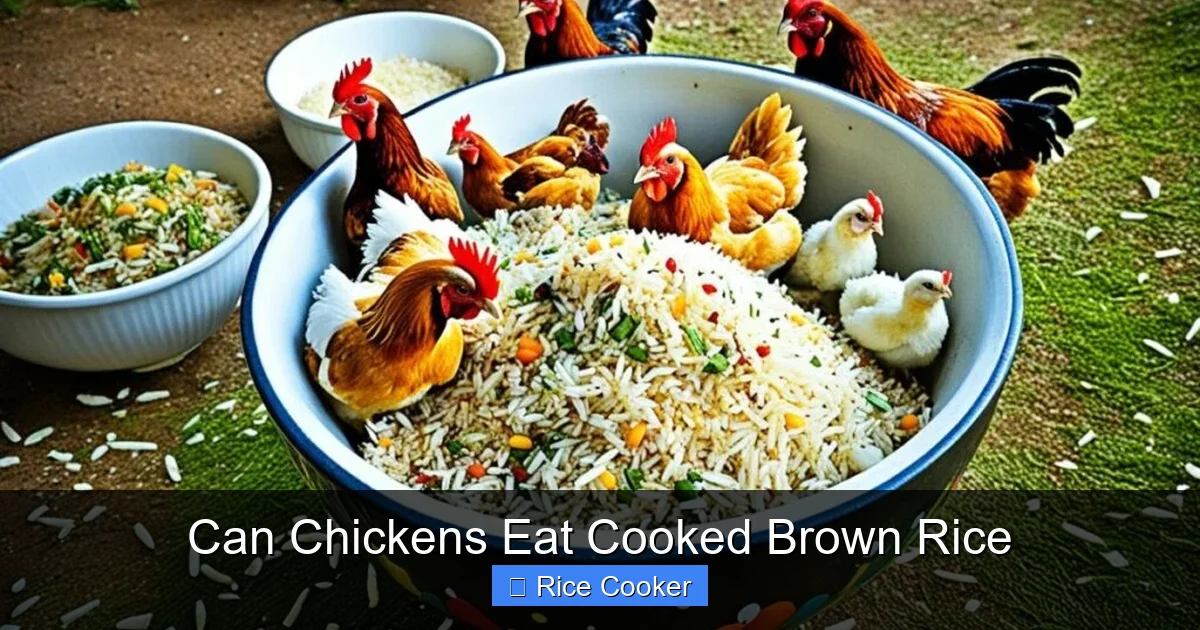
Visual guide about Can Chickens Eat Cooked Brown Rice
Image source: bestfarmanimals.com
Brown rice isn’t just filling—it’s actually quite nutritious for chickens. Let’s break down what makes it such a good choice:
Fiber for Digestive Health
Unlike processed grains, brown rice contains significant amounts of dietary fiber. This helps regulate digestion, prevents constipation, and supports a healthy gut microbiome in chickens. A happy gut means better nutrient absorption and stronger immunity.
B Vitamins for Energy and Metabolism
B vitamins—especially B1 (thiamine), B3 (niacin), and B6—are crucial for converting food into energy. Chickens need these vitamins to maintain feather quality, egg production, and overall vitality. Brown rice is a natural source of many of these nutrients.
Minerals That Support Bone and Egg Development
Magnesium, phosphorus, and manganese are found in brown rice and play roles in bone strength, nerve function, and shell formation in eggs. While chickens get most minerals from layer feed, adding small amounts of brown rice can help balance their intake.
Low Fat, High Carbohydrate Content
Carbohydrates provide sustained energy without spiking blood sugar—ideal for active birds. Brown rice offers complex carbs that fuel daily activities like foraging, scratching, and laying.
That said, brown rice shouldn’t replace commercial feed entirely. It lacks some key nutrients like calcium (needed for eggshells) and certain amino acids (like lysine). But as part of a varied diet, it complements what’s already in their main feed.
How to Prepare Cooked Brown Rice for Chickens
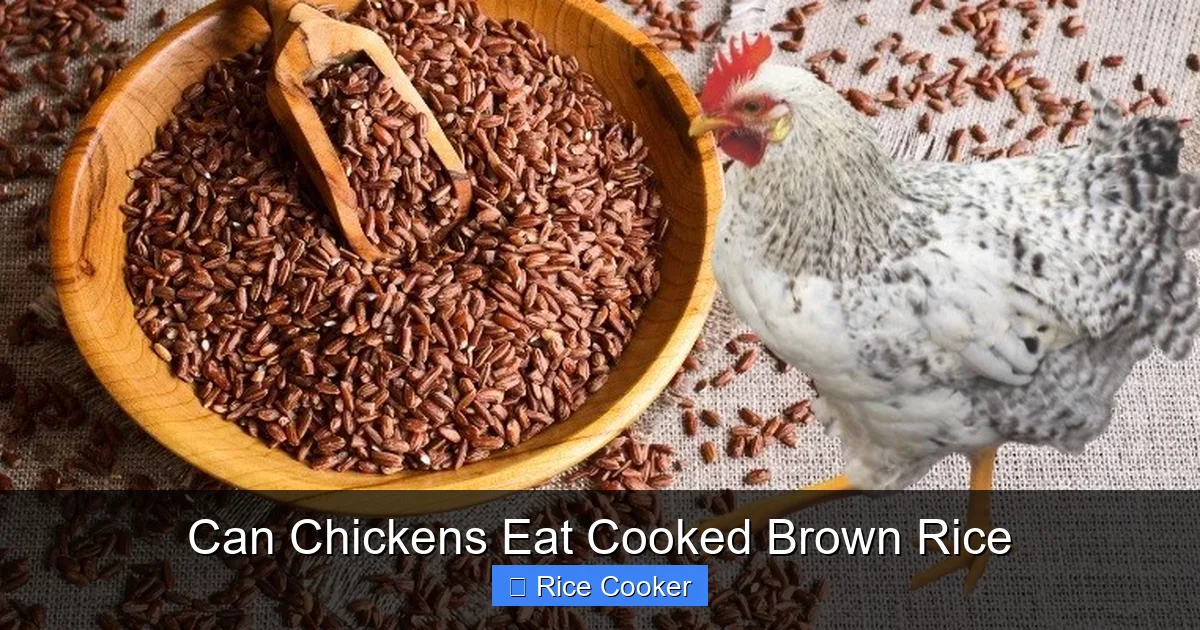
Visual guide about Can Chickens Eat Cooked Brown Rice
Image source: poultrycaresunday.com
Not all rice is created equal—and not all rice is safe for chickens. Here’s how to prepare it the right way:
Cook Without Additives
Never cook brown rice with salt, butter, oil, herbs, or spices. These ingredients are harmful to chickens. Stick to plain water and let the rice cook until tender.
Use the Right Ratio
For every cup of dry brown rice, use two cups of water. Bring to a boil, then simmer for 30–40 minutes until chewy but fully cooked. Drain off any excess water—this prevents sogginess and reduces the chance of mold.
Let It Cool Completely
Always allow the rice to cool before serving. Hot food can burn a chicken’s crop or esophagus. Room temperature or slightly chilled is best.
Serve in Small Portions
Aim for about 1–2 tablespoons per chicken per day. Overfeeding leads to digestive discomfort because rice is high in starch and low in moisture compared to fresh greens.
Mix Into Their Regular Meal
Instead of offering rice separately, mix it into their morning mash or sprinkle it over scratch grain. This encourages natural pecking behavior and ensures they eat it alongside other foods.
Store Leftovers Properly
If you have extra cooked rice, refrigerate it in an airtight container for up to three days. Reheat gently before feeding. Do not freeze unless you plan to use it within a few days.
By following these steps, you ensure your chickens get maximum benefit with minimal risk.
Potential Risks of Feeding Brown Rice to Chickens
While generally safe, there are a few things to watch out for:
Raw or Undercooked Rice Is Dangerous
Uncooked brown rice can absorb liquid in the digestive tract and swell dramatically, potentially causing blockages or impaction. Always confirm the rice is fully cooked and soft.
Excessive Starch Can Cause Diarrhea
Rice is high in carbohydrates, and too much at once can ferment in the crop or intestines, leading to loose droppings or gas. Limit portions and rotate with other treats like oats, barley, or cooked quinoa.
Moldy or Spoiled Rice Harbors Toxins
Check for signs of spoilage—off smells, slimy texture, or visible mold—before feeding. Moldy grains produce mycotoxins that are toxic to poultry.
Overreliance Disrupts Balanced Nutrition
Feeding too much rice shifts the diet away from essential proteins, vitamins, and minerals found in complete feeds. Treats should never exceed 10% of total intake.
Allergies Are Rare but Possible
Though uncommon, some chickens may react to certain types of rice (e.g., due to processing methods). Watch for changes in behavior, appetite, or droppings after first introduction.
As with any new food, introduce brown rice gradually and observe your flock closely during the first few feedings.
Creative Ways to Serve Cooked Brown Rice to Chickens
Making meal time fun keeps chickens engaged and healthy. Try these playful ideas:
Puzzle Feeders
Hide small bits of cooked rice inside cardboard tubes, egg cartons, or wooden blocks. This mimics natural foraging and gives mental stimulation.
Layer It With Greens
Combine rice with chopped kale, dandelion leaves, or spinach for a nutrient-packed salad. Chickens love pecking through mixed textures.
Add Protein Boosters
Sprinkle crumbled hard-boiled eggs, mealworms, or finely chopped cooked beans over the rice for extra protein—great for molting or laying hens.
Make Mini Patties
Mash cooled rice with a bit of oatmeal or mashed sweet potato, form into small balls, and freeze for later. These make excellent training treats or backup snacks.
Rotate with Other Grains
Alternate brown rice with millet, sorghum, or even popped popcorn (unsalted) to keep things interesting. Variety supports diverse gut bacteria and prevents boredom.
Remember: treats should complement, not replace, their primary feed. Use brown rice as a reward or enrichment tool rather than a staple.
Real-Life Examples and Success Stories
Many homesteaders swear by feeding cooked brown rice to their flocks. Take Sarah, a backyard farmer in Oregon, who started giving her chickens leftover rice from family dinners. “At first, I was worried it might upset their stomachs,” she says. “But after mixing it into their morning mash and watching them eagerly peck at it, I realized it was working wonders. My hens laid more eggs, and their feathers looked shinier.”
Another example is Mark, who runs a small free-range operation in Texas. He uses rice as part of a rotation system: “We feed brown rice twice a week, always plain and well-cooked. It’s cost-effective and my girls seem happier. They even recognize the sound of the rice bowl being filled!”
These anecdotes highlight how simple, thoughtful feeding practices can improve chicken welfare—even with everyday foods like rice.
Final Thoughts: Brown Rice as a Smart Flock Addition
In conclusion, yes—chickens absolutely can eat cooked brown rice. When prepared correctly and offered in moderation, it delivers valuable nutrients, promotes healthy digestion, and adds variety to their diet. It’s also a sustainable way to repurpose leftovers, making it a win-win for both your wallet and your birds.
Just remember the golden rules: cook it plain and soft, serve small amounts, and always pair it with other foods. Avoid raw rice, excess starch, and spoiled batches. And above all, keep an eye on how your chickens respond—because every flock is different.
With a little creativity and care, you can turn ordinary brown rice into a beloved treat that supports your chickens’ health, happiness, and productivity. So go ahead—grab that rice cooker, whip up a batch, and share the goodness with your feathered friends!
Frequently Asked Questions
Can chickens eat raw brown rice?
No, raw brown rice should never be fed to chickens. It can expand in their digestive tract and cause blockages or impaction. Always cook it thoroughly before serving.
How much cooked brown rice should I feed my chickens?
Aim for 1–2 tablespoons per chicken per day, depending on size and activity level. This amount supports nutrition without overwhelming their digestive system.
Should I rinse brown rice before cooking for chickens?
Rinsing isn’t required but can remove excess starch. However, don’t rinse excessively—some nutrients cling to the surface. Just give it a quick pass under cold water.
Can I feed my chickens leftover restaurant rice?
Only if it’s plain, unseasoned, and cooked properly. Avoid rice with sauces, oils, or spices, as these can be harmful to chickens.
Will brown rice make my chickens gain weight?
Like any grain, brown rice is calorie-dense. Feed it in moderation—excess calories lead to obesity, especially in non-laying hens or roosters.
How do I know if the rice is cooked enough?
The rice should be tender and slightly chewy, with no hard kernels. It’s ready when it absorbs all the water and breaks apart easily between fingers.