
Can you cook rice in a microwave? Absolutely! With the right water-to-rice ratio and technique, your microwave can produce fluffy, delicious rice in under 10 minutes. While it may not match an electric rice cooker’s consistency every time, it’s a fast, convenient option for small batches or when you’re short on time.
Key Takeaways
- Rice can be cooked in a microwave: It’s possible with the right method, though results may vary slightly compared to traditional cooking.
- Water-to-rice ratio is key: A general rule is 1:2 (rice to water), but adjust based on rice type and desired texture.
- Use a microwave-safe container: Always choose a heat-resistant bowl or dish with a lid to prevent mess and ensure even heating.
- Resting time matters: Let the cooked rice sit covered for 5 minutes to absorb excess moisture and fluff up.
- Experiment with seasonings: Add butter, salt, or herbs before cooking for enhanced flavor without extra steps.
- Not ideal for large quantities: Microwave cooking works best for 1–2 cups of rice; larger amounts may cook unevenly.
- Clean-up is easier: Minimal utensils and less mess than stove-top methods make microwaving a practical choice.
📑 Table of Contents
- Can You Cook Rice in a Microwave? The Quick Answer
- The Science Behind Microwave Rice Cooking
- Choosing the Right Rice for Microwave Cooking
- Essential Equipment You’ll Need
- Step-by-Step Guide: How to Cook Rice in the Microwave
- Troubleshooting Common Microwave Rice Problems
- Flavorful Variations and Side Ideas
- How Long Does Microwave Rice Last?
- Environmental and Cost Benefits of Microwave Rice
- Final Thoughts: Is Microwave Rice Worth It?
Can You Cook Rice in a Microwave? The Quick Answer
Yes—you absolutely can cook rice in a microwave! Whether you’re in a hurry, don’t own a rice cooker, or simply prefer using your microwave for everyday meals, this kitchen appliance can do more than just reheat leftovers. Cooking rice in the microwave is surprisingly simple and delivers satisfying results when done correctly.
While some purists argue that traditional stovetop or electric rice cooker methods yield the most consistent texture, the microwave offers speed, convenience, and minimal cleanup—especially useful for small portions like one serving or a side dish. In this guide, we’ll walk through everything you need to know: from choosing the right container to adjusting ratios for different rice varieties. By the end, you’ll feel confident making perfectly fluffy microwave rice every time.
The Science Behind Microwave Rice Cooking
Before diving into recipes, it helps to understand how microwaves work. Unlike boiling water on the stove, which transfers heat through convection, microwaves use electromagnetic waves to agitate water molecules inside the food. This creates friction and heat directly within the rice grains, cooking them from the inside out.
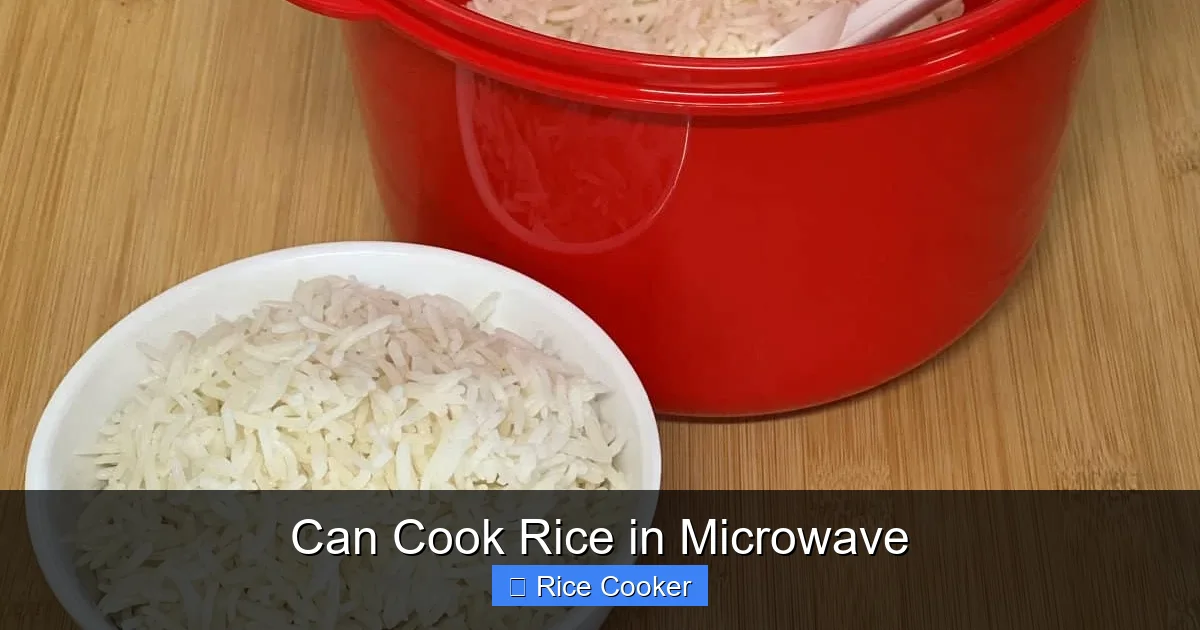
Visual guide about Can Cook Rice in Microwave
Image source: ovenspot.com
This process is efficient but requires careful attention to moisture levels and cooking times. Too little water, and your rice turns out dry and chalky. Too much, and it becomes mushy. That’s why mastering the balance between rice, water, and cooking time is essential—especially since microwave wattages vary (most range from 600W to 1200W).
Why People Choose Microwave Rice Over Other Methods
- Speed: Most microwave rice recipes take 8–12 minutes total—much faster than simmering on the stove.
- Convenience: No stirring or monitoring needed after adding ingredients; just pop it in and wait.
- Space-saving: Ideal if you live in a small apartment without room for multiple appliances.
- Energy efficiency: Uses less electricity than keeping a pot on the burner for long periods.
Choosing the Right Rice for Microwave Cooking
Not all rice types behave the same way in the microwave. Long-grain white rice (like basmati or jasmine) tends to stay separate and fluffy, while short-grain varieties (such as sushi rice or arborio) can become stickier. Brown rice requires longer soaking and higher water ratios due to its bran layer.
Best Rice Types for Microwave Use
| Rice Type | Water Ratio | Soaking Needed? |
|---|---|---|
| White Rice (Long-Grain) | 1:2 (1 cup rice : 2 cups water) | No |
| Brown Rice | 1:2.5 to 1:3 | Yes (30 mins) |
| Jasmine Rice | 1:1.75 | No |
| Sushi Rice | 1:1.25 | Yes (1 hour) |
Tips for Selecting Rice
- Pre-wash only if needed: Many packaged rices are already washed, so skip rinsing unless specified.
- Avoid overly sticky types for beginners—stickiness increases in microwaves due to uneven heating.
- Use fresh rice: Older rice loses starch content, leading to harder texture.
Essential Equipment You’ll Need
You don’t need fancy gadgets—just a few basic items that are likely already in your kitchen:
Recommended Containers
- Microwave-safe glass bowl or ceramic dish: Avoid plastic containers labeled “microwave safe” unless they’re thick and sturdy.
- Ventilated lid or plate: Prevents splatters while allowing steam to escape slightly.
- Measuring cups and spoons: Precision matters for consistent results.
- Fork or spatula: For fluffing after cooking.
What NOT to Use
- Aluminum foil (can cause sparks)
- Plastic wrap (melts at high temps)
- Non-microwave-safe bowls (check labels carefully)
Step-by-Step Guide: How to Cook Rice in the Microwave
Follow these instructions closely for foolproof results every time.
Basic Method (White Rice)
- Measure ingredients: Use 1 cup uncooked white rice + 2 cups water.
- Add to container: Place both in a microwave-safe bowl. Cover with a vented lid or microwave-safe plate.
- Cook on high: Heat for 10 minutes if your microwave is 1000W+. Reduce by 1 minute per additional 100W above that.
- Let it rest: Turn off microwave, leave covered for 5 minutes. This allows residual heat to finish cooking and steam to distribute evenly.
- Fluff gently: Use a fork to break apart clumps without mashing.
Pro Tips for Better Texture
- Pre-soak brown rice: Soak for 30+ minutes before cooking to reduce cooking time and improve tenderness.
- Add fat or oil: Stir in 1 teaspoon oil or butter to prevent sticking.
- Season early: Add salt, pepper, or herbs during the soaking/cooking phase for deeper flavor.
- Don’t peek too often: Opening the door lets steam escape, extending cooking time.
Troubleshooting Common Microwave Rice Problems
Even experienced cooks run into issues now and then. Here’s how to fix them:
Dry and Crumbly Rice
- Cause: Insufficient water or overcooking.
- Fix: Increase water ratio by ¼ cup next time. Reduce cooking time by 1 minute.
Mushy or Sticky Texture
- Cause: Excess water or insufficient resting time.
- Fix: Drain excess liquid after cooking using a colander if necessary. Always rest covered.
Unevenly Cooked Grains
- Cause: Microwave hot spots or poor coverage.
- Fix: Stir halfway through cooking (if safe for your container). Rotate bowl 90 degrees.
Burnt Bottom Layer
- Cause: Direct contact with microwave floor or low water levels.
- Fix: Place a small cup of water in the bottom of the bowl to create a steam barrier.
Flavorful Variations and Side Ideas
Plain rice gets boring fast! Try these creative twists:
Savory Options
- Garlic Herb Rice: Add minced garlic, rosemary, and lemon zest to water before cooking.
- Cheese Rice: Stir in grated parmesan or cheddar during the last minute of cooking.
- Vegetable Medley: Toss in frozen peas, carrots, or corn halfway through cooking.
Dessert Rice
- Coconut Rice: Replace water with coconut milk + ½ cup water. Add a cinnamon stick.
- Rice Pudding: Mix 1 cup cooked rice with 1 cup milk, sugar, and vanilla. Cook 3–4 more minutes until thickened.
Serving Suggestions
- Pair with grilled chicken or fish for a complete meal.
- Use as a base for stir-fries or fried rice.
- Top with sautéed mushrooms, olives, or sun-dried tomatoes.
How Long Does Microwave Rice Last?
Properly stored microwave rice stays good for 3–5 days in the refrigerator. Always cool it completely before refrigerating. To reheat, add a splash of water and cover while microwaving on medium power to avoid drying out.
Freezing Tips
- Portion into freezer-safe containers or zip-top bags.
- Label with date and contents.
- Thaw overnight in fridge or reheat directly from frozen (adding 1–2 tbsp water).
Environmental and Cost Benefits of Microwave Rice
Beyond convenience, microwaving rice has eco-friendly perks:
- Saves energy: Takes less power than running a full-sized rice cooker or stove.
- Reduces water waste: Smaller batches mean less unused water.
- Less plastic use: Skip disposable rice cooker liners or pre-packaged mixes.
Plus, you’ll save money by buying rice in bulk and cooking only what you need!
Final Thoughts: Is Microwave Rice Worth It?
If you’re looking for speed, simplicity, and minimal effort, microwave rice is a winner—especially for single servings or busy weeknights. While it may not replace your favorite rice cooker for large family dinners, it’s a reliable backup when you’re pressed for time.
The key lies in understanding your microwave’s power output, using the correct ratios, and being patient with the resting step. Once you get the hang of it, you’ll find yourself reaching for the microwave more often—not just for rice, but for countless other quick-cook meals.
So go ahead: grab that bag of basmati, measure out your water, and trust the process. Your future self will thank you for the time saved and the perfectly cooked grain waiting at the end.
Frequently Asked Questions
Is it safe to cook rice in a microwave?
Yes, it’s completely safe as long you use microwave-safe containers and follow proper ratios. Just avoid non-microwave-safe plastics or metal.
How much water do I need for 1 cup of rice in the microwave?
For white rice, use 2 cups of water per 1 cup of uncooked rice. Adjust slightly based on rice variety—brown rice needs more.
Can I cook brown rice in the microwave?
Absolutely! Brown rice takes longer and requires more water (about 1:2.5 to 1:3 ratio). Soak it beforehand for better texture.
Do I need to soak rice before microwaving?
Not always—white rice doesn’t require soaking. But brown, sushi, or red rice benefit from a 30-minute to 1-hour soak to soften properly.
Why is my microwave rice still hard after cooking?
It could be undercooked due to low water or insufficient cooking time. Try increasing water by ¼ cup or adding 1 minute of cooking time.
Can I add spices or butter to microwave rice?
Yes! Add salt, pepper, garlic, or butter directly to the water or rice before cooking for enhanced flavor without extra steps.