
Can chickens eat rice cooked? Absolutely—yes, chickens can enjoy cooked rice as part of a balanced diet. It’s nutritious, easy to digest, and a great source of energy. Just avoid raw rice, seasonings, or large portions to keep your flock healthy and happy.
Chickens are omnivores by nature—they love scratching through the dirt, pecking at insects, and even snacking on kitchen scraps. As backyard farmers or poultry enthusiasts, we want to provide our feathered friends with the best possible diet. One common question that often comes up is: can chickens eat rice cooked? The short answer is yes, but with important caveats. Let’s dive into everything you need to know about feeding cooked rice to your chickens, from safety and nutrition to practical feeding tips.
Many people assume that because rice is a human staple, it must be good for chickens too. And while that’s mostly true, not all forms of rice are suitable. Raw rice, for example, is a no-go. But once it’s been cooked, it becomes a safe, nutritious addition to your flock’s diet. In fact, rice can offer several health benefits—when introduced correctly.
Before we get into the details, let’s set the stage. Chickens have evolved to eat a varied diet that includes seeds, grains, greens, insects, and even small stones to help grind food in their gizzards. So adding cooked rice fits right into their natural eating habits. It’s also something many people already have on hand—making it a convenient choice for supplemental feeding.
Now, let’s explore why cooked rice can be beneficial and how to serve it safely.
Key Takeaways
- Cooked rice is safe and nutritious: Chickens can eat cooked white or brown rice without any issues when fed in moderation.
- Avoid raw rice: Raw rice expands in a chicken’s crop and can cause digestive blockages or discomfort.
- No salt or seasoning: Never feed rice with added salt, butter, spices, or sauces—these are harmful to chickens.
- Use as a treat or supplement: Rice works well mixed with other grains, vegetables, or as an occasional snack.
- Promotes gut health: The fiber in brown rice supports digestion and overall intestinal health in chickens.
- Supports egg production: Proper nutrition from rice and other foods helps maintain strong eggshells and consistent laying.
- Store properly: Keep cooked rice in airtight containers and use within a few days to prevent spoilage and contamination.
Quick Answers to Common Questions
Can chickens eat rice cooked every day?
Yes, but only in moderation. While safe, rice should not replace their main feed. Offer it 1–2 times per week as a treat or supplement to maintain a balanced diet.
Is raw rice dangerous for chickens?
Yes. Raw rice expands in a chicken’s crop when it absorbs water, which can lead to digestive blockages or regurgitation. Always cook rice before feeding.
Can I feed my chickens leftover fried rice?
Only if it’s plain and cooked without oil or seasonings. Fried rice often contains garlic, onions, salt, or oil, which are unsafe for chickens.
Do chickens like cooked rice?
Most chickens enjoy cooked rice, especially when mixed with vegetables or seeds. Some may take time to try it, but most will peck at it eagerly.
Will rice help chickens lay more eggs?
Rice provides energy and nutrients that support overall health, including egg production. However, consistent laying depends on balanced nutrition, lighting, and stress levels—not just one food item.
📑 Table of Contents
Is Cooked Rice Safe for Chickens?
When it comes to answering the question “can chickens eat rice cooked?”, the answer is a confident yes—but only if it’s properly prepared and served. Cooked rice, whether white or brown, is gentle on a chicken’s digestive system and can be included in their regular diet.
The key is avoiding anything that could upset their stomach or harm their health. For instance, uncooked rice should never be given to chickens. When raw rice gets into a chicken’s crop (the pouch near their throat), it can absorb water and expand, potentially blocking digestion or causing regurgitation. This is a common mistake among new chicken owners who try to save time by tossing leftover raw rice into the coop.
Cooked rice, on the other hand, has already absorbed the moisture and softened, making it much easier to digest. It breaks down quickly in the gizzard and doesn’t pose the same risk as raw grains.
Another important point: always serve plain, unseasoned rice. That means no salt, no butter, no garlic, and definitely no soy sauce or spicy sauces. These additives can be toxic or cause digestive distress in chickens. Their bodies process food very differently from ours, and what’s harmless for humans might not be for them.
So, to summarize: cooked, plain rice is safe and healthy for chickens. Just make sure it’s free from any condiments or oils.
Nutritional Benefits of Cooked Rice for Chickens
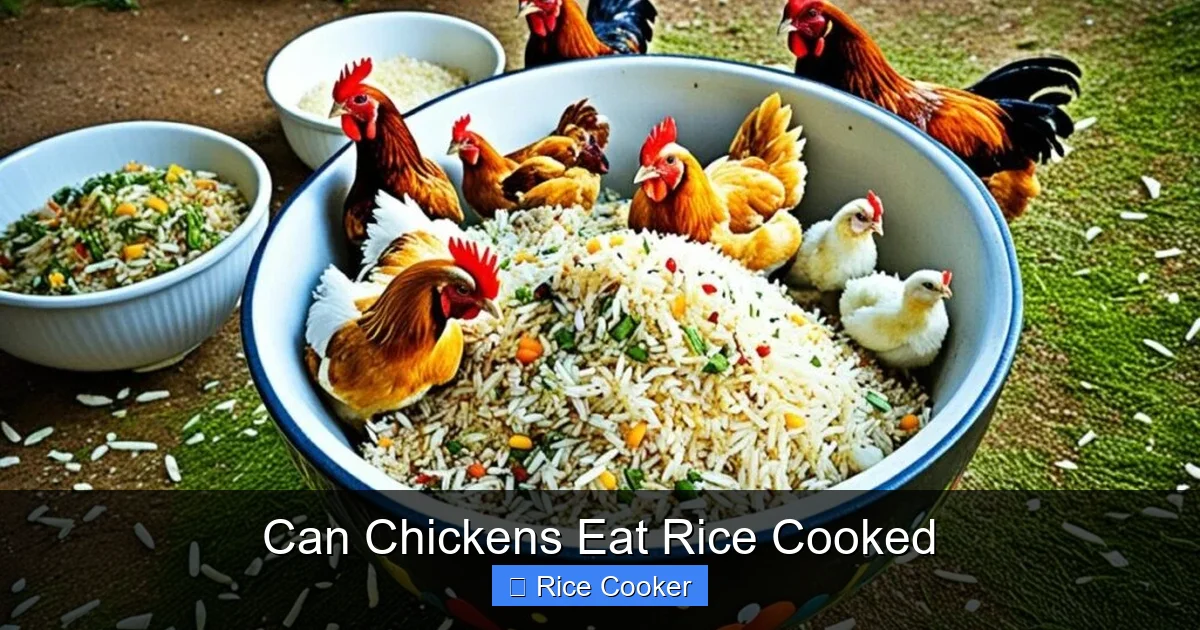
Visual guide about Can Chickens Eat Rice Cooked
Image source: bestfarmanimals.com
Now that we’ve established safety, let’s talk nutrition. Why should you consider adding cooked rice to your chickens’ meals? Because it offers several valuable nutrients that support overall health.
Energy Source
Rice is primarily composed of carbohydrates, which are the main fuel for chickens. Whether they’re laying eggs, molting, or just staying active, chickens need a steady supply of energy. White rice provides quick energy due to its refined starch content, while brown rice offers more sustained energy thanks to its fiber content.
Protein Support
While rice isn’t a high-protein food like mealworms or soybean meal, it still contributes to protein intake when combined with other foods. Protein is essential for feather growth, muscle development, and egg production. Including rice in a varied diet ensures chickens get a balanced mix of macronutrients.
Dietary Fiber
Brown rice, in particular, is rich in dietary fiber. This helps regulate digestion, prevents constipation, and promotes a healthy gut microbiome. A happy gut means better nutrient absorption and stronger immunity.
Micronutrient Boost
Both white and brown rice contain small amounts of B vitamins, such as niacin and thiamine, which are vital for metabolism and nervous system function. Brown rice also contains trace minerals like magnesium and selenium.
Hydration Aid
Cooked rice holds water well, which can help keep chickens hydrated—especially during hot weather. This is especially useful if your chickens aren’t drinking enough water on their own.
Including rice in your flock’s diet isn’t about replacing their main feed—it’s about enhancing it. Think of rice as a healthy side dish, not a main course.
How to Feed Cooked Rice to Chickens
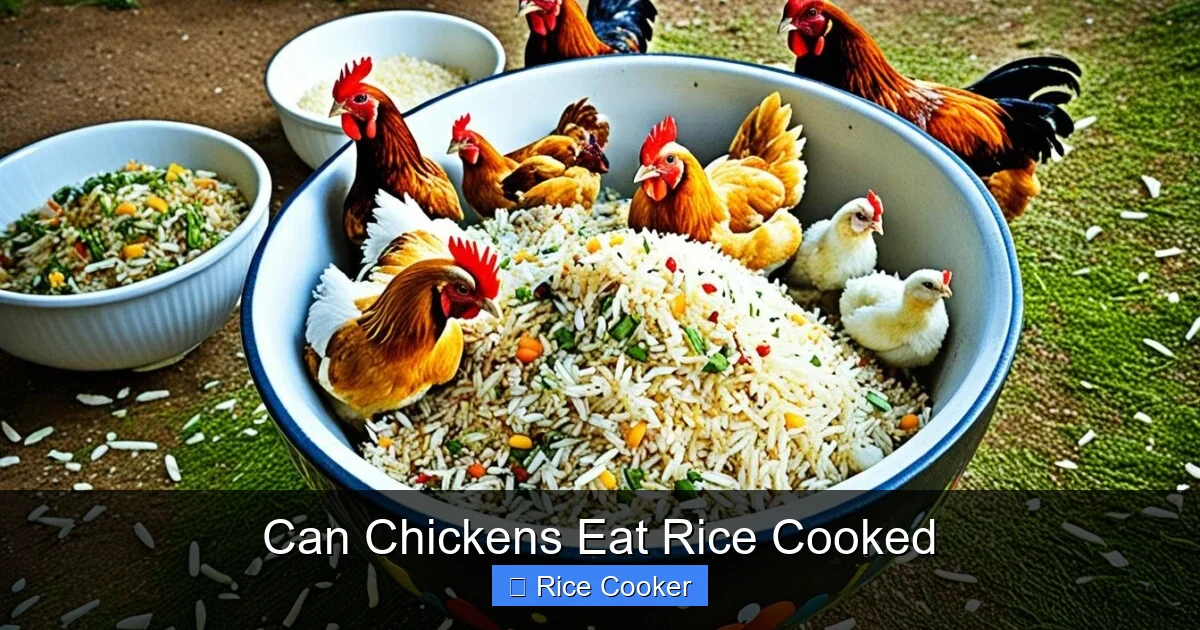
Visual guide about Can Chickens Eat Rice Cooked
Image source: bestfarmanimals.com
Feeding cooked rice to chickens is simple, but there are a few best practices to follow for maximum benefit and safety.
Start Small
Introduce rice gradually. Chickens may not be familiar with it, so begin with small portions to see how they react. Most will peck at it eagerly, but some might ignore it initially. Don’t force it—just leave a little out and let them discover it.
Mash or Chop Large Portions
While chickens can eat whole grains, smaller pieces are easier to digest. If you’re feeding a lot of rice, consider mashing it slightly or chopping it into bite-sized pieces. This is especially helpful for younger chicks or older hens with weaker beaks.
Mix With Other Foods
Combine rice with vegetables, fruits, or even leftover grains for a more complete meal. For example, toss cooked rice with chopped spinach, grated carrots, and a few dried mealworms for a nutrient-packed treat. This mimics their natural foraging behavior and keeps meals interesting.
Limit to Treats or Supplements
Remember, rice should not replace commercial chicken feed. It’s best used as an occasional treat or supplement—maybe once or twice a week. Too much rice can lead to nutritional imbalances or excess weight.
Serve Fresh
Always use freshly cooked rice. Leftover rice from last night’s dinner can be fed, but only if it’s cooled and stored properly. Do not feed rice that’s been sitting out overnight unless it’s refrigerated and reheated thoroughly. Moldy or spoiled rice can cause illness.
Clean Feeding Areas
Place rice in clean feeding trays or scatter it on a flat surface to avoid contamination. Clean up any uneaten rice after a few hours to prevent pests like ants or rodents from being attracted to your coop.
By following these steps, you’ll ensure your chickens enjoy rice safely and happily.
Common Mistakes to Avoid
Even though cooked rice is safe, there are several mistakes people commonly make when feeding it to chickens. Being aware of these pitfalls will help you avoid unnecessary problems.
Feeding Raw Rice
As mentioned earlier, raw rice expands in a chicken’s crop and can cause blockages. Always cook rice before offering it to your flock.
Adding Seasonings or Oils
Never add salt, pepper, garlic, onions, or butter to rice meant for chickens. These ingredients can be toxic or cause digestive upset. Stick to plain, cooked rice.
Giving Too Much at Once
Overfeeding rice can displace more nutritious foods in their diet. Limit rice to no more than 10–15% of their total feed intake. The rest should come from balanced layer pellets or mash.
Using Moldy or Spoiled Rice
Discard any rice that smells off, looks discolored, or has visible mold. Feeding spoiled food can lead to botulism or other illnesses in chickens.
Ignoring Water Supply
Since rice absorbs water, make sure your chickens always have access to fresh water. Dehydration can occur if they eat too much dry grain without drinking enough.
Not Rotating Foods
Don’t rely solely on rice. Vary their diet with greens, grains, proteins, and treats to ensure they get all the nutrients they need.
Avoiding these mistakes will keep your chickens healthy, energetic, and productive.
Brown Rice vs. White Rice: Which Is Better?
You might wonder whether brown rice or white rice is the better choice for your chickens. Both are safe, but they offer slightly different nutritional profiles.
White Rice
White rice is processed to remove the bran and germ, which makes it softer and quicker to cook. It’s lower in fiber and higher in easily digestible carbs. This makes it a good energy booster, especially for laying hens or chickens recovering from illness.
However, because it lacks the outer layers of the grain, it’s less nutrient-dense than brown rice.
Brown Rice
Brown rice retains its bran and germ, giving it a chewier texture and richer flavor. It’s higher in fiber, antioxidants, and essential minerals like magnesium and zinc. The extra fiber supports digestion and helps prevent issues like fatty liver syndrome.
For long-term health and optimal nutrition, brown rice is generally preferred. But white rice is perfectly fine for occasional feeding.
Can You Mix Them?
Absolutely! Many chicken owners alternate between the two or mix them together. This gives their flock variety and balances energy with extra nutrients.
Ultimately, the best approach is to use whichever type of rice you have on hand—just make sure it’s cooked and plain.
Can Chicks Eat Cooked Rice?
One common concern is whether cooked rice is safe for chicks. The answer is yes, but with age and preparation considerations.
Chicks under six weeks old should not be fed large amounts of rice. At this stage, their digestive systems are still developing, and they benefit most from finely ground starter feed or crumbles. Introducing hard or bulky foods too early can cause crop impaction.
Once chicks reach about six weeks old, you can start introducing small amounts of cooked, mashed rice. Make sure it’s soft and easy to swallow. You can even mix it with warm water to create a porridge-like consistency.
Monitor your chicks closely when introducing new foods. If they seem lethargic or stop eating, remove the rice and consult a veterinarian.
By eight weeks, most chicks can handle regular-sized portions of cooked rice alongside their standard feed.
Fun Facts About Chickens and Grains
Did you know that chickens have been eating grains like rice for thousands of years? In fact, ancient civilizations kept chickens partly for their ability to thrive on grain-based diets. Today, chickens are among the most efficient grain converters in the animal kingdom—meaning they turn grains into protein-rich eggs and meat remarkably well.
Grains like rice, corn, oats, and barley form the foundation of many commercial feeds. Even wild chickens forage for seeds and fallen grains in fields and forests.
So next time you cook a pot of rice, don’t hesitate to share a portion with your backyard flock. They’ll appreciate the gesture—and their eggs might taste even better!
Frequently Asked Questions
Can chickens eat brown rice?
Yes, chickens can safely eat brown rice. It’s higher in fiber and nutrients than white rice, supporting digestion and overall health when fed in moderation.
How much cooked rice should I give my chickens?
Limit rice to about 1–2 tablespoons per chicken per day, depending on size and activity level. It should be part of a varied diet, not the main component.
Should I rinse rice before cooking for chickens?
Rinsing is optional but not required. Rinsed rice may have less starch, but both rinsed and unrinsed cooked rice are safe and nutritious for chickens.
Can I mix rice with chicken feed?
Yes, you can mix small amounts of cooked rice with commercial feed or scratch grains. This adds variety and extra energy without disrupting their main diet.
Is it okay to leave rice out overnight?
No. Leftover rice should be stored in the refrigerator and used within a day or two. Leaving it out can lead to spoilage, mold, or attraction of pests.
What happens if a chicken eats too much rice?
Eating excessive rice can lead to weight gain or nutritional imbalances since it lacks certain proteins and vitamins found in complete feeds. Always offer rice as a supplement, not a staple.