

Can I cook beans in a rice cooker? Absolutely! With the right technique, your rice cooker can do more than just make rice. It’s a convenient, hands-off way to prepare flavorful, evenly cooked beans without babysitting the stove. Whether you’re making black beans, pinto beans, or chickpeas, this method delivers consistent results with minimal effort.
Key Takeaways
- Yes, it’s possible: A rice cooker is a great tool for cooking beans—just like rice—thanks to its controlled heat and automatic shut-off.
- No soaking required (sometimes): While soaking beans is traditional, many rice cookers can cook dry beans from scratch using the “cook” or “brown rice” setting.
- Consistent texture: The steady simmering action helps beans cook evenly without splitting or becoming mushy.
- Saves energy: Using a rice cooker uses less gas or electricity than boiling beans on the stovetop.
- Great for meal prep: Cook a big batch and store them for tacos, soups, salads, or burritos throughout the week.
- Customizable flavors: Add garlic, onions, bay leaves, or spices directly into the pot for extra taste.
- Clean-up is easy: Most rice cooker inner pots are non-stick and dishwasher-safe.
Quick Answers to Common Questions
Can I cook dried beans in a rice cooker without soaking?
Yes, most rice cookers can cook dried beans from scratch without soaking. It just takes a bit longer—usually 60 to 90 minutes depending on the bean type.
What’s the water-to-bean ratio for cooking beans in a rice cooker?
Use three parts water for every part dry beans. This ensures they cook evenly and don’t dry out or stick to the pot.
Do I need to add salt while cooking beans in a rice cooker?
It’s best to wait until the last 10–15 minutes of cooking. Adding salt too early can make beans tough.
Can I cook different types of beans at the same time?
Not recommended. Different beans cook at different speeds. Stick to one variety per batch for best results.
Will my rice cooker burn the beans if I leave them too long?
Modern rice cookers are designed to prevent burning. Once the beans are fully cooked, the unit switches to “warm” mode, so overcooking is unlikely.
📑 Table of Contents
- Can I Cook Beans in a Rice Cooker? Yes — Here’s How!
- Why Use a Rice Cooker for Beans?
- Which Types of Beans Work Best?
- Do You Need to Soak Beans Before Cooking?
- Step-by-Step Guide: How to Cook Beans in a Rice Cooker
- Common Mistakes to Avoid
- Creative Ways to Use Rice-Cooker Beans
- How Long Does It Take to Cook Beans in a Rice Cooker?
- Can You Cook Canned Beans in a Rice Cooker?
- Tips for First-Time Bean Cookers
- Storing and Reheating Cooked Beans
- Final Thoughts: Is a Rice Cooker Worth It for Beans?
Can I Cook Beans in a Rice Cooker? Yes — Here’s How!
If you’ve ever stared at a pot of beans bubbling on the stove, hoping they’ll turn out soft and ready to eat, you’re not alone. Boiling beans takes time, attention, and a bit of guesswork. But what if there was an easier way? Enter the humble rice cooker — a kitchen appliance that does more than just make fluffy white rice. Believe it or not, cooking beans in a rice cooker is not only possible but often yields excellent results with zero stress.
Whether you’re preparing a quick weeknight dinner or stocking up for meal prep, using your rice cooker to cook beans is a game-changer. It’s hands-free, energy-efficient, and produces consistently tender beans every time. In this complete guide, we’ll walk you through everything you need to know about cooking beans in a rice cooker—from which types work best to how to avoid common mistakes.
Why Use a Rice Cooker for Beans?
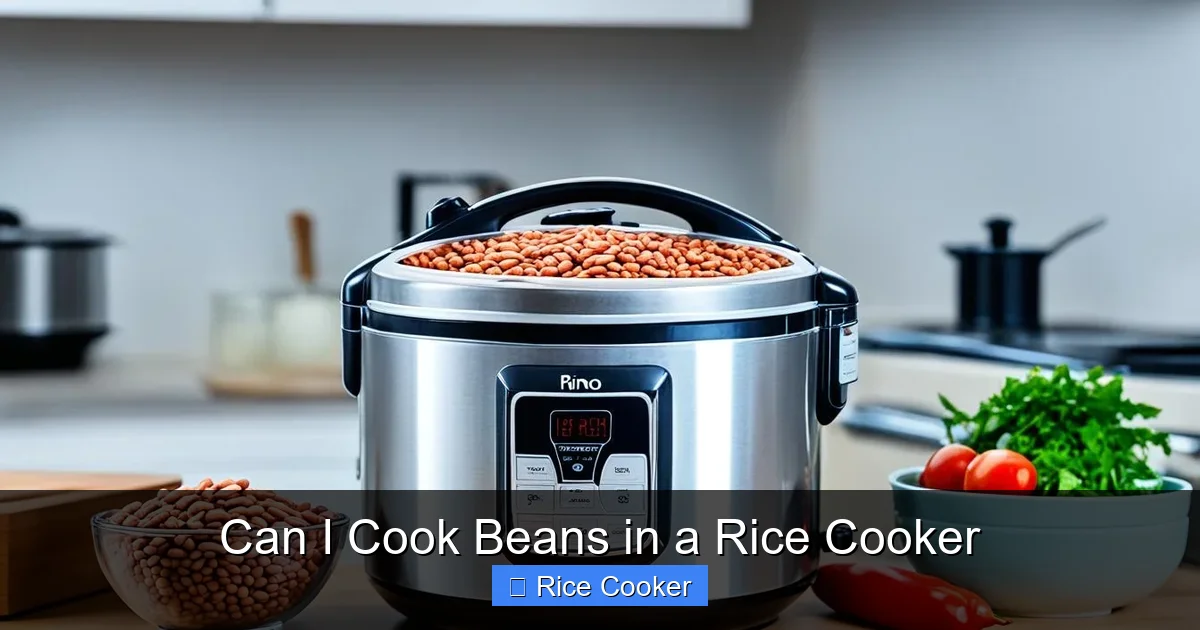
Rice cookers are designed to maintain a precise temperature and automatically switch to “warm” mode once cooking is complete. This makes them ideal for foods that need steady, low-and-slow heat. Beans, especially dried ones, require patience and consistency to break down their complex starches and proteins into a soft, edible form. Unlike high-heat boiling, which can cause beans to split or cook unevenly, a rice cooker provides gentle, even heat throughout the process.
Visual guide about Can I Cook Beans in a Rice Cooker
Image source: ricecookerjunkie.com
The Science Behind It
Dried beans contain phytates and complex sugars that need time to break down. Cooking them slowly allows these compounds to dissolve, making the beans easier to digest and improving their nutrient absorption. A rice cooker maintains a near-boiling temperature (around 200°F or 93°C), which is perfect for this transformation. Plus, the sealed environment helps retain moisture and flavor.
Benefits of Cooking Beans in a Rice Cooker
- Less hands-on time: Set it and forget it—perfect for busy days.
- Energy efficient: Uses less power than keeping a pot on the stove.
- Even cooking: No hot spots or scorched bottoms.
- Easy cleanup: Non-stick pots make scraping off bean residue a breeze.
- Flavor infusion: Herbs and spices cook gently, melding into the beans.
Which Types of Beans Work Best?
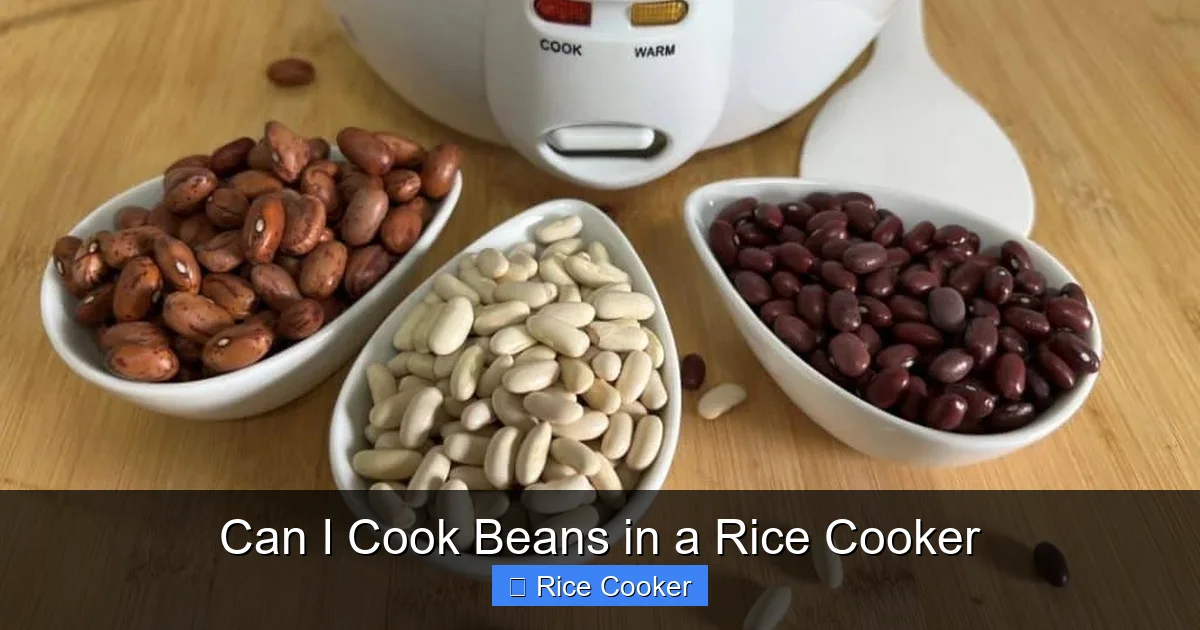
Not all beans are created equal when it comes to rice cooker cooking. Some varieties hold their shape better, while others become creamy and mash-like. Here’s a breakdown of the best beans to use:
Visual guide about Can I Cook Beans in a Rice Cooker
Image source: ovenspot.com
Black Beans
Black beans are one of the most popular choices for rice cooker recipes. They have a rich, earthy flavor and hold up well during long cooking times. After cooking, they’re perfect for tacos, soups, or black bean dip.
Tip: Add a pinch of cumin or a smoked paprika for extra depth before closing the lid.
Pinto Beans
Pinto beans develop a slightly sweet, nutty flavor when slow-cooked. They’re great for Mexican dishes like refried beans or burrito bowls. Because they’re larger and denser, they may need a few extra minutes, but the rice cooker handles it like a pro.
Kidney Beans
These bold-flavored beans are ideal for chili and salads. Just remember: kidney beans must be soaked or pressure-cooked to destroy naturally occurring toxins. A rice cooker can safely handle this process if you follow the right steps.
Chickpeas (Garbanzo Beans)
While chickpeas take longer than other legumes, they can still be cooked successfully in a rice cooker. Their firm texture makes them perfect for hummus, curries, or roasted snacks.
White Beans (Cannellini, Navy)
These mild, creamy beans shine in Italian dishes like minestrone or as a base for bean salads. They tend to get very tender, so keep an eye on them after the first hour.
Avoid using beans labeled “instant” or pre-cooked, as they’ve already been partially processed and may fall apart.
Do You Need to Soak Beans Before Cooking?
This is one of the biggest debates in bean cooking. Traditionally, people soak beans overnight to reduce cooking time and improve digestibility. But with modern appliances like rice cookers, soaking isn’t always necessary.
Soaking Pros and Cons
- Pros: Reduces cooking time by up to half, softens skin for easier digestion.
- Cons: Takes planning ahead; requires extra water and cleanup.
Cooking Without Soaking
Many rice cookers can cook dry beans from scratch using the “cook” or “brown rice” setting. The process usually takes 60–90 minutes, depending on the bean type. Since the rice cooker maintains consistent heat, even beans that haven’t soaked can turn out perfectly tender.
Pro tip: Add a teaspoon of baking soda to the water to help soften the beans faster—but skip this if you’re making beans for babies or those with sensitive stomachs.
Step-by-Step Guide: How to Cook Beans in a Rice Cooker
Ready to try it? Follow these simple steps for foolproof beans every time.
1. Rinse and Sort Your Beans
Place your dried beans in a colander and rinse under cold water. Pick out any debris, shriveled beans, or stones. Give them a good shake to remove excess dust.
2. Add Water (and Flavorings)
For every cup of dry beans, use 3 cups of water. For extra flavor, add:
- 1 small onion (quartered)
- 2 cloves garlic (smashed)
- 1 bay leaf
- A pinch of salt (add later to prevent toughness)
- Spices like cumin, oregano, or thyme
3. Insert the Inner Pot
Place the inner pot into the rice cooker base. Make sure it sits evenly and doesn’t touch the heating element.
4. Start Cooking
Close the lid and select the “Cook” or “Brown Rice” setting. Do not use the “Rinse” or “Steam” function—you want full immersion in liquid.
5. Let It Run
Most beans will be done in 60–90 minutes. Check after 60 minutes by mashing one between your fingers. If it breaks down easily, they’re ready. If not, close the lid and let it continue—rice cookers stay warm and won’t overheat.
6. Drain and Cool
Once done, carefully remove the pot (it’ll be hot!). Drain the beans and rinse with cold water to stop the cooking process. Store in an airtight container in the fridge for up to 5 days or freeze for up to 3 months.
Common Mistakes to Avoid
Even with the best tools, mistakes happen. Here’s how to dodge them:
Using Too Little Water
Beans expand as they cook. If you don’t use enough water, they’ll dry out or stick to the bottom. Always follow the 3:1 water-to-bean ratio.
Adding Salt Too Early
Salt toughens the bean skin. Wait until the last 15 minutes of cooking to season.
Opening the Lid Frequently
Each time you lift the lid, heat escapes and slows cooking. Only open it when checking doneness.
Using the Wrong Setting
Don’t use the “Steam” or “Quick Cook” settings. These aren’t designed for long, slow cooking.
Not Draining Properly
Leaving beans in hot liquid can make them soggy. Always drain and rinse unless you’re using them immediately.
Creative Ways to Use Rice-Cooker Beans
Once your beans are cooked, the possibilities are endless. Here are some tasty ideas:
Taco Night Favorites
Season cooked black beans with cumin, chili powder, and lime juice. Warm them up and serve in tortillas with lettuce, cheese, and avocado.
Hearty Bean Soup
Combine cooked beans with diced tomatoes, carrots, celery, and vegetable broth. Simmer for 20 minutes and blend part of it for a creamy texture.
Mediterranean Chickpea Salad
Toss chickpeas with cucumber, red onion, parsley, olive oil, lemon juice, and feta. Perfect for picnics or packed lunches.
Vegan Burrito Bowls
Layer cooked pinto beans over rice with salsa, corn, avocado, and shredded veggies. Top with a dollop of cashew sour cream.
How Long Does It Take to Cook Beans in a Rice Cooker?
On average, expect 60–90 minutes for most dried beans. Here’s a quick reference:
- Black beans: 70–80 minutes
- Pinto beans: 80–90 minutes
- Kidney beans: 90+ minutes (must be soaked first)
- Chickpeas: 90–120 minutes
- White beans: 60–70 minutes
Remember: these times are for unsoaked beans. If you’ve soaked them overnight, reduce time by half.
Can You Cook Canned Beans in a Rice Cooker?
Technically yes, but it’s unnecessary. Canned beans are already cooked and just need reheating. Use the “Warm” or “Keep Warm” setting for 15–20 minutes. However, avoid overheating, as it can make beans mushy.
Tips for First-Time Bean Cookers
If you’re new to cooking beans from scratch, start simple. Try black beans with basic seasoning. Once you master that, experiment with spices and textures. Don’t worry if your first batch isn’t perfect—even seasoned cooks have off days.
Also, invest in a good timer. Many rice cookers don’t chime loudly, so set a phone reminder to check progress.
Storing and Reheating Cooked Beans
Proper storage keeps your beans fresh and safe. Always cool them quickly after cooking—don’t leave them sitting in hot liquid for more than an hour. Refrigerate in a sealed container for up to 5 days or freeze in portions for up to 6 months.
To reheat, place beans in a saucepan with a splash of water or broth and warm over medium heat until steaming. Microwave in a covered dish with a bit of liquid for even heating.
Final Thoughts: Is a Rice Cooker Worth It for Beans?
Absolutely. If you own a rice cooker, you already have a powerful tool for more than just grains. Cooking beans in it is simple, reliable, and frees up your stove for other meals. Whether you’re feeding a family or meal-prepping for the week, this method saves time and ensures consistent results.
And the best part? No more standing over a pot, stirring and guessing. Just add beans, water, and flavor, press a button, and enjoy the aroma of home-cooked goodness. Next time you reach for canned beans, consider giving dried ones a try in your rice cooker—you might never go back.
Frequently Asked Questions
Is it safe to cook beans in a rice cooker?
Yes, it’s completely safe. Rice cookers maintain consistent temperatures and automatically shut off, reducing the risk of drying out or burning. Just make sure you use enough water.
How do I prevent beans from sticking to the bottom of the rice cooker?
Always use enough water (3:1 ratio) and avoid opening the lid frequently. Stirring occasionally during the last 15 minutes can also help.
Can I cook beans and rice together in a rice cooker?
Yes! This is a classic combo. Add rinsed dried beans along with rice, water, and seasonings. Use the “Mixed Rice” or “Normal” setting.
Why are my beans still hard after cooking in a rice cooker?
Hard beans may be old or under-soaked. Try soaking them overnight next time, or cook them for a bit longer—rice cookers stay warm and can continue cooking.
Can I cook frozen beans in a rice cooker?
Not recommended. Frozen beans can lower the internal temperature too much, disrupting the cooking cycle. Thaw and rinse them first, then proceed as usual.
What should I do if my rice cooker doesn’t have a “bean” setting?
Use the “Cook” or “Brown Rice” setting. These modes provide the long, steady heat needed for beans. Just monitor the time closely.