

Adding cooked rice to soup is not only safe—it’s delicious! It thickens soups, adds heartiness, and boosts fiber content. Whether you’re using leftover rice or cooking fresh in a rice cooker, this simple technique enhances both flavor and nutrition.
Key Takeaways
- Yes, you can add cooked rice to soup. It works well in broths, stews, and even creamy soups without ruining the dish.
- Rice absorbs flavors from the broth. This makes your soup more savory and cohesive.
- Use any type of cooked rice. White, brown, jasmine, or wild rice all adapt beautifully to soups.
- Avoid adding raw rice. Raw rice won’t cook properly in hot soup and may stay hard.
- Adjust cooking time carefully. Add rice toward the end of simmering to keep it tender but not mushy.
- Enhance nutrition and texture. Rice adds carbs, fiber, and body to light broths.
- Try it in global cuisines. From Asian congee to Italian minestrone, rice is a staple in many soups.
📑 Table of Contents
- Can I Add Cooked Rice to Soup? A Complete Guide for Home Cooks
- The Benefits of Adding Cooked Rice to Soup
- Which Types of Rice Work Best in Soup?
- How to Properly Add Cooked Rice to Soup
- Global Examples of Rice in Soup
- Common Mistakes to Avoid
- Practical Tips for Using Your Rice Cooker
- Creative Recipe Ideas Featuring Cooked Rice in Soup
- Final Thoughts: Yes, Go Ahead!
Can I Add Cooked Rice to Soup? A Complete Guide for Home Cooks
Have you ever wondered whether tossing some leftover rice into your soup is a good idea? The short answer is yes—you absolutely can add cooked rice to soup, and doing so can elevate your meal in surprising ways. Whether you’re making a light miso soup, a hearty vegetable stew, or a creamy tomato bisque, incorporating cooked rice adds texture, substance, and even nutritional value. In fact, many traditional soups around the world rely on rice as a key ingredient.
In this article, we’ll explore everything you need to know about adding cooked rice to soup—how it affects flavor and consistency, what types of rice work best, and how to avoid common mistakes. We’ll also share practical tips for using your rice cooker to make perfect rice for soup, plus recipe ideas that highlight rice’s versatility. So grab your ladle and let’s dive in!
The Benefits of Adding Cooked Rice to Soup
1. Enhances Texture and Thickness
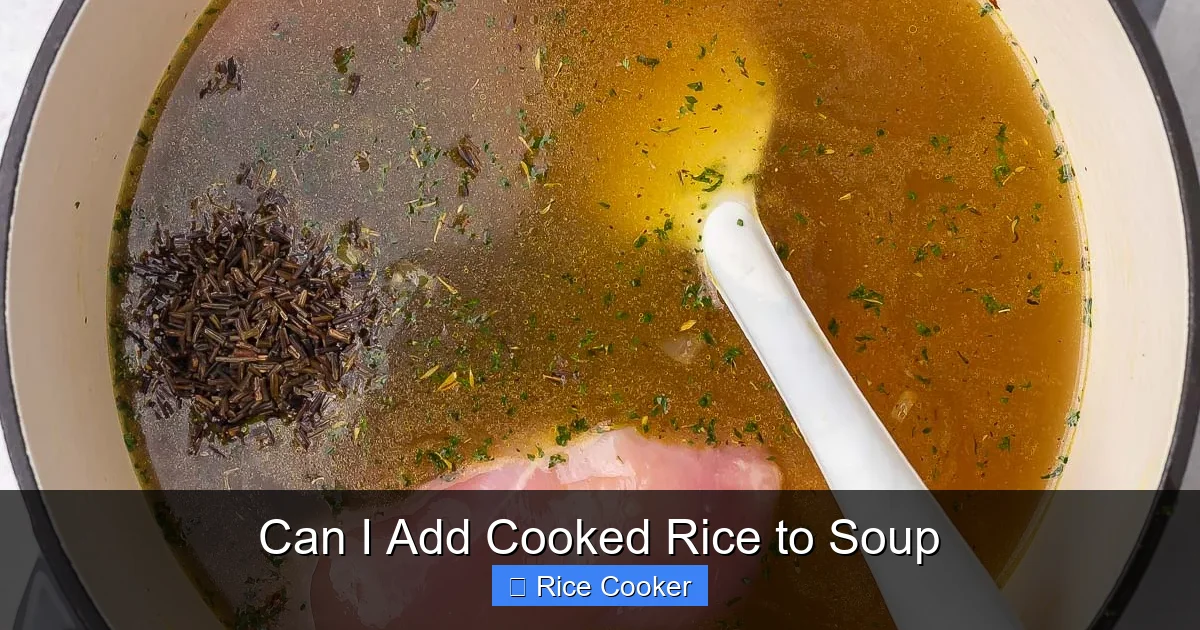
One of the most noticeable benefits of adding cooked rice to soup is its ability to thicken the broth naturally. If your soup feels too thin or watery, a handful of rice can help create a more satisfying mouthfeel. Unlike roux or flour-based thickeners, rice doesn’t alter the flavor profile and keeps the dish gluten-free if needed. Plus, as the rice sits in the hot broth, it releases starch gradually, giving the soup a soft, velvety finish.
Visual guide about Can I Add Cooked Rice to Soup
Image source: thereciperebel.com
2. Boosts Nutritional Value
Cooked rice isn’t just empty calories—it’s a good source of complex carbohydrates, which provide sustained energy. Brown rice, in particular, offers fiber, vitamins B1 and B6, and minerals like magnesium and manganese. When you add rice to soup, you’re turning a simple broth into a more balanced, filling meal. This is especially helpful for families, athletes, or anyone looking for nutritious comfort food.
3. Absorbs Flavor Beautifully
Rice has an amazing capacity to soak up flavors from the surrounding liquid. As it simmers in the soup, it picks up notes of herbs, spices, garlic, and vegetables. This means your rice doesn’t just sit there neutrally—it becomes part of the flavor experience. Imagine spoonfuls of fragrant ginger-infused rice in a Thai coconut soup or savory onion broth in French onion soup with tender grains of basmati.
4. Makes Soups More Filling
If you’ve ever eaten a bowl of clear broth without much substance, you know how quickly hunger returns. Adding cooked rice turns your soup into a complete meal. The combination of broth, protein (if included), and carbohydrates creates a satisfying, well-rounded dish. This is why rice-based soups like congee or minestrone are staples in so many cultures.
5. Uses Up Leftovers Efficiently
One of life’s little joys is putting leftovers to good use. Instead of letting rice go cold and stale, toss it into a pot of soup. Not only does this reduce food waste, but it also adds variety to your meals without extra effort. Whether you’re using day-old jasmine rice or leftover brown rice from dinner, it integrates seamlessly into new dishes.
Which Types of Rice Work Best in Soup?
White Rice vs. Brown Rice
Both white and brown rice can be used in soup, but they behave slightly differently. White rice cooks faster and stays firmer longer, making it ideal for quick soups where you don’t want the rice to dissolve. Brown rice, with its higher fiber content, takes longer to soften but adds a nutty flavor and chewy texture. It’s great in slow-cooked soups or stews where it has time to break down.
Long-Grain vs. Short-Grain Rice
Long-grain varieties like jasmine or basmati are less sticky and hold their shape better in soup, which is perfect for brothy dishes. Short-grain rice, such as sushi rice or arborio, tends to be stickier and works well in creamier soups like risotto-style broths or Vietnamese pho with rice noodles (though note: arborio is typically used for risotto, not regular soup).
Cooked vs. Instant Rice
Pre-cooked rice from the rice cooker, refrigerator, or microwave works perfectly. Just make sure it’s fully cooked through before adding it to the soup. Instant rice (like Minute Rice) can also be used, though it may become overly soft if left to simmer too long. For best results, add it during the last 5–10 minutes of cooking.
How to Properly Add Cooked Rice to Soup
Timing Is Everything
The golden rule when adding rice to soup is timing. Don’t dump uncooked rice into boiling broth—it will never cook evenly and may remain hard. Instead, add pre-cooked rice during the final stages of simmering. This allows it to warm through and absorb flavor without turning mushy. A general guideline: add rice 5–15 minutes before serving, depending on how firm you like it.
Reheating Tips
If you’re reheating soup with leftover rice, bring it to a gentle simmer—not a boil—to prevent the rice from breaking apart. Stir occasionally to distribute heat evenly. Covering the pot helps retain moisture and speeds up reheating.
Texture Control
Want firmer rice? Add it earlier in the cooking process. Prefer softer grains? Toss it in just before serving. You can also drain excess liquid from overcooked rice before adding it to prevent soup from becoming too thick.
Seasoning Considerations
Rice can dilute the seasoning of your soup, so taste as you go. If needed, adjust salt, pepper, or other spices after adding the rice. Some chefs even sauté the rice briefly with onions and garlic before adding liquid—this builds deeper flavor layers.
Global Examples of Rice in Soup
Asian Congee (Rice Porridge)
Congee is perhaps the most iconic example of rice in soup. Made by slowly simmering rice in water or broth until it breaks down into a creamy porridge, congee is eaten across Asia for breakfast or as a comforting sick-day meal. It’s often topped with eggs, ginger, scallions, or pickled vegetables.
Italian Minestrone
This classic Italian soup includes diced potatoes, beans, tomatoes, zucchini, and pasta—but many versions also call for small rice shapes called “risi e bisi” (rice and peas). The rice absorbs the rich tomato base and adds body to the dish.
Thai Tom Kha Gai
While traditionally made with coconut milk, ginger, lemongrass, and chicken, some home cooks add jasmine rice to thicken the soup. It’s not authentic, but it can create a heartier version that’s still flavorful and aromatic.
American Chicken Noodle Soup
Though most versions use pasta, you can swap it for rice if preferred—especially for kids who find pasta too slippery. White rice adds mild sweetness and soft texture to the comforting broth.
Common Mistakes to Avoid
Adding Raw Rice to Hot Soup
This is a frequent error. Raw rice needs consistent, dry heat to cook properly. In soup, it won’t get enough direct contact with heat and will stay undercooked. Always use pre-cooked rice.
Overcooking the Rice
If you leave rice simmering too long, it will break down into a gluey mass. Monitor closely and serve when grains are tender but still separate.
Using Too Much Rice
Rice expands when heated and absorbs liquid. Adding too much can make your soup overly dense. Start with a small amount (about ½ cup per quart of soup) and adjust to taste.
Neglecting Salt Balance
Rice dilutes seasoning. Taste your soup after adding rice and fix it if necessary. A splash of soy sauce, fish sauce, or extra herbs can revive the flavor.
Ignoring Texture Preferences
Some people prefer rice completely broken down (like in congee), while others like distinct grains. Choose based on personal preference and soup style.
Practical Tips for Using Your Rice Cooker
Cook Extra Rice for Future Use
If you plan to make multiple soups this week, cook a batch of rice ahead of time and store it in the fridge. It keeps for up to 5 days and integrates easily into future meals.
Flavor Infusion Method
For extra depth, cook rice in broth instead of water. Simply replace half the water with vegetable, chicken, or beef stock when steaming rice. This gives every grain a subtle background flavor.
Freezing Rice for Soup
Portion cooked rice into freezer-safe containers and freeze for up to 3 months. Thaw overnight in the fridge before adding to soup.
Quick Reheat Hack
To warm rice directly from frozen in soup, add it to the pot 10–15 minutes before serving. Stir frequently to prevent sticking.
Experiment with Rice Cooker Settings
Most rice cookers have settings for congee or porridge mode—use these for making rice-based soups like congee or creamy rice puddings. These modes maintain low heat for extended periods, perfect for softening rice gradually.
Creative Recipe Ideas Featuring Cooked Rice in Soup
Vegetable Lentil & Rice Soup
Combine cooked lentils, carrots, celery, onions, garlic, and diced tomatoes with vegetable broth. Add 1 cup cooked brown rice during the last 10 minutes of cooking. Season with thyme, bay leaf, and smoked paprika for warmth.
Miso Soup with Quinoa-Rice Blend
Instead of traditional tofu and seaweed, try a mix of cooked white rice and quinoa for added protein and texture. Whisk in miso paste just before serving to preserve its probiotic benefits.
Spicy Korean Kimchi Stew (Kimchi Jjigae) with Rice
Stir in ½ cup cooked sushi rice into your kimchi stew halfway through cooking. The rice balances the spice and makes the dish more substantial.
Butternut Squash & Rice Bisque
Roast butternut squash, then blend with broth, roasted garlic, and a touch of cream. Fold in cooked arborio or long-grain rice 5 minutes before serving for richness without heaviness.
Chicken & Wild Rice Soup
A Midwest favorite, this soup features shredded chicken, wild rice, mushrooms, and green onions in a savory broth. The wild rice adds earthy complexity and chewy texture.
Final Thoughts: Yes, Go Ahead!
So, can you add cooked rice to soup? Absolutely. It’s a simple, smart way to improve texture, nutrition, and overall satisfaction of your meals. Whether you’re using a rice cooker to prep ahead or tossing in leftovers, rice adapts beautifully to almost any broth-based dish. Just remember to use pre-cooked rice, pay attention to timing, and taste as you go.
Don’t be afraid to experiment. Try different rice varieties, regional inspirations, or seasonal vegetables to keep your soups exciting. And if you’ve got a rice cooker handy, take advantage of its convenience—it’s one of the easiest kitchen tools for preparing versatile, repeatable ingredients.
Next time you’re making soup, consider adding a cup of rice. Your taste buds (and stomach) will thank you.
Frequently Asked Questions
Can I add cold rice directly to boiling soup?
Yes, but only if it’s already cooked. Cold rice won’t cook further in hot soup and may remain underdone. Always use fully cooked rice to avoid texture issues.
Will rice make my soup too thick?
Possibly, if you add too much. Start with small amounts—about ½ cup per quart of soup—and adjust to your desired consistency. You can always thin it with more broth.
Is it okay to reuse rice from yesterday?
Absolutely! Refrigerated cooked rice is safe to use in soup within 5 days. Just reheat it gently in the broth to avoid clumping.
Can I add rice to cream-based soups?
Yes, especially with long-grain rice like jasmine or basmati. They hold their shape better than short-grain types in creamy liquids.
Does rice change the flavor of soup?
It absorbs and enhances existing flavors rather than overpowering them. Rice acts as a flavor sponge, enriching the overall taste experience.
What’s the difference between adding rice to soup vs. cooking rice in soup?
Adding pre-cooked rice preserves texture, while cooking rice directly in soup (like in congee) creates a smoother, porridge-like consistency. Both methods work—choose based on desired outcome.