
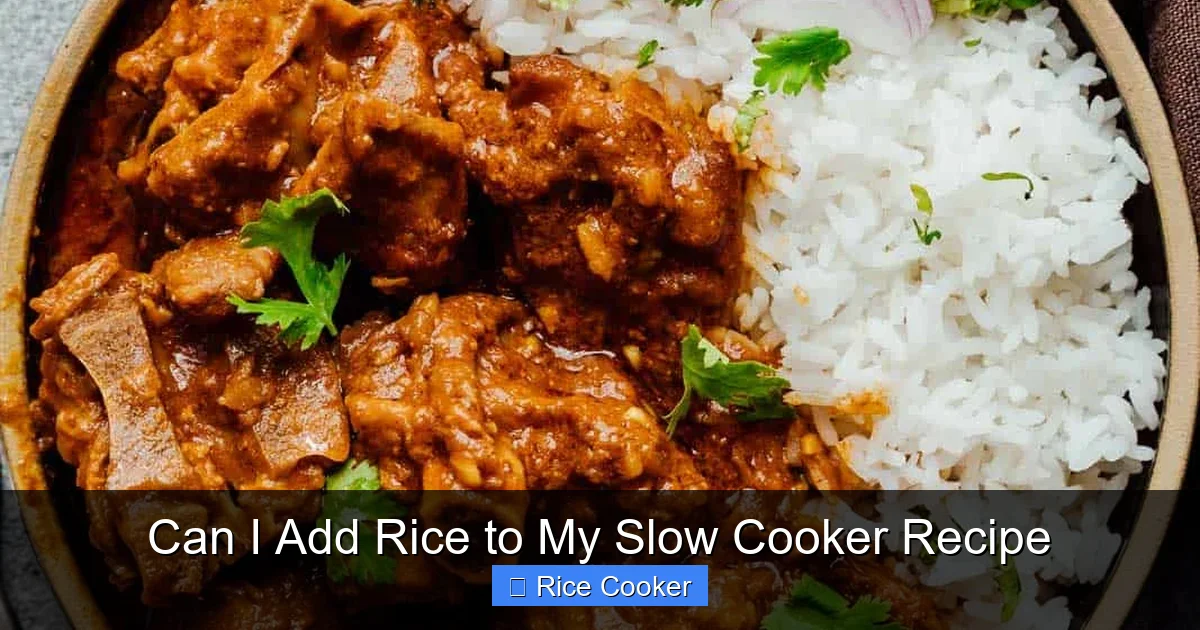
Can I add rice to my slow cooker recipe? The short answer is yes, but with the right technique. Adding rice to your slow cooker can create hearty, one-pot meals like stews, soups, and grain bowls—just avoid overcooking or letting it absorb too much liquid. With a few simple adjustments, you’ll get fluffy, flavorful results every time.
Adding rice to your slow cooker recipe might seem risky—after all, rice can easily turn into a gluey mess if overcooked or under-liquidized. But with the right approach, slow cooker rice dishes can be some of the most comforting, hands-off meals you’ll make. Whether you’re whipping up a creamy chicken and rice casserole or a vegetarian lentil and rice stew, understanding how rice behaves in a slow cooker is essential. This guide walks you through everything you need to know—from choosing the right type of rice to layering ingredients correctly and adjusting cooking times. By the end, you’ll feel confident adding rice to any slow cooker recipe and creating delicious, one-pot meals with minimal effort.
If you’ve ever wondered, “Can I add rice to my slow cooker recipe?”—the answer is yes, but not without a few smart techniques. Unlike boiling rice on the stove, where you have full control over heat and stirring, slow cookers work at low temperatures for extended periods. This means rice needs time to absorb moisture and soften gradually. The challenge? Avoiding both undercooked grains and a soupy, unappetizing dish. That’s why knowing the ideal rice-to-liquid ratio, cooking time, and preparation steps is crucial. In this article, we’ll break down each step so you can master rice in the slow cooker—no chef’s degree required.
Key Takeaways
- Rice can be cooked in a slow cooker—but timing and liquid ratios are key to avoiding mushy or undercooked grains.
- Pre-soaking rice helps reduce cooking time and ensures even texture in low-heat environments.
- Always use a 1:1.5 to 1:2 ratio of rice to liquid (water or broth) for best results in a slow cooker.
- Choose the right rice type—long-grain white rice works best; avoid sticky or highly absorbent varieties like sushi or arborio unless adjusted carefully.
- Layer ingredients properly to prevent dry or wet spots—add rice after liquids and proteins, not at the bottom.
- Keep an eye on consistency during the last 30–60 minutes to prevent overcooking.
- Slow cookers vary—adjust cooking times based on your model (e.g., 3 hours high vs. 6 hours low).
📑 Table of Contents
Can You Cook Rice in a Slow Cooker?
Yes, you can absolutely cook rice in a slow cooker. While many people prefer using a rice cooker for perfectly fluffy grains, the slow cooker is a fantastic alternative for one-pot meals. It’s especially useful when you want to prepare a full meal—like a chicken and rice dinner or a vegetable-packed soup—without standing over the stove. The slow cooker gently cooks rice over several hours, allowing flavors to meld beautifully. However, because slow cookers don’t generate direct heat like stovetop methods, rice takes longer to cook and requires careful attention to liquid levels and timing.
When cooking rice in a slow cooker, patience is key. Unlike quick-cooking methods such as microwave or stovetop boiling, the slow cooker’s gentle heat means rice needs time to absorb water and expand. Most recipes recommend cooking rice on low heat for 3 to 4 hours or high heat for 1.5 to 2 hours. The result? Tender, fully cooked grains that are easy to digest and pair well with rich sauces and proteins. Just remember: too little liquid leads to dry, hard rice, while too much makes it mushy. Balancing these elements is where the magic happens.
Why Use a Slow Cooker Instead of a Rice Cooker?
Many home cooks assume that a rice cooker is the only appliance that can handle rice properly. But here’s the truth: a slow cooker can do just as good a job—especially when you’re making meals that combine rice with other ingredients. For example, a slow cooker version of fried rice or a creamy risotto-style dish can yield impressive results. Plus, slow cookers are great for meal prep. You can throw in everything at once, set it, and come back to a ready-to-eat meal. They also help infuse rice with deep, savory flavors from broths, herbs, and proteins—something that’s harder to achieve in a standard rice cooker.
Another benefit? Versatility. A rice cooker typically handles only rice, while a slow cooker can cook grains, stews, soups, and even desserts. So if you’re already using your slow cooker for chili or pulled pork, adding rice at the right time creates a complete meal. Just be mindful of the differences in texture. Slow cooker rice tends to be softer and more absorbent than stovetop rice, which is perfect for pilafs or grain bowls but may not suit dishes requiring firm, separate grains.
Choosing the Right Type of Rice
Not all rice is created equal, especially when cooking in a slow cooker. The type of rice you choose affects how it absorbs liquid, cooks, and ultimately tastes in your dish. For best results, stick with long-grain white rice such as Jasmine or Basmati. These varieties hold their shape well and don’t become overly sticky when cooked slowly. They also have a neutral flavor that allows other ingredients to shine.
Avoid short-grain or glutinous rice (like sushi or sticky rice) unless you’re prepared to adjust the liquid ratio significantly. These types tend to clump together when cooked slowly and are better suited for steaming or quick-cooking methods. Similarly, brown rice takes much longer to cook and may require pre-soaking or extra liquid. While possible, brown rice in a slow cooker often results in uneven texture—some grains soft, others still chewy. If you do use brown rice, cook it on low for 4 to 5 hours and monitor closely.
Popular Rice Varieties for Slow Cooking
- Jasmine Rice: Fragrant and slightly sticky, but manageable in a slow cooker with proper liquid.
- Basmati Rice: Light, fluffy, and aromatic—ideal for pairing with curries or stews.
- Long-Grain White Rice: Most reliable option; cooks evenly and holds shape.
- Cooked Rice (Leftovers): Can be added later to avoid overcooking—great for reheating in broth.
Preparing Rice for Your Slow Cooker Recipe
Proper preparation is half the battle when cooking rice in a slow cooker. Unlike boiling rice, which requires rinsing to remove excess starch, slow cooker rice benefits from being rinsed first. This removes surface starch that can cause clumping. Rinse the rice under cold water until the water runs clear—this usually takes about 2–3 rinses. Then drain well before measuring.
Some chefs recommend soaking rice for 15–30 minutes before cooking. This step isn’t mandatory, but it helps reduce cooking time and ensures more uniform softening. Simply place rinsed rice in a bowl, cover with water, and let sit while you prepare other ingredients. After soaking, drain again and proceed with your recipe.
Step-by-Step Rice Prep
- Rinse rice under cold water until water is clear.
- Drain thoroughly using a fine-mesh strainer.
- (Optional) Soak rice for 15–30 minutes.
- Measure rice accurately—don’t guess!
- Add to slow cooker at the correct stage (usually after liquids and proteins).
Best Practices for Adding Rice to Slow Cooker Recipes
Now comes the fun part: actually adding rice to your slow cooker. Timing and placement matter. Never put raw rice directly on top of meat or vegetables at the bottom of the pot. Instead, layer it above the liquids and below other ingredients. This prevents dry pockets and ensures even cooking. A good rule of thumb: add rice after you’ve poured in broth, stock, or sauce—then top with meat, beans, or veggies.
Use a 1:1.5 to 1:2 ratio of rice to liquid. For example, 1 cup of rice needs 1.5 to 2 cups of liquid. This accounts for absorption and evaporation during slow cooking. Too little liquid? Rice dries out. Too much? It turns into porridge. Start with 1.5 cups per cup of rice and adjust based on your recipe’s needs.
Sample Layering Technique
For a chicken and rice dinner:
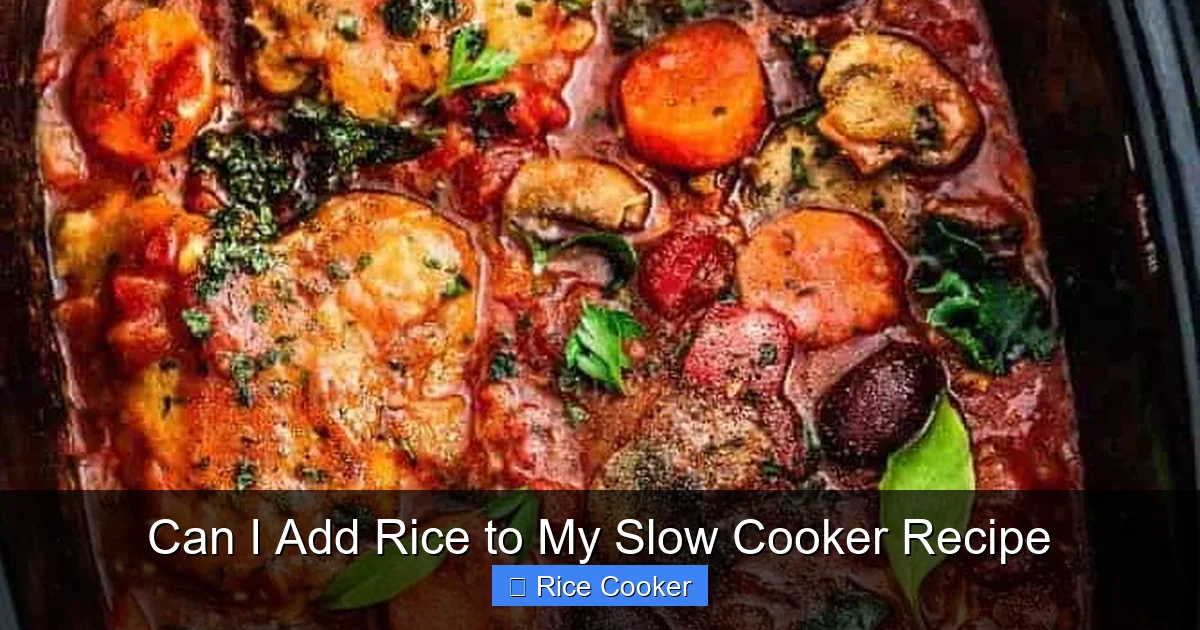
Visual guide about Can I Add Rice to My Slow Cooker Recipe
Image source: therecipecritic.com
- Start with sliced onions and garlic at the bottom.
- Add diced chicken thighs.
- Pour in chicken broth (about 3 cups total).
- Add rinsed rice on top of the broth.
- Season with salt, pepper, and herbs.
- Cook on low for 3–4 hours.
Cooking Times and Temperature Settings
One of the biggest challenges with slow cooker rice is getting the timing right. Because slow cookers operate at lower temperatures than stovetops, rice takes longer to cook. High settings (around 300°F) can cook rice in 1.5 to 2 hours, while low settings (around 200°F) take 3 to 4 hours. However, these times are approximate—factors like lid tightness, ingredient density, and altitude can affect results.
To test doneness, taste a grain near the end of cooking. It should be tender but not mushy. If it’s still hard, cover and cook 30 minutes longer. If it’s too soft, you can stir in a small amount of hot water or broth to balance the texture. Keep in mind that rice continues to cook slightly after turning off the slow cooker, so err on the side of slightly firmer grains if unsure.
Recommended Cooking Times by Setting
| Setting | Time (Rice Only) | Time (Mixed Recipe) |
|---|---|---|
| High | 1.5–2 hours | 2–2.5 hours |
| Low | 3–4 hours | 3.5–4.5 hours |
Troubleshooting Common Issues
Even with the best intentions, things can go wrong. Here’s how to fix common slow cooker rice problems:
Mushy Rice
This usually happens when there’s too much liquid or cooking time is excessive. To fix it, stir in a small amount of hot water or broth to loosen the texture. Alternatively, fluff with a fork and serve immediately—sometimes it’s just a matter of presentation.
Undercooked Rice
If rice is still hard in the center, add ½ cup of hot liquid, stir gently, cover, and cook 20–30 minutes longer. Avoid opening the lid frequently, as steam escapes and slows cooking.
Grains Sticking to the Bottom
Ensure the slow cooker base has enough liquid before adding rice. Scraping stuck rice is frustrating—so prevent it by using a non-stick insert or greasing the pot lightly before starting.
Uneven Texture
This often occurs with large batches or dense ingredients blocking airflow. Stir occasionally during the final hour if possible, or break up clumps with a spoon before serving.
Creative Slow Cooker Rice Recipes
Once you’ve mastered the basics, the possibilities are endless. Try these creative ideas:
Chicken and Wild Rice Soup
Combine shredded chicken, wild rice, carrots, celery, and thyme in a slow cooker. Cook on low for 4–5 hours until rice is tender. Finish with cream or milk for richness.
Mexican Rice and Beans
Sauté onion and garlic, then add diced tomatoes, rice, black beans, cumin, and oregano. Cook on low for 3 hours. Top with avocado and cilantro.
Vegetable Curry with Basmati
Layer coconut milk, basmati rice, cauliflower, peas, and curry powder. Cook on high for 2–3 hours until rice is fragrant and tender.
One-Pot Jambalaya
A Louisiana favorite: add smoked sausage, shrimp, bell peppers, onions, rice, and Cajun seasoning. Cook on low for 3 hours for a flavorful, complete meal.
Tips for Success
- Don’t skip rinsing: Removes excess starch and prevents gummy rice.
- Use a timer: Set alerts to check rice halfway through cooking.
- Prep ahead: Chop vegetables, measure rice, and assemble ingredients before starting.
- Experiment with broths: Chicken, vegetable, or beef broth adds depth to rice.
- Serve immediately: Slow cooker rice is best enjoyed fresh—leftovers may become soggy.
Frequently Asked Questions
Can I cook rice in a slow cooker on high heat?
Yes, you can cook rice in a slow cooker on high heat, but it typically takes 1.5 to 2 hours. High heat speeds up cooking, but monitor closely to avoid overcooking or drying out the rice.
How much liquid do I need for rice in a slow cooker?
Use a 1:1.5 to 1:2 ratio of rice to liquid (water or broth). For example, 1 cup of rice needs 1.5 to 2 cups of liquid. Adjust based on your recipe and desired consistency.
Should I soak rice before putting it in the slow cooker?
Soaking rice for 15–30 minutes is optional but helpful. It reduces cooking time and ensures more even softening. Just rinse first, then soak before draining and adding to the slow cooker.
Can I add cooked rice instead of uncooked?
Yes! Add cooked rice during the last 30–60 minutes of cooking so it heats through and absorbs flavors without becoming mushy. Great for soups or reheating leftovers.
What type of rice works best in a slow cooker?
Long-grain white rice like Jasmine or Basmati works best. These types hold their shape and cook evenly. Avoid sticky or short-grain rice unless you adjust the liquid and time carefully.
How do I prevent rice from sticking in the slow cooker?
Ensure there’s enough liquid at the bottom before adding rice. Use a non-stick slow cooker insert or lightly grease the pot. Also, avoid overcrowding and stir gently if needed during cooking.