
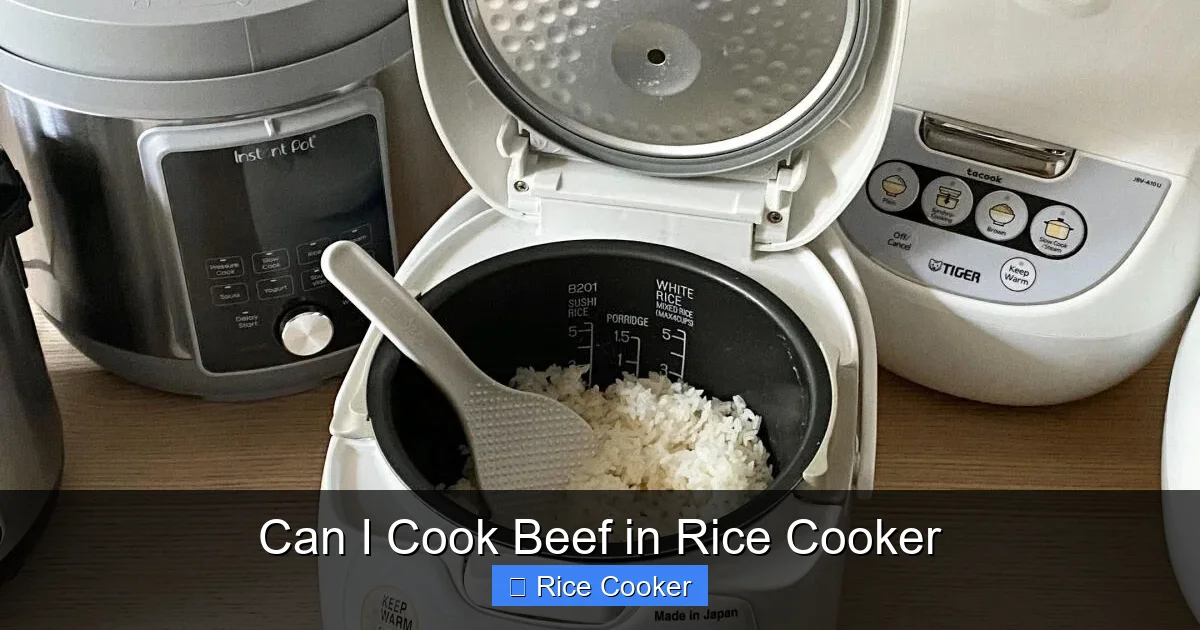
Can I cook beef in a rice cooker? Absolutely! With the right ingredients and techniques, your rice cooker becomes a versatile tool for creating flavorful, tender beef meals—no stovetop required. From stews to shredded beef tacos, this simple method saves time while delivering delicious results every time.
Key Takeaways
- Understanding can i cook beef in rice cooker: Provides essential knowledge
📑 Table of Contents
- Can I Cook Beef in a Rice Cooker? Absolutely—and It’s Easier Than You Think!
- The Science Behind Cooking Beef in a Rice Cooker
- Best Cuts of Beef for Rice Cooker Cooking
- Essential Ingredients and Equipment You’ll Need
- Step-by-Step Guide: How to Cook Beef in a Rice Cooker
- Delicious Recipe Ideas to Try Today
- Common Mistakes to Avoid
- Tips for Perfect Every Time
- Conclusion: Your Rice Cooker Just Got Upgraded
Can I Cook Beef in a Rice Cooker? Absolutely—and It’s Easier Than You Think!
Have you ever looked at your trusty rice cooker and wondered, “Is there anything else I can make with this thing?” Well, buckle up—because yes, you can definitely cook beef in a rice cooker! In fact, many home cooks don’t realize just how versatile these appliances are. While their name suggests they’re only for grains, modern rice cookers (especially the newer models with programmable settings) can handle everything from soups to steamed vegetables to fall-apart-tender beef.
Cooking beef in a rice cooker isn’t about high heat or flash frying—it’s all about gentle, consistent moisture and temperature control. The sealed environment traps steam, which slowly breaks down connective tissues in tougher cuts of meat, turning them into melt-in-your-mouth delights. Whether you’re making a cozy beef stew on a rainy day or prepping pulled beef for tacos, your rice cooker has got you covered. Plus, there’s zero guesswork involved. Just add ingredients, press start, and let science do the rest.
The Science Behind Cooking Beef in a Rice Cooker
How Moist Heat Transforms Tough Cuts
Not all beef is created equal—some cuts are naturally lean and best suited for quick grilling or stir-frying, while others, like chuck roast or brisket, are rich in collagen and tough fibers. These need time to break down, which usually means long, slow cooking. That’s where your rice cooker shines. By maintaining a steady simmer (usually around 195–212°F depending on altitude), the moist environment softens muscle fibers and dissolves collagen into gelatin, resulting in incredibly tender meat.
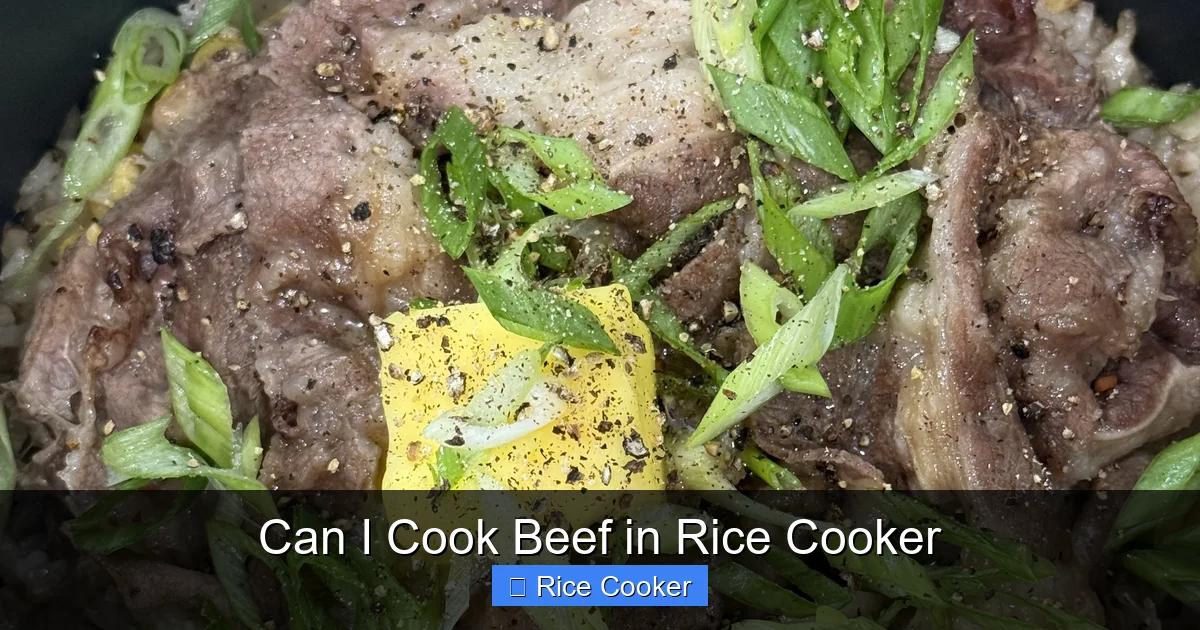
Visual guide about Can I Cook Beef in Rice Cooker
Image source: blosseats.com
This process is essentially braising without the hassle. Normally, braising requires browning the meat first in a hot pan, then transferring everything to a Dutch oven with liquid and letting it cook for hours. But in a rice cooker, you can skip the stovetop entirely—just sear if desired, then toss in aromatics, liquid, and seasonings before closing the lid.
Temperature Control and Steam Power
Rice cookers operate on precise temperature regulation. Once they reach boiling point, they cycle between heating and holding modes to keep food warm until manually turned off. This consistency prevents overcooking or drying out—a common pitfall when trying to replicate stove-top methods. The trapped steam also acts like a natural pressure cooker, gently cooking the beef evenly from the inside out.
Most standard rice cookers use around 3–4 cups of liquid for every pound of meat, but this varies by recipe. The goal is always to maintain enough water to create steam without drowning your dish. Think of it like cooking rice—too much water = mushy rice; too little = burnt bottom. Same principle applies here!
Best Cuts of Beef for Rice Cooker Cooking
Tougher Cuts That Shine
If you want the most dramatic transformation from chewy to fork-tender, go for collagen-rich cuts. These include:
- Brisket: Perfect for barbecued beef or shredded tacos.
- Chuck Roast: Great for stews, pot roasts, or beef ragu.
- Short Ribs: Ideal for rich, saucy dishes like Korean-style short rib stew.
- Flank Steak or Skirt Steak: Best if sliced thin and marinated beforehand—they’ll stay juicy even after long cooking.
These cuts contain more connective tissue, so they benefit greatly from slow, moist cooking. After hours in the rice cooker, they practically fall apart at the touch of a fork.
Lighter Cuts: Use with Care
Leaner cuts like sirloin or tenderloin won’t improve much during extended cooking—they’re already tender. However, you can still use them in recipes that call for slicing thin after cooking, such as Korean bulgogi beef or fajita fillings. Just be sure not to overcook them, or they’ll turn rubbery.
A helpful tip? Always sear your beef before adding it to the rice cooker. Even a quick 2-minute sear on high heat adds depth of flavor through the Maillard reaction—that delicious browning that builds complex flavors. You can do this in a skillet while your rice cooker preheats (if it has a keep-warm function), or use oil in the rice cooker pot if yours has a sauté mode.
Essential Ingredients and Equipment You’ll Need
Basic Setup
You don’t need fancy gadgets to get started. All you really need is:
- A standard electric rice cooker (with at least a 6-cup capacity)
- Nonstick inner pot (most come with this)
- Fresh beef cut into chunks or strips
- Liquid (broth, wine, soy sauce, etc.)
- Aromatics (onions, garlic, ginger)
- Seasonings (salt, pepper, herbs, spices)
Optional but helpful: a thermometer (to check internal temp), wooden spoon (for stirring), and tongs (for handling hot meat).
Choosing the Right Liquid
The liquid you choose affects both flavor and texture. Broth adds richness, wine brings acidity, and soy sauce or fish sauce contribute umami. For Asian-inspired dishes, try using dashi or coconut milk. Aim for a ratio of about 3–4 cups liquid per pound of beef, adjusting based on desired thickness of sauce.
Pro tip: If your rice cooker lacks a sauté function, lightly toast onions and garlic in a separate pan before adding them to the pot. This prevents burning and boosts flavor complexity.
Step-by-Step Guide: How to Cook Beef in a Rice Cooker
Preparation Phase
- Prepare Your Ingredients: Cut beef into uniform pieces (about 1–2 inches). Pat dry with paper towels—this helps with searing later.
- Sear the Beef: Heat oil in the rice cooker pot over medium-high (or use a skillet). Brown beef on all sides for 2–3 minutes per side. Remove and set aside.
- Add Aromatics: Sauté onions, garlic, and ginger until fragrant (1–2 minutes).
- Return Meat & Add Liquids: Place beef back in pot. Pour in broth, wine, or other liquids until meat is mostly submerged.
- Season Generously: Add salt, pepper, bay leaves, star anise, or whatever suits your recipe.
Cooking Phase
- Start the Cook Cycle: Close lid and select “Cook” or “Manual” mode. Most beef dishes take 60–90 minutes on high heat.
- Check Midway (Optional): Some models allow you to open the lid during cooking. If your meat looks dry, add a splash more liquid.
- Test for Doneness: Insert a fork—it should slide in easily. Internal temperature should reach at least 190°F for shredded meat or 160°F for sliced.
- Rest Before Serving: Let stand for 10 minutes. This redistributes juices and makes shredding easier.
Once done, remove beef, strain excess liquid if desired, and serve as-is or shredded into bowls with rice, noodles, or tortillas.
Delicious Recipe Ideas to Try Today
Korean Bulgogi Beef (Sweet & Savory)
This crowd-pleasing dish features thinly sliced beef marinated in soy sauce, brown sugar, garlic, pear juice, and sesame oil. After marinating for at least 30 minutes, transfer everything to the rice cooker with a cup of water or beef broth. Cook for 45–60 minutes until tender. Serve over rice with kimchi and scallions.
Mexican Adobo Beef
Combine cubed chuck roast with canned chipotle peppers in adobo sauce, tomatoes, onion, cumin, and oregano. Cook for 75 minutes until meat shreds easily. Spoon over corn tortillas or mix with beans for a hearty dinner.
Beef & Barley Stew
A comforting classic! Sear beef cubes, add diced carrots, celery, onion, pearl barley, and beef stock. Season with thyme and bay leaf. Cook for 80 minutes. Garnish with parsley before serving.
Asian-Inspired Braised Short Ribs
Use bone-in short ribs for maximum flavor. Marinate in soy sauce, Shaoxing wine, ginger, and five-spice powder. Simmer with bamboo shoots and mushrooms for 90 minutes. The result? Deeply savory, fall-off-the-bone tenderness.
Common Mistakes to Avoid
Using Too Little Liquid
This is the #1 reason people end up with dry, tough beef. Remember: rice cookers rely on steam, so you need enough liquid to generate it. As a rule, aim for at least halfway coverage of your meat.
Overcrowding the Pot
Cooking too much at once restricts airflow and reduces steam efficiency. Stick to one pound of beef at a time unless you have a large-capacity model (8+ cups).
Skipping the Sear
While not mandatory, searing builds flavor. Without it, your beef may taste bland, especially if using plain water instead of broth or wine.
Opening the Lid Too Often
Every time you lift the lid, heat escapes. This extends cooking time and can cause uneven results. Only peek near the end if necessary.
Not Resting the Meat
Rushing to shred or serve means missing out on juiciness. Always let beef rest briefly after cooking—it makes a noticeable difference in texture.
Tips for Perfect Every Time
- Use a Meat Thermometer: Ensures doneness without over-testing.
- Layer Flavors: Add hardy vegetables (carrots, potatoes) early; delicate ones (zucchini, spinach) toward the end.
- Thicken Sauces Off-Heat: Mix flour or cornstarch slurry into strained liquid, then return to pot briefly to thicken.
- Repurpose Leftovers: Shredded beef works great in sandwiches, wraps, omelets, or grain bowls.
- Clean Immediately: Starchy residues or protein buildup can stain nonstick coating if left sitting.
Conclusion: Your Rice Cooker Just Got Upgraded
So, can you cook beef in a rice cooker? The answer is a resounding yes—and once you try it, you’ll wonder why you didn’t start sooner. This humble kitchen appliance transforms ordinary ingredients into restaurant-quality meals with minimal effort. No more babysitting pots on the stove, no more scrubbing burnt pans. Just prep, press, and enjoy.
Whether you’re whipping up a quick weeknight dinner or impressing guests with a homemade beef stew, your rice cooker is ready for the task. Experiment with different cuts, seasonings, and global cuisines. The possibilities are endless—and delicious.
Next time you open your pantry and see a package of beef chuck staring back at you, remember: that tough-looking cut could become the star of your next meal. All it takes is a little confidence, some liquid, and your trusty rice cooker.
Frequently Asked Questions
Can I cook frozen beef in a rice cooker?
It’s possible, but not recommended. Frozen beef increases cooking time significantly and can lead to uneven results. Always thaw completely first for best texture and safety.
Do I need to brown the beef before cooking?
No, but it adds flavor. Browning creates a Maillard reaction that deepens taste. If you skip it, use richer liquids like broth or wine to compensate.
How long does beef take to cook in a rice cooker?
Typically 60–90 minutes for most cuts. Tougher cuts like brisket may need up to 2 hours. Check internal temperature—190°F ensures shreddability.
Can I cook rice and beef together in the same pot?
Yes! Add rice after browning meat and before adding liquid. Follow rice cooker instructions for grain-based cooking cycles. Be mindful of ratios—more liquid than usual needed.
What if my rice cooker doesn’t have a sauté function?
Pre-sauté aromatics in a separate pan before adding to the rice cooker. This prevents burning and ensures even flavor distribution.
Can I make shredded beef tacos in a rice cooker?
Absolutely! Use chuck roast or brisket with taco seasoning, salsa, and lime juice. Cook for 75–90 minutes, then shred and serve in tortillas with toppings.