
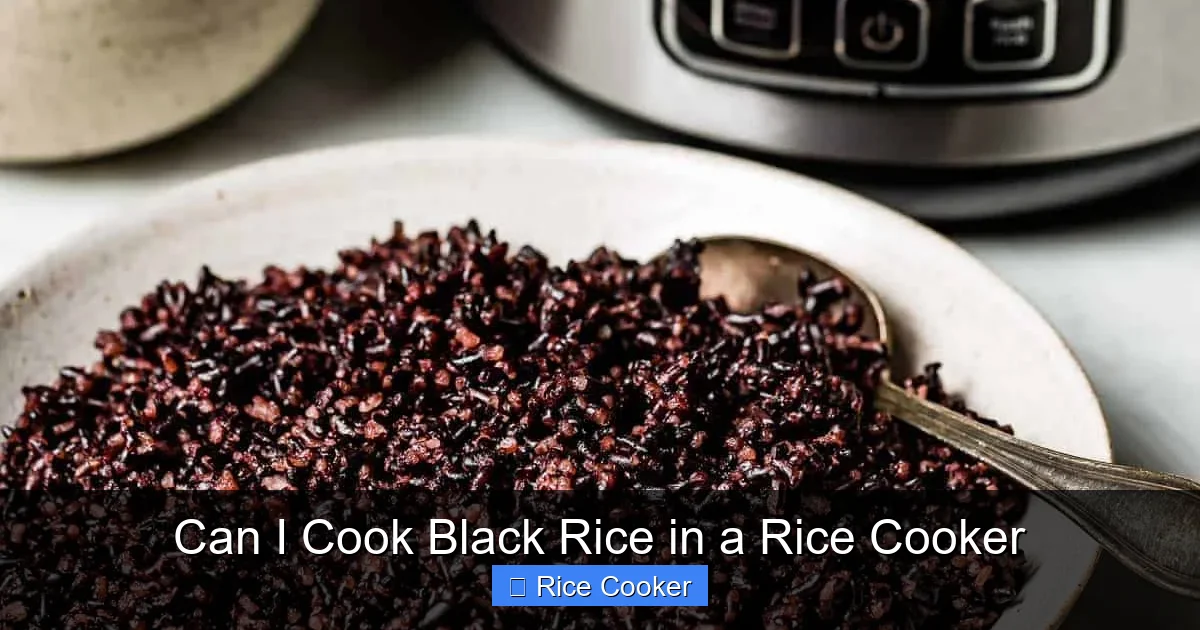
Can I cook black rice in a rice cooker? Absolutely! Black rice, also known as forbidden or purple rice, is not only delicious but also packed with antioxidants and fiber. With the right water-to-rice ratio and a few simple tips, your rice cooker can produce tender, flavorful grains every time. Whether you’re new to cooking this ancient grain or just looking for a foolproof method, this guide will walk you through everything you need to know—from rinsing techniques to soaking times and troubleshooting common issues. Let’s get cooking!
Key Takeaways
- Yes, you can cook black rice in a rice cooker. It’s one of the easiest and most reliable ways to prepare this nutty, chewy grain.
- Use a 2:1 water-to-rice ratio. This ensures the grains don’t become too mushy or too dry.
- Soak the rice before cooking. Soaking for 30 minutes to 1 hour helps reduce cooking time and improves texture.
- Rinse thoroughly to remove excess starch. This prevents clumping and helps achieve a cleaner, fluffier result.
- Let the rice rest after cooking. A 5–10 minute steam hold allows moisture to distribute evenly.
- Clean your rice cooker promptly. Black rice tends to stain, so wipe the inner pot while it’s still warm.
- Experiment with flavors. Add a pinch of salt, a splash of coconut milk, or herbs for extra taste.
[FEATURED_IMAGE_PLACEHOLDER]
Introduction
Have you ever stood in your kitchen wondering whether that mysterious, dark-hued grain labeled “black rice” on the grocery shelf is worth trying? Or maybe you’ve already bought it—only to find out it takes forever to cook on the stovetop and turns out either too hard or too gluey? If so, you’re not alone. Black rice, often called forbidden rice because emperors once reserved it for royalty, has made a comeback thanks to its impressive health benefits and striking color. But here’s the good news: you absolutely can cook black rice in a rice cooker, and doing so might just revolutionize how you think about whole grains.
A rice cooker does more than boil water and steam rice—it’s a smart, automated kitchen companion designed specifically for grains like black rice. With consistent heat and precise timing, these appliances deliver consistently fluffy results without constant monitoring. Unlike traditional methods where you risk burning or undercooking, a rice cooker handles all the guesswork. Plus, black rice responds beautifully to controlled hydration, making it ideal for this type of cooking.
In this comprehensive guide, we’ll dive into everything you need to know about cooking black rice in a rice cooker—from understanding what makes black rice unique to step-by-step instructions, pro tips, and even recipe ideas. Whether you’re preparing it as a side dish, adding it to salads, or using it as a base for bowls, mastering this process will open up a world of culinary possibilities. So grab your rice cooker, measure out some black rice, and let’s get started!
Understanding Black Rice
Before we jump into the how-to, it’s helpful to understand why black rice deserves a spot in your pantry—and your meals. Also known as Oryza sativa L. ssp. indica, black rice is an ancient grain native to China and parts of Southeast Asia. Its deep purple-black hue comes from high levels of anthocyanins, powerful antioxidants linked to reduced inflammation and improved heart health.
The Health Benefits of Black Rice
Beyond its eye-catching appearance, black rice is a nutritional powerhouse. It’s naturally gluten-free, rich in protein (about 4 grams per cooked cup), and contains more fiber than white rice—perfect for digestive health. Studies suggest that anthocyanins may help lower cholesterol and support brain function. Compared to brown rice, black rice has a slightly sweeter, nuttier flavor and chewier texture, which many people find more satisfying.
Common Varieties of Black Rice
Not all black rice is created equal. You’ll likely encounter two main types at the store:
- Japonica Black Rice: Grows in cooler climates and produces shorter, rounder grains that tend to be stickier when cooked. Popular in Asian cuisines.
- Indica Black Rice: Found in tropical regions, this variety yields longer, slender grains with a firmer bite. Often used in pilafs and grain bowls.
Both work well in a rice cooker, though japonica varieties may require slightly less water due to their higher starch content.
Why Use a Rice Cooker for Black Rice?
If you’ve tried boiling black rice on the stove before, you might remember the struggle: endless stirring, uncertain timing, and unpredictable outcomes. That’s where a rice cooker shines. These appliances are engineered to maintain steady temperatures throughout the cooking cycle, ensuring even heat distribution and consistent results every time.
Consistent Texture Every Time
One of the biggest advantages of using a rice cooker is reliability. No more guessing if your rice is done. Once you set the right water level and press start, the machine does the rest—turning off automatically when the job’s complete. For black rice, which can be finicky, this consistency is invaluable.
Saves Time and Effort
Unlike stovetop methods that demand attention, a rice cooker lets you prep other ingredients while the rice cooks. Many modern models even come with delay timers, allowing you to schedule cooking hours in advance—ideal for busy mornings or dinner prep.
Prevents Overcooking and Burning
Stovetops can easily scorch the bottom of the pot if left unattended, especially with low-moisture grains like black rice. A rice cooker’s sealed environment eliminates hot spots and reduces the risk of burning, resulting in cleaner-tasting grains.
Easy Cleanup
Most rice cookers have non-stick inner pots that make cleanup a breeze. Just rinse and wipe—no scrubbing required. This is particularly helpful since black rice can leave stubborn stains if allowed to dry on surfaces.
Step-by-Step Guide: How to Cook Black Rice in a Rice Cooker
Ready to give it a try? Follow these simple steps for foolproof, restaurant-quality black rice every single time.
What You’ll Need
- 1 cup uncooked black rice
- 2 cups water (or broth for added flavor)
- Optional: pinch of salt, butter, or olive oil
- Rice cooker with measuring cup or scale
Step 1: Rinse the Rice Thoroughly
Place the black rice in a fine-mesh strainer and run cool water over it for 1–2 minutes. Swish gently with your fingers to remove surface starch. Rinsing prevents clumping and helps achieve a lighter, fluffier texture.
Step 2: Soak (Optional but Recommended)
While not mandatory, soaking black rice for 30–60 minutes softens the hull and shortens cooking time. Simply place rinsed rice in a bowl, cover with water, and let it sit. Drain before transferring to the rice cooker.
Step 3: Measure Water Accurately
For most rice cookers, use a 2:1 water-to-rice ratio. That means 2 cups of liquid per 1 cup of dry rice. Adjust slightly if your cooker is older or runs hotter—some users prefer 1.8:1 for firmer grains.
Step 4: Add Rice and Liquid to the Cooker
Transfer drained rice to the inner pot. Pour in the measured water. If desired, add a pinch of salt or a teaspoon of oil to enhance flavor and prevent sticking.
Step 5: Start Cooking
Close the lid securely and select the standard “white rice” or “brown rice” setting if available. Most rice cookers default to this mode automatically. Press start and wait—usually 30–40 minutes total.
Step 6: Rest and Fluff
Once the cycle ends, let the rice sit covered for 5–10 minutes. This allows steam to redistribute moisture evenly. Then gently fluff with a fork before serving.
Pro Tips for Perfect Black Rice
Even with perfect technique, small tweaks can elevate your results. Here are some expert-recommended tips to take your black rice game to the next level.
Use Broth Instead of Water
Swap plain water for vegetable, chicken, or mushroom broth to infuse subtle savory notes. The extra depth of flavor pairs especially well with stir-fries or grain bowls.
Add a Pinch of Salt or Sweetener
Black rice has a naturally mild sweetness, but a tiny bit of salt balances its earthiness. Alternatively, try a dash of honey or maple syrup for a dessert-style version.
Don’t Overfill the Cooker
Stick to no more than half the capacity of your rice cooker. Overcrowding leads to uneven cooking and mushy grains. If you need to make large batches, cook in multiple rounds.
Check Doneness Early
Some rice cookers have a “keep warm” function that extends cooking time. If your model lacks temperature control, consider checking the rice halfway through by poking with a fork. It should be tender but still have a slight bite.
Store Leftovers Properly
Cooked black rice keeps well in an airtight container in the fridge for up to 5 days. Reheat with a splash of water or milk to restore moisture.
Troubleshooting Common Issues
Despite its reputation for being tricky, black rice shouldn’t give you trouble—especially in a rice cooker. But if you run into problems, here’s how to fix them.
Problem: Rice Is Too Dry or Mushy
Cause: Too little water or overcooking.
Fix: Increase water by ¼ cup next time. Also, avoid opening the lid during cooking, as this releases steam and extends cycle time.
Problem: Grains Are Sticky or Clumpy
Cause: Insufficient rinsing or overcrowding.
Fix: Rinse until water runs clear. Ensure only one layer of rice in the pot.
Problem: Color Fades After Cooking
Cause: Exposure to high acidity or prolonged heat.
Fix: Cook on low heat settings and serve immediately. Anthocyanins degrade over time, so freshness matters.
Problem: Rice Cooker Smells Like Burnt Food
Cause: Residue buildup inside the pot.
Fix: Clean the inner pot immediately after each use. A quick soak in warm, soapy water dissolves stubborn stains.
Creative Ways to Serve Black Rice
Black rice isn’t just for sides—it’s incredibly versatile. Here are some delicious ways to enjoy it beyond plain servings.
Grain Bowls
Top cooked black rice with roasted vegetables, grilled chicken, avocado, and tahini dressing. It makes a hearty, Instagram-worthy meal.
Sushi Rolls
Substitute regular rice with black rice for vibrant purple sushi. Note: it takes longer to cool and may require a bit more vinegar seasoning.
Desserts
Mix black rice with coconut milk, cinnamon, and dates for a creamy pudding. Chill overnight for a healthy breakfast treat.
Stuffed Peppers or Tomatoes
Use black rice as a filling for bell peppers or tomatoes along with beans, corn, and cheese. Bake until tender.
Salads
Cold leftover black rice makes a fantastic base for tabbouleh or Mediterranean salads with cucumber, tomato, and feta.
Frequently Asked Questions
How much water do I use for black rice in a rice cooker?
Use a 2:1 ratio—two cups of water for every cup of dry black rice. Adjust slightly based on your cooker model and desired texture.
Do I need to soak black rice before cooking?
Soaking is optional but recommended. It softens the outer hull and reduces cooking time. Soak for 30–60 minutes before rinsing and cooking.
Can I cook black rice in a slow cooker instead?
Yes, but it requires longer cooking times (around 90 minutes on high) and more frequent stirring to prevent sticking.
Why is my black rice turning brown after cooking?
This is normal! Anthocyanins react with air and heat, causing the color to fade slightly. The grain remains safe to eat and retains its nutrients.
Can I freeze cooked black rice?
Absolutely. Portion it into freezer-safe containers and store for up to 3 months. Thaw in the fridge overnight before reheating.
Is black rice healthier than brown rice?
Yes! Black rice contains significantly more antioxidants, fiber, and protein than brown rice, making it a superior choice for overall wellness.
Conclusion
So, can you cook black rice in a rice cooker? Without a doubt—yes! This ancient grain, once reserved for kings, is now accessible to everyone thanks to modern kitchen appliances like rice cookers. With just a few simple steps—rinse, measure, press start—you can enjoy perfectly cooked, nutrient-dense black rice that’s as beautiful as it is delicious.
Whether you’re feeding a family, meal-prepping for the week, or experimenting with global flavors, mastering black rice opens up endless creative possibilities. From savory grain bowls to sweet desserts, this versatile ingredient fits into nearly any diet or lifestyle. And the best part? No more guessing games or burnt pots. Your rice cooker does the heavy lifting, delivering consistent, foolproof results every time.
Next time you see black rice at the store, don’t hesitate. Bring it home, fire up your rice cooker, and discover why this dark gem has captivated food lovers around the world. Trust us—once you taste the difference, you’ll never go back to plain old white rice again.
This is a comprehensive guide about can i cook black rice in a rice cooker.
Key Takeaways
- Understanding can i cook black rice in a rice cooker: Provides essential knowledge
Frequently Asked Questions
What is can i cook black rice in a rice cooker?
can i cook black rice in a rice cooker is an important topic with many practical applications.