
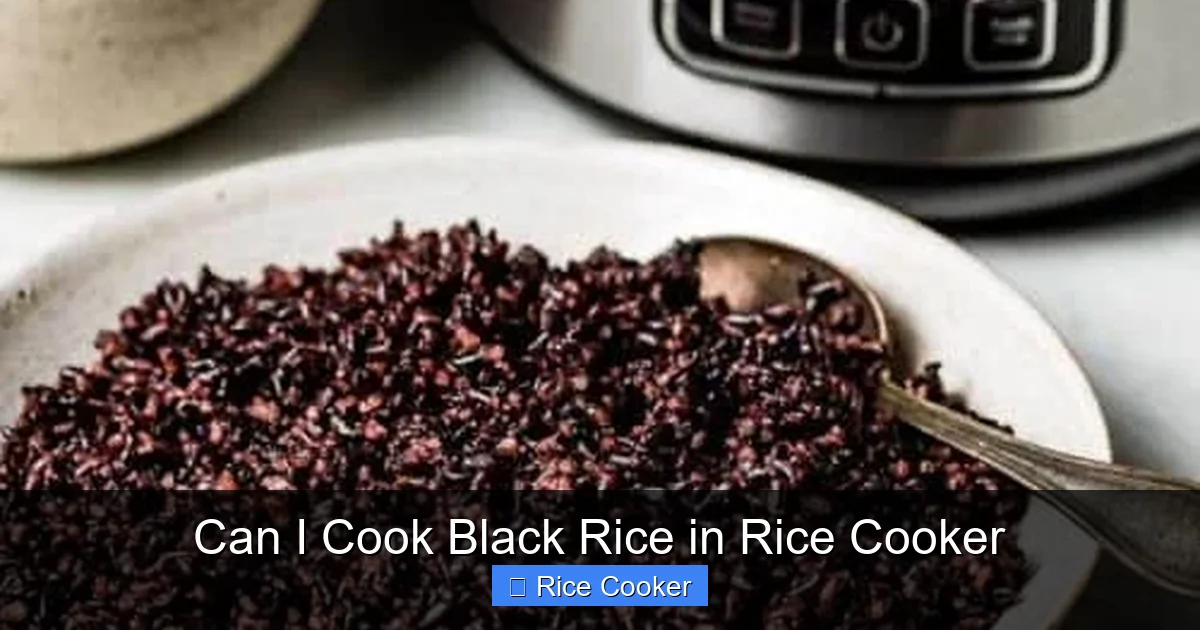
You absolutely can cook black rice in a rice cooker, and it’s one of the easiest ways to achieve perfectly tender grains every time. With just water, a little patience, and the right settings, your rice cooker turns nutrient-rich black rice into a delicious, glossy side dish. Whether you’re new to cooking black rice or want to master timing and texture, this guide walks you through everything from rinsing to serving.
Key Takeaways
- Yes, black rice cooks beautifully in a rice cooker—its firm texture holds up well and absorbs water evenly.
- Use a 1:2 ratio (rice to water) as a starting point, adjusting slightly based on rice variety and desired texture.
- Rinsing removes excess starch, helping prevent clumping and giving black rice its signature shiny appearance.
- Soaking is optional but recommended—it shortens cooking time and improves texture, especially for older rice.
- Let the rice rest after cooking for 5–10 minutes; this helps steam distribute evenly and fluff the grains.
- Troubleshoot common issues like mushiness or dryness by checking ratios, heat levels, and resting time.
- Black rice pairs well with salads, stews, stir-fries, or even desserts—its bold color and nutty flavor add visual and taste appeal.
[FEATURED_IMAGE_PLACEHOLDER]
Can I Cook Black Rice in a Rice Cooker? The Short Answer
Absolutely! Cooking black rice in a rice cooker is not only possible—it’s one of the most foolproof methods available. Unlike traditional stovetop cooking, which requires constant monitoring and attention, a rice cooker automates the process, delivering consistent results every time. Whether you’re using an electric rice cooker, a multi-cooker with a rice setting, or even an air fryer with rice function, black rice thrives in this environment.
What makes black rice special isn’t just its deep purple-black hue—it’s packed with antioxidants, fiber, and nutrients that make it a superfood favorite. But it also has a reputation for being tricky to cook properly: too much water leads to mushy grains; too little leaves them hard and chewy. That’s where the rice cooker shines. Its precise temperature control and automated shut-off help maintain ideal conditions throughout the cooking cycle, reducing guesswork and increasing success rates.
The Magic of Black Rice: Why It’s Worth the Effort
Before we dive into the “how-to,” let’s talk about why black rice deserves a spot in your kitchen. Also known as forbidden rice (due to its historical prohibition among ancient Chinese royalty), black rice has a rich cultural heritage and a nutritional profile that rivals quinoa and brown rice. It contains anthocyanins—powerful antioxidants responsible for its dark color—which have been linked to reduced inflammation and improved heart health.
Beyond its health benefits, black rice has a unique texture: slightly chewy yet tender, with a mild, nutty flavor that pairs beautifully with both savory and sweet dishes. When cooked correctly, it holds its shape well and develops a glossy, almost jewel-like sheen. This makes it perfect for salads, grain bowls, pilafs, and even desserts like rice puddings or energy bars.
But here’s the catch: black rice has a higher amylose content than white or brown rice, meaning it resists breaking down during cooking. This gives it that satisfying chew, but it also means it needs more liquid and longer cooking times. Enter the rice cooker—your best friend for mastering this delicate balance.
Why Use a Rice Cooker for Black Rice?
If you’ve ever attempted black rice on the stove, you know how finicky it can be. Stirring constantly, watching for doneness, and guessing when it’s done can lead to frustration. A rice cooker eliminates those variables. Here’s why it’s the superior method:
Consistent Heat Distribution
Rice cookers use induction heating or conduction plates that maintain steady temperatures throughout the cooking cycle. This prevents hot spots that can burn or undercook parts of the rice.
Automated Timing
Once you press start, the machine handles everything—no need to babysit. Most models have preset programs for different grains, including whole grains like black rice.
Built-In Rest Period
Many modern rice cookers enter a “warm” mode after cooking, allowing residual heat to finish steaming the rice gently—this is crucial for black rice to avoid overcooking.
Easy Cleanup
Just one pot to wash instead of multiple pans and utensils. Non-stick inner pots make scraping out every last grain simple.
Step-by-Step Guide: How to Cook Black Rice in a Rice Cooker
Ready to try it? Follow these simple steps for foolproof results:
1. Measure Your Rice Accurately
Start with a clean, dry measuring cup. One cup of uncooked black rice yields about three cups of cooked rice. If you’re feeding four people, use 1.5 cups raw rice.
2. Rinse Thoroughly
Place the rice in a fine-mesh strainer and rinse under cold running water for 1–2 minutes. Swirl gently with your fingers to remove surface starch. This step is non-negotiable—it prevents gummy clumps and helps the rice cook evenly.
3. Soak (Optional but Helpful)
Soak the rinsed rice in room-temperature water for 20–30 minutes. This softens the outer layer slightly, speeds up cooking, and reduces the risk of bitterness. For very old or hard-to-find rice, soaking overnight works wonders.
4. Add Water in the Right Ratio
For most rice cookers, begin with a 1:2 ratio (one part rice to two parts water). If your model has a “brown rice” or “whole grain” setting, select that—it adjusts timing and temperature automatically. Otherwise, stick to plain white rice mode unless otherwise specified.
5. Start Cooking
Add rice and water to the inner pot. Close the lid and press the appropriate button. Total time usually ranges from 30–45 minutes.
6. Let It Rest
After the cycle ends, wait 5–10 minutes before opening the lid. This allows moisture to redistribute evenly and makes fluffing easier.
7. Fluff Gently
Use a fork or rice paddle to fluff the top layer. Don’t dig deep—you want to preserve individual grains. Serve immediately or store in an airtight container.
Common Mistakes & How to Fix Them
Even with the best tools, mistakes happen. Here’s how to troubleshoot the most frequent issues:
Mushy or Sticky Rice
This usually means too much water or insufficient rinsing. Try reducing water by 1/4 cup next time, and always rinse thoroughly. Avoid lifting the lid during cooking—steam loss affects consistency.
Hard or Undercooked Grains
Undercooked black rice often results from too little liquid or low heat. Increase water slightly (try 1:2.25) or extend cooking time manually if your model allows it. Also, ensure the inner pot is properly seated.
Bitter Taste
Old or low-quality black rice can taste bitter due to oxidation. Always buy from reputable brands, store in an airtight container away from light, and consider soaking longer if needed.
Uneven Texture
If some grains are soft while others remain hard, your rice may be unevenly distributed or overcrowded. Stir once gently halfway through cooking (if your model permits), or cook smaller batches.
Tips for Perfect Black Rice Every Time
Want to take your black rice game to the next level? These pro tips will make all the difference:
- Use filtered water—it improves taste and texture compared to tap water.
- Avoid adding salt early—black rice’s natural flavor shines without it. Add seasoning after cooking if desired.
- Experiment with broths—replace some water with vegetable or chicken broth for extra depth.
- Flavor infusion—add a cinnamon stick, star anise, or bay leaf during cooking for aromatic complexity.
- Cool quickly after cooking—spread cooked rice on a baking sheet to cool faster if making sushi or cold salads.
Serving Suggestions: Beyond Plain Rice
Black rice is incredibly versatile. Here are creative ways to enjoy it:
Grain Bowls
Top with roasted vegetables, grilled chicken, avocado, and tahini dressing for a colorful, filling meal.
Salads
Mix cooled black rice with chopped cucumbers, cherry tomatoes, feta, and lemon vinaigrette for a Mediterranean twist.
Desserts
Combine with coconut milk, maple syrup, and mashed bananas for a gluten-free, antioxidant-rich pudding.
Stuffed Peppers
Fill bell peppers with black rice, black beans, corn, and spices for a hearty vegetarian main.
Risotto Alternative
Stir in sautéed mushrooms, garlic, and Parmesan for a creamy, umami-packed dish.
Storage & Reheating Tips
Cooked black rice keeps well and tastes even better the next day. Store leftovers in an airtight container in the fridge for up to 5 days. To reheat, microwave with a splash of water or steam for 1–2 minutes until warm. You can also pan-sear briefly over medium heat with a bit of oil to revive texture.
Freezing is also an option—portion into containers or freezer bags for up to 3 months. Thaw overnight in the fridge before reheating.
Choosing the Right Rice Cooker for Black Rice
Not all rice cookers are created equal. If you’re investing in one specifically for black rice, look for these features:
- Adjustable timers and settings—especially “brown rice” or “whole grain” modes.
- Larger capacity—black rice expands significantly, so a 10-cup inner pot is ideal for families.
- Non-stick coating—makes cleanup effortless and prevents sticking.
- Keep-warm function—maintains ideal temperature without overcooking.
Popular brands like Zojirushi, Instant Pot, and Cuckoo offer excellent options tailored to whole grains. Read reviews focusing on black rice performance—some models perform better than others.
Frequently Asked Questions About Cooking Black Rice
Do I need to soak black rice before cooking in a rice cooker?
Soaking is optional but highly recommended. It softens the grains, shortens cooking time, and reduces potential bitterness. For best results, soak for 20–30 minutes before cooking.
How long does black rice take to cook in a rice cooker?
Most rice cookers take between 30 and 45 minutes to cook black rice. Using the “brown rice” or “whole grain” setting typically ensures optimal timing.
Can I cook black rice directly in the rice cooker without rinsing?
It’s strongly advised to rinse black rice before cooking. Rinsing removes excess starch that causes clumping and dulls the vibrant color. Always rinse until the water runs clear.
Why does my black rice turn out mushy in the rice cooker?
Mushiness usually results from too much water or insufficient rinsing. Reduce water by 1/4 cup and always rinse thoroughly. Also, avoid lifting the lid during cooking to retain steam.
Can I cook black rice in a multi-cooker or pressure cooker?
Yes! Use the same 1:2 rice-to-water ratio, plus 1 minute of additional cooking time in pressure mode. Natural release for 5–10 minutes helps achieve perfect texture.
Is black rice gluten-free and safe for everyone?
Yes, pure black rice is naturally gluten-free and suitable for celiac diets. Just ensure packaging doesn’t mention cross-contamination warnings if strictly avoiding gluten.
Final Thoughts: Embrace the Dark Side
Cooking black rice in a rice cooker isn’t just convenient—it’s transformative. What used to be a frustrating, unpredictable endeavor becomes a smooth, reliable process with minimal effort. Once you master the basics, you’ll find yourself reaching for this ancient grain more often, whether to boost your nutrition, impress dinner guests, or simply enjoy something different.
Remember: practice makes perfect. Your first batch might not be flawless, but each attempt brings you closer to that ideal texture—tender yet distinct, glossy and full of flavor. And the payoff? A stunning, nutrient-dense side dish that looks as good as it tastes.
So go ahead—grab your rice cooker, measure out that black rice, and press play. Before you know it, you’ll be serving up restaurant-quality meals with ease.
This is a comprehensive guide about can i cook black rice in rice cooker.
Key Takeaways
- Understanding can i cook black rice in rice cooker: Provides essential knowledge
Frequently Asked Questions
What is can i cook black rice in rice cooker?
can i cook black rice in rice cooker is an important topic with many practical applications.