
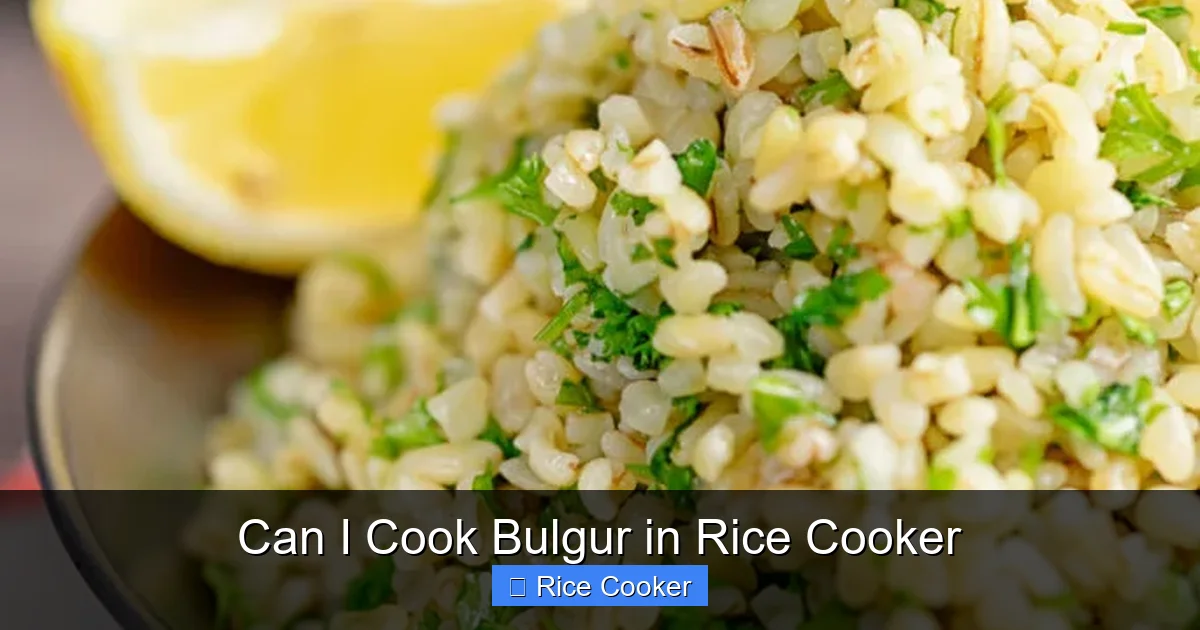
Can I cook bulgur in a rice cooker? Absolutely! With the right ratio and a few simple steps, your rice cooker can turn plain bulgur into perfectly cooked grains every time. Whether you’re making a quick breakfast or a hearty side dish, this method saves time and delivers consistent results without extra effort.
Have you ever stared at your rice cooker wondering, “What else can I make with this thing?” If you’ve got bulgur on hand—whether it’s fine, medium, or coarse—you’re in luck. Yes, you absolutely can* cook bulgur in a rice cooker*, and it’s one of the easiest ways to prepare this nutritious grain. Bulgur is a staple in Middle Eastern and Mediterranean cuisines, used in dishes like tabbouleh, kibbeh, and breakfast porridge. But beyond its traditional uses, bulgur shines when made simply—just grains and water. And that’s where your rice cooker comes in.
Most people think rice cookers are only for rice, but they’re actually versatile kitchen tools. From oats and quinoa to beans and even steamed vegetables, these appliances handle a wide range of grains and legumes with ease. Bulgur fits perfectly into that category. With the right technique, you can achieve fluffy, tender, and evenly cooked bulgur every time—without babysitting the stove or worrying about burning.
In this complete guide, we’ll walk you through everything you need to know about cooking bulgur in a rice cooker. We’ll cover ratios, prep tips, flavor variations, troubleshooting common issues, and even creative recipe ideas. By the end, you’ll feel confident using your rice cooker to make bulgur like a pro.
Key Takeaways
- Bulgur is ideal for rice cookers: Its coarse texture absorbs water efficiently and cooks evenly in a rice cooker.
- Use the 2:3 water-to-bulgur ratio: For most rice cooker settings, 2 cups of water per 1 cup of bulgur works best.
- Rinse before cooking: Rinsing removes excess starch and prevents gumminess.
- Flavor it up: Add salt, broth, herbs, or spices while cooking for extra taste.
- Rest after cooking: Let bulgur sit covered for 5–10 minutes to finish steaming and become fluffier.
- Try different types: Fine, medium, or coarse bulgur all work—adjust cooking time slightly if needed.
📑 Table of Contents
- Why Choose a Rice Cooker for Bulgur?
- Types of Bulgur and How They Affect Cooking
- Essential Tips Before You Start Cooking
- Step-by-Step Guide: Cooking Bulgur in a Rice Cooker
- Troubleshooting Common Issues
- Creative Ways to Serve Your Rice Cooker Bulgur
- Can You Reheat Rice Cooker Bulgur?
- Storage Tips for Unused Bulgur
- Frequently Asked Questions About Cooking Bulgur in a Rice Cooker
Why Choose a Rice Cooker for Bulgur?
If you’re new to bulgur or just looking to simplify your cooking routine, a rice cooker is your best friend. Unlike stovetop methods that require constant attention—stirring, checking doneness, adjusting heat—a rice cooker does the hard work for you. Once you add the ingredients and press a button, the machine handles the rest.
Rice cookers maintain a consistent temperature and automatically switch to “warm” mode once the cooking cycle is complete. This prevents overcooking and ensures your bulgur stays light and separate. Plus, they’re energy-efficient and safe to leave unattended—perfect for meal prep or busy weekdays.
Another advantage? Minimal cleanup. Just one pot to rinse and clean. No need for multiple pans or scrubbing burnt-on residue.
Types of Bulgur and How They Affect Cooking
Not all bulgur is created equal. There are three main varieties, each with slightly different textures and ideal uses:
Fine (or American) Bulgur
This is the smallest and fastest-cooking type. It’s great for breakfast dishes like hot cereal or as a binder in meatloaf and burgers. In a rice cooker, fine bulgur usually needs less water and cooks faster than coarser versions.
Medium Bulgur
The most common type, often labeled “bulgur” without further description. It’s perfect for salads like tabbouleh and pilafs. Medium bulgur strikes a good balance between speed and texture, making it ideal for everyday meals.
Coarse (or Turkish) Bulgur
Larger and chewier, this version holds its shape well and is excellent for stuffed peppers or kibbeh. It takes longer to cook, so you may want to soak it briefly before adding water.
When choosing which type to use, consider your recipe and desired texture. All three work beautifully in a rice cooker, but cooking times may vary slightly. For example, fine bulgur might need only 18–20 minutes, while coarse may take up to 25–30 minutes.
Essential Tips Before You Start Cooking
Before you pour water into your rice cooker, there are a few small but important steps to follow. These ensure your bulgur turns out fluffy, not mushy or undercooked.
1. Rinse the Bulgur Thoroughly
Always rinse bulgur under cold running water using a fine-mesh strainer. This removes excess starch, which can make cooked bulgur gummy if left unchecked. Rinsing also helps reduce bitterness from any residual bran.
2. Use the Right Water Ratio
The standard ratio is **2 cups of water per 1 cup of dry bulgur**. This works for fine and medium varieties. For coarse bulgur, you might increase water slightly to 2.25 cups per 1 cup, depending on your rice cooker model and altitude.
3. Add Salt and Seasonings Early
Salt enhances flavor, so add it to the water before cooking. You can also use chicken or vegetable broth instead of water for extra depth. Herbs like parsley, mint, or dill work well too—add them during the last few minutes of cooking.
4. Don’t Overfill the Rice Cooker
Most rice cookers have a maximum fill line. Never exceed it—overfilling can cause overflow, block vents, or lead to uneven cooking. Stick to the recommended capacity for best results.
5. Let It Rest After Cooking
Once the rice cooker switches to “warm,” keep the lid on and let bulgur sit for 5–10 minutes. This allows steam to finish cooking the grains internally and makes them easier to fluff with a fork.
Step-by-Step Guide: Cooking Bulgur in a Rice Cooker
Ready to give it a try? Here’s how to cook perfect bulgur in your rice cooker, from start to finish.
Ingredients
– 1 cup dry bulgur (fine, medium, or coarse)
– 2 cups water (or broth)
– ½ teaspoon salt (optional)
– Additional seasonings (optional): garlic powder, onion powder, olive oil
Equipment
– Rice cooker with inner pot
– Fine-mesh strainer
– Measuring cup
Instructions
1. **Rinse the bulgur** in a strainer under cold water for 1–2 minutes until the water runs clear.
2. **Add rinsed bulgur** to the inner pot of your rice cooker.
3. **Pour in water (and salt)**. Stir gently to combine.
4. **Close the lid** and select the “Cook” or “White Rice” setting. Most rice cookers will automatically adjust timing based on input.
5. **Wait patiently**—do not open the lid during cooking. The process usually takes 18–25 minutes depending on bulgur type.
6. **When the cycle ends**, the cooker will switch to “Warm.” Keep the lid closed and let it sit for 5–10 minutes.
7. **Fluff with a fork** and serve warm.
Pro tip: If your rice cooker has a “Pilaf” or “Brown Rice” setting, those can work too—but stick to the basic “Cook” function for bulgur.
Troubleshooting Common Issues
Even with the best technique, sometimes things go wrong. Here’s how to fix common bulgur problems when using a rice cooker.
Too Wet or Mushy
This usually happens if too much water was used or the cooker wasn’t drained properly. To fix it:
– Scoop out excess liquid with a spoon.
– Spread cooked bulgur on a baking sheet and let it cool uncovered for 10 minutes to evaporate moisture.
– Fluff thoroughly before serving.
Alternatively, next time, reduce water by ¼ cup or drain after cooking.
Undercooked or Gummy
If your bulgur is still firm or sticky, it likely didn’t get enough heat or water. Try this:
– Return the pot to the cooker (with the lid off).
– Add ¼ cup more water and cook on high heat for 5–10 minutes.
– Drain if necessary and fluff.
Also, make sure you’re using fresh bulgur. Stale grains absorb water poorly and won’t soften fully.
Overflow During Cooking
Some rice cookers foam up when bulgur is added. To prevent overflow:
– Use a non-stick or coated inner pot—it reduces sticking and foaming.
– Don’t overfill.
– Cover loosely with a paper towel or lid slightly ajar if foaming is severe.
Creative Ways to Serve Your Rice Cooker Bulgur
Plain bulgur is delicious, but it gets boring fast. Here are some tasty ways to elevate your dish:
Tabbouleh Salad
After cooking, mix bulgur with chopped parsley, tomato, cucumber, lemon juice, olive oil, and fresh mint. Chill for 30 minutes before serving. This classic Middle Eastern salad tastes fresh and zesty.
Bulgur Pilaf
Sauté onions and garlic in olive oil before adding bulgur and water. Cook together, then stir in toasted pine nuts, raisins, or diced carrots. Season with cinnamon and paprika for a sweet-spicy twist.
Breakfast Porridge
Make a warm, savory breakfast by cooking bulgur with milk, a pinch of turmeric, and a dash of black pepper. Top with sautéed mushrooms, spinach, or a fried egg.
Mediterranean Bowl
Layer cooked bulgur with hummus, grilled vegetables, olives, feta cheese, and tzatziki sauce. Drizzle with olive oil for a satisfying lunch.
Baked Goods
Use cooked bulgur as a gluten-free thickener in muffins, pancakes, or bread dough. It adds fiber and a subtle nutty flavor.
Can You Reheat Rice Cooker Bulgur?
Absolutely! Leftover bulgur reheats beautifully. Simply place it in a microwave-safe bowl, add a splash of water or broth, cover, and heat in 30-second intervals until warmed through. Or transfer to a skillet over low heat with a bit of oil—stir occasionally until heated.
For best texture, avoid reheating more than once. Freshly cooked bulgur always tastes better.
Storage Tips for Unused Bulgur
Store uncooked bulgur in an airtight container in a cool, dry place for up to 6 months. It won’t spoil quickly, but freshness affects texture.
Once cooked, refrigerate in a sealed container for up to 5 days. Freeze portions in freezer bags for up to 3 months. Thaw overnight in the fridge before reheating.
Frequently Asked Questions About Cooking Bulgur in a Rice Cooker
How do I know if my bulgur is done?
Your bulgur is ready when it’s tender but still has a slight bite. It should be soft enough to chew easily but not mushy. The rice cooker’s auto-off signal indicates completion, but always check a grain before removing the lid.
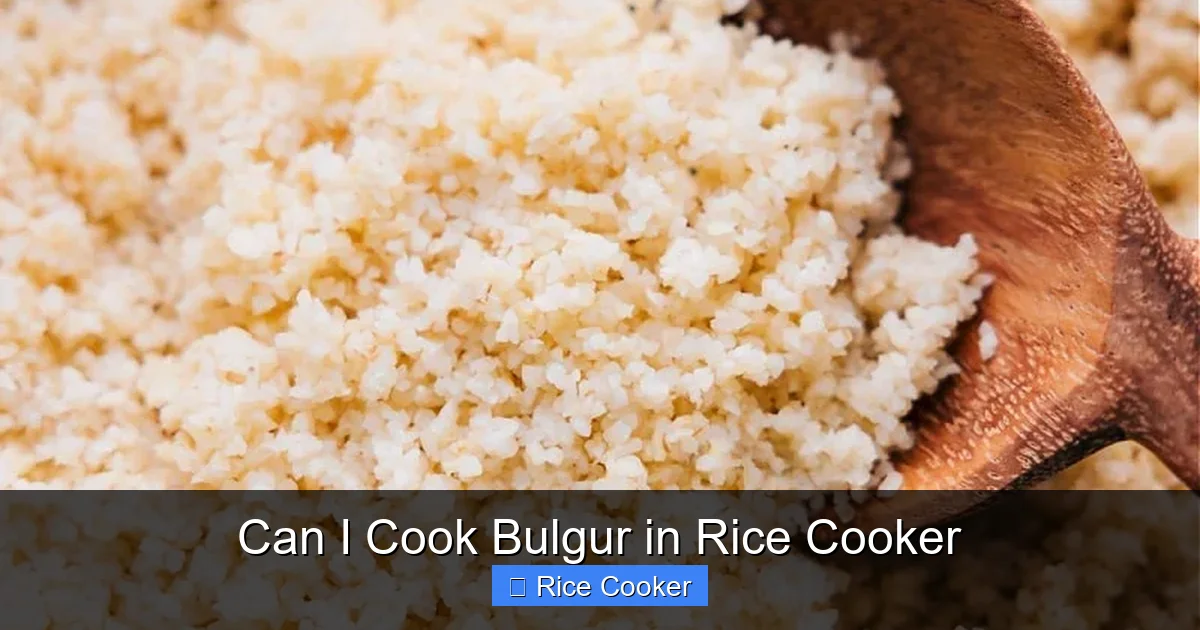
Visual guide about Can I Cook Bulgur in Rice Cooker
Image source: chelseasmessyapron.com
Can I cook bulgur with other grains in the same batch?
It’s not recommended. Different grains cook at different speeds and water ratios. For example, quinoa needs less water than bulgur. Cook them separately for best results.
Do I need to soak bulgur before cooking?
Soaking isn’t required, especially for fine or medium bulgur. Coarse bulgur benefits from a short soak (10–15 minutes), but it’s optional. Soaking speeds up cooking but isn’t necessary for rice cooker success.
Can I substitute water with broth or stock?
Yes! Broth adds rich flavor. Use vegetable, chicken, or beef broth depending on your recipe. Just remember that broth may contain salt, so adjust accordingly.
What if my rice cooker doesn’t have a timer?
Most modern rice cookers have timers, but older models may not. Even without a timer, the process is foolproof—just add ingredients, close the lid, and wait until the cooker shuts off. Timing varies by model, so refer to your manual or test it first.
Is bulgur healthier than rice?
Both are nutritious, but bulgur has more fiber and protein than white rice. It’s lower on the glycemic index and keeps you fuller longer. Brown rice offers similar benefits, but bulgur stands out for its chewy texture and versatility.
Frequently Asked Questions
How do I know if my bulgur is done?
Your bulgur is ready when it’s tender but still has a slight bite. Check by tasting one grain—it should be soft but not mushy. The rice cooker’s auto-off signal means cooking is complete.
Can I cook bulgur with other grains in the same batch?
No, it’s not recommended. Different grains like quinoa or barley need different water ratios and cooking times. Cooking them together can result in uneven texture.
Do I need to soak bulgur before cooking?
Soaking isn’t necessary, especially for fine or medium bulgur. Coarse bulgur may benefit from a quick soak, but it’s optional. Rinsing is more important than soaking.
Can I substitute water with broth or stock?
Yes! Using broth adds flavor. Just be mindful of salt content since broth can be salty. Adjust seasoning as needed after cooking.
What if my rice cooker doesn’t have a timer?
Most rice cookers work automatically—just press “Cook” and wait until it switches to “Warm.” Even without a digital timer, the machine regulates heat and stops when done.
Is bulgur healthier than rice?
Yes, bulgur is higher in fiber and protein than white rice, and it digests more slowly, helping stabilize blood sugar. It’s a great whole-grain choice for balanced meals.