
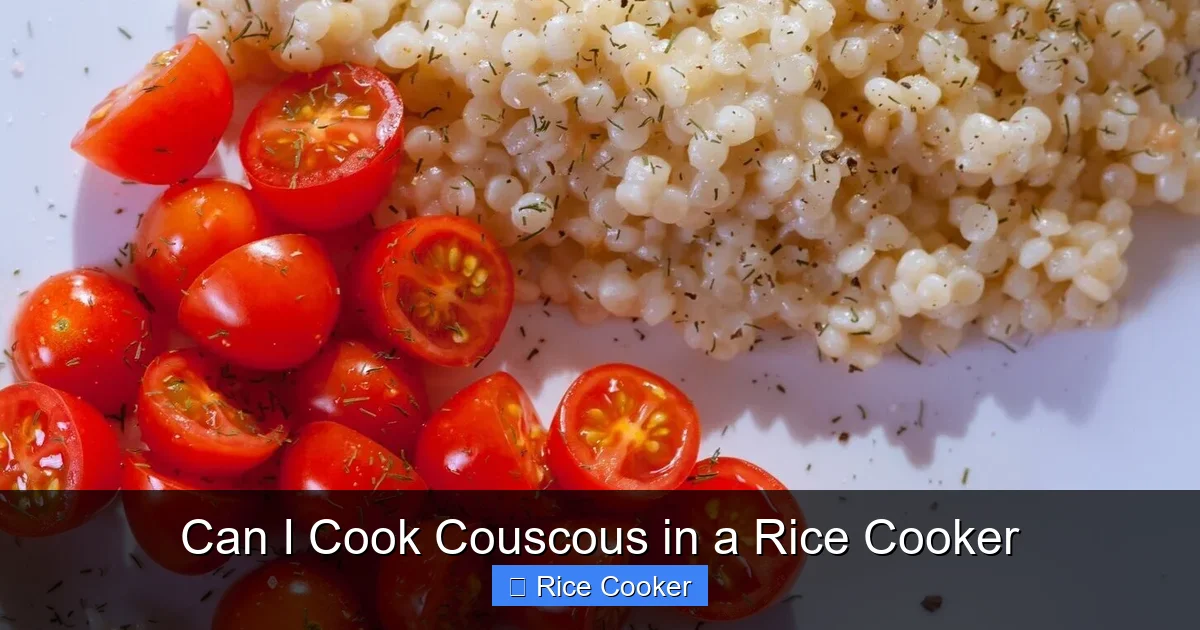
Can I cook couscous in a rice cooker? Absolutely! With the right ratio and technique, your rice cooker can make light, fluffy couscous in under 10 minutes—just like instant grains but with more control. Whether you’re meal-prepping or whipping up dinner fast, this simple hack saves time without sacrificing flavor. No special equipment? No problem.
Have you ever stood in front of your kitchen counter, staring at a box of couscous, wondering how to make it taste fresh and not just like yesterday’s leftovers? Or maybe you’re tired of juggling multiple pots on the stove while trying to get dinner ready? If so, you’re not alone—and there’s good news. You don’t need a fancy gadget or complicated steps to make perfect couscous. In fact, one of the easiest and most convenient ways to cook couscous is in a rice cooker.
That’s right—your trusty rice cooker isn’t just for white rice or jasmine. It can handle other grains too, including couscous, which traditionally is made from semolina wheat and shaped into tiny pellets or flakes. While traditional recipes call for boiling water and letting the couscous absorb the steam, modern appliances like rice cookers streamline the process with precise heat control and automatic shut-off.
In this article, we’ll walk you through everything you need to know about cooking couscous in a rice cooker: why it works so well, how to do it step-by-step, tips for flavor upgrades, troubleshooting common issues, and even some creative recipe ideas. By the end, you’ll be convinced that your rice cooker is secretly a couscous-making machine.
Key Takeaways
- Understanding can i cook couscous in a rice cooker: Provides essential knowledge
Quick Answers to Common Questions
Can I use broth instead of water for couscous in a rice cooker?
Absolutely! Using broth adds rich flavor without changing the cooking time. Just replace water with equal amounts of broth for a savory upgrade.
How long does it take to cook couscous in a rice cooker?
Most rice cookers cook couscous in about 5–7 minutes, followed by a 3–5 minute rest. Total time is under 10 minutes, making it one of the fastest grain preparations.
Do I need to rinse couscous before cooking?
No, rinsing isn’t necessary and may wash away surface starch that helps it bind properly. Simply measure and add directly to the cooker.
Can I cook couscous in a pressure cooker instead?
Yes, but adjust the time carefully. Pressure cooking couscous can lead to overcooking. Use the same liquid ratio and cook on high pressure for 2–3 minutes, then natural release.
Is couscous gluten-free?
Traditional couscous contains gluten because it’s made from durum wheat semolina. However, there are gluten-free alternatives made from corn, quinoa, or chickpea flour available for those with sensitivities.
📑 Table of Contents
- Why Use a Rice Cooker for Couscous?
- Basic Ratio & Method for Cooking Couscous in a Rice Cooker
- Choosing the Right Type of Couscous
- Flavor Boosting Tips & Creative Variations
- Troubleshooting Common Issues
- Other Grains You Can Cook in a Rice Cooker
- Final Thoughts: Should You Cook Couscous in a Rice Cooker?
Why Use a Rice Cooker for Couscous?
Before we dive into the how-to, let’s talk about why anyone would choose a rice cooker over the classic method of boiling water and letting couscous sit covered. First off—convenience. Rice cookers are designed to automate the cooking process. Once you add ingredients and press start, you don’t have to babysit the pot. That means you can chop vegetables, season a salad, or stir a sauce while your couscous steams away.
Second, consistency. Rice cookers maintain steady temperatures and monitor moisture levels, reducing the risk of burning or undercooking. With couscous, timing is everything because it’s already partially cooked when it comes out of the factory. Too long in the cooker, and you’ll end up with a gummy mess. Too short, and it might still be hard. A rice cooker helps eliminate guesswork.
Third, cleanup. Most rice cookers have removable, non-stick inner pots that pop right into the dishwasher. After cooking couscous, you won’t be scrubbing dried-on bits from a heavy-bottomed pot. Just rinse, wipe, and go.
And finally—space saving. If you’re cooking for two or three people and already have your stovetop crowded with other dishes, using the rice cooker frees up precious burner real estate.
Basic Ratio & Method for Cooking Couscous in a Rice Cooker
Visual guide about Can I Cook Couscous in a Rice Cooker
Image source: images.squarespace-cdn.com
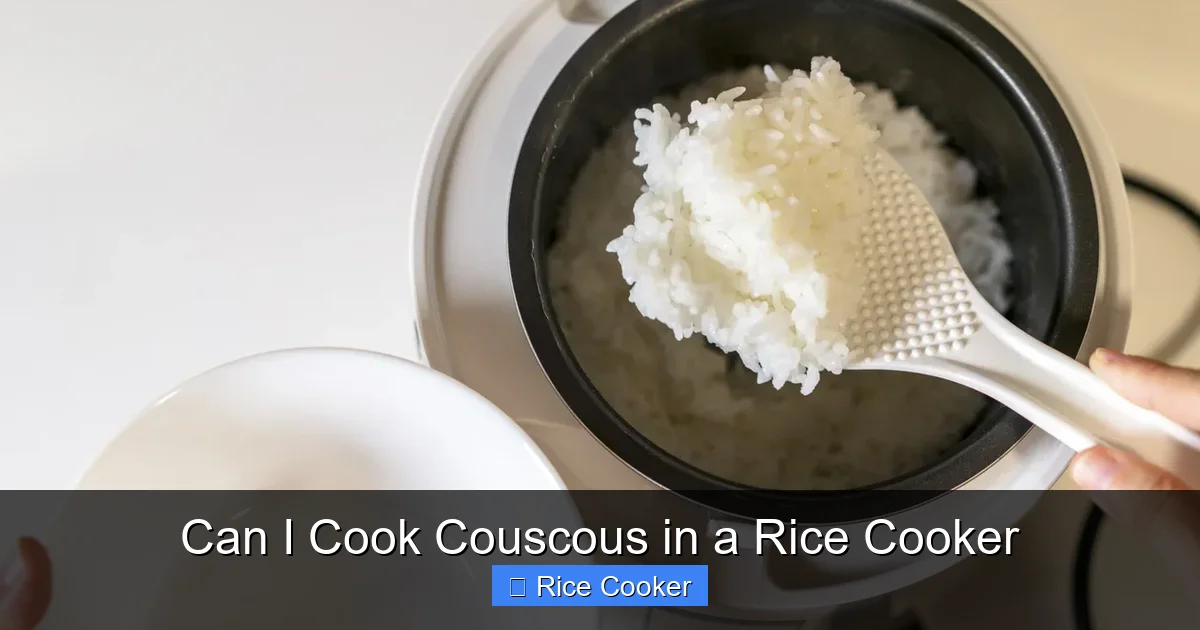
Now that you’re sold on the idea, let’s get practical. The beauty of couscous is its simplicity. Unlike rice, lentils, or quinoa, it doesn’t require rinsing, soaking, or long simmer times. Here’s what you need:
– **Couscous**: 1 cup (about 180 grams)
– **Water or broth**: 1.5 to 2 cups (360–480 ml)
– **Optional seasonings**: Salt, olive oil, garlic powder, herbs, lemon juice
Step-by-Step Instructions
1. **Add liquid first.** Always pour the water or broth into the rice cooker pot before adding couscous. This prevents sticking and ensures even distribution of heat.
2. **Sprinkle in couscous.** Gently spoon the couscous over the liquid. Don’t stir—just let it sit.
3. **Close the lid and turn on.** Press the “Cook” button. On most models, this will take about 5–7 minutes. Some newer digital units may switch to “Keep Warm” mode automatically.
4. **Let it rest.** Once the cycle ends, wait 3–5 minutes with the lid closed. This allows any remaining steam to finish hydrating the grains.
5. **Fluff and serve.** Use a fork to gently separate the grains. Add olive oil, salt, or your favorite mix-ins now if desired.
One important note: **Do not overfill**. Most rice cookers work best when filled no more than halfway. If you’re making a big batch, consider doing it in two smaller portions.
Choosing the Right Type of Couscous
Visual guide about Can I Cook Couscous in a Rice Cooker
Image source: images.squarespace-cdn.com
Not all couscous is created equal—and this matters when cooking in a rice cooker. There are three main types:
– **Instant couscous**: Made from very small granules (pearl-sized), these are the most common and cook the fastest. They’re ideal for rice cookers because they respond quickly to steam.
– **Medium or fine-grain couscous**: Slightly larger than instant but still relatively small. These also work well and offer a bit more texture.
– **Israeli couscous**: Larger, resembling tiny pasta shapes. While delicious, it may require slightly longer cooking times and more liquid.
For beginners, stick with instant or fine-grain couscous. Israeli couscous is better suited for recipes where you want chewier bites, like salads or braised dishes.
Also, watch out for flavored varieties (herb-infused, garlic, etc.). These can enhance your dish, but always check the package instructions—some contain added oils or preservatives that might affect texture.
Flavor Boosting Tips & Creative Variations
Plain couscous tastes great, but it’s also incredibly versatile. Here are some ways to jazz it up using your rice cooker:
Use Broth Instead of Water
Replace half or all of the water with chicken, vegetable, or beef broth. This adds richness and depth without changing the cooking time significantly.
Add Fresh Herbs
Toss in chopped parsley, cilantro, dill, or mint right after fluffing. Their bright flavors shine through when paired with couscous.
Infuse with Citrus or Garlic
Squeeze fresh lemon juice or lime over cooked couscous, then sprinkle minced garlic and a drizzle of olive oil. Top with grilled chicken or shrimp for an instant Mediterranean bowl.
Try Spiced Couscous
Simmer your liquid with a pinch of cumin, coriander, cinnamon, or turmeric before adding couscous. Serve warm with roasted vegetables or chickpeas for a Middle Eastern-inspired meal.
Make It Creamy
After cooking, stir in a tablespoon of butter or a splash of cream for a richer side dish. Great with salmon or as part of a holiday spread.
Freeze Leftovers
Portion cooled couscous into containers and freeze for up to 3 months. Reheat in the microwave with a splash of water to restore moisture.
Troubleshooting Common Issues
Even with the best tools, things can go wrong. Here’s how to fix the most common couscous mishaps:
Problem: Couscous is too dry or hard
This usually happens if you used too little liquid or didn’t let it rest. Try adding a splash of warm water or broth and fluffing again. Cover and microwave for 30 seconds if needed.
Problem: It’s mushy or clumpy
Overcooking or using too much liquid causes this. Next time, reduce the liquid slightly and avoid stirring during cooking. Fluff gently with a fork instead.
Problem: Sticking to the pot
Always add liquid first, never couscous first. A quick swipe of oil inside the pot before adding liquid can also help prevent adhesion.
Problem: Rice cooker doesn’t switch to “Keep Warm”
Some older models don’t have this feature. If yours doesn’t auto-switch, manually switch it after cooking and leave the lid on for 5–10 minutes.
Problem: Uneven cooking
Stirring breaks up clumps, but don’t overdo it. Gentle folding after resting usually does the trick.
Remember: couscous expands dramatically when hydrated, so measuring accurately is key. Use a dry measuring cup for couscous and level it off—don’t pack it down.
Other Grains You Can Cook in a Rice Cooker
If you love using your rice cooker for couscous, you’ll be happy to know it’s perfect for many other grains too. Here are a few favorites:
– **Quinoa**: Use a 1:2 ratio (quinoa to liquid). Rinse first!
– **Bulgur**: Similar to couscous, but requires 1.5–2 cups liquid per 1 cup bulgur. Toast lightly in oil first for deeper flavor.
– **Millet**: Works like rice—1:2 ratio. Add a pinch of salt.
– **Farro**: Needs longer time (20–25 minutes) and more liquid. Soak overnight for softer results.
– **Polenta**: Cooked similarly to rice, but stir frequently to avoid lumps.
Each grain has its own personality, but the rice cooker makes them all approachable.
Final Thoughts: Should You Cook Couscous in a Rice Cooker?
So, can you cook couscous in a rice cooker? The answer is a resounding yes—and it might just become your new go-to method. It’s fast, foolproof, and adaptable to all kinds of flavors. Whether you’re feeding a crowd, packing lunches, or just craving something warm and comforting, this technique delivers consistent results every time.
Plus, it frees up your stovetop, reduces cleanup, and lets you multitask like a pro. No more standing over a pot of boiling water waiting for couscous to puff up. Just set it and forget it.
Give it a try tonight. Start simple—plain couscous with salt and olive oil—then experiment with broths, spices, and proteins tomorrow. Before long, you’ll have a whole library of easy, healthy meals built around one versatile grain and one powerful appliance.
Your rice cooker isn’t just for rice anymore. It’s a grain revolution waiting to happen.
Frequently Asked Questions
What is the best liquid-to-couscous ratio?
The standard ratio is 1 cup couscous to 1.5–2 cups liquid (water or broth). Stick to this range to avoid dry or mushy results. Always add liquid before couscous in the rice cooker.
Can I reheat leftover couscous in the rice cooker?
Yes! Place cooled couscous back into the inner pot with a splash of water or broth, cover, and set the rice cooker to “Warm” or “Cook” for 2–3 minutes. Stir gently before serving.
Why is my couscous sticking to the bottom?
This happens if you add couscous before liquid or don’t let the cooker heat up fully. Always pour liquid first, then add couscous. A light coat of oil in the pot can also help prevent sticking.
Can I add vegetables or protein while cooking couscous?
It’s best to cook couscous separately from raw vegetables or meat to ensure even doneness. However, you can add frozen peas or shredded carrots during the last 2 minutes of cooking if desired.
How do I store cooked couscous?
Store in an airtight container in the refrigerator for up to 5 days or freeze for up to 3 months. Reheat with a bit of moisture to restore softness.
Can I cook different types of couscous together in one batch?
Mixing instant and Israeli couscous isn’t recommended—they have different textures and cook times. Cook them separately to achieve the best results.