
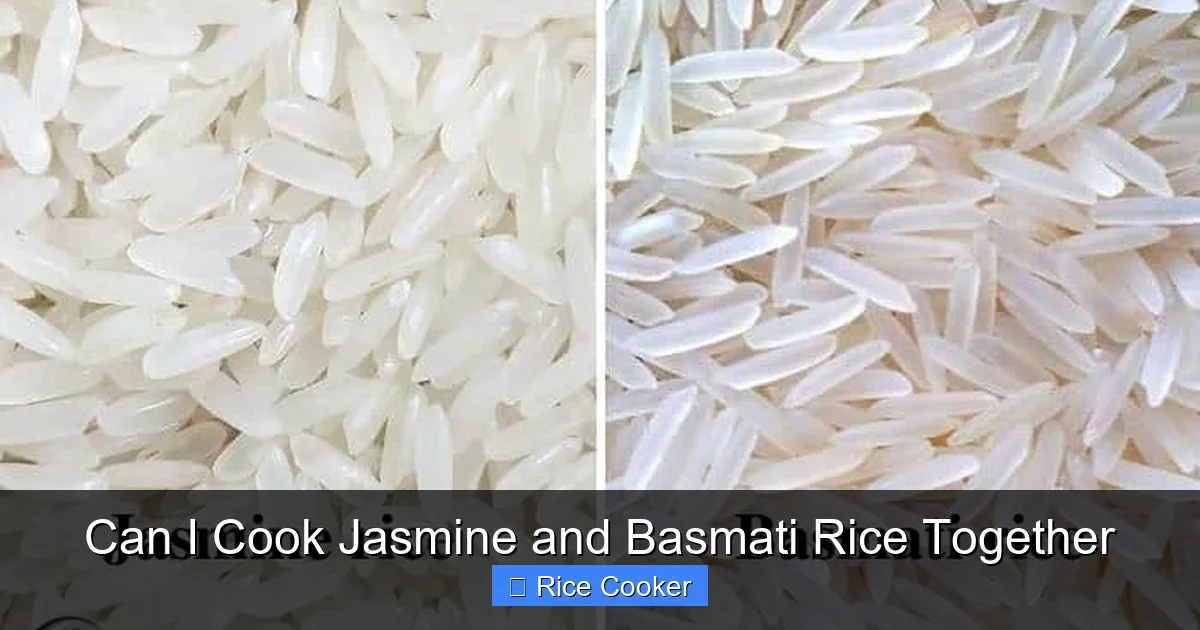
Can I cook jasmine and basmati rice together? Absolutely—mixing these two aromatic grains is not only possible but delicious when done right. While they have different textures and cooking behaviors, combining them enhances both flavor and mouthfeel. With the right water-to-rice ratio and technique, you’ll enjoy fluffy, fragrant rice perfect for curries, stir-fries, or even sushi-style dishes.
Key Takeaways
- Yes, it’s possible: You can absolutely cook jasmine and basmati rice together using standard rice cookers or pots.
- Texture differences matter: Jasmine rice is stickier and softer; basmati is long-grained and fluffier—mixing them balances body and aroma.
- Use the right ratio: A common starting point is 1 cup total rice (any mix) to 1.25–1.5 cups water, depending on your preferred consistency.
- Wash both types: Rinsing removes excess starch and prevents gummy results, especially with jasmine rice.
- Let them rest: After cooking, letting the rice sit covered for 10 minutes ensures even absorption and fluffiness.
- Experiment with proportions: Try 50/50, 70/30 (jasmine/basmati), or even 25/75 to find your favorite blend.
- Great for global cuisines: This combo works beautifully Thai, Indian, Middle Eastern, or fusion dishes.
📑 Table of Contents
Introduction: The Art of Mixing Rice Varieties
Have you ever wondered whether jasmine and basmati rice can live together in harmony? The short answer is yes—but not without some culinary finesse. These two iconic grains come from different corners of the world and bring unique personalities to the table. Jasmine rice, grown predominantly in Thailand and Vietnam, is known for its delicate floral aroma and slightly sticky, tender texture. On the other hand, basmati rice, hailing from India and Pakistan, boasts a nutty scent, slender grains that separate easily, and a light, airy bite.
While purists may argue about authenticity in traditional recipes, modern kitchens thrive on creativity. Blending jasmine and basmati offers a beautiful compromise—combining the best of both worlds: the fragrant elegance of jasmine and the structural integrity of basmati. Whether you’re preparing a Thai curry one night and biryani the next, having one versatile rice base makes life easier—and tastier.
In this guide, we’ll walk you through everything you need to know about cooking jasmine and basmati rice together. From understanding their individual traits to mastering the perfect water ratio and timing, you’ll soon be serving restaurant-quality rice at home—every single time.
Understanding Jasmine vs. Basmati Rice
Before diving into how to cook them together, let’s unpack what makes each grain special—and why mixing them could be your new secret weapon.
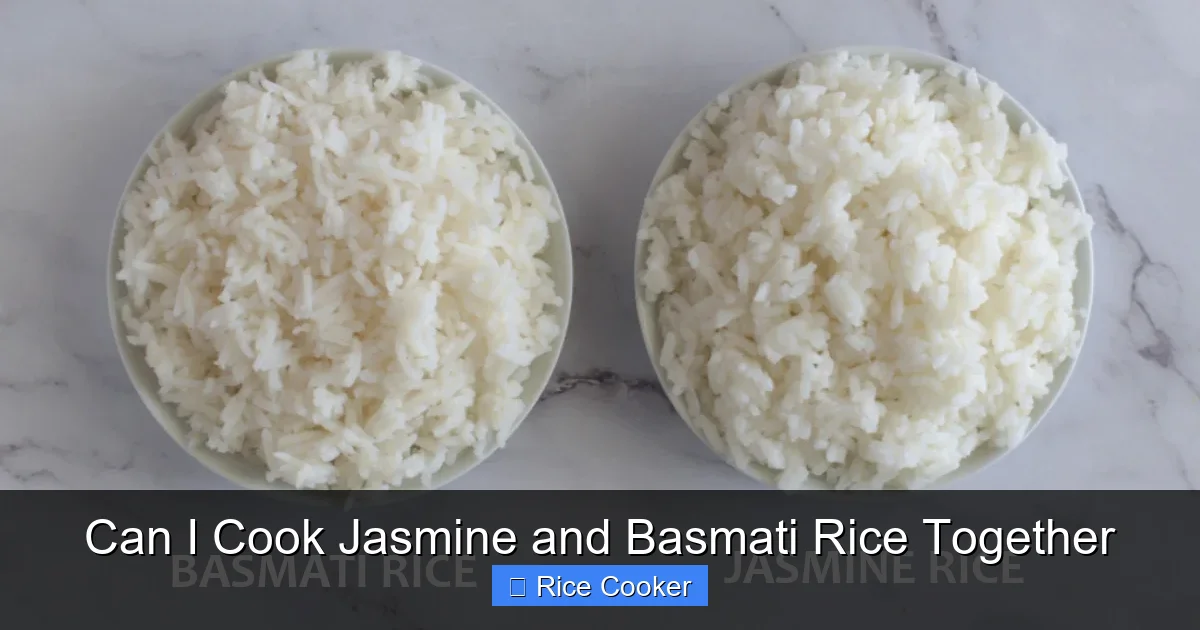
Visual guide about Can I Cook Jasmine and Basmati Rice Together
Image source: thericechick.com
The Essence of Jasmine Rice
Jasmine rice is often described as having a subtle, sweet perfume reminiscent of jasmine blossoms. It’s typically short- to medium-grain and has a higher amylopectin content, which gives it a naturally sticky quality when cooked. This stickiness is ideal for dishes like Thai fried rice or mango sticky rice, where clumping isn’t just acceptable—it’s desired.
However, because jasmine tends to absorb more water than other varieties, overcooking it can lead to mushiness. That’s why precise measurement and rinsing are crucial. Most recipes call for a water-to-rice ratio around 1.5:1, though personal preference plays a role here.
The Charm of Basmati Rice
Basmati rice stands out for its distinct elongation process—grains can double in length during cooking, resulting in separate, thread-like strands that don’t clump. Its signature aroma comes from compounds released during soaking and cooking, often enhanced by toasting before boiling.
This rice variety prefers slightly less water than jasmine—usually a 1.25:1 ratio—and benefits from being soaked for 20–30 minutes prior to cooking. This step helps unlock its full flavor potential and ensures uniform expansion without becoming gluey.
Why Combine Them?
When you merge jasmine and basmati, you create a hybrid rice that’s greater than the sum of its parts. The jasmine adds fragrance and softness, while the basmati contributes structure and lift. Think of it like blending red and white wine—each brings something unique, but together they elevate the experience.
Best Practices for Cooking Mixed Rice
Now that you understand the basics, let’s get practical. Here’s how to achieve perfect results every time, whether you’re using an electric rice cooker or a stovetop pot.
Step-by-Step Guide: Using a Rice Cooker
Rice cookers make this process incredibly simple—no guesswork required.
- Measure Your Grains: Start with equal parts jasmine and basmati (e.g., ½ cup each). Adjust based on taste—some prefer more jasmine for aroma, others lean toward more basmati for fluffiness.
- Wash Thoroughly: Place the mixed rice in a fine-mesh strainer and rinse under cold water until the water runs clear. This removes surface starches that cause gumminess.
- Add Water: Transfer the rinsed rice to the rice cooker bowl. Use ¾ cup water per ½ cup of total rice as a baseline. For firmer rice, use ¾ cup; for softer, try up to 1 cup.
- Set & Cook: Close the lid and press “Cook.” Most rice cookers will automatically switch to “Keep Warm” once done—don’t open the lid early!
- Rest Before Fluffing: Let the rice sit for 5–10 minutes after cooking. This allows residual steam to finish hydrating the grains evenly.
- Fluff Gently: Use a fork to gently fold the rice rather than stirring aggressively—this preserves individual grains.
Stovetop Method: When You Don’t Have a Rice Cooker
If you’re cooking over heat, follow these steps:
- Soak If Possible: Soak the mixed rice for 20–30 minutes. This helps basmati expand properly and reduces cooking time.
- Boil Water First: Bring the appropriate amount of water to a rolling boil in a heavy-bottomed pot.
- Add Salt (Optional): A pinch enhances flavor without overpowering either grain.
- Reduce Heat & Simmer: Add the drained rice, cover tightly, and reduce to low heat. Simmer for 12–15 minutes (or as per package directions).
- Turn Off & Rest: Remove from heat and let stand, covered, for another 10 minutes before uncovering and fluffing.
Water Ratios: Finding Your Perfect Balance
The key to success lies in the water. Too little, and the rice stays hard; too much, and it becomes soupy. Here’s a quick reference:
| Total Rice (cups) | Recommended Water (cups) | Consistency |
|---|---|---|
| 0.5 | 0.75–1.0 | Firm |
| 1.0 | 1.25–1.5 | Standard |
| 1.5 | 1.8–2.0 | Soft/Mushy (use sparingly) |
Note: These ratios assume freshly rinsed rice. Old or improperly stored rice may require slightly more liquid.
Flavor Pairings and Culinary Uses
One of the joys of cooking jasmine and basmati together is how well they adapt to diverse cuisines. Their combined aroma and texture open doors to endless possibilities.
Thai-Inspired Dishes
For tom yum soup or green curry, a mix leaning heavier on jasmine creates a fragrant, cohesive base. The jasmine’s sweetness complements coconut milk and lemongrass beautifully, while the basmati keeps things from getting too dense.
Pro Tip: Toast the rice lightly in oil before adding water—it deepens the flavor profile and mimics classic Thai fried rice techniques.
Indian and Pakistani Meals
Biryani and pulao traditionally rely on basmati alone—but adding a splash of jasmine introduces a surprising complexity. Try a 70% basmati / 30% jasmine blend for biryani. The jasmine won’t dominate, but it will add a whisper of floral notes that cut through rich meats and spices.
Experiment Alert: Marinate chicken or lamb with yogurt, garam masala, and saffron, then layer with the mixed rice and cook slowly for ultimate richness.
Fusion and Everyday Serving
This hybrid rice shines alongside grilled proteins, stir-fries, or even as a side for Mediterranean meals. Serve it warm with roasted vegetables and tahini dressing for a Middle Eastern twist, or pair with miso-glazed salmon for an Asian fusion dinner.
Common Mistakes to Avoid
Even seasoned cooks slip up sometimes. Keep these pitfalls in mind to ensure consistent results.
Mistake #1: Skipping the Rinse
Both jasmine and basmati benefit from rinsing—especially jasmine, which can become overly sticky if left unwashed. Always rinse until water clears to prevent gummy clumps.
Mistake #2: Ignoring Soaking Time
Basmati expands dramatically when hydrated. Skipping soak time leads to uneven texture—partially cooked kernels surrounded by mushy ones.
Mistake #3: Overfilling the Rice Cooker
Most rice cookers have a max fill line. Exceeding it risks overflow during boiling and inconsistent cooking.
Mistake #4: Not Letting Rice Rest
Rushing to fluff immediately after cooking traps steam inside, making rice tough. Patience pays off!
Mistake #5: Using Cold Water Directly
Starting with cold water means longer cooking times and uneven heat distribution. Boil water first, then add rice.
Storage and Reheating Tips
You might prepare a large batch ahead of time. Here’s how to keep it fresh and tasty.
Refrigeration
Store cooled mixed rice in an airtight container for up to 4 days. Jasmine rice tends to dry out faster, so consider adding a damp paper towel on top to retain moisture.
Reheating Safely
Never microwave cold rice straight from the fridge—it draws bacteria. Instead, steam it: place a few drops of water in a saucepan, bring to a simmer, add rice, cover, and heat for 3–5 minutes, stirring halfway.
Freezing Option
Portion into freezer-safe bags and freeze for up to 2 months. Thaw overnight in the fridge before reheating.
Troubleshooting: What to Do If It Goes Wrong
Even with perfect prep, things happen. Here’s how to fix common issues.
Problem: Rice Is Sticky or Gummy
Cause: Too much water or insufficient rinsing.
Solution: Next time, reduce water by ¼ cup and rinse twice. Also, avoid lifting the lid during cooking.
Problem: Grains Are Too Dry
Cause: Undercooked or old rice.
Solution: Add 2 tbsp extra water per cup, cover, and simmer for 5 minutes. Or, fluff with a fork and return to heat with a splash of broth.
Problem: Lack of Aroma
Cause: Poor-quality rice or no soaking/toasting.
Solution: Invest in fresh, high-grade basmati and jasmine. Toast lightly in butter before cooking to amplify scents.
Final Thoughts: Embrace the Blend
Cooking jasmine and basmati rice together isn’t just about convenience—it’s about expanding your culinary horizons. These two grains, though different, complement each other wonderfully when treated with care and attention. By mastering ratios, techniques, and flavor pairings, you turn a simple side dish into a star performer.
So go ahead—grab your rice cooker, measure out your grains, and give it a try. Your taste buds (and dinner guests) will thank you. And who knows? You might just discover your new go-to rice recipe.
Frequently Asked Questions
Can I substitute jasmine for basmati rice in any recipe?
Not always. While they share similar cooking times, their textures differ significantly. Substituting one for the other can alter the dish—jasmine is stickier, so it’s better suited to Asian stir-fries, while basmati excels in pilafs and curries where separation is key.
How long should I soak mixed jasmine and basmati rice?
Soak for 20–30 minutes if using basmati heavily (more than 50%). If mostly jasmine, soaking isn’t necessary. Soaking helps basmati expand evenly and reduces overall cooking time.
Does the order of adding rice and water matter?
No—just make sure water is boiling before adding rice. Starting with hot water ensures immediate hydration and prevents uneven cooking. Cold water delays starch gelatinization, leading to mushier results.
Will cooking jasmine and basmati together affect the flavor?
Absolutely—but positively! The floral notes of jasmine blend seamlessly with basmati’s nutty aroma, creating a richer, more complex fragrance. Some describe it as a “perfumed” rice perfect for pairing with bold spices.
Can I cook other rice varieties with this method?
Yes! Brown rice, wild rice, or even glutinous rice can be blended—but adjust water ratios accordingly. Brown rice needs more water (1.75:1), while glutinous rice requires minimal liquid due to its high starch content.
Is there a health difference between jasmine and basmati rice?
Both are low-fat, gluten-free, and provide carbohydrates for energy. Jasmine has slightly more protein and fiber than basmati, but the difference is minimal. Nutritionally, they’re comparable—focus instead on whole grains like brown rice for added fiber.