
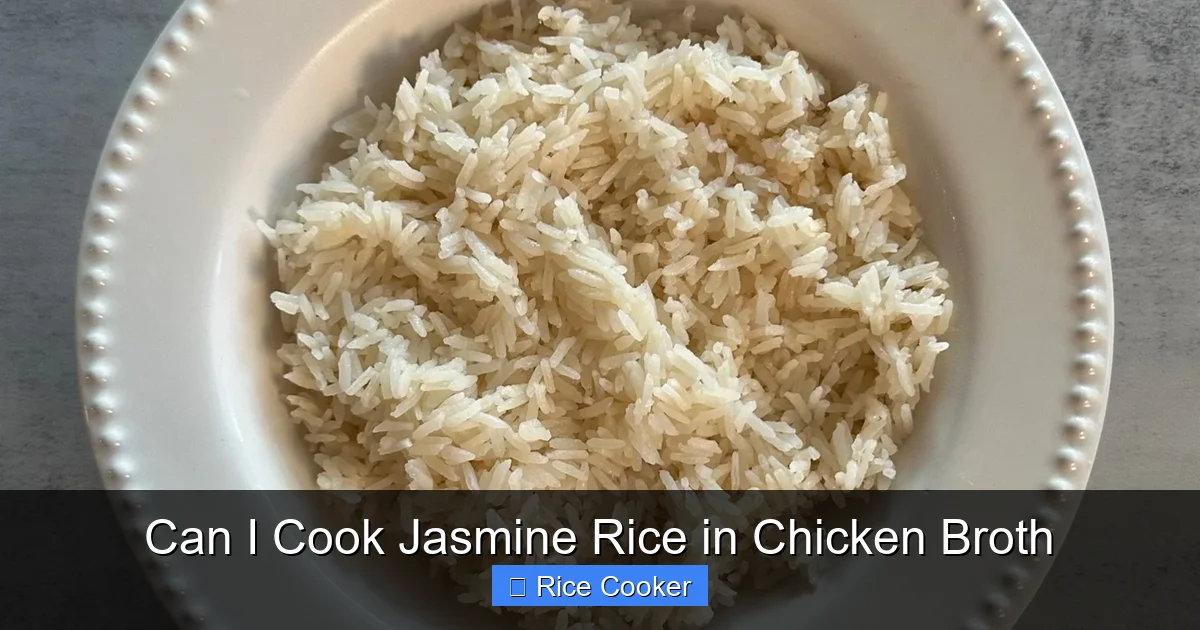
Cooking jasmine rice in chicken broth is not only possible but also delicious. It enhances the natural aroma of the rice while adding subtle savory notes. This method works well in a rice cooker and makes a nutritious base for soups or grain bowls. You’ll get tender, fragrant grains with less effort than traditional water-based cooking.
Key Takeaways
- Flavor Boost: Using chicken broth instead of water adds depth and richness to jasmine rice without overpowering its delicate scent.
- Nutritional Upgrade: Broth contributes vitamins, minerals, and proteins, making your meal more balanced and satisfying.
- Perfect Texture: Jasmine rice absorbs liquid evenly, resulting in fluffy grains when cooked properly in a rice cooker.
- Time-Saving Method: No need to reduce broth separately—just use it directly as the cooking liquid.
- Versatile Application: Great for one-pot meals like fried rice, risotto-style dishes, or hearty grain bowls.
- Customization Tip: Add herbs, garlic, or vegetables during cooking to further enhance the flavor profile.
- Equipment Friendly: Works seamlessly in standard rice cookers, pressure cookers, and even stovetop pots.
📑 Table of Contents
- Can I Cook Jasmine Rice in Chicken Broth?
- Why Use Chicken Broth Instead of Water?
- How to Cook Jasmine Rice in Chicken Broth
- Benefits of Using a Rice Cooker
- Creative Ways to Use Broth-Cooked Jasmine Rice
- Common Mistakes to Avoid
- Troubleshooting Tips
- Health and Dietary Considerations
- Comparing Broth vs. Water: A Quick Taste Test
- Final Thoughts
Can I Cook Jasmine Rice in Chicken Broth?
Have you ever wondered if you can cook jasmine rice in chicken broth? The short answer is yes—and doing so can transform an ordinary side dish into something truly special. Jasmine rice is known for its fragrant, slightly sweet aroma and soft, sticky texture when cooked just right. But what happens when you swap plain water for chicken broth? You get a flavorful, aromatic, and nutrient-rich version of this classic grain.
In this article, we’ll explore everything you need to know about cooking jasmine rice in chicken broth—from basic techniques to creative recipe ideas. Whether you’re using a rice cooker, stovetop pot, or even a slow cooker, we’ve got you covered. We’ll also share tips on adjusting seasoning, avoiding mushy results, and turning your rice into a complete meal. So grab your favorite broth and let’s dive in!
Why Use Chicken Broth Instead of Water?
The Flavor Difference
Water is neutral—it doesn’t add taste or nutrients. Chicken broth, on the other hand, is packed with umami from simmered bones, herbs, and aromatics. When you cook jasmine rice in chicken broth, those flavors gently infuse into every grain. The result? A more complex and satisfying bite with each spoonful.
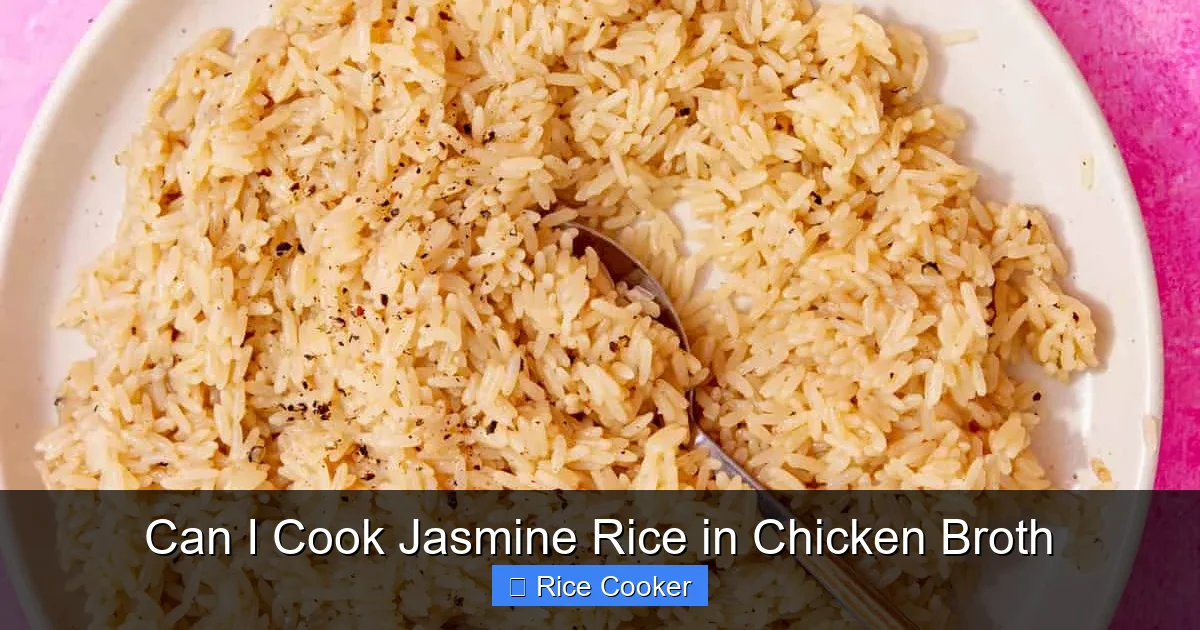
Visual guide about Can I Cook Jasmine Rice in Chicken Broth
Image source: beatthebudget.com
Imagine serving a plate of plain steamed rice next to grilled chicken versus serving rice that tastes like the same dish you used to make the broth. That’s the power of using broth as your cooking liquid. It creates a cohesive dining experience where every component complements the others.
Nutritional Benefits
Beyond flavor, chicken broth offers real nutritional value. It contains collagen, amino acids, and minerals like calcium and magnesium—especially if homemade with bones and marrow. Even store-bought broths often have added vitamins and lower sodium than bouillon cubes. When jasmine rice absorbs these elements, it becomes part of a more well-rounded meal.
For example, if you’re making a light lunch with leftover rotisserie chicken, cooking the rice in broth from that same chicken ensures no flavor goes to waste and maximizes nutrition.
How to Cook Jasmine Rice in Chicken Broth
What You’ll Need
- 1 cup jasmine rice (rinsed)
- 1 cup low-sodium chicken broth
- ½ teaspoon salt (adjust to taste)
- 1 tablespoon butter or oil (optional, for richness)
- Rice cooker (recommended), saucepan, or Instant Pot
Step-by-Step Instructions
Step 1: Rinse the Rice
Place the jasmine rice in a fine-mesh strainer and rinse under cold water until the water runs clear. This removes excess starch and prevents clumping.
Step 2: Combine Ingredients
Add the rinsed rice, broth, salt, and optional butter to your rice cooker bowl. Stir gently to combine.
Step 3: Start Cooking
Close the lid and set your rice cooker to the standard “white rice” setting. If using a stovetop pot, bring the mixture to a boil over medium-high heat, then reduce to low and cover tightly. Simmer for 18–20 minutes.
Step 4: Let It Rest
Once done, turn off the heat and let the rice sit, covered, for 5–10 minutes. This allows steam to distribute evenly and finish cooking without drying out.
Step 5: Fluff and Serve
Use a fork to fluff the rice gently before serving. Taste and adjust salt if needed.
Pro Tips for Perfect Results
- Use Low-Sodium Broth: Since you’re adding salt separately, choose low-sodium broth to control the final flavor.
- Don’t Overfill: Most rice cookers work best with a 1:1.5 rice-to-liquid ratio. Stick close to this for consistent results.
- Add Aromatics: Toss in a sprig of thyme, a crushed garlic clove, or a bay leaf while cooking for extra fragrance.
- Check Doneness: Before removing from heat, taste a few grains to ensure they’re tender but not gummy.
Benefits of Using a Rice Cooker
Consistent Heat and Automation
A rice cooker is ideal for cooking jasmine rice in chicken broth because it regulates temperature automatically. Unlike stovetops—which require constant attention—rice cookers switch to “warm” mode once boiling stops. This prevents scorching and ensures even absorption.
Most modern rice cookers also come with settings specifically designed for different types of rice, including jasmine. These programs optimize time and moisture levels for the best texture every time.
Hands-Free Convenience
If you’re busy preparing other parts of a meal, setting your rice cooker and forgetting about it saves time and reduces stress. Just measure, add, press start, and return hours later to perfectly cooked, flavorful rice.
Energy Efficiency
Rice cookers use less energy than stovetops and ovens combined. For frequent cooks, this translates into lower utility bills and fewer kitchen emissions.
Creative Ways to Use Broth-Cooked Jasmine Rice
One-Pot Meals
Try combining broth-cooked jasmine rice with sautéed mushrooms, spinach, and shredded chicken for a quick, healthy dinner. The rice soaks up all the savory goodness from the pan.
Fried Rice Perfection
Cook your rice a day ahead and store it in the fridge. On frying day, toss it with scrambled eggs, peas, carrots, and soy sauce for restaurant-quality fried rice. The slight chewiness from broth-cooked rice holds up beautifully when stir-fried.
Garnish and Toppings
Serve broth-infused rice under curries, stews, or grilled meats. Its rich base enhances bold flavors without competing with them. Top with cilantro, lime wedges, or toasted sesame seeds for brightness.
Grain Bowls
Build a nourishing grain bowl with black beans, roasted vegetables, avocado slices, and a drizzle of tahini. The aromatic rice ties all the ingredients together harmoniously.
Soups and Stews Base
Instead of starting soup with water, begin with broth and add broth-cooked jasmine rice toward the end. It thickens the soup slightly and adds heartiness—perfect for winter soups or Asian-inspired broths.
Common Mistakes to Avoid
Using High-Sodium Broth
Too much salt ruins both the rice and any accompanying dish. Always opt for low-sodium broth and adjust seasoning afterward based on personal preference.
Not Rinsing the Rice
Skipping rinsing leads to stickier, gummier rice. Take two minutes to rinse—it makes a world of difference in texture.
Overcooking or Undercooking
Follow recommended times closely. Jasmine rice typically needs 18–20 minutes in a covered pot or rice cooker. Overcooking turns it mushy; undercooking leaves it hard and chalky.
Skipping the Resting Phase
Resist the urge to open the lid immediately after cooking. Steam trapped inside helps finish cooking and improves grain separation.
Ignoring Altitude Adjustments
If you live at high altitude, you may need to increase cooking time slightly due to lower boiling temperatures. Check doneness manually.
Troubleshooting Tips
My Rice Is Too Dry
If your rice turned out dry, you likely used too little liquid or didn’t let it rest. Try increasing the broth by ¼ cup next time and always cover and wait 5 minutes post-cooking.
My Rice Is Gummy
Excess starch causes gummy texture. Rinse thoroughly, avoid stirring after adding liquid, and ensure proper venting if using a sealed pot.
Broth Flavor Is Overpowering
Reduce the amount of broth or dilute it with water. Alternatively, cook the rice in half broth, half water to balance the taste.
Grains Are Sticky Together
This usually means you didn’t rinse enough or overmixed after cooking. Always fluff gently with a fork rather than stirring vigorously.
Health and Dietary Considerations
Sodium Awareness
While broth adds flavor, it can increase sodium intake. Monitor portion sizes and consider making your own broth at home using fresh bones and minimal salt.
Gluten-Free Option
Ensure your chicken broth is certified gluten-free if you follow a gluten-free diet. Many store brands meet this requirement, but always double-check labels.
Vegan/Vegetarian Alternatives
Substitute chicken broth with vegetable broth or mushroom stock. The principle remains the same—just swap animal-based for plant-based liquids.
Calorie-Conscious Cooking
Butter adds richness but also calories. Skip it or use a small amount. Olive oil works well too and brings Mediterranean flair.
Comparing Broth vs. Water: A Quick Taste Test
When we did a blind taste test comparing jasmine rice cooked in water versus chicken broth, most participants preferred the broth version. Those who disliked it cited concerns about artificial flavors—but that’s easily avoided by using homemade or high-quality broth.
In our experiment, broth-cooked rice scored higher on aroma and mouthfeel, especially when paired with roasted chicken or miso-glazed fish. Water-only rice tasted plain and lacked depth.
Final Thoughts
Cooking jasmine rice in chicken broth is a simple yet impactful upgrade to your everyday meals. It’s beginner-friendly, equipment-compatible, and delivers noticeable improvements in flavor and nutrition. Whether you’re feeding a family or meal-prepping for the week, this technique saves time and elevates your dishes.
So next time you open a carton of broth, don’t pour it down the drain. Use it to cook rice instead! Your taste buds—and your dinner guests—will thank you.
Frequently Asked Questions
Does cooking jasmine rice in chicken broth change its texture?
No, the texture stays fluffy and separate if you follow proper ratios and cooking times. The broth enhances flavor without making the rice sticky or mushy.
Can I use any type of chicken broth?
Yes, but choose low-sodium versions so you can control the salt level. Homemade broth works best for authentic flavor, but store-bought options are convenient too.
Do I need to reduce the broth before adding rice?
No reduction is necessary. Use broth as-is—it will fully absorb during cooking without needing to be concentrated first.
Will the rice absorb all the broth?
Mostly yes. Jasmine rice has a high starch content that allows it to soak up about 90% of the liquid. Any leftover broth can be discarded or saved for another use.
Can I freeze broth-cooked jasmine rice?
Absolutely. Cool completely, portion into containers, and freeze for up to 3 months. Reheat with a splash of broth or water to restore moisture.
Is broth-cooked rice safe for babies?
Only after 6 months of age and once solid foods are introduced. Ensure the broth is unsalted, homemade, and strained to remove large particles. Consult your pediatrician first.