

You don’t need a special appliance to cook millet—your trusty rice cooker works just fine. Millet cooks quickly, absorbs liquid easily, and pairs beautifully with soups, salads, or even desserts. With the right water ratio and a little prep, your rice cooker turns out tender, golden grains that are ready in under 20 minutes. Whether you’re new to millet or want to skip the stovetop, this method is foolproof and saves time.
Key Takeaways
- Millet cooks perfectly in a rice cooker: It behaves similarly to rice, requiring only a simple rinse and measured water ratio.
- Standard water-to-rice ratio applies: Use 1.75 cups of water per cup of raw millet for ideal texture.
- No soaking required: Unlike some ancient grains, millet doesn’t need to sit before cooking.
- Cooking time is quick: Most varieties cook in 15–20 minutes once the rice cooker reaches boiling point.
- Versatile uses post-cooking: Enjoy millet as a side dish, in grain bowls, risotto-style, or even sweetened for breakfast.
- Rinse thoroughly before cooking: Removing excess starch ensures fluffier, less gummy results.
- Clean-up is easy: Just wipe the inner pot—most rice cookers have non-stick surfaces.
📑 Table of Contents
- Can I Cook Millet in a Rice Cooker?
- How to Cook Millet in a Rice Cooker: Step-by-Step Guide
- Troubleshooting Common Issues
- Tips for Perfect Millet Every Time
- Creative Ways to Serve Your Rice Cooker Millet
- Frequently Asked Questions About Cooking Millet in a Rice Cooker
- Final Thoughts: Why Millet Belongs in Your Kitchen
Can I Cook Millet in a Rice Cooker?
Have you ever looked at your trusty rice cooker and wondered, “What else can I make with this thing?” You’re not alone. While rice cookers were originally designed for—well, rice—they’ve become kitchen heroes capable of handling all sorts of grains, legumes, and even steamed vegetables. One such grain gaining popularity? Millet. Lightweight, gluten-free, and packed with nutrients, millet is making waves in health-conscious kitchens. But can it really cook up perfectly in your rice cooker?
The short answer? Absolutely. Millet is one of the easiest ancient grains to prepare using a rice cooker. In fact, it behaves much like white or brown rice when it comes to cooking mechanics. With just a few simple steps—rinse, add water, press start—you’ll have fluffy, golden-brown millet ready to serve. No fancy equipment needed. Whether you’re meal prepping for the week or whipping up a quick dinner side, millet cooked in a rice cooker delivers consistent, reliable results every time.
Why Choose Millet Over Other Grains?
If you’re new to millet, you might be asking why bother with another grain? The truth is, millet offers something unique compared to quinoa, farro, or even oats. First off, it’s naturally gluten-free, making it an excellent choice for those with celiac disease or gluten sensitivities. Second, it has a mild, slightly nutty flavor that complements both savory and sweet dishes. And third, it cooks quickly—often faster than brown rice—without needing overnight soaking or long simmering times.
Plus, millet is a nutritional powerhouse. It’s rich in antioxidants, magnesium, B vitamins, and fiber. Studies suggest it may help regulate blood sugar levels and support digestive health. Compared to refined grains like white rice, millet retains more of its natural bran and germ, preserving essential nutrients. So not only does it taste good, but it also supports your overall well-being.
How to Cook Millet in a Rice Cooker: Step-by-Step Guide
Ready to try it yourself? Here’s how to cook millet in a rice cooker so it turns out light, fluffy, and delicious every single time. The process is shockingly simple, and you probably already have everything you need.
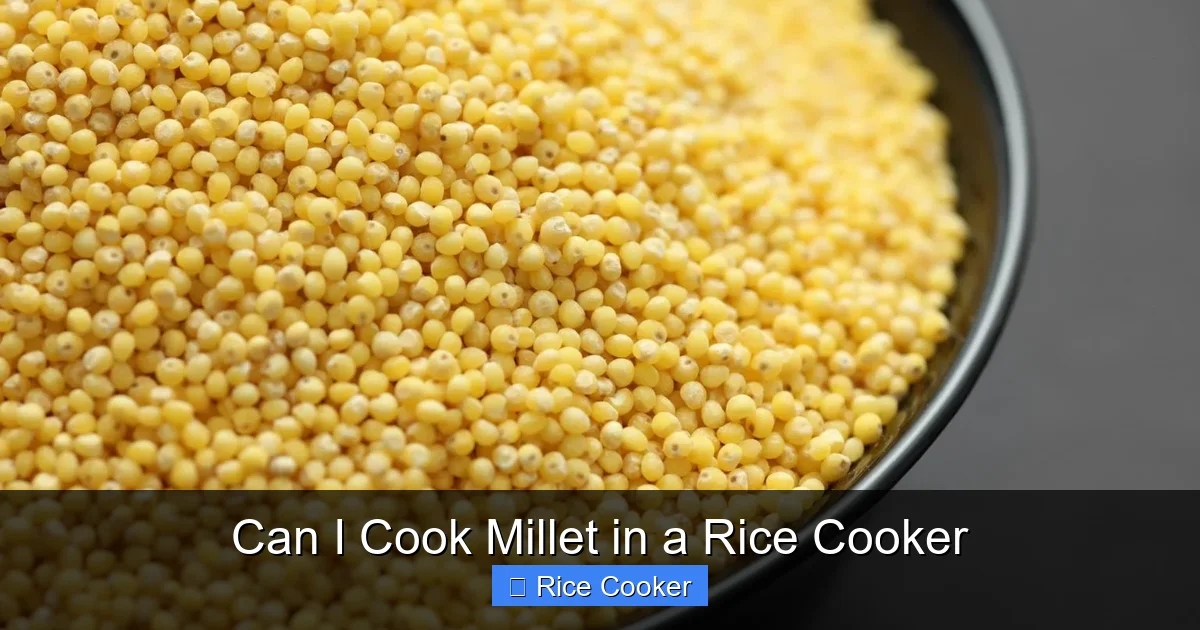
Visual guide about Can I Cook Millet in a Rice Cooker
Image source: ricecookerjunkie.com
What You’ll Need
- 1 cup uncooked millet
- 1.75 cups water (or broth for extra flavor)
- Fine-mesh strainer
- Measuring cup
- Rice cooker with inner pot
- Optional: pinch of salt, olive oil, or butter
Step 1: Rinse the Millet
Before adding anything to your rice cooker, give the millet a thorough rinse. Place the grain in a fine-mesh strainer and run it under cool, running water. Gently rub the grains between your fingers to remove any dust or debris. Rinsing also helps reduce bitterness and prevents clumping during cooking.
Pro tip: Don’t skip this step! Unrinsed millet can taste chalky or leave behind a slimy layer on top after cooking. Trust me—your taste buds will thank you.
Step 2: Add Water (and Seasoning, If Desired)
Once rinsed, transfer the millet to the inner pot of your rice cooker. Add 1.75 cups of water (or liquid) per cup of millet. For added richness, consider using vegetable or chicken broth instead of plain water. You can also toss in a pinch of salt or a teaspoon of olive oil to enhance flavor.
Note: Some modern rice cookers come with preset programs for “grain” or “whole grain.” If yours does, select that setting. Otherwise, the standard “white rice” cycle works perfectly for millet.
Step 3: Start Cooking
Close the lid securely and plug in your rice cooker. Press the “Cook” button. The machine will heat the water to a boil, then automatically switch to “Keep Warm” mode once the millet is fully cooked—usually within 15 to 20 minutes.
Don’t peek too often! Every time you lift the lid, steam escapes, which can affect cooking time. Let the rice cooker do its job undisturbed.
Step 4: Let It Rest
After the cycle ends, let the millet sit for 5 minutes with the lid closed. This resting period allows residual heat to finish cooking any remaining moisture and makes fluffing easier later. Then, gently fluff the grains with a fork before serving.
Troubleshooting Common Issues
Even though millet is forgiving in a rice cooker, there are a few common pitfalls beginners face. Let’s go over them—and how to fix them fast.
Problem: Millet Sticks to the Bottom
If your millet sticks or burns at the bottom of the pot, it’s likely because not enough water was used or the heat wasn’t properly distributed. Always use the recommended 1.75:1 water-to-grain ratio. Also, make sure the inner pot isn’t scratched or damaged—non-stick coatings help prevent sticking. If needed, add a splash of water halfway through cooking (only if your model allows manual intervention).
Problem: Grainy or Undercooked Texture
This usually happens when the water ratio is off or the cooking time is too short. Too little water leads to dry, hard grains; too much results in mushy ones. Stick to the 1.75 cup measurement, and avoid opening the lid early. If your millet still seems underdone after 20 minutes, let it continue cooking on the “Keep Warm” setting for an additional 5–10 minutes—sometimes it needs that extra push.
Problem: Slimy Surface After Cooking
A thin, sticky film on top of the cooked millet often means the grain wasn’t rinsed well enough. Re-rinse the uncooked millet thoroughly before cooking next time. Also, resist the urge to stir constantly while it’s cooking—this releases starches and creates that slimy texture.
Tips for Perfect Millet Every Time
Want to take your millet game to the next level? Try these pro tips from experienced home cooks who’ve mastered the art of rice cooker millet.
Use High-Quality Millet
Not all millet is created equal. Look for organic, stone-ground millet from reputable brands. Avoid heavily processed or pre-packaged blends unless they specify whole grain ingredients. Whole millet retains more nutrition and cooks better than milled versions.
Flavor Infusions Before Cooking
Elevate plain millet by infusing it with flavor before cooking. Try adding a bay leaf, a cinnamon stick, or a few dried apricots directly to the water and millet mixture. Remove solids before serving for a clean taste.
Experiment with Ratios for Different Textures
The classic 1.75:1 ratio gives you a balanced, slightly chewy texture. Want softer millet? Increase water to 2 cups per 1 cup of grain. Craving firmer bites? Reduce to 1.5 cups. Adjust based on personal preference or recipe needs.
Cool and Store Properly
Let cooked millet cool completely before refrigerating or freezing. Portion into small containers if meal prepping—this makes reheating quick and mess-free. Refrigerated millet lasts up to 5 days; frozen, up to 3 months.
Reheat Without Drying Out
To revive cooled millet, place it in a microwave-safe bowl, cover loosely with damp paper towel, and heat in 30-second intervals. Or add a tablespoon of water per cup and steam for 2–3 minutes until warm.
Creative Ways to Serve Your Rice Cooker Millet
Millet is incredibly versatile. Once you’ve mastered basic cooking, explore these delicious ways to enjoy your fluffy new grain.
As a Side Dish
Sauté cooked millet with garlic, onions, and herbs. Toss with lemon juice, olive oil, and a sprinkle of feta for a Mediterranean twist. Serve alongside grilled chicken, fish, or roasted vegetables.
In Grain Bowls
Layer millet with black beans, corn, avocado, salsa, and Greek yogurt for a satisfying vegetarian bowl. Top with a fried egg for protein.
Sweetened for Breakfast
Make a hot cereal by cooking millet with milk (dairy or plant-based), a pinch of cinnamon, and a drizzle of honey. Stir in chopped nuts, berries, and chia seeds for crunch and antioxidants.
Risotto-Style Creaminess
Simmer millet slowly with broth and stir occasionally for 20–25 minutes until creamy. Finish with Parmesan, mushrooms, and thyme for a comforting main course.
Baked Goods & Porridge
Substitute part of the flour in muffin or pancake batter with millet flour for added nutrition. Or mix cooked millet into overnight oats with yogurt and fruit.
Frequently Asked Questions About Cooking Millet in a Rice Cooker
Still have questions? We’ve got answers—straight from the rice cooker community.
Can I substitute broth for water?
Absolutely! Using broth instead of water adds depth and flavor. Vegetable broth works great for savory dishes, while chicken or beef broth enhances meat-based meals. Just keep the total liquid amount the same.
Do I need to soak millet before cooking?
Nope! Unlike some grains such as amaranth or teff, millet doesn’t require soaking. Rinsing and cooking straight away yields the best results.
How long does cooked millet last in the fridge?
When stored properly in an airtight container, cooked millet stays fresh for up to 5 days in the refrigerator. For longer storage, freeze portions in freezer bags for up to 3 months.
Is millet safe for people with gluten allergies?
Yes—pure millet is naturally gluten-free. However, always check labels if buying pre-packaged products, as cross-contamination during processing can occur.
Can I cook millet in a pressure cooker instead?
Yes! A pressure cooker can cook millet in about 8–10 minutes under high pressure. Use the same water ratio and allow natural release for best texture.
What type of rice cooker works best?
Any standard rice cooker with a functioning heating plate and timer will work. Models with fuzzy logic (intelligent cooking algorithms) tend to yield slightly better results due to precise temperature control, but not required.
Final Thoughts: Why Millet Belongs in Your Kitchen
Cooking millet in a rice cooker isn’t just convenient—it’s smart. It’s quick, affordable, and produces consistent results without watching the stove. Plus, millet brings something special to the table: nutrition, flavor, and versatility. From breakfast porridge to hearty grain bowls, this humble grain deserves a spot in your rotation.
So next time you reach for your rice cooker, remember: it’s not just for rice anymore. Whip out that bag of millet, follow these simple steps, and discover why so many home cooks are falling in love with this ancient superfood. Your future self—and your taste buds—will thank you.
Frequently Asked Questions
Can I substitute broth for water?
Absolutely! Using broth instead of water adds depth and flavor. Vegetable broth works great for savory dishes, while chicken or beef broth enhances meat-based meals. Just keep the total liquid amount the same.
Do I need to soak millet before cooking?
Nope! Unlike some grains such as amaranth or teff, millet doesn’t require soaking. Rinsing and cooking straight away yields the best results.
How long does cooked millet last in the fridge?
When stored properly in an airtight container, cooked millet stays fresh for up to 5 days in the refrigerator. For longer storage, freeze portions in freezer bags for up to 3 months.
Is millet safe for people with gluten allergies?
Yes—pure millet is naturally gluten-free. However, always check labels if buying pre-packaged products, as cross-contamination during processing can occur.
Can I cook millet in a pressure cooker instead?
Yes! A pressure cooker can cook millet in about 8–10 minutes under high pressure. Use the same water ratio and allow natural release for best texture.
What type of rice cooker works best?
Any standard rice cooker with a functioning heating plate and timer will work. Models with fuzzy logic (intelligent cooking algorithms) tend to yield slightly better results due to precise temperature control, but not required.