
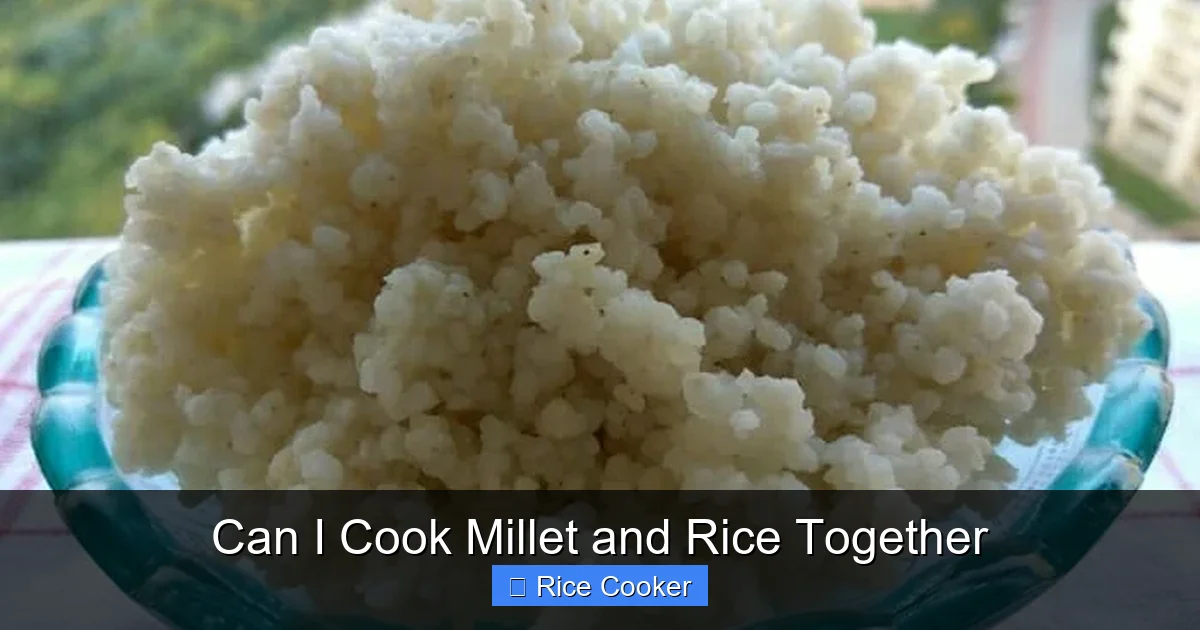
Can I cook millet and rice together? Absolutely! Combining millet and rice in your rice cooker is simple, healthy, and yields a fluffy, flavorful dish. With the right ratios and cooking method, you’ll get a balanced meal that’s both satisfying and nutritious.
Key Takeaways
- Yes, you can cook millet and rice together. They complement each other well when cooked with the right water ratio.
- Millet cooks faster than rice. To avoid overcooking millet, soak it or adjust cooking time slightly.
- Use a rice cooker for perfect results. It ensures even heat distribution and automatic shut-off.
- Soaking improves texture. Soak both grains before cooking to reduce cooking time and improve digestibility.
- Flavor and nutrition boost. Combining millet and rice creates a complete protein and adds fiber, vitamins, and minerals.
- Experiment with seasonings. Add herbs, spices, or broth to elevate the taste of your mixed grain dish.
📑 Table of Contents
- Can I Cook Millet and Rice Together? A Complete Guide to Perfectly Fluffy Mixed Grains
- Understanding Millet and Rice: What Makes Them Special?
- How to Cook Millet and Rice Together: Step-by-Step Instructions
- Best Practices for Using a Rice Cooker
- Creative Ways to Serve Millet and Rice
- Health and Dietary Considerations
- Frequently Asked Questions About Cooking Millet and Rice Together
- Final Thoughts: Yes, You Should Try It!
Can I Cook Millet and Rice Together? A Complete Guide to Perfectly Fluffy Mixed Grains
If you’re looking to diversify your grain-based meals, combining millet and rice might just be the upgrade your kitchen routine needs. These two ancient grains are not only gluten-free but also packed with nutrients, making them ideal for health-conscious eaters. But here’s the real question: can I cook millet and rice together? The answer is yes—and doing so can give you a more balanced, nutritious, and delicious meal than eating either grain alone.
Cooking millet and rice together may sound tricky at first because they have different textures and cooking times. However, with a few simple adjustments and the right technique, you can achieve a harmonious blend that’s tender, fluffy, and full of flavor. Whether you’re using an electric rice cooker, stovetop pot, or even an Instant Pot, this guide will walk you through everything you need to know. From soaking tips to seasoning ideas, we’ve got you covered.
In this comprehensive article, we’ll explore why mixing millet and rice is a smart culinary choice, how to prepare them properly, and share some tasty recipes to inspire your next meal. So grab your measuring cup and rice cooker, because we’re about to make something amazing together!
Understanding Millet and Rice: What Makes Them Special?
Before diving into the “how,” let’s talk about the “why.” Both millet and rice are staple grains around the world, but they come from different families and offer unique nutritional profiles. Understanding their characteristics helps explain why they work so well together.
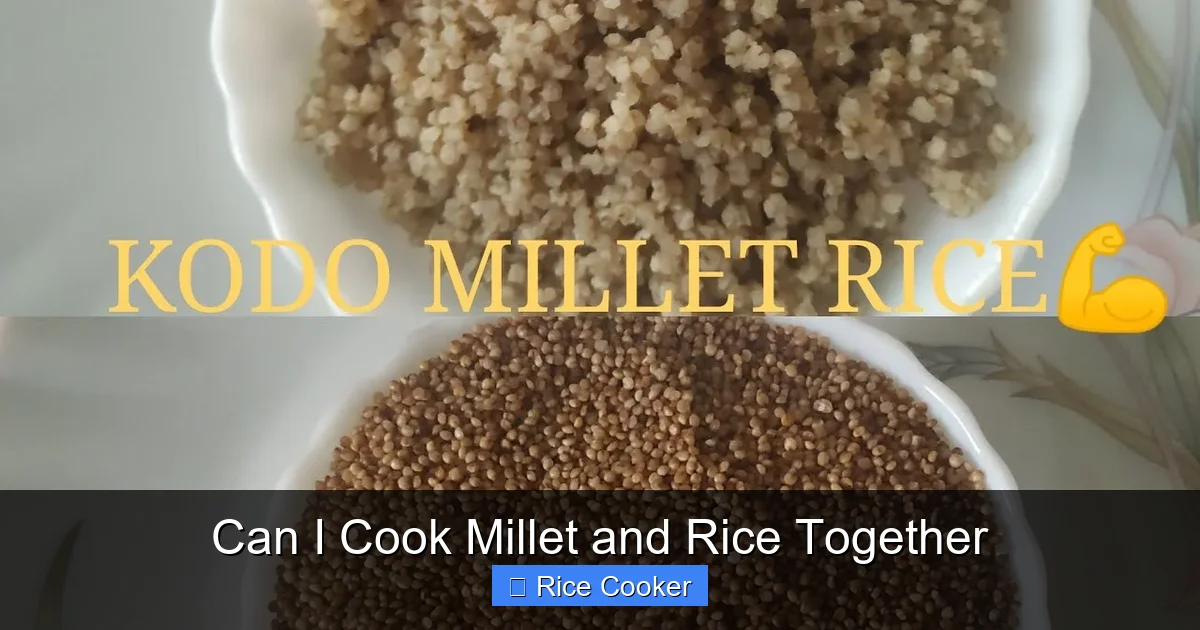
Visual guide about Can I Cook Millet and Rice Together
Image source: i.ytimg.com
The Nutritional Benefits of Millet
Millet is a small, round grain that comes in various colors like white, red, and black. It’s naturally gluten-free and rich in magnesium, phosphorus, and B-vitamins. Millet has a slightly nutty flavor and a soft, chewy texture once cooked. It’s also known for its high fiber content, which supports digestive health and helps regulate blood sugar levels.
One of the standout benefits of millet is its role as a complete protein—meaning it contains all nine essential amino acids that your body can’t produce on its own. While no single grain is truly a complete protein on its own, combining millet with rice significantly enhances the protein quality, making it more comparable to animal proteins.
The Versatility of Rice
Rice is one of the most widely consumed grains globally, especially in Asia. White rice is refined and loses much of its fiber and nutrients during processing, but brown rice retains the bran and germ, offering more fiber, antioxidants, and minerals. When combined with millet, brown rice adds creaminess and a mild sweetness that balances millet’s earthy tone.
Rice is also very absorbent, which means it soaks up flavors from broths, herbs, or spices—making it a great base for mixed grain dishes. Its neutral taste allows it to blend seamlessly with other ingredients without overpowering them.
Why Combine Millet and Rice?
When you ask, “can I cook millet and rice together,” the answer isn’t just yes—it’s a resounding absolutely. Here’s why:
- Balanced Nutrition: Millet brings protein and fiber; rice adds carbohydrates and energy.
- Improved Digestion: The combination reduces the glycemic load compared to eating refined grains alone.
- Enhanced Texture: Millet adds chewiness; rice contributes softness—creating a satisfying mouthfeel.
- Cultural Tradition: Many cuisines, including Indian, African, and Middle Eastern, traditionally mix grains for flavor and nutrition.
Now that we understand the benefits, let’s get into the practical steps of cooking them together.
How to Cook Millet and Rice Together: Step-by-Step Instructions
While it’s possible to cook millet and rice separately, combining them in one pot (or rice cooker) saves time and effort. The key is adjusting water ratios and possibly pre-soaking to ensure both grains cook evenly. Below is a foolproof method for perfect results every time.
Choosing Your Grains
Start by selecting high-quality grains. For best results:
- Use **uncooked** brown rice or jasmine rice for a softer texture.
- Choose **pearl millet** (white millet) if you prefer a milder flavor and lighter color.
- Avoid cracked or broken grains, as they can affect texture.
For a 1:1 ratio, use equal parts rice and millet by volume. A common serving size is ½ cup of each per person.
Soaking: The Secret to Even Cooking
Soaking grains reduces cooking time and improves digestibility by breaking down phytic acid, an antinutrient that can block mineral absorption. Here’s how to soak millet and rice together:
- Rinse both grains under cold water to remove dust and debris.
- Combine in a bowl with twice their volume in water.
- Let sit for 1–4 hours (overnight works too).
- Drain and rinse again before cooking.
Soaked grains require less water and cook faster, minimizing the risk of overcooked millet or undercooked rice.
Water Ratios and Cooking Methods
Unlike regular rice, millet doesn’t absorb water as quickly. If you add too much liquid, millet can become mushy. Here’s a tested ratio:
- 1 cup rice + 1 cup millet = 2 cups water
- Add ¼ teaspoon salt for flavor (optional)
- Cook on stovetop: Bring to boil, then simmer covered for 20–25 minutes.
- Cook in rice cooker: Use the same ratio and select “white rice” mode. Press start and let it do the rest!
After cooking, let the mixture sit covered for 5–10 minutes. This allows steam to redistribute and fluff the grains naturally.
Troubleshooting Common Issues
Even with perfect prep, things can go wrong. Here’s how to fix common problems:
- Millet too hard? It may need longer soaking or slightly more water. Try adding 1 extra tablespoon of water per cup of millet.
- Rice too wet? Drain excess water after cooking and fluff gently with a fork.
- Grains clumping? Stir once during the last 5 minutes of cooking to break apart clumps.
Best Practices for Using a Rice Cooker
If you have a rice cooker (which many of us do), you’re in luck. These appliances are designed to handle precise temperature control, making them ideal for mixed grains. Follow these tips for flawless results:
Prepping Your Rice Cooker
Start by rinsing the inner pot to prevent residue buildup. Then measure your soaked grains directly into the pot. Avoid overcrowding—stick to the manufacturer’s recommended capacity (usually 1–2 cups of uncooked rice equivalent).
Setting the Right Mode
Most rice cookers have a “mixed rice” or “multigrain” setting. If yours doesn’t, use the standard “white rice” cycle. Some advanced models even allow you to adjust cooking time or delay start.
Post-Cooking Care
Once done, open the lid carefully to release steam. Let it rest for 5 minutes before opening fully. Then fluff gently with a wooden spoon or fork—don’t mash!
Creative Ways to Serve Millet and Rice
The beauty of this combo is its versatility. Once you’ve mastered the basics, you can turn it into countless meals. Here are some ideas:
Simple Herbed Millet-Rice Pilaf
After cooking, toss the grains with olive oil, lemon zest, chopped parsley, garlic powder, and a pinch of smoked paprika. Serve warm as a side dish.
Vegetable-Stuffed Peppers
Fill bell peppers with a mix of cooked millet-rice, diced tomatoes, onions, black beans, and corn. Bake at 375°F (190°C) for 30 minutes.
Breakfast Porridge
Cook the grains with almond milk, cinnamon, and a drizzle of honey. Top with sliced almonds and fresh fruit for a hearty breakfast.
Stuffed Tomatoes
Halve cherry tomatoes, scoop out seeds, and fill with millet-rice mixture mixed with feta, spinach, and pine nuts. Broil until bubbly.
International Inspirations
In parts of India, millet is often mixed with rice to make khichdi—a comforting lentil-and-grain stew. Similarly, Ethiopian injera uses teff (another small grain) alongside rice in some regional dishes. You can recreate these traditions at home!
Health and Dietary Considerations
Mixing millet and rice isn’t just about taste—it’s a smart dietary strategy. Here’s how it benefits different lifestyles:
Gluten-Free Living
Both millet and rice are naturally gluten-free, making this combo safe for those with celiac disease or gluten sensitivity. Always check labels to avoid cross-contamination.
Weight Management
High in fiber and protein, this grain blend keeps you full longer, reducing snacking urges. It’s a great alternative to white pasta or bread.
Diabetes-Friendly Option
Because millet has a lower glycemic index than white rice, combining it moderates blood sugar spikes. Pair it with lean protein or healthy fats for optimal glucose control.
Vegan and Plant-Based Diets
This duo provides a near-complete protein profile when eaten regularly with legumes or seeds. It’s a budget-friendly way to meet amino acid needs without relying on meat.
Frequently Asked Questions About Cooking Millet and Rice Together
We know you’ve got questions—and we’ve got answers. Here are the most common queries people ask when considering this grain combo.
Can I use instant rice instead of regular rice?
Yes, but instant rice cooks faster. If using it, reduce water by 1–2 tablespoons and check doneness early. Mixing with millet still works, but texture may be softer.
Do I need to soak millet?
Soaking is optional but highly recommended. It shortens cooking time and makes millet easier to digest. For quick prep, rinse well and skip soaking if needed.
Can I cook millet and rice together in an Instant Pot?
Absolutely! Use the same water ratio, set to manual pressure cook for 6 minutes, then natural release for 10 minutes. Let it sit, then fluff.
What if my rice cooker doesn’t have a multigrain setting?
No problem. Just use the standard “white rice” function. The slight difference in cooking times won’t matter since both grains will finish around the same time.
Can I freeze leftover millet-rice?
Yes! Cool completely, portion into freezer-safe bags, and store for up to 3 months. Reheat in the microwave or on the stovetop with a splash of water.
Is millet better than rice?
They’re different—not better or worse. Millet has more protein and fiber; rice is higher in carbs. Together, they create a balanced, nourishing meal.
Final Thoughts: Yes, You Should Try It!
So, can I cook millet and rice together? Without hesitation—yes. Not only is it possible, but it’s also a smart, delicious, and nutritious choice that belongs in every modern kitchen. Whether you’re meal-prepping for the week, feeding a family, or exploring global flavors, this grain duo offers flexibility, health benefits, and incredible taste.
With minimal effort and a little practice, you’ll master the art of mixed grain cooking. Start today, experiment with seasonings, and soon you’ll wonder how you ever ate plain rice alone. After all, life’s too short for boring meals—especially when something as simple as combining two wholesome grains can transform your plate.
Ready to give it a try? Grab your rice cooker, measure out your grains, and let the magic begin. Your taste buds—and your body—will thank you.
Frequently Asked Questions
Can I use instant rice instead of regular rice when cooking with millet?
Yes, instant rice works well, but it cooks faster. Reduce the water slightly and check for doneness early to prevent mushiness. The combination still yields a tasty result.
Do I need to soak millet before cooking it with rice?
Soaking is not mandatory but recommended. It shortens cooking time and improves digestibility. Rinse thoroughly before and after soaking for best results.
Can I cook millet and rice together in an Instant Pot?
Absolutely! Use a 1:1 ratio of grains and 2 cups of water for every 2 cups of grains. Pressure cook for 6 minutes, then let it naturally release for 10 minutes before fluffing.
What if my rice cooker doesn’t have a multigrain setting?
No issue! Use the standard “white rice” or “basic” setting. Most rice cookers handle mixed grains fine, and the timer will still work effectively.
Can I freeze leftover millet and rice?
Yes, cool completely, portion into containers or freezer bags, and freeze for up to 3 months. Reheat with a bit of water or broth to restore moisture.
Is millet healthier than rice?
They serve different nutritional roles. Millet has more protein and fiber; rice is higher in carbs. Together, they provide a more balanced, complete meal than either alone.