
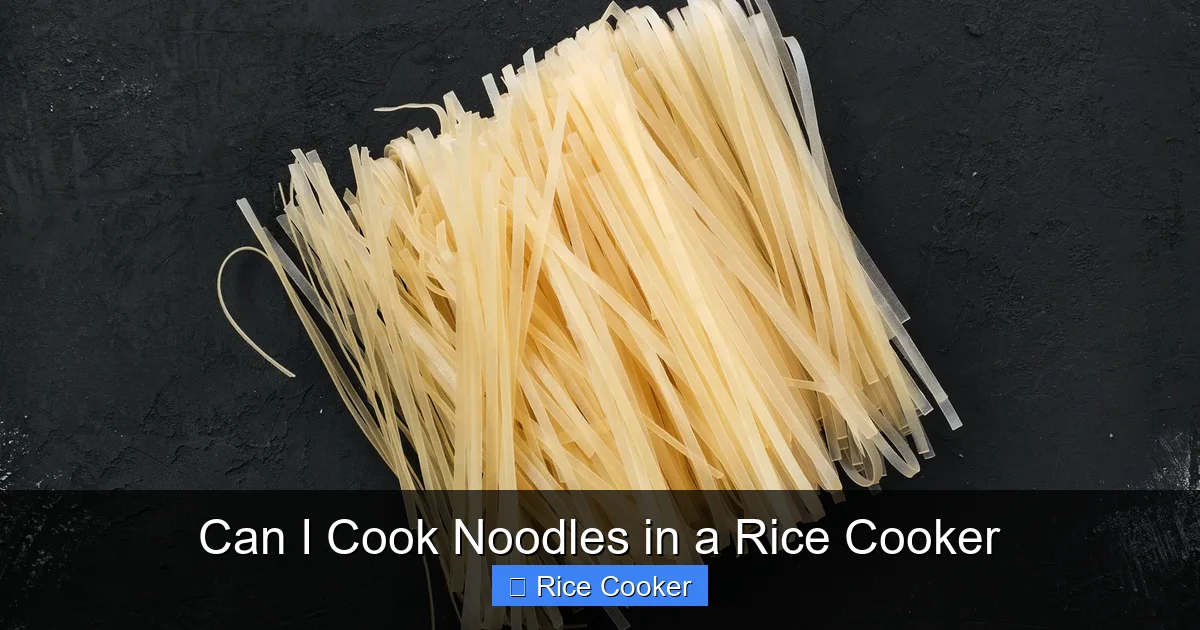
You absolutely can cook noodles in a rice cooker, and it’s simpler than you might think. With the right technique and ingredients, you can enjoy fluffy, evenly cooked noodles without needing a stovetop. Whether you’re meal-prepping or craving comfort food fast, your rice cooker is a versatile kitchen tool worth knowing.
Key Takeaways
- Yes, it’s possible: A rice cooker can cook noodles effectively using its steam and heat functions.
- Types matter: Stickier noodles like ramen work best; avoid overly thin or delicate types.
- Water ratio is key: Use more water than usual since rice cookers absorb less moisture than pots.
- Cooking time varies: Most noodles take 8–15 minutes depending on thickness and type.
- Seasoning comes last: Add sauce and seasonings after cooking to prevent sticking.
- Safety first: Always use the rice cooker’s lid to retain steam and heat properly.
📑 Table of Contents
- Can I Cook Noodles in a Rice Cooker?
- Why Use a Rice Cooker for Cooking Noodles?
- What Types of Noodles Work Best in a Rice Cooker?
- Step-by-Step Guide: How to Cook Noodles in a Rice Cooker
- Tips for Perfect Noodle Results Every Time
- Creative Recipes Using Rice Cooker Noodles
- Troubleshooting Common Issues
- Can You Cook Other Grains Alongside Noodles?
- Is It Safe to Cook Noodles in a Rice Cooker?
- Final Thoughts: Embrace the Versatility
Can I Cook Noodles in a Rice Cooker?
If you’ve ever found yourself staring into an empty rice cooker after making a pot of jasmine rice, wondering what else you can do with this trusty kitchen appliance, you’re not alone. The rice cooker has evolved from a simple device for steaming grains to a multi-functional cooking companion. One of the most surprising yet effective uses? Cooking noodles. Yes—you heard that right. You can actually cook a variety of noodles directly in your rice cooker with minimal effort and excellent results.
Whether you’re in a rush, don’t want to clean another pot, or simply love experimenting with your appliances, learning how to cook noodles in a rice cooker opens up a world of culinary possibilities. From instant ramen to udon, spaghetti to rice noodles, your rice cooker can handle it all—especially when you follow the right steps. In this comprehensive guide, we’ll walk you through everything you need to know: which noodles work best, how to adjust cooking times, and even some creative recipes to try. Let’s dive in!
Why Use a Rice Cooker for Cooking Noodles?
Before we get into the “how,” let’s talk about the “why.” Why would anyone choose a rice cooker over their trusty stove or microwave for cooking pasta? There are several compelling reasons:
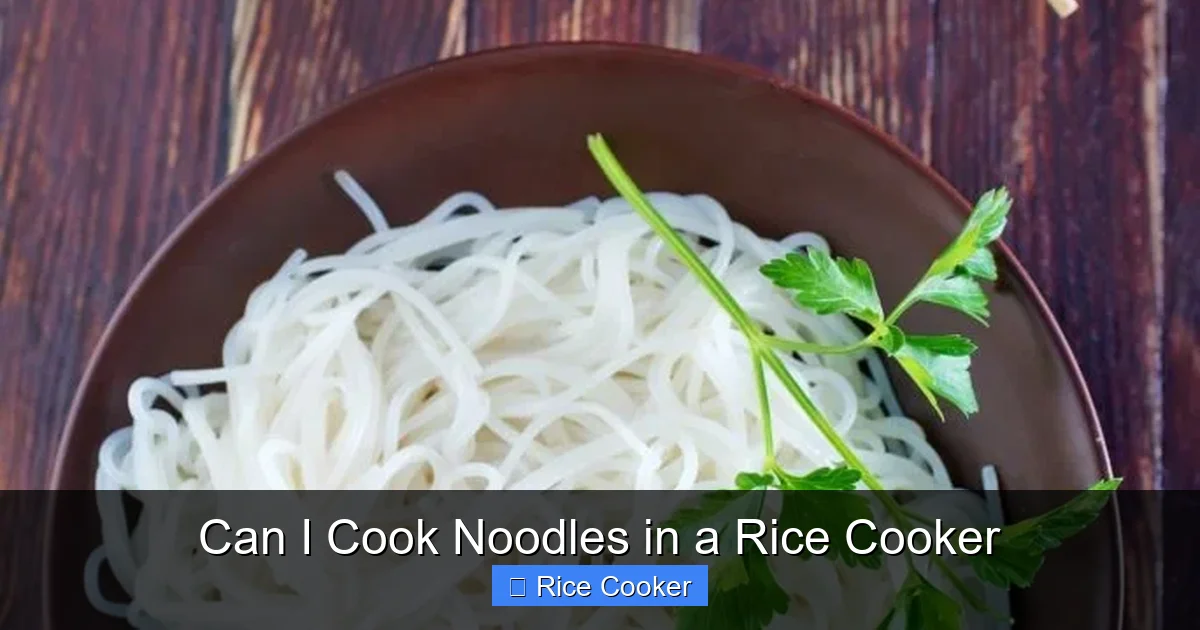
Visual guide about Can I Cook Noodles in a Rice Cooker
Image source: ricecookerjunkie.com
Convenience and Simplicity
Rice cookers require no constant monitoring. Once you add the ingredients and press start, the machine does the rest. This is especially helpful when you’re tired, busy, or just don’t feel like standing over a hot stove. No stirring, no watching for bubbles—just set it and forget it (almost).
Even Heat Distribution
Rice cookers use consistent, controlled heating elements that distribute warmth evenly across the cooking surface. This means your noodles cook uniformly without burning or sticking, especially important for longer noodles like fettuccine or udon.
Energy Efficiency
Compared to boiling a full pot of water on the stove, using a rice cooker consumes less energy. It heats up quickly and retains heat well, making it a greener choice for everyday meals.
Space-Saving Solution
For small kitchens or dorm rooms where space is limited, a rice cooker is a compact alternative to a stove. It’s perfect for students, apartment dwellers, or anyone who wants to maximize limited counter space.
Versatility Beyond Rice
Many people think of rice cookers as one-trick ponies. But modern models—especially programmable ones—can steam vegetables, make soups, bake cakes, and yes, cook noodles. Expanding your rice cooker’s role means fewer appliances cluttering your kitchen.
What Types of Noodles Work Best in a Rice Cooker?
Not all noodles are created equal when it comes to rice cooker cooking. Some respond better to the method than others. Here’s a breakdown of the best and worst choices:
Top Performers: Noodles That Shine
- Ramen Noodles: These are practically made for rice cookers. Their firm texture holds up well during extended cooking, and they absorb flavor beautifully.
- Udon and Soba Noodles: Thick udon noodles cook evenly, while buckwheat soba adds nutty depth. Both work great once soaked briefly before cooking.
- Pasta (Short Forms): Penne, rotini, and fusilli tend to fare better than long pastas because they’re less likely to clump.
- Rice Noodles: Especially good for stir-fry-style dishes. They soften quickly and pair well with soy-based sauces.
- Instant Noodles (Cup Noodles): Surprisingly effective. Just break the packet open and follow standard instructions.
Noodles to Approach with Caution
- Angel Hair (Capellini): Too delicate—it can turn mushy or disintegrate.
- Linguine and Fettuccine: Long strands may tangle or stick if not monitored closely.
- Dried Egg Noodles: Can become gummy if overcooked; soak first to reduce risk.
Pro Tip: For long pastas, consider pre-boiling them for 2–3 minutes before transferring to the rice cooker. This reduces total cooking time and prevents sticking.
Step-by-Step Guide: How to Cook Noodles in a Rice Cooker
Ready to give it a try? Follow these simple steps for foolproof noodle success:
Step 1: Choose Your Noodles and Portion Size
Start by selecting the right type and amount. A general rule: use 1 cup of dry noodles per serving. If you’re making soup, increase liquid accordingly.
Step 2: Measure Water Correctly
This is arguably the most critical step. Unlike boiling, where excess water evaporates, rice cookers absorb moisture slowly. Use twice the volume of water compared to traditional boiling. So for 1 cup of noodles, use 2 cups of water. Adjust slightly based on your model—some need even more.
Step 3: Add Ingredients in Layers
Place the noodles at the bottom of the inner pot. Pour in the water. If adding protein or veggies, layer them on top of the noodles—don’t mix everything together. This ensures even cooking and prevents clumping.
Step 4: Close the Lid and Start Cooking
Secure the lid tightly. Select the “Cook” or “White Rice” setting unless your model has a dedicated “Pasta” mode (rare but helpful). Press start.
Step 5: Wait Patiently
Cooking usually takes 10–15 minutes. Resist the urge to open the lid frequently—steam escapes, and temperature drops, leading to uneven results.
Step 6: Fluff and Check Doneness
Once the cycle ends, wait 2–3 minutes, then gently fluff the noodles with a fork. Taste-test: they should be tender but still slightly chewy (al dente). If undercooked, close the lid and press “Cook” again for 2–3 more minutes.
Step 7: Drain Excess Water (If Needed)
After cooking, if there’s too much water left, tilt the pot and drain gently using a strainer or spoon. Don’t rinse unless specified by the recipe.
Step 8: Season and Serve
Add your favorite sauces, herbs, cheese, or protein. Toss everything together until well coated. Serve immediately while hot.
Tips for Perfect Noodle Results Every Time
Even with the right method, small tweaks can make a big difference. Here are expert-level tips to elevate your rice cooker noodle game:
Use a Non-Stick Inner Pot
If your rice cooker has a removable liner, opt for one with a non-stick coating. This makes cleanup easier and reduces the chance of noodles sticking during cooking.
Break Up Clumps Before Adding Water
Separate tangled noodles by hand before placing them in the pot. This ensures each strand cooks evenly and avoids mushy spots.
Pre-Soak Delicate Noodles
For dried rice noodles or vermicelli, soak them in warm water for 10–15 minutes before cooking. This shortens cooking time and improves texture.
Don’t Overfill the Pot
Most rice cookers have a max fill line. Stay below it to allow proper circulation of steam and heat. Overfilling can lead to uneven cooking or overflow.
Experiment with Broths and Stocks
Instead of plain water, try using chicken, beef, or vegetable broth. It infuses extra flavor into the noodles and creates a heartier dish. Just remember to adjust salt levels when adding seasonings later.
Clean Immediately After Use
Noodles can leave starch residue that hardens over time. Rinse the inner pot with warm, soapy water right after use to keep it in top condition.
Try the “Keep Warm” Function (Sparingly)
The keep-warm setting isn’t ideal for prolonged noodle storage. It can dry out the noodles or cause them to become rubbery. Serve fresh whenever possible.
Creative Recipes Using Rice Cooker Noodles
Now that you know the basics, let’s spice things up with some delicious ideas:
1. Creamy Garlic Parmesan Pasta
After cooking penne in broth, stir in ½ cup heavy cream, ¼ cup grated Parmesan, 2 minced garlic cloves, and black pepper. Simmer on “Warm” for 2 minutes until creamy.
2. Vietnamese Pho-Inspired Rice Noodle Bowl
Soak rice noodles, then cook with star anise, cinnamon stick, onion, and ginger in water. Add sliced beef or tofu, bean sprouts, and cilantro. Finish with hoisin and sriracha.
3. Spicy Korean Ramyeon
Cook instant ramen with a dash of gochujang, a beaten egg, and spinach. Top with green onions and crushed peanuts for authentic flair.
4. Mushroom & Udon Stir-Fry
Cook udon noodles with sliced mushrooms, garlic, soy sauce, and sesame oil. Add edamame or bok choy halfway through. Garnish with scallions.
5. Chocolate Rice Cake (Sweet Twist)
Yes, really! Mix cooked rice noodles with cocoa powder, maple syrup, and coconut milk. Chill and serve as a fun dessert alternative.
Troubleshooting Common Issues
Despite its simplicity, cooking noodles in a rice cooker isn’t always perfect. Here’s how to fix common problems:
Noodles Are Too Dry or Crunchy
This usually means insufficient water or too short a cooking time. Next time, add ¼–½ cup more liquid and extend cooking by 2–3 minutes. Cover tightly to retain moisture.
Noodles Stick Together
Caused by overcooking or inadequate water. Break up clumps before cooking, use more water, and avoid opening the lid mid-cycle.
Too Much Water Left After Cooking
Drain gently using a colander. Future batches may need slightly less water—experiment to find your ideal ratio.
Flavor Is Bland
Always cook in seasoned liquid (broth, stock, or seasoned water) instead of plain water. Add salt, soy sauce, or miso paste during cooking for depth.
Rice Cooker Smells Like Old Noodles
Clean the inner pot thoroughly after each use. Wash with hot water and baking soda to remove lingering odors. Avoid leaving cooked residue inside overnight.
Can You Cook Other Grains Alongside Noodles?
Absolutely! Many rice cooker recipes combine grains and noodles for balanced, filling meals. Try:
- Rice + Noodles: Cook jasmine rice and udon together in separate compartments (if your model has dual baskets).
- Quinoa + Pasta: Layer quinoa at the bottom, then add pasta on top with extra water. Cook until both are done.
- Oats + Rice Noodles: Great for breakfast—make a savory oat porridge with noodles and vegetables.
Just ensure the liquids are adjusted appropriately and cooking times are staggered if needed.
Is It Safe to Cook Noodles in a Rice Cooker?
Yes—as long as you follow basic safety guidelines. Always use the original inner pot designed for your model. Never submerge electrical components or run the unit dry. Clean regularly to prevent bacterial growth. And remember: while the rice cooker mimics boiling, it doesn’t reach the same rolling boil, so ensure noodles are fully cooked before eating.
Final Thoughts: Embrace the Versatility
Your rice cooker is more than just a grain steamer—it’s a gateway to quick, tasty, and innovative meals. Learning how to cook noodles in a rice cooker isn’t just a party trick; it’s a practical skill that saves time, reduces cleanup, and expands your culinary repertoire. Whether you’re whipping up a weeknight dinner or impressing guests with a homemade pho bowl, this method delivers.
So next time you reach for the pasta box, pause—consider your rice cooker instead. With the right approach, you’ll discover that sometimes the simplest kitchen tools yield the most satisfying results. Happy cooking!
Frequently Asked Questions
Can I cook any type of noodle in a rice cooker?
Most thick or medium-textured noodles work well, such as ramen, udon, and short pasta forms. Delicate or very thin noodles may become mushy. Pre-soaking or partial boiling can help tricky types cook properly.
How much water do I need when cooking noodles in a rice cooker?
Use approximately twice the volume of water compared to the dry noodles. For example, 1 cup of noodles requires about 2 cups of water. Adjust based on your model and desired consistency—more water means softer noodles.
Do I need to pre-cook noodles before putting them in the rice cooker?
Not always. Fresh or instant noodles usually cook fine in the rice cooker. However, for dried long pastas or very firm noodles, a 2–3 minute pre-boil can prevent sticking and speed up overall cooking time.
Can I add sauce while the noodles are cooking?
It’s best to avoid adding sauce until after cooking. Sauces can break down during high-heat cooking or cause noodles to stick. Instead, cook in seasoned liquid like broth, then toss with your final sauce before serving.
Will my rice cooker get damaged if I cook noodles in it?
No, as long as you use only the approved inner pot and follow manufacturer guidelines. Most modern rice cookers are sturdy enough for occasional noodle cooking. Just avoid running the unit without water or food inside.
Can I cook noodles and vegetables together in a rice cooker?
Yes! Layer noodles at the bottom, add chopped vegetables and protein on top, then pour in water or broth. Cooking times may vary—check frequently toward the end if using delicate veggies like spinach or broccoli.