
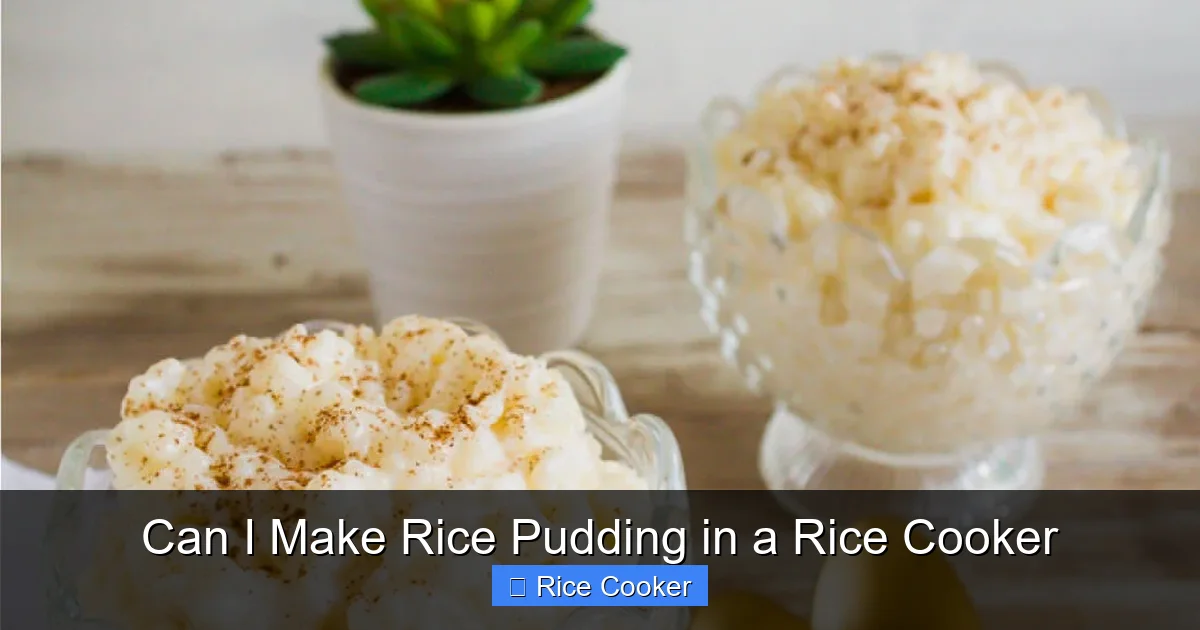
Making rice pudding in a rice cooker is not only possible but also incredibly convenient. With just a few basic ingredients like rice, milk, sugar, and flavorings, your rice cooker transforms into a cozy dessert maker in under an hour. Whether you’re a beginner or a seasoned cook, this foolproof technique delivers creamy, comforting results without constant stirring or babysitting.
Key Takeaways
- Effortless Preparation: No need to stand over the stove—your rice cooker does all the work while you relax.
- Perfect Texture Every Time: The consistent heat and steam cycle ensure tender grains and silky creaminess.
- Customizable Flavors: Add cinnamon, vanilla, raisins, nuts, or even fruit for endless variations.
- Great for Meal Prep: Make a big batch ahead of time; it keeps well in the fridge for up to five days.
- Healthier Options Available: Use almond milk, reduce sugar, or swap white rice for brown rice to suit dietary needs.
- Kid-Friendly & Adult-Approved: A nostalgic comfort food that appeals to all ages.
- Saves Time & Cleanup: One pot, one appliance—minimal dishes and maximum flavor.
[FEATURED_IMAGE_PLACEHOLDER]
Can I Make Rice Pudding in a Rice Cooker? Absolutely!
If you’ve ever craved that warm, creamy, slightly sweet comfort of homemade rice pudding but didn’t want to spend time simmering on the stovetop, you’re in luck. Yes—you absolutely can make rice pudding in a rice cooker. In fact, using your rice cooker opens up a whole new world of possibilities for quick, hands-off desserts that are as easy as making a bowl of plain white rice.
Rice pudding is one of those classic desserts with deep roots in global cuisines—think French riz au lait, Indian kheer, or American Southern-style sweet rice puddings. Traditionally, these recipes require constant stirring over low heat to prevent scorching and achieve that signature creamy consistency. But with today’s smart appliances, including standard rice cookers (both basic and programmable models), replicating this beloved treat has never been simpler.
Whether you’re preparing it for breakfast, dessert, or even a cozy snack, making rice pudding in your rice cooker combines convenience with delicious results. Plus, since rice cookers regulate temperature automatically, there’s little risk of burning or uneven cooking. So grab your favorite long-grain rice, pour in some milk, add a pinch of spice, and let your kitchen appliance do the rest.
In this article, we’ll walk you through everything you need to know—from choosing the right rice type to customizing flavors, troubleshooting common issues, and even turning your leftover rice into instant pudding. By the end, you’ll be ready to impress yourself (and maybe your guests) with a restaurant-quality dessert made in minutes.
The Magic Behind Rice Cooker Cooking
Before diving into the recipe, it helps to understand why a rice cooker works so well for making rice pudding. Unlike traditional stovetop methods that rely on manual monitoring and adjusting heat levels, a rice cooker uses automated cycles designed specifically for grain-based dishes.
When you set your rice cooker to “white rice” mode (or equivalent), it first heats rapidly to bring water to a boil, then switches to a gentle warming phase once the grains are fully cooked. This two-stage process mimics the ideal conditions needed for rice pudding: high initial heat to cook the starch, followed by sustained warmth to thicken and meld flavors together.
Most modern rice cookers also have a “keep warm” function, which maintains the perfect serving temperature without overcooking or drying out the mixture. That means your pudding stays rich and creamy until you’re ready to serve—no hot plates or double boilers required.
Another advantage? Minimal supervision. Once you’ve added all your ingredients and pressed start, you can focus on other tasks or simply enjoy the comforting aroma filling your kitchen. It’s the ultimate multitasking tool for home cooks who value both quality and convenience.
Types of Rice Cookers That Work Best
Not all rice cookers are created equal when it comes to making rice pudding. While most will get the job done, certain features enhance the experience:
- Standard Micom Models: These intelligent units use microchips to detect moisture levels and adjust timing accordingly. They often come with multiple settings—like “porridge,” “sweet rice,” or even “congee”—which can be repurposed for pudding.
- Basic On/Off Units: Even simple rice cookers without digital displays can make great pudding, especially if they have a thick inner pot that distributes heat evenly.
- Nonstick Pots: Look for pots with a smooth, nonstick coating to prevent sticking—especially important since pudding tends to cling to surfaces during the thickening phase.
If your rice cooker has a “rice pudding” or “dessert” setting, use it! If not, stick with the default white rice program—it’s perfectly suited for this purpose.
A Classic Rice Pudding Recipe Using Your Rice Cooker
Ready to try it yourself? Here’s a foolproof base recipe that yields about 6 servings. You can always tweak it later based on personal taste preferences.
Ingredients
- 1 cup long-grain white rice (such as Jasmine or Basmati)
- 2½ cups whole milk (or plant-based alternative like almond or oat milk)
- ½ cup heavy cream or additional milk (for richness)
- ⅓ cup granulated sugar (adjust to taste)
- ¼ teaspoon ground cinnamon (plus extra for garnish)
- Pinch of salt
- 1 teaspoon pure vanilla extract
- Optional add-ins: ¼ cup raisins, ¼ cup chopped pecans or walnuts, zest of ½ lemon
Instructions
- Rinse the rice under cold water until the water runs clear. This removes excess starch and prevents gumminess.
- In the inner pot of your rice cooker, combine rinsed rice, milk, cream, sugar, cinnamon, and salt. Stir gently to mix.
- Add any optional ingredients now (raisins, nuts, etc.).
- Close the lid and select the “white rice” or standard cooking cycle. Do not open the lid during cooking unless necessary.
- Once the cycle ends, let the pudding sit for 5–10 minutes with the lid closed. This allows residual heat to finish softening any remaining grains and thickens the texture.
- Stir gently to loosen any settled bits at the bottom. Add vanilla extract and stir again.
- Serve warm, topped with a sprinkle of cinnamon, a drizzle of honey, or a dollop of whipped cream.
Pro tip: For an even creamier result, mash some of the cooked rice with a fork before adding the vanilla—this breaks down starch molecules and boosts thickness.
Choosing the Right Rice for Pudding
The type of rice you choose significantly impacts your pudding’s final texture and mouthfeel. While many people default to short-grain sushi rice, long-grain varieties actually work better here because they absorb liquid more evenly and don’t become overly sticky.
Here’s a quick guide:
Best Rice Types for Rice Pudding
- Long-Grain White Rice (Jasmine, Basmati): Light, fluffy, and absorbent—perfect for achieving that luscious, custard-like consistency.
- Aromatic Varieties: Jasmine adds subtle floral notes; Basmati brings nutty undertones that complement spices beautifully.
- Parboiled Rice: Slightly firmer than regular white rice, it holds its shape well while still absorbing plenty of flavor.
Avoid short-grain or glutinous rice—they tend to turn mushy and clumpy when cooked with dairy.
Brown Rice Option?
Yes! Brown rice makes a nuttier, fiber-rich version of rice pudding. However, it requires longer cooking times and more liquid. To adapt the recipe:
- Use 1¼ cups of brown rice per 2½ cups liquid.
- Cook on the “brown rice” setting if available, or extend cooking time by 15–20 minutes.
- Expect a chewier, denser texture—some prefer it, others don’t. Taste test before committing!
Flavor Variations and Creative Twists
One of the best things about rice pudding is how easily it adapts to different tastes and traditions. Below are several popular ways to elevate your basic recipe:
Spiced & Warm Versions
Add cardamom, nutmeg, or allspice along with cinnamon for a festive twist—ideal for fall or winter gatherings. A splash of orange liqueur or brandy also adds sophistication.
Fruity Additions
Fresh berries (strawberries, blueberries) or diced apples cook gently into the pudding during the last 10 minutes of cooking. Dried cranberries or apricots offer a chewy contrast.
Nutty & Crunchy Toppers
Toast almonds or pistachios in butter until golden, then fold them in at the end for crunch. Walnut pieces soaked in rum overnight make decadent holiday treats.
Milk Alternatives
Dairy-free? Try coconut milk for tropical flair, soy milk for protein boost, or lactose-free options if you’re sensitive. Just note that plant milks may alter sweetness and richness slightly.
Sweet vs. Savory
Believe it or not, savory rice puddings exist! Swap sugar for miso paste, add grated ginger and sesame seeds, and top with pickled vegetables for an unexpected Asian fusion dish.
Experimentation is part of the fun—don’t be afraid to mix and match!
Troubleshooting Common Issues
Even with the simplest recipes, small hiccups can happen. Here’s how to fix them:
Pudding Too Watery?
This usually means too much liquid was used or the rice wasn’t rinsed properly. Next time, reduce milk by ¼ cup and rinse the rice thoroughly. Also, avoid opening the lid mid-cycle—steam loss slows absorption.
Grains Stuck at Bottom?
Your rice cooker might need descaling, or the pot could be worn out. Clean the interior regularly with vinegar-water solution. Alternatively, coat the bottom lightly with oil or butter before adding ingredients next time.
Too Thick or Gummy?
Overcooked rice or insufficient stirring leads to clumping. If this happens, transfer half the pudding to another container, add a splash of hot milk, and reheat in the microwave or on low stove heat while whisking constantly.
Burnt Smell?
Old residue or mineral buildup causes odors. Run a cleaning cycle with baking soda and water monthly. Never skip rinsing the rice—unwashed grains release too much starch, creating scorching risks.
With these tips, your rice cooker pudding will consistently turn out smooth, rich, and satisfying.
Meal Prep and Storage Tips
Want to make ahead? Rice pudding stores exceptionally well—and sometimes improves as flavors meld overnight.
How to Store
Refrigerate in an airtight container for up to 5 days. Layer with parchment paper if stacking containers. Reheat gently on the stove or in short bursts in the microwave, stirring between intervals to restore creaminess.
Cold Serving Ideas
Chilled rice pudding is refreshing! Serve over ice cream, pair with fresh fruit, or top with granola for a breakfast parfait. Some cultures even eat it straight from the fridge—no judgment here.
Freezing?
Yes, but texture changes slightly upon thawing. Portion into freezer-safe jars, leave ½-inch headspace, and freeze up to 2 months. Defrost overnight in the fridge and stir vigorously before eating.
Why Rice Cooker Rice Pudding Is Worth Trying
At first glance, making dessert in your rice cooker might sound unconventional. But once you experience the ease, reliability, and delicious outcomes, you’ll wonder why anyone bothered with stovetop versions.
For busy parents, students, or anyone short on time, this method offers a stress-free route to homemade goodness. No babysitting required. No burnt edges. Just set it and forget it—until mealtime.
Plus, it’s budget-friendly. Rice, milk, and sugar are pantry staples in almost every household. And because portions are large, you’ll save money compared to buying store-bought desserts.
Environmentally conscious? Reduce single-use packaging and create zero-waste meals with reusable containers and bulk ingredients.
And let’s not forget the joy of sharing something homemade. Imagine serving warm, aromatic rice pudding to friends during a chilly evening—it’s more than food; it’s hospitality.
Final Thoughts
So, can you make rice pudding in a rice cooker? Without hesitation—yes! It’s practical, delicious, and adaptable to countless personal preferences. Whether you’re craving tradition or innovation, this appliance-powered approach delivers on all fronts.
Start with the basic recipe above, then gradually experiment with spices, fruits, and textures. Soon enough, your rice cooker won’t just be for grains—it’ll become your go-to kitchen hero for comforting classics.
Remember: the key is simplicity. Embrace the magic of automation, trust your machine, and savor every spoonful of that creamy, dreamy goodness.
Now go ahead—turn on your rice cooker, gather your ingredients, and treat yourself to a slice of homemade bliss.
This is a comprehensive guide about can i make rice pudding in a rice cooker.
Key Takeaways
- Understanding can i make rice pudding in a rice cooker: Provides essential knowledge
Frequently Asked Questions
Can I use leftover cooked rice to make pudding in my rice cooker?
Yes, but it won’t thicken properly since the starches have already broken down. Instead, add cold milk directly to the leftover rice, heat on the stove with stirring, or blend it into a batter before cooking fresh. For best results, make pudding from uncooked rice.
How long does rice pudding take to cook in a rice cooker?
Most rice cookers take about 40–50 minutes on the standard white rice setting. After the cycle ends, let it rest for 5–10 minutes before serving. Total active time is under 15 minutes.
Is it okay to add fruit to rice pudding while it’s cooking?
Delicate fruits like berries should be added during the last 10 minutes of cooking to avoid mushiness. Harder fruits like apples or pears can go in earlier. Always check doneness first.
Can I make rice pudding vegan?
Absolutely! Use plant-based milks like almond, soy, or oat milk, and replace eggs (if any) with cornstarch slurry for thickening. Adjust sweetness according to your preferred sweetener.
Why did my rice pudding turn out gummy?
Gummy texture often results from using unrinsed rice or overcooking. Rinse grains thoroughly before cooking, and avoid opening the lid mid-cycle. If it happens again, reduce liquid next time.
Can I make rice pudding in a slow cooker instead?
Yes, but it requires manual stirring every 20–30 minutes. Set on low heat for 2–3 hours until thickened. Rice cookers offer more consistent results due to automated cycles.