
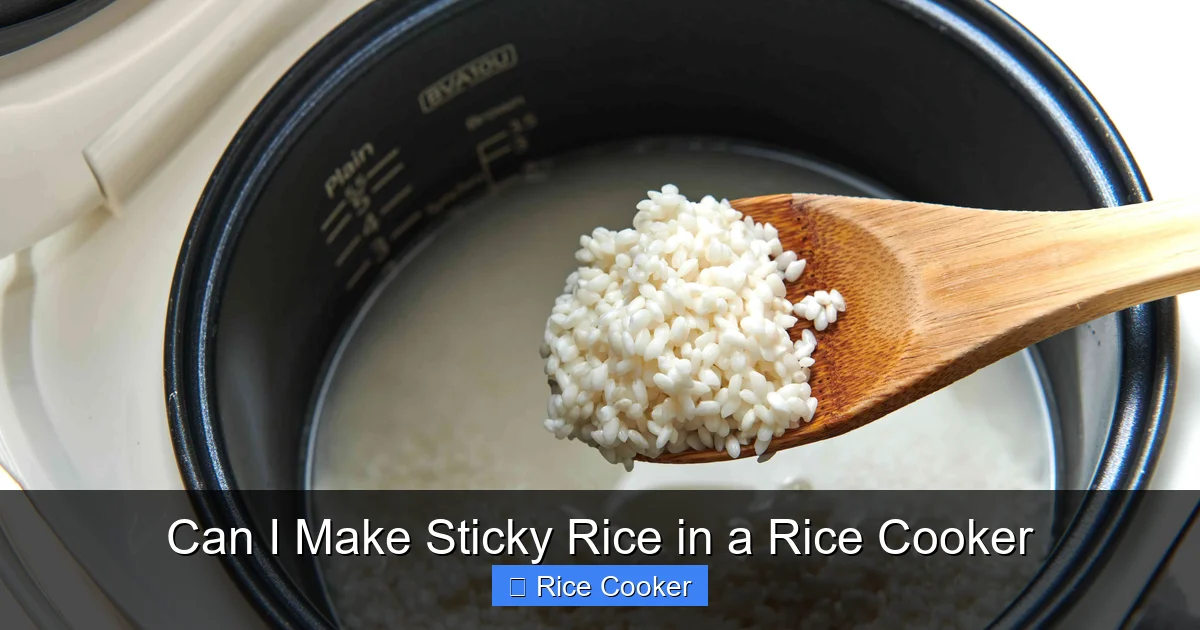
Sticky rice doesn’t have to be hard to make. With the right ratio of water to rice and the proper technique, your rice cooker can deliver authentic, melt-in-your-mouth sticky rice. This guide walks you through everything from soaking to seasoning so you get restaurant-quality results at home.
Key Takeaways
- Yes, you can absolutely make sticky rice in a rice cooker — it just requires the right rice type, water ratio, and preparation method.
- Use glutinous (sticky) rice or Thai jasmine rice for the best texture; regular long-grain rice won’t give you the same stickiness.
- Soak the rice for at least 30 minutes (or overnight) to ensure even cooking and prevent clumping.
- The ideal water-to-rice ratio is 1:1 for most rice cookers, but this may vary slightly depending on your machine.
- Don’t rinse sticky rice too aggressively — over-rinsing removes the natural starches that help bind the grains together.
- Add flavor during cooking like coconut milk or pandan leaves to elevate your sticky rice.
- Let it rest after cooking before fluffing to allow steam to distribute evenly.
📑 Table of Contents
- Can I Make Sticky Rice in a Rice Cooker?
- What Is Sticky Rice?
- Can a Regular Rice Cooker Handle Sticky Rice?
- Choosing the Right Rice for Sticky Rice
- Step-by-Step Guide: Making Sticky Rice in a Rice Cooker
- Tips for Perfect Sticky Rice Every Time
- Flavor Variations and Serving Suggestions
- Troubleshooting Common Issues
- Frequently Asked Questions
Can I Make Sticky Rice in a Rice Cooker?
Imagine sitting down to a steaming bowl of golden, fragrant sticky rice — soft, slightly chewy, and clinging together just enough to wrap around your favorite grilled meats or tropical fruits. That’s the magic of perfect sticky rice, and the good news? You don’t need a special steamer or complicated setup to make it at home. Your trusty rice cooker can do the job beautifully — if you know how.
In this complete guide, we’ll walk you through everything you need to know about making sticky rice in a rice cooker. From choosing the right rice to mastering water ratios, soaking times, and even adding flavor, we’ve got you covered. Whether you’re new to Asian cuisine or just looking to up your rice game, this article will turn you into a sticky rice pro in no time.
What Is Sticky Rice?
A Closer Look at Glutinous Rice
Before diving into the how-to, let’s clarify what sticky rice actually is. Despite its name, sticky rice isn’t sticky because it contains extra starch — rather, it’s made from a type of rice called glutinous rice. Don’t let the word “gluten” scare you — this rice is naturally gluten-free! It gets its name because of its high amylopectin content, which makes the cooked grains cling together without being gummy or mushy.
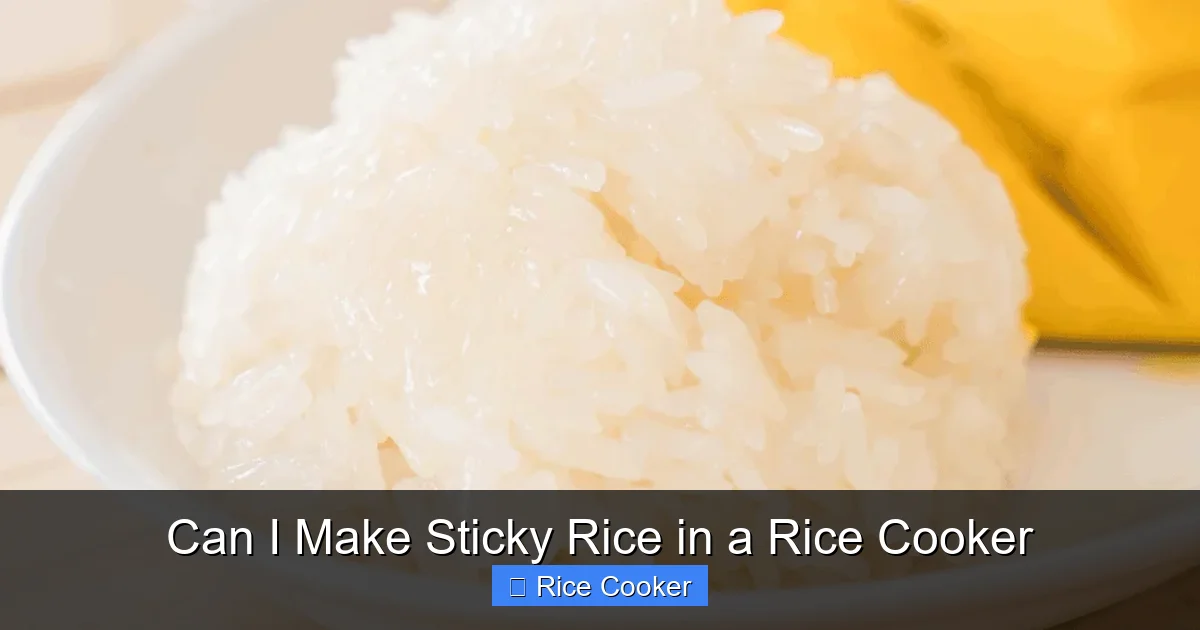
Visual guide about Can I Make Sticky Rice in a Rice Cooker
Image source: expertreviewsbestricecooker.com
Glutinous rice comes in two main varieties: white and purple (also known as black or red glutinous rice). White glutinous rice is the most common and widely used in dishes like mango sticky rice, zongzi (rice dumplings), and Thai-style curries. Purple glutinous rice has a nuttier flavor and vibrant color, often used in desserts or colorful rice cakes.
Why Is It Called “Sticky”?
When cooked, glutinous rice absorbs more water than regular rice and develops a firm, cohesive texture. Unlike jasmine or basmati rice, which separate easily, sticky rice holds together — almost like a porridge with structure. This makes it ideal for eating by hand, wrapping foods, or molding into shapes.
Can a Regular Rice Cooker Handle Sticky Rice?
Understanding Rice Cooker Types
Most modern rice cookers — whether basic electric models or advanced fuzzy logic machines — are designed to handle a variety of rice types, including sticky rice. However, there are a few things to consider:
- Capacity: Ensure your rice cooker has enough space for the rice to expand when soaked and cooked.
- Cooking Method: Standard rice cookers use a heating plate and inner pot, which works fine for sticky rice as long as the temperature is consistent.
- Timer & Keep-Warm: Many rice cookers have a keep-warm function that maintains heat gently — perfect for resting sticky rice.
If you have an older model without a delay timer or advanced settings, you’re still in luck — the process is simple enough to monitor manually.
Common Misconceptions
Some people worry that their rice cooker will burn or undercook sticky rice. But with proper prep and timing, this rarely happens. The key is patience — especially with soaking and resting.
Choosing the Right Rice for Sticky Rice
Glutinous Rice vs. Jasmine Rice
While true glutinous rice is ideal for authentic sticky rice, many home cooks substitute it with Thai jasmine rice because it’s more readily available. Here’s the difference:
- Glutinous Rice: Higher starch content, chewier texture, truly sticky when cooked. Best for traditional dishes.
- Jasmine Rice: Fragrant, slightly sticky when cooked, but individual grains remain distinct. Works well in a pinch.
If you can find white glutinous rice (also labeled as sweet rice or waxy rice), go for it. Otherwise, jasmine rice is a solid alternative.
Where to Buy Glutinous Rice
You can find glutinous rice at most Asian grocery stores, specialty health food stores, or online retailers like Amazon. Look for packages labeled “glutinous rice” or “sweet rice.” Avoid mixes with other grains unless specified.
Step-by-Step Guide: Making Sticky Rice in a Rice Cooker
Ingredients You’ll Need
- 1 cup sticky rice (glutinous or jasmine)
- 1 cup water (adjust slightly if needed)
- Optional: coconut milk, pandan leaves, salt, sugar
Step 1: Rinse the Rice Gently
Place the rice in a fine-mesh strainer and rinse under cold water until the water runs clear. Be gentle — over-rinsing washes away the surface starch that helps grains stick together. Just swish and drain three to four times.
Step 2: Soak the Rice
Transfer the rinsed rice to a bowl and cover it with room-temperature water. Let it soak for at least 30 minutes — preferably 1 to 4 hours, or overnight for best results. Soaking softens the grains and ensures even cooking.
Step 3: Drain and Prepare the Cooker
After soaking, drain the rice thoroughly. Wipe the inside of your rice cooker pot dry to prevent excess moisture from affecting the cooking cycle.
Step 4: Add Water and Cook
For most rice cookers, use a 1:1 ratio of rice to water. Place the drained rice in the inner pot, add the water, and stir lightly. Close the lid and press the “Cook” button. If your cooker has a “Brown Rice” or “Mixed Rice” setting, you can use that — otherwise, standard mode works fine.
Step 5: Let It Rest
Once the rice cooker switches to “Keep Warm,” do not open the lid immediately. Let the rice sit for 10–15 minutes. This allows residual steam to finish cooking the center and firms up the texture.
Step 6: Fluff and Serve
After resting, gently fluff the rice with a wooden spoon or rice paddle — don’t mash it. Serve warm, optionally with toppings like mango slices, banana, or a drizzle of coconut cream.
Tips for Perfect Sticky Rice Every Time
Master the Water Ratio
The 1:1 ratio is a great starting point, but some rice cookers absorb water faster than others. If your rice is too wet, add 1 tablespoon less water next time. If it’s dry or crumbly, increase by 1 tablespoon.
Use Coconut Milk for Creaminess
Replace half the water with coconut milk for a richer, dessert-like version. Add a pinch of salt and a few drops of pandan extract (or steep a pandan leaf in the liquid) for authentic aroma.
Don’t Skip the Resting Phase
Rushing the resting step leads to uneven texture — some parts overcooked, others underdone. Patience pays off!
Store Leftovers Properly
Refrigerate leftover sticky rice in an airtight container. Reheat by steaming for 5–7 minutes or microwaving with a damp paper towel to retain moisture.
Flavor Variations and Serving Suggestions
Mango Sticky Rice (Thai Dessert)
Pair your sticky rice with ripe sliced mango and a dollop of sweetened coconut cream. This classic Thai dessert is best served warm.
Zongzi-Inspired Stuffed Rice
Wrap cooked sticky rice with bamboo leaves and fill with savory ingredients like pork, chestnuts, or mushrooms — then steam for 2–3 hours. A labor-intensive treat worth the effort!
Sushi-Style Hand Rolls
Use sticky rice (or sushi rice) to roll fresh veggies, avocado, or grilled chicken into handheld wraps. Dip in soy sauce or spicy mayo for extra flavor.
Sweet Breakfast Bowls
Top with honey, cinnamon, and toasted nuts for a comforting breakfast dish. Add fresh fruit or banana slices for natural sweetness.
Troubleshooting Common Issues
Rice Too Dry or Crumbly
Cause: Insufficient water or under-soaked rice.
Solution: Increase water by 1–2 tablespoons and soak longer next time.
Rice Stuck to the Pot
Cause: Overcrowding or insufficient oil.
Solution: Lightly grease the inner pot with neutral oil before adding rice.
Rice Too Soft or Mushy
Cause: Overcooked or excessive water.
Solution: Reduce water slightly and avoid pressing down while fluffing.
Uneven Texture
Cause: Inconsistent heat or not letting it rest.
Solution: Always rest after cooking and avoid opening the lid mid-cycle.
Frequently Asked Questions
Can I make sticky rice in a microwave instead?
Yes, but it’s trickier. Use a microwave-safe dish with a lid, cover loosely, and cook in intervals (3–4 minutes at a time), checking frequently. The rice cooker method is more reliable for even results.
How long does sticky rice last in the fridge?
Freshly cooked sticky rice keeps well for 3–4 days in an airtight container in the refrigerator. Reheat gently by steaming or microwaving with a splash of water.
Can I freeze sticky rice?
Absolutely. Portion into freezer-safe containers and store for up to 2 months. Thaw overnight in the fridge and reheat as needed.
Is sticky rice safe for people with celiac disease?
Yes — glutinous rice is naturally gluten-free. Just confirm the packaging says “certified gluten-free” if you have severe sensitivity.
Can I use brown glutinous rice?
Brown glutinous rice takes longer to cook and has a chewier texture. Increase soaking time and water slightly, and expect a nuttier flavor.
Do I need to add oil to the rice?
Not necessary, but a teaspoon of neutral oil can help prevent sticking and improve texture. Optional, especially if your rice cooker has a non-stick coating.
Frequently Asked Questions
Can I make sticky rice in a microwave instead?
Yes, but it’s trickier. Use a microwave-safe dish with a lid, cover loosely, and cook in intervals (3–4 minutes at a time), checking frequently. The rice cooker method is more reliable for even results.
How long does sticky rice last in the fridge?
Freshly cooked sticky rice keeps well for 3–4 days in an airtight container in the refrigerator. Reheat gently by steaming or microwaving with a splash of water.
Can I freeze sticky rice?
Absolutely. Portion into freezer-safe containers and store for up to 2 months. Thaw overnight in the fridge and reheat as needed.
Is sticky rice safe for people with celiac disease?
Yes — glutinous rice is naturally gluten-free. Just confirm the packaging says “certified gluten-free” if you have severe sensitivity.
Can I use brown glutinous rice?
Brown glutinous rice takes longer to cook and has a chewier texture. Increase soaking time and water slightly, and expect a nuttier flavor.
Do I need to add oil to the rice?
Not necessary, but a teaspoon of neutral oil can help prevent sticking and improve texture. Optional, especially if your rice cooker has a non-stick coating.