
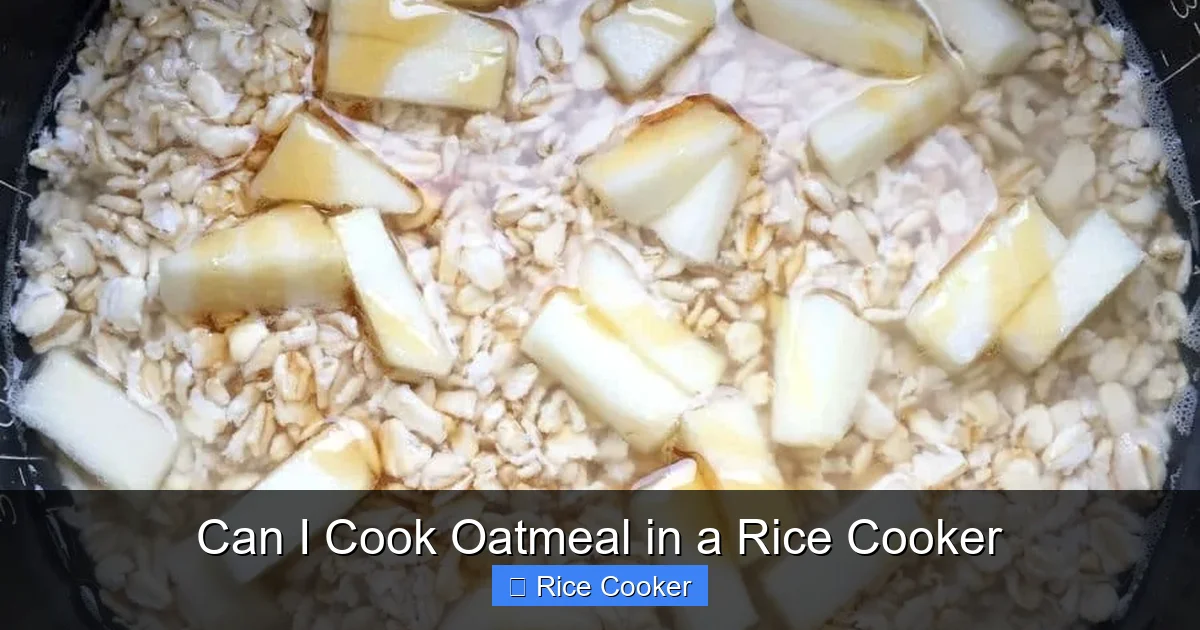
Can I cook oatmeal in a rice cooker? Absolutely! Using a rice cooker to prepare oatmeal is not only possible—it’s one of the easiest and most foolproof ways to make a warm, nutritious breakfast with minimal cleanup. With just a few simple steps, you can enjoy creamy steel-cut or quick oats without standing over the stove. Whether you’re meal prepping for the week or craving something comforting on a busy morning, your rice cooker is ready to help.
Key Takeaways
- Yes, you can cook oatmeal in a rice cooker. It works just like cooking rice—just add water and oats, press a button, and walk away.
- No special settings are needed. Most rice cookers have a “grain” or “white rice” setting that works perfectly for oats.
- You can customize flavor and texture. Add milk, spices, fruits, nuts, or sweeteners to create delicious, personalized bowls.
- It’s great for meal prep. Cook large batches and store them for grab-and-go breakfasts all week long.
- Cleanup is super easy. Non-stick rice cooker pots mean fewer scrubbing hours.
- Steel-cut oats take longer but yield a firmer texture. Adjust water ratios and cooking time accordingly.
- Quick oats cook faster and become creamier. Ideal for those short on time but still want a satisfying meal.
Key Takeaways
- Understanding can i cook oatmeal in a rice cooker: Provides essential knowledge
Quick Answers to Common Questions
Can I use milk instead of water in the rice cooker?
Yes, adding milk (or a mix of milk and water) creates creamier, richer oatmeal. Just keep in mind that dairy may cause slight foaming, but it won’t affect the final result.
Do I need a special setting for oatmeal?
No, most standard “white rice” or “grain” settings work perfectly. Some advanced models even have a dedicated “porridge” mode for better control.
How long does it take to cook steel-cut oats in a rice cooker?
Steel-cut oats typically take 20–30 minutes. For best results, soak them overnight or use extra liquid to prevent dryness.
Can I add fruit or chocolate during cooking?
It’s safer to add perishable ingredients like bananas or berries after cooking. However, dried fruit (raisins, cranberries) can be added during cooking without issue.
Will my rice cooker burn the oats?
Unlikely. Rice cookers automatically switch off when the water evaporates, reducing burn risk. Still, stir briefly at the start and avoid overcrowding the pot.
📑 Table of Contents
- Can I Cook Oatmeal in a Rice Cooker? The Ultimate Guide
- The Science Behind Cooking Oats in a Rice Cooker
- Types of Oats and How They React in a Rice Cooker
- Step-by-Step Instructions: How to Cook Oatmeal in a Rice Cooker
- Flavor Hacks: Elevating Your Rice Cooker Oatmeal
- Troubleshooting Common Issues
- Beyond Breakfast: Other Grains You Can Cook in a Rice Cooker
- Cleaning and Maintenance Tips
- Conclusion: Why Every Kitchen Needs This Hack
Can I Cook Oatmeal in a Rice Cooker? The Ultimate Guide
Imagine this: It’s 7 a.m., your kids are rushing out the door, and you’re craving a warm bowl of oatmeal—but the stovetop is already cluttered with toast and scrambled eggs. Instead of juggling pots and pans, what if you could just add oats and water to your rice cooker, press a button, and let it do the work? That’s exactly what you can do—and yes, cooking oatmeal in a rice cooker is not only possible, it’s incredibly convenient.
Rice cookers were originally designed to cook grains like white rice, but their versatility extends far beyond steamed basmati. With the right ratio of liquid to oats and a little know-how, your rice cooker becomes a breakfast powerhouse. In this complete guide, we’ll walk you through everything you need to know—from basic techniques to flavor hacks, troubleshooting tips, and even recipe ideas. By the end, you’ll be convinced that your rice cooker isn’t just for rice anymore.
The Science Behind Cooking Oats in a Rice Cooker
How Does a Rice Cooker Work?
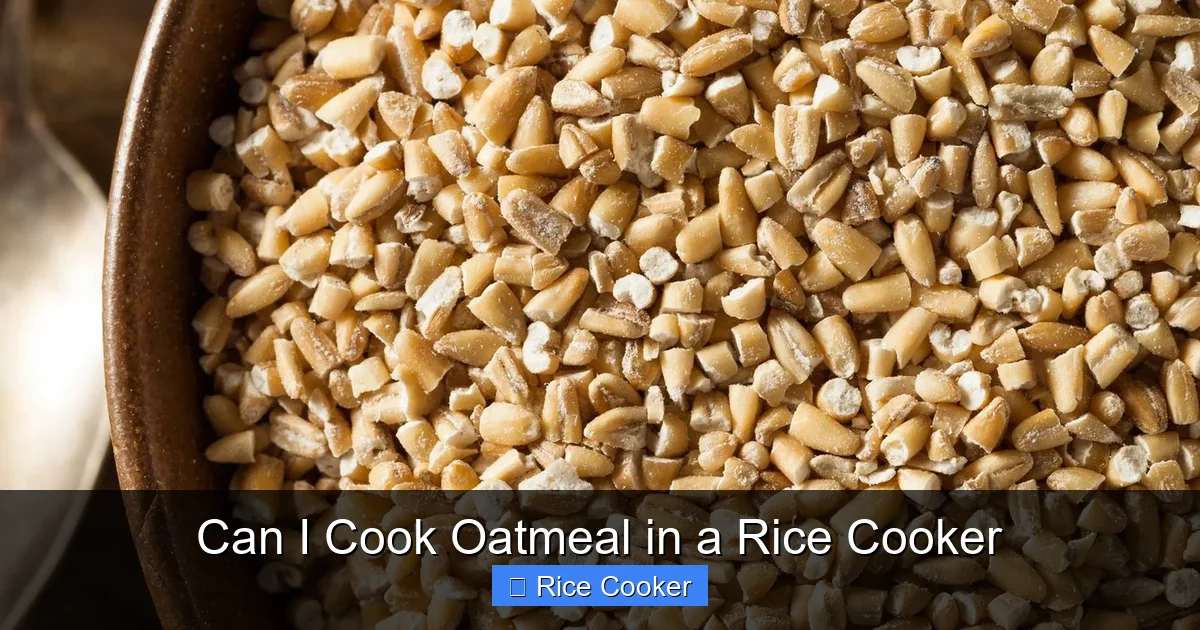
Most modern rice cookers operate using a simple heating element at the bottom and a thermostat that detects when the water has evaporated and the mixture has thickened. Unlike stovetop cooking, where heat fluctuates, a rice cooker maintains consistent temperature throughout the cycle. This steady heat allows oats to absorb moisture evenly, resulting in uniform texture and no scorching.
Visual guide about Can I Cook Oatmeal in a Rice Cooker
Image source: ricecookerjunkie.com
When you cook oatmeal in a rice cooker, the process mimics traditional stovetop methods but with automation. The oats slowly swell and soften as they absorb the liquid, turning into a creamy, porridge-like consistency. Because the cooker shuts off automatically once the water is absorbed, there’s little risk of overcooking—even if you forget to check on it.
Why Choose a Rice Cooker Over the Stove?
If you’ve ever stirred oatmeal on the stove for 10–15 minutes, only to burn the bottom or stick to the pot, you know how frustrating it can be. A rice cooker eliminates these problems entirely. You don’t need constant attention, and thanks to non-stick inner pots, cleanup is a breeze. Plus, you can prep ingredients while the oats cook—peeling fruit, chopping nuts, or measuring spices—because the cooker handles the rest.
Another advantage? Energy efficiency. Rice cookers use less electricity than stovetops, making them an eco-friendly option for daily meals. And since many models come with keep-warm functions, your oatmeal stays hot and fresh until you’re ready to eat.
Types of Oats and How They React in a Rice Cooker
Quick Oats vs. Rolled Oats
Quick oats—also called instant oats—are pre-cooked and dried before packaging. They absorb liquid rapidly and cook in about 5–7 minutes in a rice cooker. Because they break down easily, they produce a very soft, almost soupy texture. These are ideal for those who prefer a creamy consistency or want to minimize cooking time.
Visual guide about Can I Cook Oatmeal in a Rice Cooker
Image source: ricecookerjunkie.com
Rolled oats (sometimes labeled old-fashioned) are steamed and flattened whole oat groats. They take slightly longer—around 12–15 minutes—but retain more structure and chewiness. If you like a bit of bite in your oatmeal, rolled oats are your best bet. Just remember to adjust water levels: too much liquid can make them mushy, while too little may leave them undercooked.
Steel-Cut Oats: The Longest Cook Time
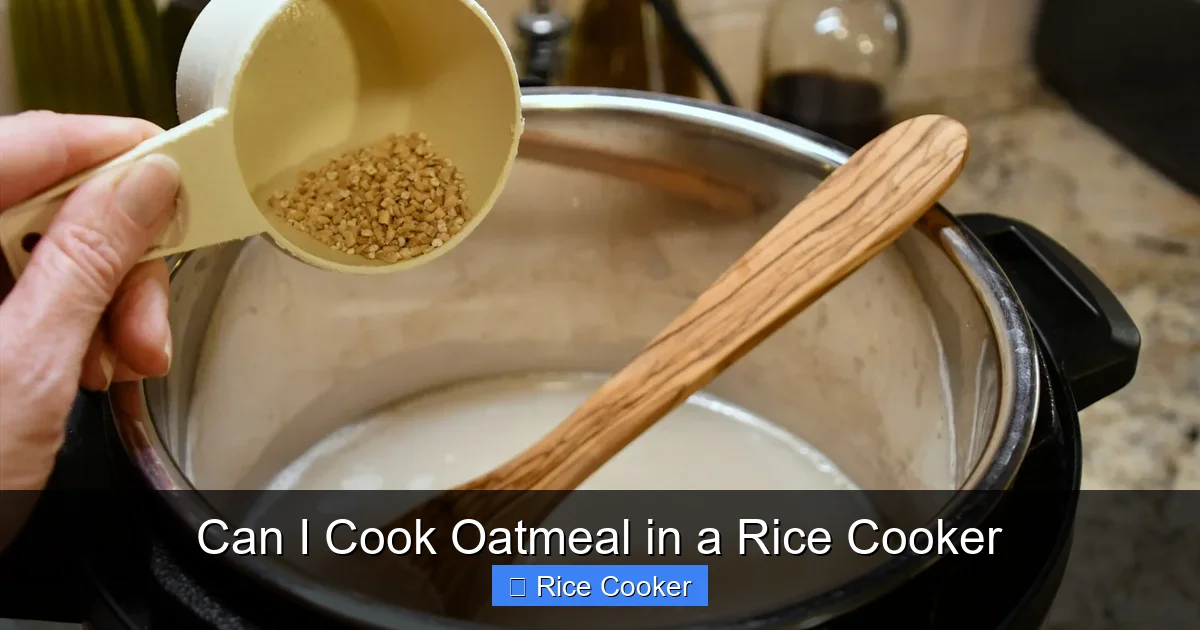
For the healthiest and most robust texture, try steel-cut oats. Made from whole oat groats that are chopped into small pieces, they take the longest to cook—anywhere from 20 to 30 minutes in a rice cooker. However, they develop a rich, chewy consistency and complex flavor that many consider superior to other types.
Because steel-cut oats require extra time and liquid, it’s common to soak them overnight or use a 1:4 ratio (1 part oats to 4 parts liquid). Some rice cookers even have a “slow cook” or “porridge” setting specifically for these tougher grains. If yours doesn’t, just extend the cooking time by 5–10 minutes and monitor closely.
Step-by-Step Instructions: How to Cook Oatmeal in a Rice Cooker
Basic Ratio Guidelines
The secret to perfect oatmeal lies in the water-to-oats ratio. Here’s a general rule:
- Quick oats: 1 cup oats + 2 cups liquid (water or milk)
- Rolled oats: 1 cup oats + 2.5 cups liquid
- Steel-cut oats: 1 cup oats + 3–4 cups liquid
Liquid can be water, milk (dairy or plant-based), or a combination for richer flavor. Adding milk will result in creamier oatmeal, while water keeps it lighter. For added richness, try half water, half milk.
Simple Recipe: Classic Creamy Oatmeal
- Measure 1 cup of your chosen oats into the rice cooker pot.
- Add 2–2.5 cups of liquid (adjust based on desired thickness).
- Stir briefly to prevent clumping.
- Close the lid and select the “White Rice” or “Grain” setting.
- Cook for 10–15 minutes (quick oats) or 20–30 minutes (steel-cut).
- Let sit for 2–3 minutes after the cycle ends—this helps thicken the oats.
- Stir well, then serve with toppings.
Pro Tips for Best Results
- Pre-soak stubborn oats: Soaking steel-cut oats in water overnight reduces cooking time and improves digestibility.
- Use a timer: Set an alarm if you’re new to rice cooker oatmeal—some cycles run longer than expected.
- Experiment with salt: A pinch of salt enhances sweetness and balances flavors.
- Don’t skip stirring after cooking: Oats tend to clump at the bottom, so give it a good mix before serving.
Flavor Hacks: Elevating Your Rice Cooker Oatmeal
Sweet Toppings and Mix-Ins
Plain oatmeal might seem boring, but with the right additions, it becomes a gourmet breakfast. Try these crowd-pleasers:
- Fresh berries: Blueberries, strawberries, or raspberries add natural sweetness and antioxidants.
- Nuts and seeds: Chopped almonds, walnuts, chia seeds, or flaxseeds boost protein and healthy fats.
- Sweeteners: Maple syrup, honey, brown sugar, or agave nectar enhance taste without refined sugar.
- Spices: Cinnamon, nutmeg, cardamom, or vanilla extract bring warmth and depth.
Make It Savory (Yes, Really!)
Oatmeal isn’t just for breakfast—try savory versions too! Swap sweet toppings for:
- Sauteed mushrooms and spinach
- Diced ham and cheese
- Avocado slices and a fried egg
- Black beans, salsa, and cilantro
These dishes make excellent lunch options or light dinners, especially when paired with a side salad.
Meal Prep Mastery
One of the biggest perks of using a rice cooker for oatmeal is its meal-prep potential. Cook a big batch on Sunday and portion it into jars or containers for the week ahead. Store plain oatmeal in the fridge for up to 5 days or freeze portions for up to 3 months. When ready to eat, reheat in the microwave or add boiling water to rehydrate.
Troubleshooting Common Issues
Too Thick or Too Thin?
If your oatmeal is too thick after cooking, add a splash of milk or water and stir. If it’s too thin, simmer on the stovetop for a few minutes (or transfer to a saucepan if your rice cooker lacks a sauté function) to reduce excess liquid.
Oats Sticking to the Bottom
This usually happens with low-quality pots or improper stirring. Always use a non-stick rice cooker pot, and stir once after adding ingredients. Avoid metal utensils—opt for silicone or wooden spoons instead.
Rice Cooker Won’t Start
Check that the pot is properly seated in the base. Some models require you to align tabs or ensure the lid is securely closed. Also verify that the power cord is connected and the unit is turned on.
Undercooked Oats
If your oats are still hard, return the pot to the cooker and close the lid. Let it sit for another 5–10 minutes—the residual heat will finish the job. For future batches, increase liquid slightly or extend cooking time.
Beyond Breakfast: Other Grains You Can Cook in a Rice Cooker
While oatmeal is a favorite, rice cookers shine with a variety of grains:
- Quinoa: Use a 2:1 water-to-grain ratio. Fluffy and protein-rich.
- Millet: Nutty flavor, gluten-free option. Try 2 cups water per 1 cup millet.
- Barley: Chewy and filling. Requires soaking first.
- Buckwheat: Earthy taste, great for kasha or porridge.
- Farro: Nutty and chewy—perfect for salads or side dishes.
Each grain has unique hydration needs, so experiment with ratios until you find your preference. Many people use rice cookers not just for breakfast, but for lunches, sides, and even snacks!
Cleaning and Maintenance Tips
After cooking oatmeal, cleaning your rice cooker is simple:
- Unplug the unit and let it cool completely.
- Remove the inner pot and wash it with warm, soapy water. Most are dishwasher-safe.
- Wipe the exterior and heating plate with a damp cloth.
- Never submerge the base in water—only clean the removable parts.
Regular maintenance ensures longevity and prevents odors or residue buildup. A quick rinse after each use goes a long way.
Conclusion: Why Every Kitchen Needs This Hack
So, can you cook oatmeal in a rice cooker? Absolutely. It’s fast, foolproof, and adaptable to your lifestyle. Whether you’re feeding a family, meal-prepping for the week, or just craving something warm and comforting, your rice cooker is ready to deliver. No more babysitting pots on the stove—just set it and forget it.
From classic creamy oats to adventurous savory bowls, the possibilities are endless. And with minimal effort comes maximum satisfaction. Next time you reach for the oats, skip the stovetop and turn on your rice cooker instead. You might just discover your new favorite breakfast hack.
Frequently Asked Questions
Can I cook overnight oats in a rice cooker?
Not exactly. Overnight oats are made by soaking rolled oats in cold liquid with refrigerated. However, you can use a rice cooker’s keep-warm function to maintain temperature for soaked oats if needed.
Is it healthier to cook oatmeal in a rice cooker?
No difference in nutritional value. The cooking method doesn’t alter vitamins or fiber. Health depends on ingredients and toppings, not the appliance used.
What’s the best oat type for beginners?
Quick or rolled oats are easiest due to shorter cook times and consistent results. Steel-cut offers superior texture but requires more attention and liquid.
Can I double the recipe in my rice cooker?
Yes, but allow extra time and liquid. Double the oats and increase water by 50–75% to maintain proper consistency. Stir occasionally if possible.
Do I need to rinse the oats before cooking?
No, rinsing isn’t necessary unless you prefer a cleaner taste or are using steel-cut oats with debris. Rinsing may remove some natural oils, though.
Can I make savory oatmeal in the rice cooker?
Absolutely. Replace sweeteners with vegetables, herbs, proteins, and spices. Try mushrooms, eggs, cheese, or black beans for a satisfying meal.