
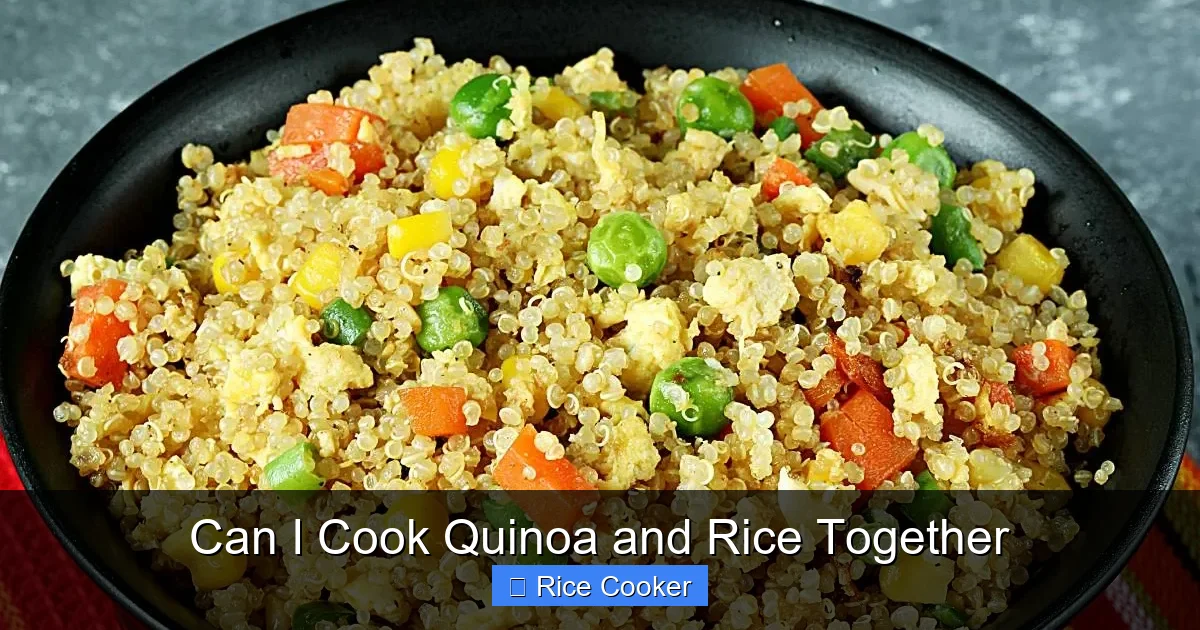
Yes, you can absolutely cook quinoa and rice together in a rice cooker—and it’s easier than you think. This combo creates a balanced, protein-rich dish that’s perfect for busy weeknights or meal prep. With the right water-to-grain ratio and timing, you’ll get fluffy rice and tender quinoa in one pot without any hassle.
Key Takeaways
- It’s possible to cook quinoa and rice together: Both grains cook similarly, so they work well in tandem.
- Use a 1:1 water-to-grain ratio for both: Standard rice cooker settings work, but soaking quinoa first helps.
- Soak quinoa before cooking: Reduces cooking time and improves texture when mixed with rice.
- Flavor and texture differences matter: Quinoa adds protein and nuttiness; rice provides softness and volume.
- Meal prep friendly: Cook once, eat all week—great for salads, bowls, or sides.
- Adjust for personal taste: Try different grain ratios (e.g., 70% rice, 30% quinoa) to find your favorite blend.
Quick Answers to Common Questions
Can I cook quinoa and rice together in a rice cooker?
Yes, absolutely! Quinoa and rice cook at similar rates and can be combined successfully in a rice cooker. Just rinse the quinoa, soak it briefly, and add it with the rice using standard water ratios.
Do I need to soak quinoa before cooking?
Soaking helps reduce cooking time and improves texture, especially when cooking with rice. While not mandatory, it’s highly recommended for the best results.
What’s the best ratio for mixing quinoa and rice?
A 2:1 ratio of rice to quinoa (e.g., 1 cup rice, 1/2 cup quinoa) is a great starting point. Adjust based on your taste preferences—some like it more quinoa-heavy, others prefer it subtle.
Can I use brown rice instead of white?
Yes! Brown rice takes longer to cook, so increase water to 2 cups total and expect a slightly longer cooking time. The quinoa will still cook through.
Will the quinoa affect the rice cooker’s performance?
No, most rice cookers handle mixed grains fine. Just ensure proper water levels and avoid overfilling. Stick to standard settings unless your model has a “mixed grains” option.
📑 Table of Contents
- Can I Cook Quinoa and Rice Together?
- Why Combine Quinoa and Rice?
- How to Cook Quinoa and Rice Together in a Rice Cooker
- Tips for Perfect Results
- Creative Ways to Use Quinoa-Rice Mixes
- Troubleshooting: What If It Doesn’t Work?
- Health Benefits of the Quinoa-Rice Combo
- Conclusion: Why This Hack Changes Everything
Can I Cook Quinoa and Rice Together?
Imagine coming home after a long day, opening your rice cooker, and having a delicious, nutritious meal ready in under 30 minutes. Sounds like magic, right? Well, it’s not magic—it’s smart cooking. One of the best-kept secrets among home chefs and meal-prep warriors is the ability to cook quinoa and rice together in a rice cooker. Yes, you read that correctly: these two superfoods don’t just coexist—they thrive together.
Quinoa and rice are often treated as separate entities in the kitchen. You might cook brown rice for dinner, or whip up a quinoa salad for lunch. But what if you could combine them? What if you could get the creamy softness of rice and the fluffy, protein-packed goodness of quinoa in one pot? That’s exactly what happens when you cook them together—without sacrificing flavor, texture, or nutrition. And the best part? It’s shockingly simple.
In this guide, we’re going deep into how to cook quinoa and rice together using a rice cooker. We’ll cover everything from the science behind it to practical tips, troubleshooting common issues, and creative ways to use your new grain blend. Whether you’re a beginner or a seasoned cook, you’ll walk away knowing exactly how to make this combo work for you.
Why Combine Quinoa and Rice?
The Nutritional Powerhouse Combo
Let’s talk about what makes quinoa and rice such a great team. Rice is a staple carbohydrate source, providing energy and filling your stomach. Quinoa, on the other hand, is a complete protein—meaning it contains all nine essential amino acids that our bodies can’t produce on their own. When you combine them, you get a balanced meal that’s both satisfying and nourishing.
Visual guide about Can I Cook Quinoa and Rice Together
Image source: foodandkitchenappliances.com
Here’s a quick breakdown:
- Rice: High in carbohydrates, low in protein (about 2–4 grams per cup cooked), and easy to digest.
- Quinoa: Packed with protein (8 grams per cup cooked), fiber, iron, magnesium, and healthy fats.
By blending them, you create a grain mix that’s more filling, more nutritious, and more versatile than either grain alone. Think of it as upgrading your side dish from “meh” to “wow.”
Texture and Flavor Harmony
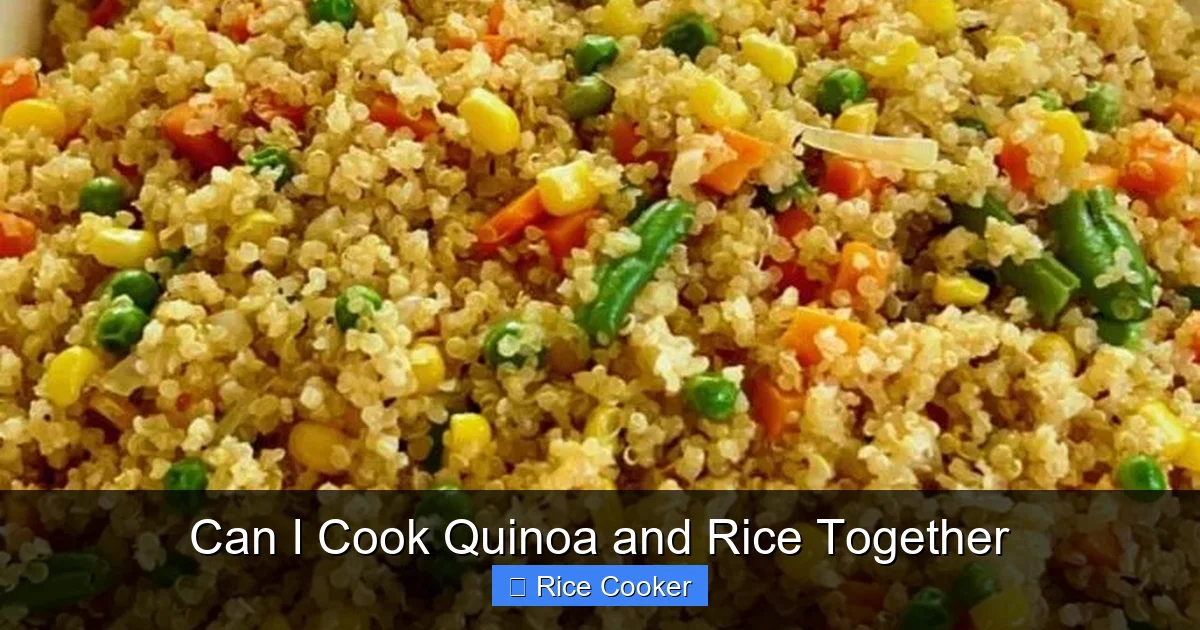
At first glance, rice and quinoa might seem like opposites. Rice is soft and absorbent, while quinoa has a slightly chewy, nutty bite. But when cooked together, they complement each other beautifully. The rice absorbs moisture gently, creating a soft base, while the quinoa retains its structure, adding texture and interest.
This balance makes the dish more interesting to eat. No more plain, boring grains! Whether you’re serving it with grilled chicken, stir-fry, or a hearty soup, the combination holds up beautifully. Plus, the subtle earthiness of quinoa doesn’t overpower the mild sweetness of rice—it enhances it.
How to Cook Quinoa and Rice Together in a Rice Cooker
Gathering Your Ingredients
Before you start, make sure you have the right tools and ingredients. Most rice cookers can handle this method easily, but some models with advanced settings might need slight adjustments. Here’s what you’ll need:
Visual guide about Can I Cook Quinoa and Rice Together
Image source: nkechiajaeroh.com
- 1 cup uncooked white or brown rice
- 1/2 cup uncooked quinoa (or adjust to taste)
- 1 3/4 cups water (adjust slightly based on rice type)
- 1 teaspoon salt (optional)
- 1 tablespoon oil or butter (optional, for richness)
Note: If using brown rice, increase water to 2 cups total. Brown rice takes longer to cook and needs more moisture.
Prepping the Grains
Quinoa requires a little extra prep compared to rice. Unlike rice, quinoa has a natural coating called saponin that tastes bitter and must be rinsed off. Here’s how to do it:
- Rinse quinoa thoroughly under cold water using a fine-mesh strainer until the water runs clear.
- Soak the rinsed quinoa in water for 15–30 minutes. This reduces cooking time and helps it cook more evenly with the rice.
For rice, a quick rinse is usually enough to remove excess starch. Drain both grains separately before mixing.
Setting Up Your Rice Cooker
Once your grains are prepped, it’s time to assemble:
- Add the soaked quinoa and rinsed rice to the inner pot of your rice cooker.
- Pour in the measured water. A good rule of thumb is 1 1/2 parts water for white rice and 1 3/4 parts for brown rice, plus 1/2 cup extra for the quinoa.
- Add salt and oil if desired.
- Stir gently to combine, then close the lid.
Most rice cookers have preset modes—just select “White Rice” or “Mixed Grains” if available. If not, stick with the standard setting. Cooking time will be slightly longer than rice alone due to the quinoa, usually around 25–30 minutes.
Cooking and Resting
After the cycle ends, let the mixture sit for 5–10 minutes with the lid closed. This allows steam to distribute evenly and helps the grains firm up slightly. Then, fluff with a fork and serve!
Tips for Perfect Results
Master the Ratios
Getting the right ratio is key. Too much quinoa and the dish becomes gummy. Too little and you miss out on the benefits. Start with a 2:1 ratio of rice to quinoa (e.g., 1 cup rice, 1/2 cup quinoa). Adjust based on preference—some prefer a bolder quinoa flavor, others want it subtle.
Experiment with Varieties
Not all rice and quinoa are created equal. Try:
- Brown rice + red quinoa: Earthy and rich.
- Jasmine rice + white quinoa: Light and fragrant.
- Basmati rice + black quinoa: Bold color and flavor contrast.
Each combo offers a unique taste profile. Don’t be afraid to mix and match!
Avoid Common Mistakes
Even with the right technique, things can go wrong. Here’s how to dodge pitfalls:
- Under-rinsed quinoa: Always rinse well to remove bitterness.
- Too little water: Quinoa absorbs moisture differently than rice. Add an extra splash if the pot seems dry.
- Skipping the soak: Soaking ensures even cooking and prevents mushiness.
- Over-fluffing: Once done, avoid stirring too much—this breaks the grains.
Creative Ways to Use Quinoa-Rice Mixes
Meal Prep Magic
This blend is a dream for meal prep. Cook a big batch at the start of the week and store it in airtight containers. You’ll have ready-to-eat sides for 4–5 meals. Pair it with roasted veggies, tahini dressing, or grilled tofu for a complete plate.
Breakfast Options
Try using the mix as a base for breakfast porridge. Warm it with almond milk, cinnamon, and a drizzle of honey. Top with fresh fruit and nuts for a wholesome morning meal.
Soup and Stew Bases
Use your cooked quinoa-rice blend as a thickener or filler in soups. It adds body without heaviness, making stews more substantial.
International Flavors
Infuse the grains with global tastes:
- Mexican: Add cumin, lime juice, and black beans.
- Indian: Cook with turmeric, cumin seeds, and a touch of ghee.
- Japanese: Mix in mirin, soy sauce, and sesame seeds.
Troubleshooting: What If It Doesn’t Work?
Too Mushy?
If your grains turned out mushy, you likely used too much water or didn’t soak the quinoa. Next time, reduce water by 1–2 tablespoons and always soak the quinoa. Also, try not to open the lid during cooking—steam loss affects texture.
Still Bitter?
That bitter taste means the saponin wasn’t fully rinsed. Repeat the rinsing process, letting the quinoa sit under running water for 2–3 minutes. Shake the strainer to help dislodge the coating.
Uneven Texture?
If some grains are soft and others hard, your cooker may not be distributing heat evenly. Stir halfway through cooking (gently) and ensure water is fully absorbed before starting.
Health Benefits of the Quinoa-Rice Combo
Beyond taste and convenience, this duo packs serious health perks:
- Balanced Macros: Carbs from rice, protein from quinoa, healthy fats from added oils.
- Digestive Health: Fiber from both grains supports gut function.
- Blood Sugar Control: Lower glycemic index than pure rice, thanks to quinoa’s protein and fiber.
- Heart Health: Magnesium in quinoa helps regulate blood pressure.
This isn’t just a trendy food hack—it’s a scientifically sound way to improve your diet.
Conclusion: Why This Hack Changes Everything
Cooking quinoa and rice together in a rice cooker isn’t just a shortcut—it’s a game-changer. It simplifies meal prep, boosts nutrition, and delivers consistent results every time. Whether you’re feeding a family, meal-prepping for the week, or just looking for a better side dish, this method checks all the boxes.
And the best part? You don’t need special equipment. Just a rice cooker, some basic grains, and a little know-how. Once you try it, you’ll wonder why you didn’t think of it sooner.
So go ahead—grab your quinoa, your rice, and your rice cooker. Turn on that button, take a breath, and trust the process. In less than half an hour, you’ll have a bowl full of something truly special.
Frequently Asked Questions
Can I cook quinoa and rice together without a rice cooker?
Yes, you can cook them on the stovetop. Use a 2:1 rice-to-quinoa ratio, bring to a boil, then simmer covered for 20–25 minutes. Let rest before fluffing.
Does cooking quinoa and rice together change the flavor?
Not significantly. Quinoa adds a mild nuttiness, while rice keeps things soft and neutral. The flavors complement rather than clash.
Is it okay to cook quinoa and rice together in a slow cooker?
Not ideal. Slow cookers don’t provide direct heat or precise temperature control, which can lead to uneven cooking. A rice cooker is far better suited.
Can I freeze the cooked quinoa and rice mix?
Yes! Store in airtight containers for up to 3 months. Thaw overnight in the fridge and reheat gently on the stove or microwave.
Will the quinoa absorb more water than rice?
Yes, quinoa absorbs slightly more moisture. That’s why soaking and careful water measurement are important to prevent mushiness.
Can I add spices while cooking?
Absolutely! Add bay leaves, garlic powder, or herbs during cooking for extra flavor. Just remove any solids before serving.