
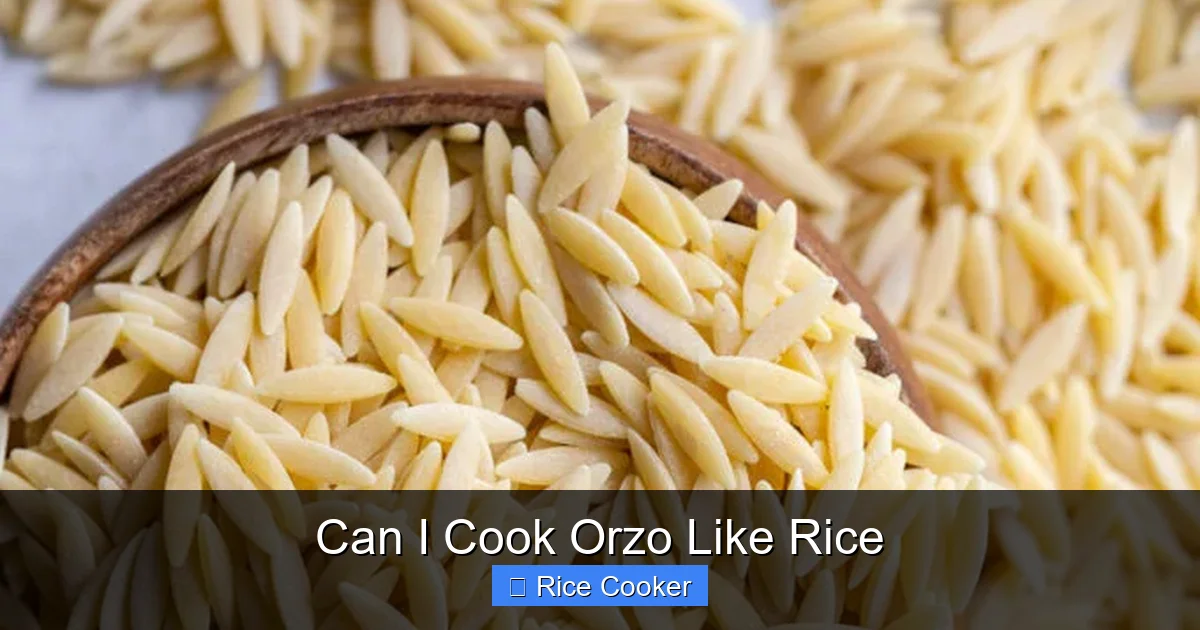
Can I cook orzo like rice? Absolutely! With the right technique, cooking orzo in a rice cooker is fast, foolproof, and yields delicious results. This method saves time and ensures consistent texture, making it perfect for busy weeknights or meal prep.
Key Takeaways
- Understanding can i cook orzo like rice: Provides essential knowledge
📑 Table of Contents
- Introduction: The Surprising Versatility of Orzo
- What Is Orzo, Really?
- Cooking Orzo Like Rice: Step-by-Step Guide
- Benefits of Cooking Orzo in a Rice Cooker
- Creative Ways to Use Cooked Orzo Like Rice
- Common Mistakes to Avoid When Cooking Orzo Like Rice
- How to Reheat and Store Cooked Orzo
- Frequently Asked Questions About Cooking Orzo Like Rice
- Conclusion: Master Orzo Like Never Before
Introduction: The Surprising Versatility of Orzo
Have you ever looked at a box of orzo and wondered, “Is this just tiny pasta?” If so, you’re not alone. Many people assume orzo is simply a smaller version of regular pasta, but it’s so much more. This rice-shaped grain, originally hailing from Italy, has become a pantry staple thanks to its versatility, mild flavor, and ability to absorb other ingredients beautifully. But here’s the real question on everyone’s mind: can I cook orzo like rice?
The short answer is yes—and it’s one of the easiest ways to prepare this humble grain. Whether you’re using a standard rice cooker or an advanced model with delay timers and fuzzy logic, orzo responds wonderfully to the automated cooking process. In fact, cooking orzo like rice might just change how you think about both ingredients. Gone are the days of overcooked, gummy orzo or under-seasoned side dishes. With the right approach, you can achieve fluffy, tender, and perfectly cooked orzo every single time—without standing over the stove.
In this guide, we’ll walk you through everything you need to know about cooking orzo like rice. From understanding what makes orzo unique to mastering the perfect rice cooker technique, we’ve got you covered. You’ll also discover creative ways to use your newly mastered orzo, tips for customization, and answers to common questions that will make you feel confident in the kitchen. So grab your rice cooker, open that box of orzo, and get ready to transform your meals.
What Is Orzo, Really?
Before diving into the cooking method, it’s important to understand exactly what orzo is. Orzo (pronounced OR-zo) means “barley” in Italian, and while it was originally made from barley, modern versions are typically crafted from durum wheat semolina. Despite its name, orzo is not barley at all—it’s actually the smallest type of pasta, shaped like tiny rice grains or couscous beads.
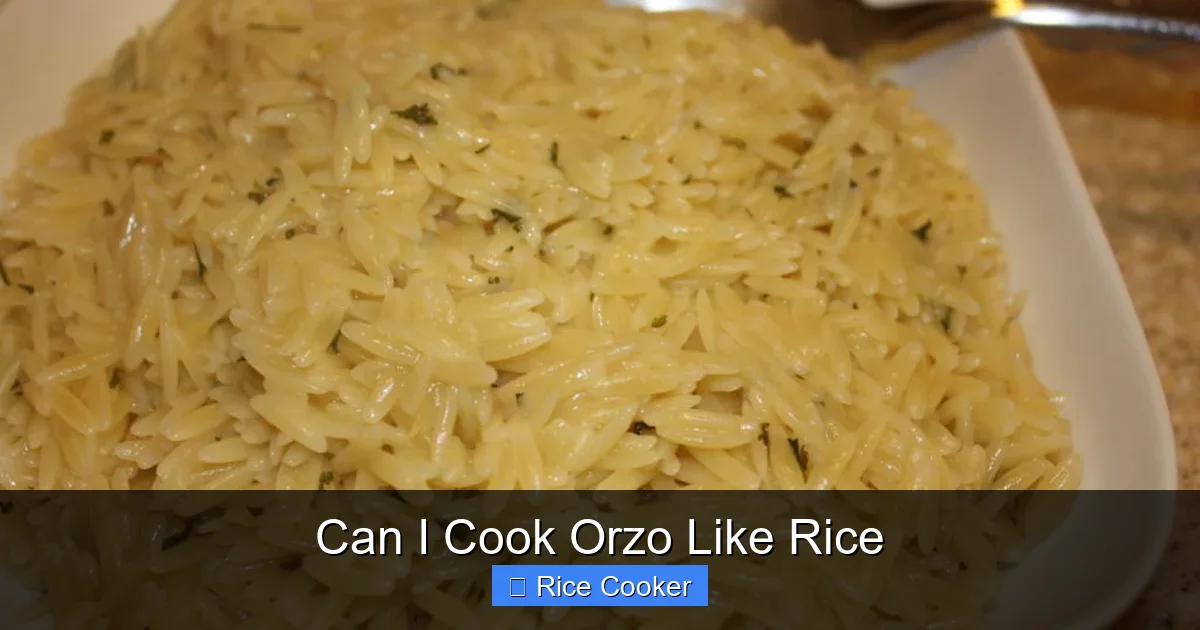
Visual guide about Can I Cook Orzo Like Rice
Image source: cheapcooking.com
Types of Orzo
There are several varieties of orzo available, each with subtle differences in texture and cooking behavior:
- White orzo: Made from refined wheat, this is the most common type. It cooks quickly and has a soft, chewy texture when done properly.
- Whole wheat orzo: Made from whole grains, offering more fiber and a nuttier flavor. It may take slightly longer to cook and can be denser.
- Gluten-free orzo: Often made from rice flour, corn, or quinoa. These versions behave more like rice and are ideal for those avoiding gluten.
- Bouillon-flavored orzo: Pre-seasoned orzo that comes in savory flavors like tomato, garlic, or cheese—great for quick meals.
Why Orzo Is Ideal for Rice Cooker Cooking
Orzo’s small size and uniform shape make it perfect for rice cookers. Because it’s similar in diameter to short-grain rice, it distributes heat evenly and absorbs liquid consistently. Unlike long-grain rice, which can clump, orzo’s structure helps it stay separate when cooked correctly. Plus, its neutral taste means it pairs well with almost any ingredient—whether you’re adding vegetables, protein, or bold sauces.
Cooking Orzo Like Rice: Step-by-Step Guide
Now that you know what orzo is, let’s talk about how to cook it like rice. The process is simple, requires minimal effort, and delivers excellent results every time. Follow these steps to make perfect orzo using your rice cooker.
Step 1: Measure the Ingredients
The first step is getting your measurements right. For most rice cookers, the standard ratio is 1 cup of orzo to 1.5 cups of liquid. This includes water, broth, or a combination of both. Using broth instead of water adds extra flavor, especially if you’re planning to serve the orzo as a side dish or incorporate it into a soup later.
For example, if you want to make 2 cups of cooked orzo, use 1 cup of dry orzo and 1.5 cups of liquid. Always measure dry ingredients by scooping them directly from the container—don’t pack them down.
Step 2: Add Ingredients to the Rice Cooker Pot
Open your rice cooker and remove the inner pot. Add the measured orzo first, then pour in the liquid. There’s no need to rinse the orzo beforehand—unlike brown rice or quinoa, orzo doesn’t contain excess starch that needs to be washed away. In fact, rinsing can cause it to lose flavor and texture.
If you’re using bouillon cubes or flavored broth, add them now. This infuses the orzo with taste while it cooks, saving you time on seasoning later.
Step 3: Close the Lid and Start Cooking
Place the pot back into the rice cooker, seal the lid, and press the “Cook” button. Most standard rice cookers will automatically switch to “Keep Warm” mode once the orzo is done. The entire process usually takes about 15–18 minutes.
Note: Some rice cookers have different settings for brown rice or porridge. If yours does, choose the “White Rice” or “Regular” setting for best results with orzo.
Step 4: Let It Rest
After the rice cooker shuts off, let the orzo sit for 5 minutes with the lid closed. This allows steam to distribute evenly and helps prevent sticking. Then, fluff the orzo gently with a fork before serving.
Pro Tips for Perfect Orzo
- Don’t lift the lid during cooking: Every time you open the lid, heat escapes, which can extend cooking time and affect texture.
- Add flavor during cooking: Toss in a bay leaf, garlic clove, or sprig of thyme while the orzo cooks for extra aroma.
- Use a timer: If you’re new to rice cookers, set a kitchen timer to track cooking duration.
- Adjust for altitude: At higher elevations, you may need slightly more liquid—add ¼ cup extra if needed.
Benefits of Cooking Orzo in a Rice Cooker
While you *can* cook orzo on the stovetop, using a rice cooker offers several advantages that make it the preferred method for many home cooks. Let’s explore why switching to a rice cooker can elevate your orzo game.
1. Hands-Off Convenience
One of the biggest perks of using a rice cooker is that it requires no attention once you start it. You don’t have to stir, watch the pot, or worry about burning the bottom. Just add the ingredients, press a button, and go about your day. This is especially helpful when you’re multitasking or preparing meals in advance.
2. Consistent Results Every Time
Rice cookers are designed to maintain a steady temperature throughout the cooking process. This consistency means you’re less likely to end up with mushy or undercooked orzo. The automated timing ensures that every grain is cooked evenly, whether you’re making a small batch or doubling the recipe.
3. Less Mess and Easier Cleanup
Most rice cooker pots are non-stick, which means food doesn’t stick to the surface. After cooking, you can easily wipe it clean with warm, soapy water. No scrubbing stuck-on orzo required. Plus, there’s no risk of spills or splatters compared to boiling pasta on the stove.
4. Flavor Infusion
Because orzo absorbs liquid slowly and steadily, it picks up flavors from broths, herbs, and spices during cooking. This is harder to achieve on the stovetop, where heat fluctuates and ingredients may be added too late in the process.
5. Great for Meal Prep
Cooked orzo keeps well in the refrigerator for up to 5 days and reheats beautifully. You can cook a big batch in the rice cooker, portion it out, and use it in salads, soups, or grain bowls all week long.
Creative Ways to Use Cooked Orzo Like Rice
Once you’ve mastered cooking orzo like rice, the possibilities are endless. Here are some delicious and practical ideas for incorporating orzo into your meals.
Orzo Salad with Fresh Herbs and Lemon Dressing
Toss cooled orzo with chopped cucumber, cherry tomatoes, parsley, and feta cheese. Dress it with olive oil, lemon juice, salt, and pepper for a refreshing summer salad. Add grilled chicken or chickpeas for extra protein.
Hearty Orzo Soup
Cook orzo directly in vegetable or chicken broth. Add diced carrots, celery, spinach, and cooked sausage or beans. Season with oregano and black pepper. The orzo absorbs the soup’s flavor, creating a thick, satisfying meal.
Orzo Risotto-Like Dish
Instead of arborio rice, use orzo for a quicker risotto-style dish. Sauté onions and garlic, add orzo, then gradually stir in hot broth until creamy. Finish with Parmesan and fresh basil.
Orzo Pilaf with Nuts and Dried Fruit
A Mediterranean twist! Cook orzo with sautéed onion, pine nuts, raisins, and cinnamon. Serve as a side dish or stuffing for bell peppers or tomatoes.
Breakfast Orzo Porridge
Yes, really! Cook orzo with milk, cinnamon, and a pinch of sugar. Top with berries, nuts, and honey for a warm, comforting breakfast alternative to oatmeal.
Stuffed Veggie Bowls
Use cooked orzo as a base for stuffed zucchini, eggplant, or bell peppers. Mix it with ground meat, tomatoes, and spices, then bake until tender.
Common Mistakes to Avoid When Cooking Orzo Like Rice
Even though cooking orzo in a rice cooker is straightforward, there are a few common mistakes that can ruin the texture or flavor. Here’s how to avoid them.
Mistake 1: Using Too Much Liquid
Too much liquid can make orzo soggy. Stick to the 1:1.5 ratio and avoid adding extra unless you’re cooking at high altitude.
Mistake 2: Overcooking
Orzo can become mushy if left on the “Keep Warm” setting for too long. Transfer it to a bowl within 10–15 minutes after cooking ends.
Mistake 3: Not Fluffing It
Skipping the fluffing step can lead to clumpy orzo. Always stir gently with a fork before serving.
Mistake 4: Adding Salt Too Late
Season the liquid before cooking for better flavor distribution. Salting the orzo after it’s done results in uneven taste.
Mistake 5: Using Cold Liquid
Cold liquid increases cooking time and can affect texture. Use room-temperature or warm broth for best results.
How to Reheat and Store Cooked Orzo
Proper storage and reheating ensure your orzo stays fresh and delicious.
Refrigeration
Store cooked orzo in an airtight container in the refrigerator for up to 5 days. It may dry out slightly, so add a splash of water or broth when reheating.
Freezing
You can freeze orzo for up to 3 months. Portion it into freezer bags or containers. Thaw in the fridge overnight and reheat on the stovetop or microwave.
Reheating Tips
- Microwave: Place orzo in a microwave-safe dish, cover with a damp paper towel, and heat in 30-second intervals.
- Stovetop: Heat with a little broth or water over low heat, stirring occasionally.
- Oven: Spread orzo on a baking sheet, cover with foil, and warm at 300°F (150°C) for 10–15 minutes.
Frequently Asked Questions About Cooking Orzo Like Rice
Can I cook orzo directly in the rice cooker without rinsing it?
Yes, you can and should not rinse orzo before cooking in a rice cooker. Rinsing removes surface starch that helps bind ingredients and enhances texture. The rice cooker’s sealed environment prevents sticking anyway.
How much water do I use for 1 cup of orzo in a rice cooker?
Use 1.5 cups of liquid for every 1 cup of dry orzo. This includes water, broth, or a mix of both. Adjust slightly if you prefer softer or firmer texture.
Can I cook orzo in a multi-cooker or Instant Pot?
Absolutely! Use the “Risotto” or “Manual/Pressure Cook” setting on your Instant Pot. Set the timer for 7–9 minutes on high pressure, then allow natural release for 5 minutes.
Is orzo gluten-free?
Traditional orzo is made from wheat and contains gluten. However, there are gluten-free versions made from rice, corn, or quinoa. Always check the label if you have dietary restrictions.
Can I add vegetables or protein to the rice cooker with orzo?
Yes, but add them carefully. Hard vegetables like carrots or potatoes may need longer cooking times and could interfere with the rice cooker’s sensor. Saute them first and add near the end of cooking for best results.
Why is my orzo sticky or mushy?
This usually happens due to too much liquid or overcooking. Ensure you’re using the correct ratio and avoid leaving it on “Keep Warm” for too long. Stirring too aggressively can also break the grains.
Conclusion: Master Orzo Like Never Before
Cooking orzo like rice isn’t just possible—it’s one of the simplest and most effective ways to prepare this versatile grain. With the help of a rice cooker, you can enjoy perfectly cooked, fluffy orzo with minimal effort and maximum flavor. Whether you’re whipping up a quick side dish, a hearty soup, or a vibrant salad, this method ensures consistent results every time.
From understanding the basics of orzo to mastering advanced techniques like flavor infusion and meal prep, you now have all the tools you need to succeed. Say goodbye to mushy, overcooked orzo and hello to restaurant-quality meals at home. So next time you reach for that box of orzo, remember: cooking it like rice is not only easy—it’s delicious.
Happy cooking!
Frequently Asked Questions
Can I cook orzo directly in the rice cooker without rinsing it?
Yes, you can and should not rinse orzo before cooking in a rice cooker. Rinsing removes surface starch that helps bind ingredients and enhances texture. The rice cooker’s sealed environment prevents sticking anyway.
How much water do I use for 1 cup of orzo in a rice cooker?
Use 1.5 cups of liquid for every 1 cup of dry orzo. This includes water, broth, or a mix of both. Adjust slightly if you prefer softer or firmer texture.
Can I cook orzo in a multi-cooker or Instant Pot?
Absolutely! Use the “Risotto” or “Manual/Pressure Cook” setting on your Instant Pot. Set the timer for 7–9 minutes on high pressure, then allow natural release for 5 minutes.
Is orzo gluten-free?
Traditional orzo is made from wheat and contains gluten. However, there are gluten-free versions made from rice, corn, or quinoa. Always check the label if you have dietary restrictions.
Can I add vegetables or protein to the rice cooker with orzo?
Yes, but add them carefully. Hard vegetables like carrots or potatoes may need longer cooking times and could interfere with the rice cooker’s sensor. Saute them first and add near the end of cooking for best results.
Why is my orzo sticky or mushy?
This usually happens due to too much liquid or overcooking. Ensure you’re using the correct ratio and avoid leaving it on “Keep Warm” for too long. Stirring too aggressively can also break the grains.