

Yes, you absolutely can cook other food in a rice cooker! This handy kitchen gadget goes far beyond just making rice. With its consistent heat and steam function, a rice cooker is surprisingly effective for cooking a wide variety of meals — from tender oatmeal to juicy chicken. It’s a time-saving, energy-efficient way to prepare multiple dishes without extra appliances.
Key Takeaways
- Versatility: A rice cooker can cook grains, grains, eggs, meats, vegetables, and even desserts — not just white or brown rice.
- Energy Efficiency: Using one appliance for multiple dishes reduces energy consumption compared to running stovetop burners or ovens.
- Time-Saving: Many recipes require no constant monitoring — just set it and forget it while multitasking.
- Consistent Results: The built-in temperature control ensures even cooking and prevents burning or undercooking.
- Easy Cleanup: Most parts are dishwasher-safe, making post-meal cleanup a breeze.
- Safety First: Always follow manufacturer guidelines to avoid overheating or electrical hazards.
- Creative Recipes: Experiment with quinoa porridge, hard-boiled eggs, or steamed dumplings for diverse meal options.
📑 Table of Contents
- Can I Cook Other Food in a Rice Cooker?
- The Science Behind Your Rice Cooker
- Breakfast Ideas Beyond Porridge
- Lunch and Dinner: Expanding Your Meal Options
- Desserts and Baking Experiments
- Vegetables, Proteins, and Side Dishes
- Tips for Safe and Effective Cooking
- Common Mistakes to Avoid
- Is a Rice Cooker Worth the Investment?
- Final Thoughts
Can I Cook Other Food in a Rice Cooker?
Have you ever looked at your trusty rice cooker and thought, “There must be more to this little pot than just making fluffy white rice”? You’re not alone. While rice cookers were originally designed for cooking grains, their simple yet powerful design opens the door to a world of culinary possibilities. From breakfast to dinner and even dessert, this humble kitchen appliance is far more versatile than most people realize.
In fact, many home cooks and professional chefs alike have started treating their rice cooker as a multi-cooker, using it to prepare everything from creamy risotto to perfectly steamed fish. The secret? Understanding how the appliance works and learning which foods respond well to its gentle, consistent heat. In this article, we’ll explore exactly what you can cook in a rice cooker beyond rice — and how to do it safely and deliciously.
The Science Behind Your Rice Cooker
Before diving into recipes, let’s talk about why a rice cooker works so well for more than just grains. Unlike a traditional stove or oven, a rice cooker uses a combination of conduction heating and thermal regulation to maintain precise temperatures. It typically has two key components: a heating plate at the bottom and a thermostat that monitors internal temperature.
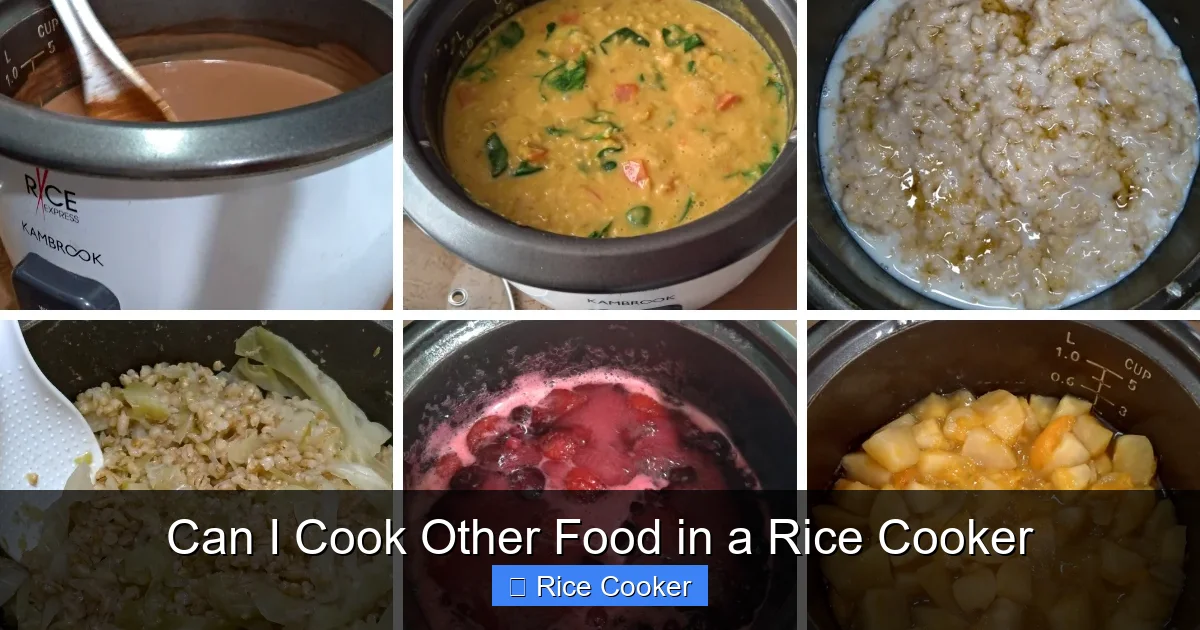
Visual guide about Can I Cook Other Food in a Rice Cooker
Image source: frugalandthriving.com.au
How the Thermostat Controls Cooking
The thermostat is the brain of the operation. Once the water or liquid inside reaches a certain temperature (usually around 212°F or 100°C), the cooker automatically switches from heating to warming mode. This keeps food at a safe temperature without boiling over or burning. For foods that need slow, steady cooking — like oats or beans — this feature is invaluable.
Steam and Moisture Management
Many modern rice cookers also generate steam, which helps cook delicate items like eggs or dumplings evenly. The sealed environment traps moisture, preventing drying out while promoting uniform doneness. This makes it ideal for steaming vegetables, poaching eggs, or even baking cakes.
Breakfast Ideas Beyond Porridge
If you’re tired of the same old oatmeal every morning, your rice cooker can help. Breakfast is one of the easiest categories to experiment with because it often involves simple ingredients and short cooking times.
Steel-Cut Oats or Creamy Polenta
Swap your stovetop for the rice cooker when making steel-cut oats or polenta. Just combine rolled oats or cornmeal with milk, water, salt, and any desired add-ins (like cinnamon, fruit, or nuts). Set the cooker to “porridge” or manual mode and let it simmer for 20–30 minutes. Stir occasionally if possible — though most models don’t allow this, so keep an eye on things after the first 10 minutes.
Porridge with Toppings Galore
Add berries, honey, yogurt, or granola on top once cooked. You can even make overnight oats by mixing everything the night before and letting it sit in the warm cooker until morning.
Eggs — Hard-Boiled, Soft-Boiled, or Scrambled
Yes, you read that right! To boil eggs in a rice cooker:
- Place eggs gently in the inner pot.
- Add enough water to cover them by about an inch.
- Cook on high for 8–10 minutes (soft-boiled) or 12–15 minutes (hard-boiled).
- Transfer eggs to ice water to stop cooking.
This method yields evenly cooked eggs with shells that peel easily. For scrambled eggs, crack eggs directly into the pot with a splash of milk and a pinch of salt. Cook on low for 8–10 minutes, stirring occasionally. The result is soft, custardy scrambled eggs — perfect for busy mornings.
Lunch and Dinner: Expanding Your Meal Options
Rice cookers aren’t just for breakfast. They shine when preparing one-pot meals that are both nutritious and convenient.
One-Pot Pasta Dishes
Forget boiling water on the stove. Try making pasta in your rice cooker:
- Cook pasta according to package directions, but start with slightly less water (since the cooker holds moisture).
- Add cooked pasta back to the inner pot with sauce, protein, and veggies.
- Heat on “warm” or “manual” mode for 10–15 minutes to blend flavors.
This works great for dishes like spaghetti with marinara, penne Alfredo, or even Thai curry with rice noodles.
Stir-Fry Alternatives
While true stir-frying requires high heat and quick tossing, you can create a flavorful “stir-fry” in your rice cooker:
- Sauté onions, garlic, and protein first (using a bit of oil).
- Add frozen or fresh vegetables and a sauce (soy, teriyaki, etc.).
- Cook on medium heat for 10–15 minutes until everything is tender.
This method preserves nutrients better than boiling and reduces mess — all in one pot!
Hearty Stews and Soups
Make a big batch of lentil soup, chili, or chicken stew in your rice cooker. Simply combine all ingredients in the inner pot, add broth or water, and cook on high for 45 minutes to 1 hour. The gentle heat breaks down fibers without turning everything mushy.
Pro tip: Add leafy greens or pasta during the last 10 minutes so they don’t get overcooked.
Desserts and Baking Experiments
Believe it or not, some desserts bake beautifully in a rice cooker. Its enclosed space mimics a mini steamer or oven, trapping steam and helping rise batter.
Pudding and Custards
Rice pudding is a classic example. Mix cooked rice, milk, sugar, and spices (like cardamom or vanilla). Cook on low for 20–30 minutes until thickened. Stir halfway through to prevent scorching.
Mug Cake Upgrade
Instead of microwaving a mug cake, try baking it in your rice cooker. Grease the inner pot, mix dry and wet ingredients in a bowl, pour into the pot, and cook on high for 20–25 minutes. The result is a moist, fluffy cake with no messy dishes afterward.
Steamed Cakes and Dumplings
With a steaming basket attachment, you can make Chinese-style steamed buns, sponge cakes, or even savory baozi. Steam for 15–20 minutes depending on size and filling.
Vegetables, Proteins, and Side Dishes
Don’t overlook your rice cooker for side dishes. Steaming broccoli, carrots, or green beans takes just 5–7 minutes and retains their bright color and nutrients. Toss with olive oil and lemon juice for a simple, healthy addition to any meal.
For proteins, try poaching salmon or chicken breasts. Add aromatics (garlic, herbs, bay leaves) and enough liquid to cover. Cook on high for 15–20 minutes until internal temperature reaches 165°F (74°C).
Tips for Safe and Effective Cooking
To get the best results and avoid accidents, keep these tips in mind:
- Read the Manual: Not all rice cookers are created equal. Some lack timers or specific settings, limiting their versatility.
- Avoid Overfilling: Never exceed the maximum fill line — especially when cooking liquids that expand.
- Use the Right Amount of Liquid: Too little = dry food; too much = soupy results. Stick to tested ratios.
- Clean Immediately: Residue builds up quickly. Wash the inner pot and lid after each use.
- Don’t Leave Unattended: Even though the auto-switch feature helps, check periodically during long cooks.
- Upgrade When Needed: If your model lacks a steaming basket or timer, consider investing in a newer, more advanced version.
Common Mistakes to Avoid
Even experienced cooks sometimes run into issues. Here’s how to dodge common pitfalls:
- Using Too Much Liquid: This leads to soggy textures or overflow. Measure carefully.
- Skipping Preheating: For proteins like chicken, preheating the pot slightly helps sear better.
- Not Stirring Enough: Especially with sticky foods like risotto or oats, occasional stirring prevents sticking.
- Ignoring Heat Settings: Use “low” for delicate items like eggs and “high” for hearty stews.
Is a Rice Cooker Worth the Investment?
At first glance, a rice cooker may seem like an unnecessary luxury. But for families, busy professionals, or anyone who eats grains regularly, it’s a game-changer. Beyond rice, it saves time, cuts down on dirty dishes, and delivers consistent results every time.
Modern models often include features like fuzzy logic, delay timers, and multiple cooking modes — making them smarter and more adaptable than ever. And yes, you can absolutely cook other food in a rice cooker. In fact, doing so unlocks a whole new level of kitchen efficiency and creativity.
Final Thoughts
Your rice cooker isn’t just a grain processor — it’s a hidden multitool in your kitchen. Whether you’re whipping up breakfast porridge, simmering a weeknight stew, or baking a surprise dessert, this appliance proves its worth time and again.
So next time you reach for another pot or pan, pause and ask yourself: “Can I cook this in my rice cooker instead?” You might just discover a faster, easier, and tastier way to feed your family.
Frequently Asked Questions
Can I cook pasta in a rice cooker?
Absolutely! Cook pasta slightly al dente, then return it to the rice cooker with sauce and heat through. This method reduces cleanup and speeds up meal prep. Just avoid overcooking by starting with less water than usual.
How do I boil eggs in a rice cooker?
Place eggs in the inner pot, cover with cold water, and bring to a boil. Once boiling starts, reduce to simmer and cook for 8–10 minutes for soft-boiled or 12–15 minutes for hard-boiled. Transfer to ice water to stop cooking.
Can I make soup in a rice cooker?
Yes! Combine all ingredients — including broth — in the inner pot and cook on high for 45–60 minutes. Stir occasionally and adjust seasoning before serving. It’s perfect for large batches.
Is it safe to leave food in the rice cooker after cooking?
Most rice cookers switch to “warm” mode automatically, which keeps food at a safe temperature for several hours. However, for best quality and safety, consume or refrigerate leftovers within 2 hours.
Can I bake a cake in a rice cooker?
Yes, especially with a non-stick inner pot. Mix batter, grease the pot, and cook on high for 20–25 minutes. Check with a toothpick to ensure it’s done. The result is a moist, fluffy cake with minimal effort.
What should I never cook in my rice cooker?
Avoid frying or searing foods that require very high heat or oil splatter, like french fries or bacon. Also, don’t use metal utensils that could scratch non-stick coatings. Stick to moist-heat methods for best results.