
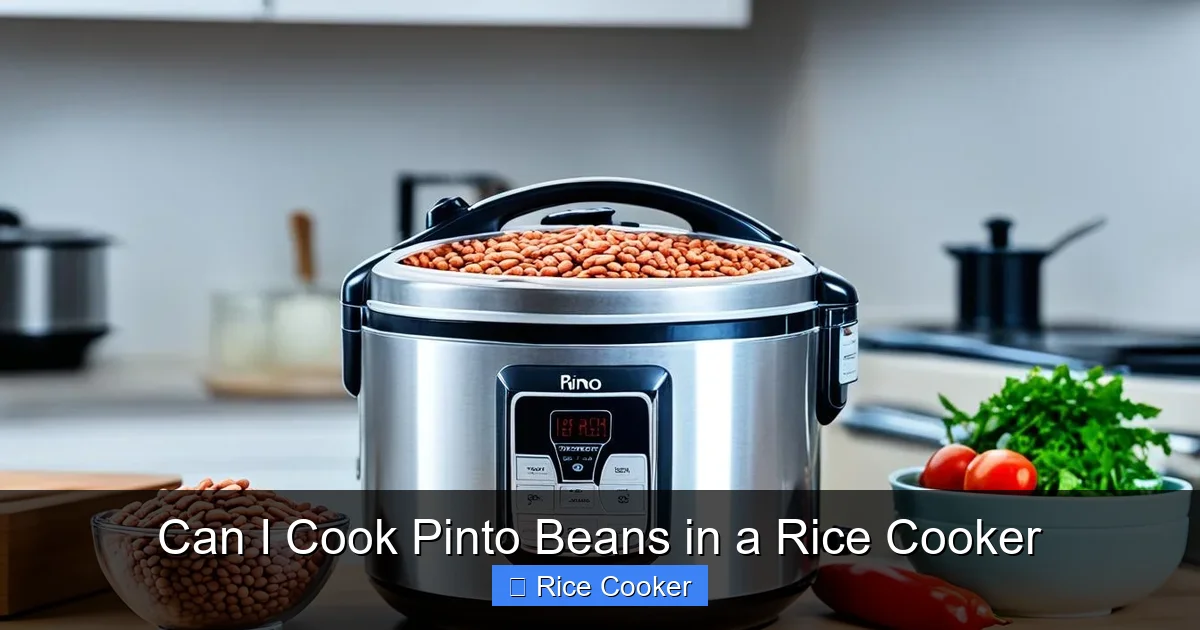
You absolutely can cook pinto beans in a rice cooker — and it’s one of the easiest, most hands-off ways to prepare them at home. With just water, salt, and a little patience, your rice cooker does all the work, turning dry beans into soft, creamy meals ready for tacos, burritos, or chili. This method is perfect for beginners and busy cooks, offering consistent results without constant monitoring.
Key Takeaways
- Yes, it works: A rice cooker can successfully cook pinto beans from dry, producing tender, fully cooked legumes with minimal effort.
- Time-saving: The rice cooker automates the cooking process, freeing you up to focus on other tasks while your beans simmer gently.
- Energy-efficient: Using a rice cooker uses less electricity than a stovetop pot, making it an eco-friendly option for meal prep.
- Consistent results: The controlled heat and automatic shutoff ensure your beans cook evenly and don’t overcook or burn.
- Customizable: You can add herbs, spices, or broth for extra flavor without changing the cooking method.
- Safety first: Always soak beans overnight or use the quick-soak method to reduce gas-causing compounds and improve digestibility.
- Storage made easy: Cooked beans store well in the fridge or freezer, making this method ideal for batch cooking.
[FEATURED_IMAGE_PLACEHOLDER]
Can I Cook Pinto Beans in a Rice Cooker? Yes — Here’s How!
If you’re like most home cooks, you’ve probably wondered whether your trusty rice cooker can do more than just make fluffy white rice. The short answer? Absolutely yes — especially when it comes to cooking pinto beans. This humble kitchen appliance, often overlooked for its versatility, can become your new best friend for preparing protein-rich, fiber-packed legumes with zero stress.
Pinto beans are a staple in many cuisines, particularly in Mexican and Southwestern dishes like refried beans, black bean soup, and hearty bean-and-rice bowls. Traditionally, they’re cooked on the stovetop for hours until tender. But what if you could skip the constant stirring and simmering? Enter: the rice cooker. This modern kitchen gadget has evolved far beyond its original purpose, and cooking beans is one of its hidden superpowers.
In this guide, we’ll walk you through everything you need to know about cooking pinto beans in a rice cooker — from preparation to serving. Whether you’re a seasoned cook looking to simplify meal prep or a beginner exploring new techniques, you’ll find practical tips, troubleshooting advice, and creative recipe ideas that make this method irresistible.
Why Use a Rice Cooker for Beans?
Before diving into the “how,” let’s talk about the “why.” Why would anyone choose a rice cooker over the stovetop for cooking beans? There are several compelling reasons that make this method worth trying.
Effortless Convenience
The beauty of a rice cooker lies in its simplicity. Add ingredients, press a button, and walk away. No need to stand over a hot stove, stir constantly, or worry about burning the bottom. For busy weekdays or meal prepping on weekends, this hands-free approach saves both time and mental energy.
Even Heat Distribution
Rice cookers use precise temperature control to maintain a steady simmer. Unlike stovetops, where heat can fluctuate and cause uneven cooking, the rice cooker keeps your beans at the ideal temperature throughout the process. This results in uniformly soft beans without any mushy spots or undercooked centers.
Automatic Shutoff
Most modern rice cookers have an automatic shutoff feature. Once the beans reach full tenderness, the machine turns off — no risk of overcooking or forgetting to turn off the burner. It’s like having a personal chef who watches your beans 24/7.
Energy Efficiency
Cooking beans on the stovetop can take up to 1–2 hours, especially if you’re using a gas or electric range. In contrast, a rice cooker typically uses less power and retains heat efficiently. Plus, once it’s done, it often stays warm without consuming much additional energy. This makes it a greener choice for environmentally conscious cooks.
Perfect Texture Every Time
With consistent heat and no scorching, your pinto beans will come out soft, creamy, and just right — not too firm or too mushy. Whether you’re making bean dip or a slow-cooked chili base, the texture is reliable and satisfying.
Great for Batch Cooking
If you’re meal prepping for the week, the rice cooker is ideal for making large batches. Cook a dozen cups of beans at once, portion them out, and store them for quick meals later. They freeze beautifully, so you can pop out a few servings whenever needed.
How to Cook Pinto Beans in a Rice Cooker: Step-by-Step Guide
Now that you’re convinced, let’s get into the actual process. Cooking pinto beans in a rice cooker is surprisingly simple and requires just a few ingredients and steps.
What You’ll Need
- 1 cup dried pinto beans
- 3–4 cups water (or vegetable/chicken broth for added flavor)
- Salt (to taste, usually 1 teaspoon)
- Optional: Bay leaf, garlic cloves, onion, or cumin for extra flavor
- A fine-mesh strainer
- A clean kitchen towel or paper towels
Step 1: Sort and Rinse the Beans
Start by spreading your dried pinto beans on a clean surface. Remove any debris, shriveled beans, or small stones. Then, rinse them thoroughly under cold running water using a colander. This removes dirt, dust, and any loose skins.
Step 2: Soak the Beans (Recommended)
Soaking is crucial for reducing cooking time and improving digestibility. While you can cook beans without soaking, soaking overnight (or doing a quick soak) helps soften the skins and reduces the risk of gas-inducing oligosaccharides.
- Overnight soak: Cover beans with 3 inches of water and let them sit for 8–12 hours.
- Quick soak: Boil beans in water for 2 minutes, then remove from heat and let sit for 1 hour.
- Drain and rinse before adding to the rice cooker.
Step 3: Add Ingredients to the Rice Cooker
Place the soaked beans in the inner pot of your rice cooker. Add fresh water (or broth), salt, and any optional aromatics like a bay leaf, crushed garlic, or a chopped onion slice. Stir gently.
Pro tip: Don’t add acidic ingredients like tomatoes or vinegar until the beans are fully cooked — they can harden the skin and delay softening.
Step 4: Set the Cooker to “Cook” or “Manual”
Close the lid and select the “Cook” or “Manual” setting on your rice cooker. If your model has different programs (like “Bean” or “Slow Cook”), you can use those too. Most rice cookers will take 60–90 minutes to cook beans, depending on size and freshness.
Step 5: Let the Beans Simmer
Once the cycle begins, the rice cooker will bring the water to a boil and then maintain a gentle simmer. You may hear some bubbling — that’s normal. Avoid lifting the lid frequently, as this releases steam and slows cooking.
Step 6: Check for Doneness
After the cycle ends, let the pressure release naturally for about 10 minutes. Then, open the lid and test a bean. It should be soft and mash easily between your fingers. If still firm, return to cook for another 15–20 minutes.
Step 7: Drain and Cool
Once done, drain the beans in a colander and rinse briefly with cold water to stop the cooking process. Spread them on a baking sheet lined with a kitchen towel to cool slightly. This helps prevent sogginess if storing.
Troubleshooting Common Issues
Even with the best intentions, things don’t always go as planned. Here’s how to handle common problems when cooking pinto beans in a rice cooker.
Beans Are Too Firm
If your beans are still crunchy after the full cycle, it might be due to:
- Under-soaked beans — always soak properly
- Insufficient water — use at least 3:1 water-to-bean ratio
- Old beans — older beans take longer to cook
Solution: Return beans to the cooker with fresh water and cook for another 20–30 minutes.
Beans Are Too Soft or Mushy
This usually happens if you overcook them or didn’t soak them enough. Mushy beans aren’t necessarily bad — they’re great for refried beans — but if you prefer firmer texture, reduce cooking time next time.
Water Evaporated Too Much
Rice cookers can sometimes dry out if the lid isn’t sealed properly or if the heating plate gets too hot. To prevent this:
- Use a tight-fitting lid
- Add a bit more water initially (up to 4 cups)
- Don’t open the lid during cooking
Beans Float or Stick to the Bottom
If beans stick or float, it could mean poor quality or improper soaking. High-quality beans sink and cook evenly. Also, ensure the inner pot is clean and non-stick coated — avoid metal utensils that scratch the surface.
Gassiness After Eating
Some people experience bloating after eating beans. This is often due to raffinose sugars that aren’t fully broken down during cooking. To minimize this:
- Always soak beans overnight
- Discard soaking water and use fresh water for cooking
- Add sea salt early to help break down fibers
- Consider using a slow cooker method with longer simmering time
Flavor Enhancements: Make Your Beans Taste Amazing
Plain beans are delicious, but they can be even better with a few flavor boosts. Since rice cookers don’t brown food like a stovetop, you’ll need to add seasonings directly to the cooking liquid.
Spices and Herbs
- Cumin: A staple in Mexican cuisine — add 1 tsp ground cumin for earthy warmth.
- Bay leaf: One leaf goes a long way; it adds depth without overwhelming.
- Garlic: Crush 2–3 cloves and add with the beans for a savory punch.
- Onion powder or diced onion: Adds sweetness and complexity.
Liquid Variations
- Vegetable broth: More flavorful than plain water, especially for vegetarian dishes.
- Dashi or chicken stock: Adds umami for non-vegetarian versions.
- Apple cider vinegar: Add 1 tbsp at the end to brighten flavors.
Smoky Flavor Without Smoker
Want that smoky taste from chipotle peppers or smoked paprika? Add ½ tsp smoked paprika or a few drops of liquid smoke during cooking.
Sweet and Savory Twist
For a unique flavor, try adding a pinch of cinnamon or a drizzle of maple syrup. This works surprisingly well in bean salads or breakfast bowls.
Creative Ways to Use Cooked Pinto Beans
Once your beans are perfectly cooked, the possibilities are endless. Here are some delicious ways to enjoy them.
Refried Beans
Traditional Mexican favorite: mash cooked beans with a little cooking liquid, fry in olive oil with onions and garlic, and season with salt and cumin. Serve with tortillas or as a dip.
Black Bean Soup (with a twist)
Combine cooked pinto beans with diced tomatoes, corn, bell peppers, and broth. Simmer for 30 minutes and blend half for thickness.
Bean and Rice Bowls
Layer cooked beans over brown rice, top with avocado, salsa, cheese, and sour cream. A complete, filling meal.
Burrito Fillings
Warm beans with spices and stuff into whole-wheat tortillas with lettuce, cheese, and guacamole.
Vegan Chili
Cook pinto beans with kidney beans, tomatoes, chili powder, and cumin for a hearty, plant-based main dish.
Breakfast Hash
Sauté cooked beans with potatoes, onions, and black pepper. Top with fried eggs for a protein-packed morning meal.
Storing and Reheating Cooked Beans
One of the best things about cooking beans in advance is their excellent shelf life.
Refrigeration
Store cooled beans in an airtight container for up to 5 days. They’ll stay fresh and flavorful.
Freezing
Portion beans into freezer-safe bags or containers. Label with date and use within 6–8 months. Thaw overnight in the fridge before reheating.
Reheating Tips
- Microwave in a covered dish with a splash of water to prevent drying.
- Stovetop: Warm over low heat with a bit of broth or water, stirring occasionally.
- Oven: Place in a baking dish, cover with foil, and warm at 300°F (150°C) for 20–30 minutes.
Flavor Boost During Reheating
Add a pinch of cumin, a squeeze of lime, or a spoonful of salsa to revive stale-tasting beans.
Tips for Different Types of Rice Cookers
Not all rice cookers are created equal. Some have multiple settings, others are basic models. Here’s how to adapt the method based on your machine.
Basic Rice Cookers
These have a single “Cook” button. Just add beans, water, and seasonings, then press start. Expect longer cooking times — up to 90 minutes.
Multi-Function Rice Cookers
Models with “Soup,” “Slow Cook,” or “Bean” programs often yield better results. These settings use gentler heat and longer cycles, perfect for legumes.
Pressure Cookers (Like Instant Pot)
If you have a pressure cooker, you can cook beans faster — 20–30 minutes under high pressure. But note: pressure cooking changes texture, often making beans softer than stovetop or rice cooker methods.
Non-Stick vs. Stainless Steel Pots
Most rice cooker pots are non-stick. Avoid metal utensils that can scratch the coating. Wooden spoons or silicone tools are safer.
Cleaning Tips
After cooking beans, clean the inner pot immediately to prevent stains. A mix of baking soda and warm water works wonders for stuck-on residue.
Are Rice Cooker Beans Healthier Than Stovetop?
Both methods produce nutritionally similar beans. However, cooking in a rice cooker may retain more nutrients due to lower heat exposure and no boiling loss.
- No nutrient leaching: Since beans absorb water instead of losing it to evaporation, vitamins and minerals stay intact.
- Lower risk of overcooking: Automatic shutoff prevents nutrient degradation from prolonged heat.
- Less sodium absorption: You can control salt addition precisely, unlike stovetop where excess salt might be added.
Overall, rice cooker beans are just as healthy — possibly even more so — than stovetop versions.
Final Thoughts: Is Cooking Pinto Beans in a Rice Cooker Worth It?
Absolutely. Whether you’re a college student, a working parent, or someone who just hates standing over the stove, cooking pinto beans in a rice cooker is a game-changer. It’s simple, reliable, and produces restaurant-quality results with minimal effort.
You don’t need fancy equipment or advanced culinary skills. Just grab your rice cooker, a bag of pinto beans, and a little imagination, and you’re ready to make delicious, wholesome meals. From creamy refried beans to smoky chili, the possibilities are endless.
Give it a try tonight. Your future self — tired, hungry, and craving something tasty — will thank you.
FAQs
Do I need to soak pinto beans before cooking them in a rice cooker?
Yes, soaking is recommended to reduce cooking time and improve digestibility. Overnight soaking is best, but a quick soak (boil for 2 minutes, rest for 1 hour) also works well.
How much water do I use for pinto beans in a rice cooker?
Use a ratio of 3–4 cups of water per 1 cup of dried beans. Start with 3 cups and add more if needed during cooking.
Can I cook pinto beans without soaking them?
Yes, but it will take longer — up to 2 hours. The rice cooker can handle unsoaked beans, but soaking ensures faster, more even cooking.
Will my rice cooker burn the beans?
Modern rice cookers have safety features that prevent burning. However, using too little water or opening the lid frequently can affect results. Stick to the guidelines above.
Can I add salt at the beginning or end?
Add salt at the beginning. Salt helps break down the beans’ cell walls, speeding up cooking. Adding it late can slow the process.
How long does it take to cook pinto beans in a rice cooker?
Typically 60–90 minutes. Soaked beans cook faster; unsoaked beans may need up to 2 hours. Always check for doneness before serving.
This is a comprehensive guide about can i cook pinto beans in a rice cooker.
Key Takeaways
- Understanding can i cook pinto beans in a rice cooker: Provides essential knowledge
Frequently Asked Questions
What is can i cook pinto beans in a rice cooker?
can i cook pinto beans in a rice cooker is an important topic with many practical applications.