
Can you cook quinoa with rice in a rice cooker? Absolutely! Mixing quinoa and rice creates a delicious, nutritious meal with balanced texture and protein. With the right water-to-grain ratio and timing, your rice cooker handles it all—no extra effort required.
Key Takeaways
- Understanding can i cook quinoa with rice: Provides essential knowledge
📑 Table of Contents
- Cooking Quinoa with Rice: A Perfect Pairing in Your Rice Cooker
- Understanding Quinoa and Rice: What Makes Them Work Together
- Step-by-Step Guide: How to Cook Quinoa with Rice in a Rice Cooker
- Perfect Ratios and Water Levels for Success
- Flavor Variations and Creative Recipes
- Benefits of Cooking Quinoa with Rice Together
- Common Myths and Misconceptions Debunked
- Tips for Busy Home Cooks
- Conclusion: Why This Combo Is Worth Trying Today
Cooking Quinoa with Rice: A Perfect Pairing in Your Rice Cooker
Have you ever stared into your pantry, wondering what to make for dinner, only to find both rice and quinoa staring back at you? You’re not alone. These two grains are staples in kitchens around the world, each offering unique textures, nutrients, and flavors. But here’s the real question: can I cook quinoa with rice? The short answer is yes—and doing so opens up a whole new world of culinary possibilities.
Whether you’re feeding a family, meal prepping for the week, or just looking to mix things up, combining quinoa and rice in your rice cooker is simple, efficient, and delicious. In fact, many home cooks swear by this combo for its balanced texture and enhanced nutritional profile. From savory pilafs to hearty grain bowls, mixing these two grains doesn’t just work—it thrives. And the best part? You don’t need to change a thing about your routine. Your trusty rice cooker is ready to handle both.
In this article, we’ll walk through everything you need to know: how to prepare the grains, the ideal ratios, timing tips, flavor tricks, and even creative recipes. So grab your measuring cup and let’s get cooking—because mixing quinoa with rice might just become your new favorite hack.
Understanding Quinoa and Rice: What Makes Them Work Together
The Science Behind the Blend
At first glance, quinoa and rice seem like very different grains. One is technically a seed but treated like a grain, while the other is a staple carbohydrate from the grass family. Yet, when cooked together, they complement each other perfectly. Quinoa has a slightly nutty flavor and firm texture, while rice tends to be softer and more absorbent. When combined, they create a balanced mouthfeel—neither too crunchy nor too fluffy.
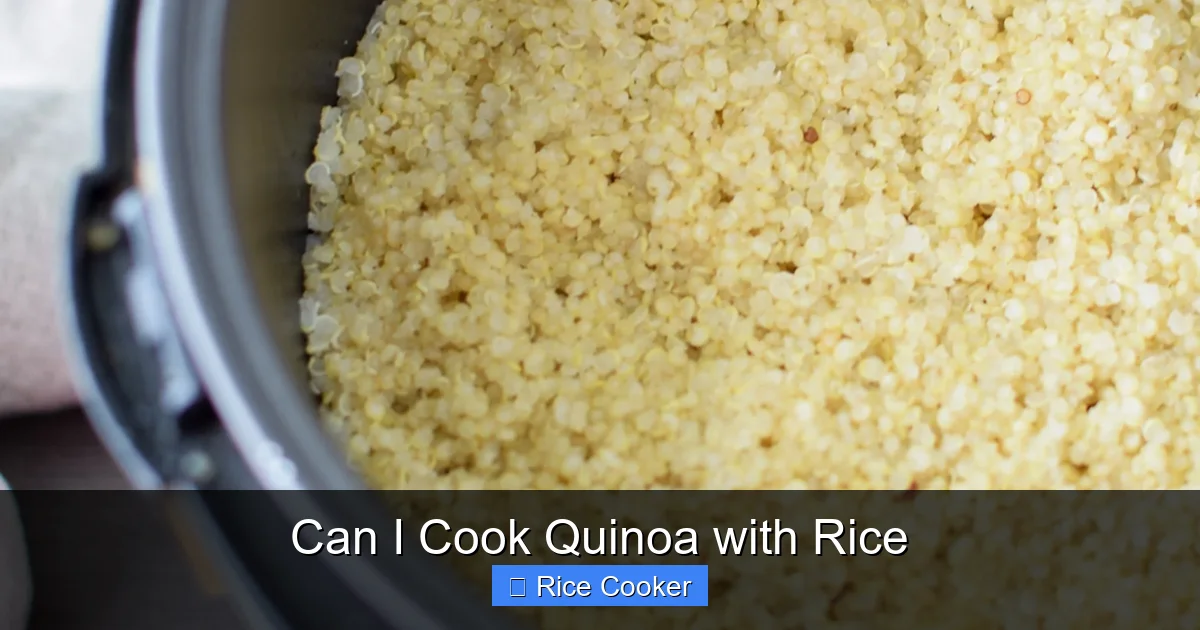
Visual guide about Can I Cook Quinoa with Rice
Image source: cdn.projectmealplan.com
From a nutritional standpoint, this pairing is powerful. Rice provides carbohydrates for energy, while quinoa offers complete proteins (containing all nine essential amino acids), fiber, and minerals like magnesium and iron. Together, they form a well-rounded, satisfying meal that supports sustained energy and digestive health.
Why People Love Mixing Them
Many home chefs love blending quinoa and rice because it reduces cleanup and cooking time. Instead of making two separate batches, you do one. It also allows for creative seasoning—imagine adding garlic, thyme, or lemon zest to both grains as they cook. Plus, the result tastes like a gourmet side dish, even though you used basic ingredients.
Another reason this combo works so well is adaptability. Whether you’re making a quick lunch or preparing for a dinner party, this method fits any occasion. And since rice cookers are designed to manage moisture and heat precisely, you get consistent results every time.
Step-by-Step Guide: How to Cook Quinoa with Rice in a Rice Cooker
Gather Your Ingredients
Before you start, make sure you have the following:
- White rice (1 cup)
- Quinoa (1/2 cup, uncooked)
- Water or broth (2 cups)
- Salt (optional, to taste)
- Olive oil or butter (optional, for richness)
Pro tip: If using brown rice, increase water to 2.5 cups and add 5–10 extra minutes to cooking time.
Prepare the Grains
Rinsing quinoa is essential—it removes saponins, a natural coating that can leave a bitter taste. Place it in a fine-mesh strainer and rinse under cold water for 30 seconds. For rice, rinsing isn’t always necessary, especially with white rice, but it helps reduce stickiness. If you do rinse, drain well to prevent excess water from affecting the cook.
Combine in the Rice Cooker
Add the rinsed quinoa and rice to the inner pot of your rice cooker. Pour in the water (or broth), add a pinch of salt, and drizzle in a teaspoon of olive oil if desired. Stir gently once to distribute evenly.
Cook and Let It Rest
Close the lid, select the “Normal” or “White Rice” setting, and press start. Most rice cookers will signal when done—usually after 18–22 minutes. Once finished, let the pot sit for 5 minutes with the lid closed. This allows residual steam to finish cooking and ensures even texture.
Fluff and Serve
Open the lid, fluff the mixture with a fork, and serve warm. At this point, you can fold in fresh herbs, chopped parsley, or a squeeze of lime for brightness.
Perfect Ratios and Water Levels for Success
The Ideal Quinoa-to-Rice Ratio
A good starting point is 1 cup rice to 1/2 cup quinoa. This keeps the dish balanced—rice provides volume and softness, while quinoa adds chew and nutrition. Adjust based on preference: use more rice for a lighter feel or more quinoa for a heartier bite.
Water Measurement Tips
For most rice cookers, use 2 cups of liquid for every 1.5 cups of dry grains (1 cup rice + 1/2 cup quinoa). If your cooker is older or less sensitive, add an extra 1/4 cup water. Conversely, if it’s newer and retains moisture better, reduce by 1/4 cup.
Using Broth Instead of Water
Swap water for vegetable or chicken broth to deepen flavor. Just remember that broth may alter salt levels, so taste before salting. Herbs like bay leaf or thyme can be added directly to the water for infusion.
Adjusting for Different Rice Types
Short-grain rice (like sushi rice or arborio rice) sticks together more—perfect for stuffing or risotto-style dishes. Long-grain (like jasmine or basmati) stays separate and light, ideal for pilafs. Brown rice needs more water and longer time, so adjust accordingly.
Troubleshooting Common Issues
- Mushy result? Overcooked or too much water. Reduce water next time.
- Bitter taste? Didn’t rinse quinoa. Always rinse thoroughly.
- Uneven texture? Quinoa may clump. Stir halfway through cooking if your cooker allows.
Flavor Variations and Creative Recipes
Classic Herb and Garlic Quinoa-Rice Medley
Try this simple upgrade: sauté minced garlic in a bit of olive oil, then add it with dried rosemary or thyme to the cooker along with the grains and water. Cook as usual. The aroma fills your kitchen!
Southwest-Inspired Grain Bowl Base
Mix in canned black beans, corn, and diced tomatoes (drained) during the last 5 minutes of cooking. Top with avocado, shredded cheese, and cilantro when serving. A complete meal in one pot!
Lemon-Pepper Quinoa-Rice Pilaf
Add the zest of one lemon and a pinch of black pepper to the water. After cooking, toss with a tablespoon of olive oil and a splash of lemon juice. Bright, zesty, and refreshing.
Sweet Option: Coconut Rice with Toasted Quinoa
Use coconut milk instead of water for a creamy, tropical twist. Toast quinoa lightly in a dry pan before adding to enhance its nutty flavor. Sweeten with a touch of honey if desired.
Vegan and Gluten-Free Friendly
This recipe is naturally vegan and gluten-free (just ensure your quinoa is certified GF). Perfect for dietary restrictions without sacrificing taste.
Benefits of Cooking Quinoa with Rice Together
Nutritional Advantages
When you cook quinoa with rice, you get the best of both worlds. Rice is rich in carbohydrates, supporting brain function and physical activity. Quinoa contributes plant-based protein, fiber, and antioxidants. Together, they help regulate blood sugar and keep you full longer.
Digestive Health Boost
Fiber from both grains promotes healthy digestion and gut microbiome balance. Regular consumption can reduce constipation and support long-term colon health.
Cost-Effective and Efficient
Using one pot for two ingredients saves time, energy, and cleanup. It’s especially useful for busy families or students who want healthy meals without complexity.
Versatility in Meal Planning
Leftovers reheat well and work in salads, wraps, or stuffed peppers. Portion and freeze for future lunches—this dish travels beautifully.
Sustainability Angle
Both grains have lower environmental footprints compared to meat. Choosing plant-based meals like this supports sustainable eating habits.
Common Myths and Misconceptions Debunked
Myth: Quinoa and Rice Don’t Belong Together
Some believe mixing grains ruins the texture or flavor. But with proper prep and ratios, the result is harmonious. Think of it like baking—sometimes combining ingredients creates magic.
Myth: You Need Special Equipment
No fancy gadgets required. Any standard rice cooker handles the job. Even stovetop methods work, but the cooker makes it foolproof. For safety tips, check out our advice on leaving the rice cooker unattended.
Myth: It’s Harder Than Cooking Separately
In reality, it’s easier—one pot, one timer. No monitoring or stirring needed. Just add, press, and forget.
Myth: Quinoa Overpowers the Dish
When balanced correctly, quinoa enhances rather than dominates. Its subtle nuttiness complements rice beautifully.
Myth: Only Experts Can Do It Well
Beginners can master this easily. Follow the steps, and you’ll get great results every time.
Tips for Busy Home Cooks
Meal Prep Hack
Cook a big batch on Sunday. Divide into containers and store in the fridge for up to 5 days or freeze for 2 months. Reheat with a splash of water to restore moisture. If you want to keep it warm for longer, see our guide on leaving the rice cooker on warm overnight.
Prep Ahead
Rinse quinoa and rice the night before. Store separately in airtight containers. This saves 5 minutes in the morning.
Double the Recipe
If you love this combo, double the amounts. Most rice cookers handle up to 2 cups of rice comfortably.
Use Frozen Vegetables
Add frozen peas or carrots during the last 3 minutes of cooking. They thaw quickly and infuse flavor.
Label and Organize
Keep a simple chart taped near your stove: “1 cup rice + ½ cup quinoa + 2 cups water = 3 cups cooked.”
Conclusion: Why This Combo Is Worth Trying Today
Cooking quinoa with rice in your rice cooker isn’t just convenient—it’s smart, tasty, and nutritionally sound. You get a complete protein source, improved digestion, and endless flavor combinations—all in under 30 minutes. Whether you’re new to cooking or a seasoned chef, this technique adds value to your kitchen routine.
Don’t let fear of mixing grains hold you back. Start small: try the basic recipe, then experiment with herbs, vegetables, or spices. Before long, you’ll wonder how you ever lived without this simple yet powerful method.
So go ahead—grab that bag of quinoa and box of rice. Your rice cooker is waiting. Press start, and enjoy a bowl full of flavor, nutrition, and ease.
Frequently Asked Questions
Can I cook quinoa with rice in a rice cooker?
Yes, absolutely! Simply combine rinsed quinoa and rice with water in your rice cooker. Use a ratio of 1 cup rice to 1/2 cup quinoa and 2 cups water. Cook on the standard setting for about 20–25 minutes.
Do I need to rinse quinoa before cooking it with rice?
Yes, always rinse quinoa under cold water in a fine-mesh strainer for 30 seconds. This removes saponins, which can give quinoa a bitter taste. Rinsed quinoa mixes better with rice and improves overall flavor.
What happens if I don’t rinse quinoa?
If you skip rinsing, your quinoa may taste soapy or bitter. While it won’t ruin the dish entirely, it affects the flavor negatively. Always rinse to ensure the best taste.
Can I substitute broth for water when cooking quinoa and rice?
Yes, using broth adds depth and flavor. Vegetable or chicken broth works well. Just remember to taste before salting, as broth often contains sodium.
How much water should I use for quinoa and rice together?
Use 2 cups of liquid for every 1 cup of rice and 1/2 cup of quinoa. Adjust by 1/4 cup up or down depending on your rice cooker model and grain type.
Is cooking quinoa and rice together healthier than eating them separately?
While both offer great nutrition individually, combining them gives you a complete protein profile and increased fiber intake. It’s a simple way to boost your daily nutrient intake without extra effort.