
You absolutely can cook quinoa in your Zojirushi rice cooker — and it’s easier than you think! These high-quality appliances are designed to handle a variety of grains, including quinoa, with consistent, reliable results. With just a few simple adjustments, you’ll enjoy perfectly cooked, nutritious quinoa every time without needing extra gadgets or complicated steps.
Key Takeaways
- Zojirushi rice cookers are versatile: Most models can cook quinoa just like rice, thanks to their advanced cooking technology and precise temperature control.
- Use the right water-to-quinoa ratio: A general rule is 1.5 parts water to 1 part quinoa for fluffy results, though soaking can help reduce cooking time and improve texture.
- Pre-rinsing matters: Rinsing quinoa removes saponins, which can leave a bitter taste; always rinse until water runs clear before cooking.
- Adjust cooking settings: Use the “White Rice” or “Mixed Grain” setting for best results, and avoid the “Quick Cook” function unless your model supports it.
- Let it rest after cooking: Allow quinoa to sit covered for 5–10 minutes after the cycle ends to finish steaming and achieve ideal fluffiness.
- Experiment with flavors: Add herbs, spices, or broth instead of water to enhance taste — Zojirushi’s sealed environment locks in flavor beautifully.
- Cleaning is easy: Always clean the inner pot and lid promptly after use to prevent residue buildup from quinoa’s slightly sticky texture.
📑 Table of Contents
- Can I Cook Quinoa in My Zojirushi Rice Cooker?
- Why Zojirushi Rice Cookers Are Ideal for Cooking Quinoa
- How to Cook Quinoa in Your Zojirushi Rice Cooker: Step-by-Step Guide
- Common Mistakes When Cooking Quinoa in a Rice Cooker
- Troubleshooting: What to Do If Your Quinoa Doesn’t Turn Out Right
- Tips for Perfect Quinoa Every Time
- Cooking Quinoa in Different Zojirushi Models
- Creative Ways to Use Your Zojirushi-Cooked Quinoa
- Frequently Asked Questions (FAQs)
- Final Thoughts: Why Your Zojirushi Is the Ultimate Quinoa Tool
Can I Cook Quinoa in My Zojirushi Rice Cooker?
Have you ever stood in your kitchen, staring at a bag of quinoa with dreams of fluffy, protein-rich meals, only to realize you don’t have a dedicated quinoa cooker? Or maybe you’re trying to simplify your kitchen setup and want to know if your trusty Zojirushi rice cooker can handle more than just white rice? The good news? Yes, you absolutely can cook quinoa in your Zojirushi rice cooker, and doing so opens up a world of nutritious, delicious possibilities.
Zojirushi rice cookers are renowned for their precision, durability, and ability to produce consistently perfect grains. Originally designed for rice, these appliances have evolved into versatile kitchen tools capable of handling a wide range of whole grains — including quinoa. Whether you’re preparing a base for salads, a side dish for dinner, or even a breakfast porridge, your Zojirushi can deliver restaurant-quality results with minimal effort.
In this comprehensive guide, we’ll walk you through everything you need to know about cooking quinoa in your Zojirushi rice cooker. From understanding why Zojirushi machines work so well with quinoa to step-by-step instructions, troubleshooting common issues, and creative recipe ideas, you’ll become a quinoa-cooking pro in no time. Let’s get started!
Why Zojirushi Rice Cookers Are Ideal for Cooking Quinoa
Before diving into the “how,” let’s explore the “why.” What makes Zojirushi rice cookers such excellent candidates for cooking quinoa? It all comes down to their advanced engineering and smart design features.
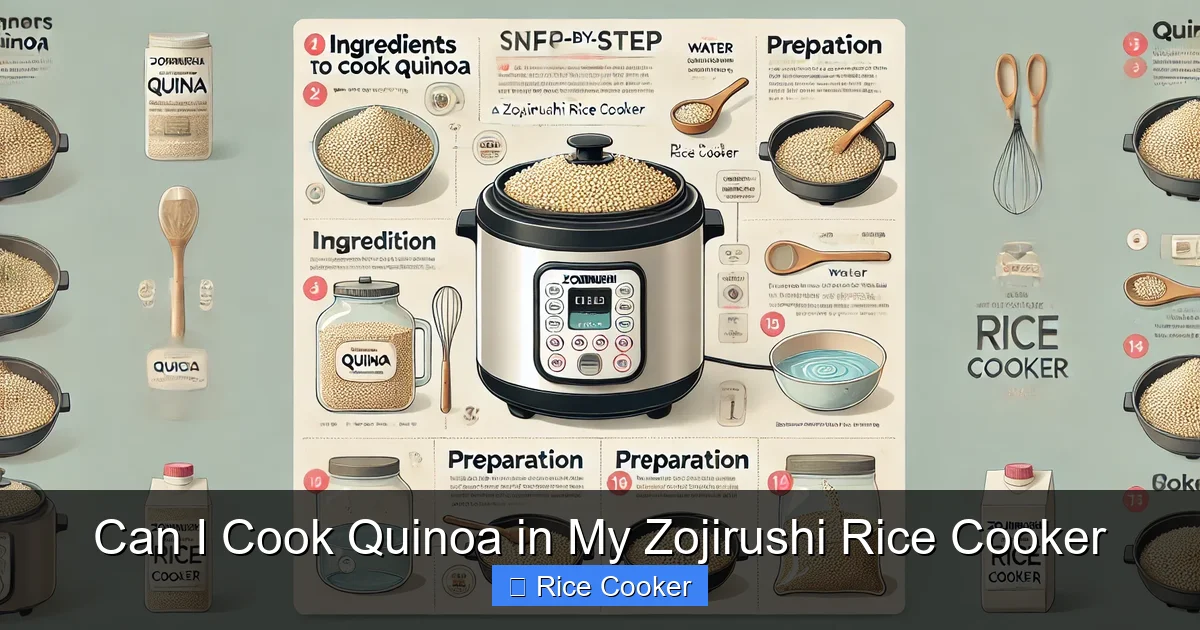
Visual guide about Can I Cook Quinoa in My Zojirushi Rice Cooker
Image source: expertreviewsbestricecooker.com
Precision Temperature Control
One of the standout features of Zojirushi rice cookers is their ability to maintain precise temperatures throughout the cooking process. Quinoa requires steady heat to fully hydrate its starches and proteins without turning mushy or undercooked. Zojirushi machines use fuzzy logic or AI-based algorithms (depending on the model) to monitor and adjust heat levels automatically, ensuring even cooking.
This is especially important for quinoa, which has a unique outer coating called saponin that must be rinsed off and doesn’t require pre-soaking in most cases. Unlike stovetop methods where heat fluctuations are common, your Zojirushi delivers consistent warmth from start to finish.
Advanced Cooking Programs
Many Zojirushi models come equipped with multiple cooking settings — such as White Rice, Brown Rice, Mixed Grain, Sweet Rice, and even Quick Cook. While you won’t find a dedicated “Quinoa” button, the Mixed Grain or White Rice setting often works best. Some newer models also offer customizable timers and pressure settings that give you even greater control.
For example, the Zojirushi NS-ZCC10 model includes a “Mixed Grain” mode specifically designed for foods like barley, millet, and yes — quinoa. This setting uses a longer cook time and lower temperature to ensure thorough hydration without overcooking.
Non-Stick Inner Pot and Easy Cleaning
Cooking quinoa can sometimes leave behind a slightly tacky residue due to its natural oils and proteins. Fortunately, Zojirushi’s non-stick inner pots are coated with durable materials like ceramic or titanium, making cleanup a breeze. Just rinse with warm water and a soft sponge — no scrubbing required.
Consistent Results Every Time
Unlike boiling quinoa on the stove, where you have to babysit the pot, the Zojirushi handles everything automatically. You measure, add water, press a button, and walk away. At the end of the cycle, you’re greeted with perfectly fluffy, uniformly cooked quinoa — every single time.
How to Cook Quinoa in Your Zojirushi Rice Cooker: Step-by-Step Guide
Ready to try it yourself? Follow this simple, foolproof method to cook delicious quinoa using your Zojirushi rice cooker.
What You’ll Need
- 1 cup uncooked quinoa (any color or blend)
- 1.5 cups water (or broth for added flavor)
- Fine-mesh strainer or colander
- Measuring cup and spoon
- Optional: pinch of salt, olive oil, or herbs
Step 1: Rinse the Quinoa Thoroughly
This is perhaps the most crucial step. Quinoa naturally contains saponins — a bitter-tasting compound that gives it a soapy flavor if not removed. To rinse effectively:
- Place the quinoa in a fine-mesh strainer.
- Rinse under cold running water for at least 30 seconds.
- Gently rub the grains between your fingers to help release any remaining saponins.
- Continue rinsing until the water runs completely clear.
Tip: Avoid using too much force, as quinoa is delicate and can break apart easily.
Step 2: Measure Ingredients Accurately
Getting the right ratio is key to fluffy quinoa. For most Zojirushi models, use:
- 1 cup rinsed quinoa
- 1.5 cups liquid (water, vegetable broth, or milk for creamier results)
- White Rice Setting: Best for standard fluffy quinoa. Uses moderate heat and timing.
- Mixed Grain Setting: Ideal if your model has it. Longer cook time ensures full hydration.
- Avoid “Quick Cook” unless your Zojirushi model specifically supports it for non-rice grains — otherwise, quinoa may turn gummy.
- Let the quinoa steam for 5–10 minutes with the lid closed.
- This final step allows residual heat to finish cooking any stubborn grains and improves fluffiness.
- Reduce cooking time
- Improve digestibility
- Enhance flavor absorption
- Veggie or chicken broth
- Coconut milk for tropical flair
- Apple cider vinegar or lemon juice for brightness
- Bay leaf or cumin seeds during cooking
Note: If you prefer softer quinoa (like for porridge), increase water to 2 cups. For firmer grains (ideal for salads), stick closer to 1.25 cups.
Step 3: Add to the Inner Pot
Open the lid of your Zojirushi and place the inner pot inside. Pour in the rinsed quinoa and measured liquid. Give it a quick stir to distribute evenly — this helps prevent clumping later.
If desired, add a pinch of salt or a teaspoon of olive oil during this step for enhanced flavor and texture.
Step 4: Select the Right Cooking Setting
Now it’s time to choose your setting. Here’s what works best:
Press the selected button and close the lid firmly. The machine will begin heating and cooking automatically.
Step 5: Let It Rest After Cooking
Once the cycle completes and the machine switches to “Keep Warm,” do NOT open the lid immediately. Instead:
After resting, gently fluff the quinoa with a fork before serving.
Common Mistakes When Cooking Quinoa in a Rice Cooker
Even with the best equipment, things can go wrong — but don’t worry! Most issues are easily fixable with a few tweaks.
Mistake #1: Not Rinsing the Quinoa
Skipping the rinse leaves behind bitter saponins, resulting in an unpleasant taste. Always rinse thoroughly — it’s non-negotiable for great quinoa.
Mistake #2: Using Too Much Water
Too much liquid leads to mushy, glue-like quinoa. Stick to 1.5:1 ratio unless you’re making porridge-style dishes.
Mistake #3: Opening the Lid During Cooking
Opening the lid lets heat escape, disrupting the cooking cycle. Resist the urge to peek — just trust the process!
Mistake #4: Using the Wrong Setting
While “White Rice” usually works, opting for “Mixed Grain” yields better results for quinoa’s denser structure. Check your manual for model-specific advice.
Mistake #5: Not Fluffing After Cooking
Even if the quinoa looks done, it benefits from being fluffed. Use a fork to separate grains and release trapped steam.
Troubleshooting: What to Do If Your Quinoa Doesn’t Turn Out Right
Despite following all the steps, sometimes things don’t go as planned. Here’s how to salvage your batch — or prevent future issues.
Problem: Quinoa Is Gummy or Sticky
Cause: Overcooked, too much water, or insufficient rinsing.
Fix: Next time, reduce water by 1/4 cup and ensure thorough rinsing. Also, avoid opening the lid during cooking.
Problem: Some Grains Are Hard or Undercooked
Cause: Inconsistent heat or old/quality quinoa.
Fix: Try soaking quinoa for 15–30 minutes before cooking (see next section). Also, store quinoa in an airtight container away from light and moisture.
Problem: Bitter Taste Remains
Cause: Inadequate rinsing or old quinoa.
Fix: Re-rinse carefully. If bitterness persists, discard and start fresh — old quinoa loses potency and develops off-flavors.
Problem: Rice Cooker Smells After Cooking Quinoa
Cause: Residue buildup from repeated use.
Fix: Clean the inner pot and lid immediately after each use. A mixture of warm water and baking soda works wonders for stubborn stains.
Tips for Perfect Quinoa Every Time
Want to take your quinoa game to the next level? Try these expert-approved tips.
Soak Your Quinoa (Optional but Helpful)
While not required, soaking quinoa for 15–30 minutes before cooking can:
To soak: Combine rinsed quinoa with 2 parts water, cover, and refrigerate for up to 24 hours. Drain and proceed with normal cooking steps.
Add Flavor Without Extra Effort
Instead of plain water, try:
These additions infuse subtle depth without requiring active cooking.
Store Leftovers Properly
Cooked quinoa lasts up to 5 days in the fridge when stored in an airtight container. Reheat gently on the stovetop or in the microwave with a splash of water to restore moisture.
Experiment with Varieties
Red, black, and tri-color quinoa behave similarly but offer different textures and flavors. Red quinoa holds shape well; black quinoa adds earthiness. All work beautifully in Zojirushi cookers.
Cooking Quinoa in Different Zojirushi Models
Not all Zojirushi models are created equal — and some offer more flexibility than others. Here’s a quick breakdown.
Basic Models (e.g., NS-TSC10)
These entry-level machines typically have only one or two settings — usually “White Rice” and “Brown Rice.” For these, use the “White Rice” setting and extend cook time slightly by letting it rest longer. They lack advanced programs but still produce decent quinoa.
Advanced Models (e.g., NS-ZCC18, NP-DC10)
High-end models feature multiple settings, including “Mixed Grain,” “Sweet Rice,” and programmable timers. These are ideal for quinoa because they offer better temperature control and longer cook cycles. The “Mixed Grain” setting is your best bet here.
Pressure Cooker Models (e.g., NP-HBC10)
If you own a Zojirushi pressure cooker/rice cooker combo, you can cook quinoa using the “Rice” or “Porridge” setting. Pressure cooking shortens time significantly — perfect for busy mornings. Just remember to rinse well and adjust liquid slightly (reduce by 1–2 tbsp).
Smart/Connected Models (e.g., NP-DET10)
Some newer models connect to apps via Wi-Fi, allowing remote start and custom recipes. You can even download quinoa recipes directly to your machine! Check your manual for compatibility.
Creative Ways to Use Your Zojirushi-Cooked Quinoa
Once you’ve mastered the basics, the culinary possibilities expand dramatically.
Breakfast Bowls
Swap oatmeal for quinoa porridge! Cook quinoa with milk, cinnamon, and a drizzle of honey. Top with fresh berries, nuts, and chia seeds for a satisfying, protein-packed morning meal.
Salad Foundations
Cool cooked quinoa and toss with chopped veggies, feta cheese, and a lemon-olive oil dressing. It’s a staple in Mediterranean and grain bowl diets.
Savory Pilafs
Sauté onions and garlic, then add quinoa and broth. Simmer until liquid absorbs. Stir in peas, carrots, or mushrooms for a hearty side dish.
Baked Goods & Vegan Substitutes
Use cooked quinoa as a binder in veggie burgers, meatballs, or energy balls. It adds nutrition and texture without eggs or dairy.
Snack Mixes
Combine cooled quinoa with roasted chickpeas, seeds, and spices for crunchy, healthy snacks.
Frequently Asked Questions (FAQs)
Can I cook quinoa directly in my Zojirushi without rinsing?
No, you should always rinse quinoa before cooking to remove bitter saponins. Skipping this step results in a soapy, unpleasant taste.
Do I need to soak quinoa before cooking it in a Zojirushi?
Soaking is optional but recommended. It reduces cooking time, improves texture, and enhances nutrient availability. Soak for 15–30 minutes before adding to the cooker.
Which Zojirushi setting works best for quinoa?
The “Mixed Grain” setting is ideal if your model has it. Otherwise, use the “White Rice” setting and let quinoa rest longer after cooking for best results.
Can I cook quinoa in a pressure cooker Zojirushi?
Yes! Use the “Rice” or “Porridge” setting. Reduce liquid by 1–2 tablespoons and ensure thorough rinsing first.
How long does it take to cook quinoa in a Zojirushi?
Most cycles take 15–20 minutes, plus 5–10 minutes of resting time. Exact timing depends on your model and whether you soaked the quinoa.
Can I cook quinoa in a Zojirushi with other grains?
Absolutely! Many Zojirushi models support mixed grain cooking. Combine quinoa with brown rice, barley, or millet using the “Mixed Grain” setting. Adjust liquid accordingly.
Final Thoughts: Why Your Zojirushi Is the Ultimate Quinoa Tool
Cooking quinoa in your Zojirushi rice cooker isn’t just possible — it’s one of the easiest, most reliable ways to prepare this superfood. Thanks to precise temperature control, user-friendly settings, and consistent performance, your Zojirushi transforms quinoa from a finicky ingredient into a kitchen superstar.
Whether you’re feeding a family, meal-prepping for the week, or experimenting with global cuisines, knowing how to cook quinoa in your Zojirushi empowers you to eat healthier, save time, and reduce clutter in your kitchen. No special gadgets needed — just your trusty appliance and a little know-how.
So go ahead — grab that bag of quinoa, fire up your Zojirushi, and discover the magic of perfectly cooked, fluffy grains every single time. Your future self (and taste buds) will thank you!
Frequently Asked Questions
Can I cook quinoa directly in my Zojirushi without rinsing?
No, you should always rinse quinoa before cooking to remove bitter saponins. Skipping this step results in a soapy, unpleasant taste.
Do I need to soak quinoa before cooking it in a Zojirushi?
Soaking is optional but recommended. It reduces cooking time, improves texture, and enhances nutrient availability. Soak for 15–30 minutes before adding to the cooker.
Which Zojirushi setting works best for quinoa?
The “Mixed Grain” setting is ideal if your model has it. Otherwise, use the “White Rice” setting and let quinoa rest longer after cooking for best results.
Can I cook quinoa in a pressure cooker Zojirushi?
Yes! Use the “Rice” or “Porridge” setting. Reduce liquid by 1–2 tablespoons and ensure thorough rinsing first.
How long does it take to cook quinoa in a Zojirushi?
Most cycles take 15–20 minutes, plus 5–10 minutes of resting time. Exact timing depends on your model and whether you soaked the quinoa.
Can I cook quinoa in a Zojirushi with other grains?
Absolutely! Many Zojirushi models support mixed grain cooking. Combine quinoa with brown rice, barley, or millet using the “Mixed Grain” setting. Adjust liquid accordingly.