
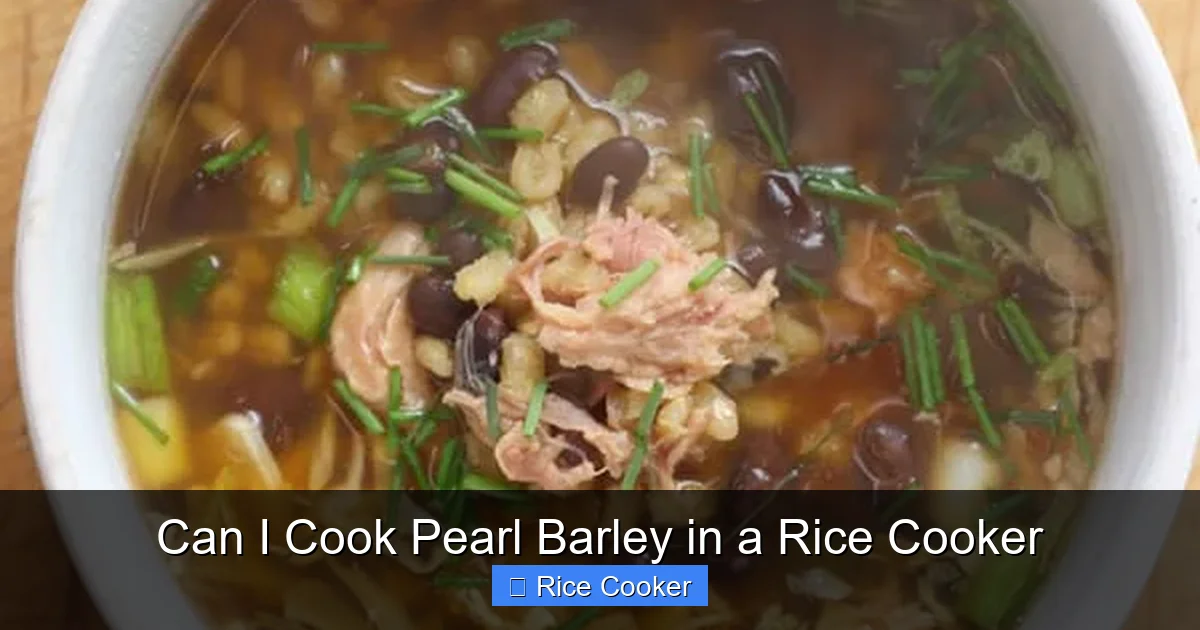
Can I cook pearl barley in a rice cooker? Absolutely! With just a few simple steps, your rice cooker transforms pearl barley into a fluffy, nutritious side dish or base for salads. It’s a time-saving method that requires no constant stirring and delivers consistent results every time. Whether you’re meal prepping or cooking for one, this kitchen hack makes healthy eating effortless.
Key Takeaways
- Yes, it’s possible: Pearl barley works beautifully in most standard rice cookers with the right ratio of water to grain.
- Simple process: Rinse, add water, press “cook,” and let the machine do the work—no babysitting required.
- Nutritious and versatile: Pearl barley is high in fiber, protein, and essential minerals like selenium and magnesium.
- Texture matters: Cooking time affects chewiness; adjust based on your preference for al dente vs. soft barley.
- Storage-friendly: Cooked barley keeps well in the fridge for up to 5 days and freezes for months.
- Customizable: Add herbs, garlic, or broth during cooking to infuse flavor without extra effort.
- Saves time: One-pot cooking reduces cleanup and streamlines busy weeknight meals.
📑 Table of Contents
- Can I Cook Pearl Barley in a Rice Cooker? The Ultimate Guide
- Why Choose Pearl Barley Over Other Grains?
- The Basics: Can You Even Use a Rice Cooker for Barley?
- How to Cook Perfect Pearl Barley in a Rice Cooker
- Adjusting Texture: From Al Dente to Creamy
- Creative Ways to Use Cooked Pearl Barley
- Storing & Reheating Tips
- Health Benefits of Pearl Barley
- Final Thoughts: Is It Worth It?
Can I Cook Pearl Barley in a Rice Cooker? The Ultimate Guide
If you’ve ever stared at a bag of pearl barley wondering how to prepare it without spending an hour on the stovetop, you’re not alone. That chewy, earthy grain—once considered old-fashioned—has made a comeback thanks to its impressive nutritional profile and versatility in soups, salads, and side dishes. But here’s the good news: **yes, you absolutely can cook pearl barley in a rice cooker**, and doing so couldn’t be simpler.
Unlike brown rice or quinoa, which have become household staples thanks to their ease of preparation, pearl barley often gets overlooked because people assume it requires long, slow simmering on the stove. Enter the humble rice cooker—a kitchen appliance designed to automate grain cooking with precision and minimal effort. In this comprehensive guide, we’ll walk you through everything you need to know about cooking pearl barley in a rice cooker: from choosing the right type of barley, setting the correct water ratio, adjusting texture preferences, to adding flavor boosts. By the end, you’ll feel confident turning your rice cooker into a barley-making powerhouse.
Why Choose Pearl Barley Over Other Grains?
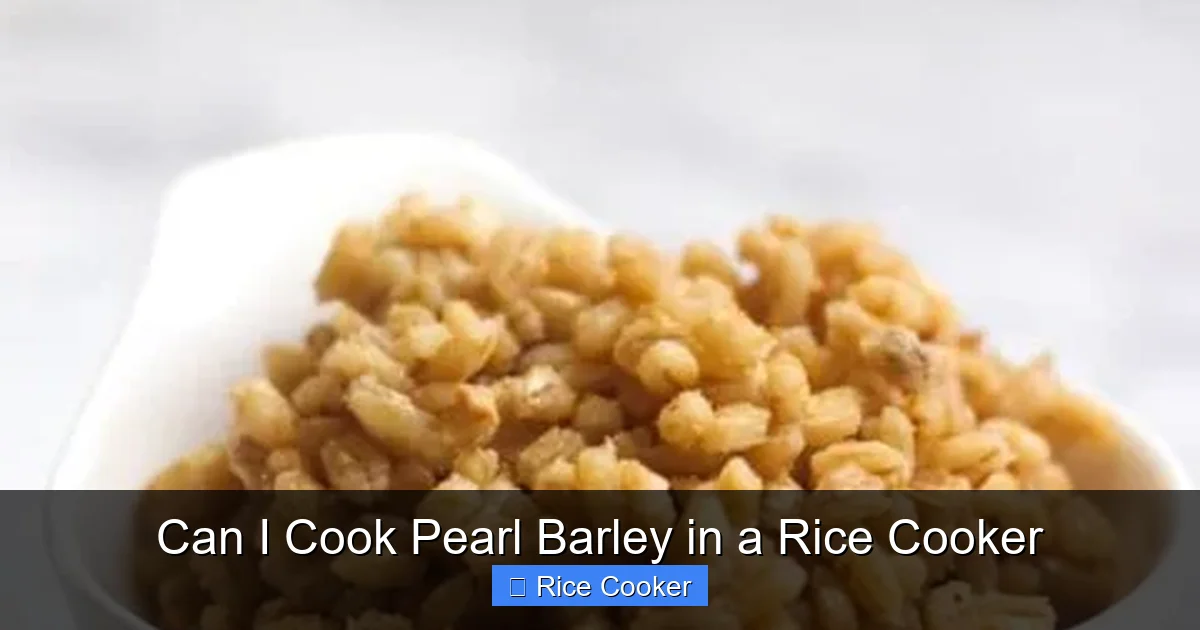
Visual guide about Can I Cook Pearl Barley in a Rice Cooker
Image source: fusioncraftiness.com
Before diving into the “how,” let’s talk about why pearl barley deserves a spot in your pantry—especially if you’re looking for a budget-friendly, nutrient-dense alternative to white rice or couscous.
Pearl barley (Hordeum vulgare) is a whole grain that’s been polished to remove only the outermost hull, unlike brown rice, which still retains its bran and germ layers. While this polishing gives it a longer shelf life and faster cooking time, it also removes some fiber and nutrients. Still, it remains richer in protein, B vitamins, and minerals compared to refined grains.
One cup of cooked pearl barley provides about:
– 230 calories
– 6 grams of protein
– 4 grams of dietary fiber
– 15% of your daily manganese needs
– Good amounts of selenium, phosphorus, and magnesium
These nutrients support heart health, aid digestion, and help regulate blood sugar—making pearl barley a smart choice for diabetics or those managing weight. Plus, its slightly nutty flavor pairs wonderfully with roasted vegetables, beans, lentils, or even creamy mushroom sauces.
The Basics: Can You Even Use a Rice Cooker for Barley?
This is the million-dollar question for many home cooks: *Can I cook pearl barley in a rice cooker?* The short answer is yes—but with a few caveats. If you’re interested in other rice cooker experiments, see our guide on making Arborio rice in a rice cooker.
What Kind of Rice Cooker Works Best?
Look for a rice cooker with:
– A non-stick inner pot (easier to clean)
– At least a 1.5-cup capacity (pearl barley expands significantly)
– A “Keep Warm” function (keeps food at safe temperatures without overcooking)
– Even heat distribution (prevents scorching at the bottom)
Countertop rice cookers like those from Zojirushi, Instant Pot Duo Crisp, or Cuckoo are excellent choices. If you already own a basic model, don’t worry—it will likely work fine.
How to Cook Perfect Pearl Barley in a Rice Cooker
Now for the fun part: actually making it happen. Here’s a step-by-step method that yields fluffy, tender barley every time.
Step 1: Rinse the Barley
Start by rinsing 1 cup of dry pearl barley under cold running water using a fine-mesh strainer. This removes surface starch that can make the grain gummy or cloudy. Rinsing also helps reduce any residual dust or impurities.
Tip: Don’t skip this step! Unrinsed barley tends to clump together and can leave behind a chalky residue.
Step 2: Add Water or Broth
The magic number: **2 cups of liquid per 1 cup of dry barley**. This includes water, vegetable broth, chicken stock, or even coconut milk for a tropical twist.
Using broth instead of plain water adds depth of flavor—perfect for grain bowls or soups. Just ensure the liquid isn’t too salty if you plan to season later.
Step 3: Optional Flavor Boosters
Want extra taste without extra work? Toss in:
– 1 bay leaf
– 1 clove of garlic (smashed)
– A pinch of thyme or rosemary
– 1 tbsp olive oil or butter
Let these infuse during cooking, then remove them before serving.
Step 4: Cook on Standard Setting
Add the rinsed barley and liquid to the rice cooker pot. Close the lid, select the “White Rice” or “Normal” setting (avoid “Quick Cook” unless your model supports it). Press start.
Cooking usually takes **40–45 minutes**. Your rice cooker will automatically switch to “Keep Warm” once done. Resist the urge to open the lid frequently—steam loss slows down the process.
Step 5: Let It Rest
Once the cycle ends, let the barley sit covered for 10 minutes. This allows any remaining moisture to distribute evenly and prevents mushiness.
Step 6: Fluff and Serve
Use a fork to fluff the barley gently. Discard any leftover aromatics (like bay leaves), and serve warm.
Adjusting Texture: From Al Dente to Creamy
One of the great things about pearl barley is its adaptability. Depending on how you plan to use it, you might want different textures.
Al Dente (Firm with Chew)
For salads, pilafs, or stuffing:
– Reduce water to **1¾ cups**
– Cut cook time by 5 minutes if possible
– Test after 35 minutes by tasting a few grains
Soft & Creamy
For porridge, soups, or baby food:
– Increase water to **2¼ cups**
– Add a splash of milk or cream after cooking
– Mash lightly with a potato masher
Troubleshooting Common Issues
Even with perfect technique, things can go sideways. Here’s how to fix common problems:
– **Gummy barley**: Too much water or overcooking. Next time, reduce liquid by ¼ cup.
– **Undercooked center**: Not enough liquid or heat. Stir halfway through and add ¼ cup hot water if needed.
– **Burned bottom**: Low water level or scorched pot. Always use non-stick pots and stick to recommended ratios.
– **Soggy texture**: Let it rest too long on “Keep Warm.” Drain excess water after fluffing.
Creative Ways to Use Cooked Pearl Barley
Don’t just serve it plain! Cooked barley is incredibly flexible and pairs well with both sweet and savory dishes.
Breakfast Ideas
Try a warm barley breakfast bowl topped with sliced banana, cinnamon, and almond butter. Or mix it with apples, raisins, and maple syrup for a hearty oatmeal-like porridge. For more sweet rice cooker ideas, check out our guide on making a cake in a rice cooker.
Lunch & Dinner Staples
Use barley as a base for Mediterranean bowls: add chickpeas, cucumber, tomatoes, feta, and tzatziki. In colder months, stir into miso soup or minestrone for extra body.
Desserts & Snacks
Surprise yourself—barley can be sweet! Combine cooked barley with honey, orange zest, and chopped nuts for energy balls. Or bake into muffins with blueberries and yogurt.
Storing & Reheating Tips
Leftovers? No problem.
Refrigerate cooled barley in an airtight container for up to 5 days. It thickens upon cooling, so add a splash of water or broth when reheating.
To freeze: Portion into freezer bags, label, and store for up to 3 months. Thaw overnight in the fridge and warm gently on the stove. For more on safe storage practices, see our article on leaving rice in the rice cooker overnight.
When reheating, microwave with a damp paper towel to retain moisture, or warm on the stovetop with a lid.
Health Benefits of Pearl Barley
Beyond being easy to cook, pearl barley offers real nutritional advantages:
– **High in fiber**: Promotes gut health and keeps you full longer.
– **Rich in antioxidants**: Helps combat inflammation.
– **Low glycemic index**: Supports stable blood sugar levels.
– **Gluten-free option**: Naturally gluten-free, though always check labels if sensitive.
Incorporating pearl barley into your diet can lower cholesterol, improve insulin sensitivity, and contribute to a balanced microbiome.
Final Thoughts: Is It Worth It?
So, back to the original question: **Can I cook pearl barley in a rice cooker?** Yes—and it’s one of the simplest, most rewarding kitchen upgrades you can make.
With minimal prep and zero babysitting, you get tender, nutritious grains ready to fuel your day. Whether you’re building grain bowls, thickening soups, or experimenting with new recipes, pearl barley delivered via rice cooker is a win-win.
Give it a try tonight. Start with 1 cup of barley and 2 cups of broth. Watch your rice cooker work its magic. Then, enjoy the satisfaction of knowing you’ve turned a simple ingredient into something delicious, healthy, and surprisingly easy.
Frequently Asked Questions
Can I cook pearl barley directly in my rice cooker?
Yes, you can cook pearl barley directly in a standard rice cooker. It requires a water-to-barley ratio of 2:1 and typically takes 40–45 minutes on the “white rice” setting. Just rinse the barley first and let the machine handle the rest.
Do I need to soak pearl barley before cooking it in a rice cooker?
No soaking is necessary for pearl barley when using a rice cooker. Unlike some ancient grains, it absorbs water quickly and evenly during the automated cooking cycle, so skipping soaking saves time without sacrificing texture.
What happens if I use too much water when cooking pearl barley in a rice cooker?
If you use too much water, the barley will turn out soggy or mushy. To fix this, drain excess liquid after cooking and fluff with a fork. For future batches, reduce the water by ¼ cup per 1 cup of barley.
Can I add salt or seasonings to pearl barley while cooking it in a rice cooker?
Absolutely! Add salt, herbs, or spices directly into the rice cooker along with the liquid. Garlic cloves, bay leaves, or dried thyme infuse subtle flavors without extra effort. Remove aromatic items before serving.
How long does cooked pearl barley last in the refrigerator?
Cooked pearl barley stays fresh in the refrigerator for up to 5 days when stored in an airtight container. It may thicken upon cooling, so add a little water or broth when reheating.
Is pearl barley gluten-free?
Pearl barley contains gluten, so it is not suitable for people with celiac disease or severe gluten intolerance. However, there are certified gluten-free varieties available—always check packaging if you need a gluten-free option.