

Can you cook rice and broccoli together? Absolutely! Using a rice cooker or pot, these two ingredients can be cooked simultaneously for a quick, balanced meal. This method saves time and ensures even cooking. Whether you’re meal-prepping or cooking dinner in 30 minutes, combining rice and broccoli simplifies your routine without sacrificing nutrition.
Key Takeaways
- Yes, rice and broccoli can be cooked together: They work well in both rice cookers and pots, making meal prep easier.
- Cooking times vary: Rice takes longer than broccoli, so timing and layering are key for perfect results.
- Nutrition boost: Combining them adds fiber, vitamins C and K, and complex carbs for a balanced dish.
- Flavor enhancement: Broccoli absorbs rice flavors, creating a more cohesive taste.
- Versatility: Add garlic, lemon, or soy sauce to elevate the dish.
- No need to pre-cook: Both ingredients go straight into the cooker or pot.
- Saves time and dishes: One pot means less cleanup and faster cooking.
📑 Table of Contents
- Can I Cook Rice and Broccoli Together?
- Why Cook Rice and Broccoli Together?
- Best Methods to Cook Rice and Broccoli Together
- Tips for Perfect Results Every Time
- Health Benefits of Eating Rice and Broccoli Together
- Creative Ways to Serve Rice and Broccoli
- Common Mistakes to Avoid
- Final Thoughts: Why This Method Works So Well
Can I Cook Rice and Broccoli Together?
If you’re looking for a fast, healthy, and delicious meal, the answer is yes—you absolutely can cook rice and broccoli together. In fact, many home cooks swear by this combination because it simplifies meal prep and delivers a nutritious, satisfying dish in under 40 minutes. Whether you’re using rice cooker or a stovetop pot, combining these two ingredients isn’t just possible; it’s practical and often tastes better than eating them separately.
The idea of cooking rice and broccoli together might seem too good to be true, but with the right technique, it becomes a kitchen game-changer. You won’t have to juggle multiple pots or worry about overcooking one ingredient while the other is still raw. Instead, you’ll enjoy a tender grain paired with vibrant, slightly crisp broccoli florets—all in one pan. Plus, the natural steam from the rice helps soften the broccoli without turning it mushy. Let’s dive into how you can make this happen, whether you’re a beginner or a seasoned cook.
Why Cook Rice and Broccoli Together?
Combining rice and broccoli isn’t just about convenience—it’s about creating harmony in your meals. When you cook them together, you’re building a foundation for a complete, balanced dish. Rice provides complex carbohydrates for sustained energy, while broccoli brings in essential nutrients like vitamin C, folate, and fiber. Together, they form a filling, plant-based meal that’s great for weight management, digestion, and overall health.
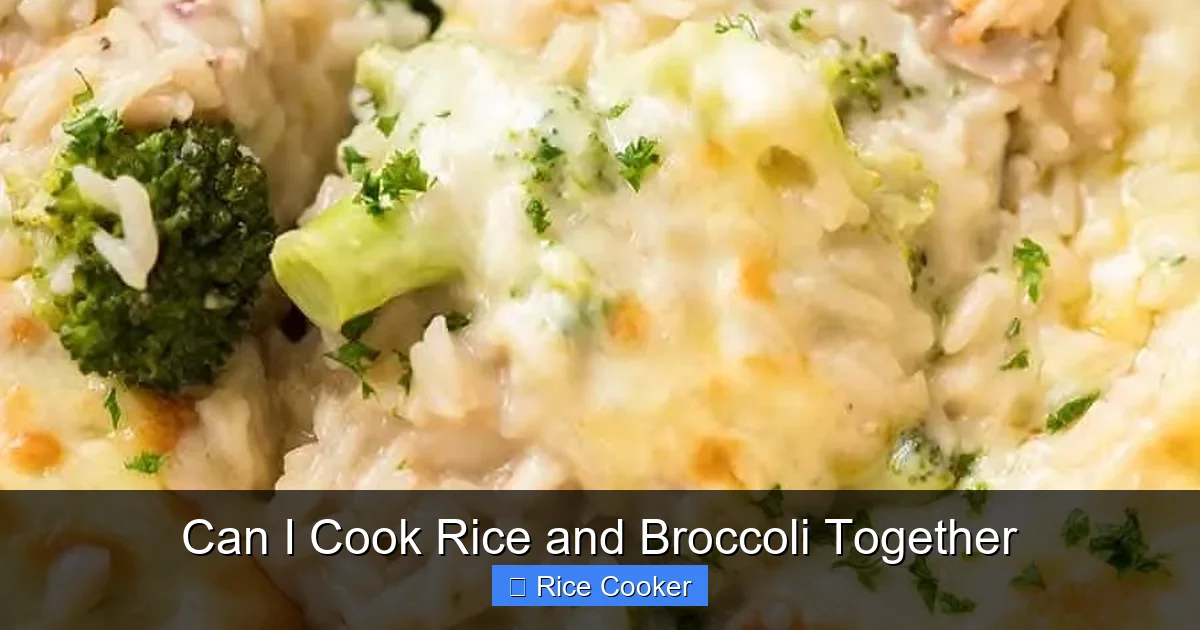
Visual guide about Can I Cook Rice and Broccoli Together
Image source: recipetineats.com
Another benefit is flavor integration. As the rice cooks, its subtle nutty aroma infuses the broccoli, giving it a mild, savory taste. This blending effect makes the meal feel more cohesive than serving them side-by-side. Imagine taking a bite of fluffy rice and finding a tender, slightly chewy piece of broccoli that tastes almost like part of the same flavor profile. That’s the magic of cooking them together.
From a time-saving perspective, this method is unbeatable. Instead of cooking rice first and then steaming broccoli separately, you can do both at once. This reduces active cooking time and cuts down on dishwashing. For busy weekdays, that’s a win-win. And if you’re using rice cooker, the process is even simpler—just add everything, press a button, and let the machine do the work.
Best Methods to Cook Rice and Broccoli Together
There are several effective ways to cook rice and broccoli together, depending on your equipment and preferred texture. The two most popular methods are using a rice cooker and using a pot on the stove. Each has its own advantages, so let’s explore both in detail.
1. Using a Rice Cooker (The Easiest Method)
If you own a rice cooker, you’re in luck—this is the simplest way to cook rice and broccoli together. Most modern rice cookers are designed to handle a variety of grains and even vegetables, making them ideal for multi-ingredient meals.
Here’s how to do it step by step:
- Step 1: Rinse 1 cup of white or brown rice under cold water until the water runs clear. This removes excess starch and prevents the rice from becoming gummy.
- Step 2: Add the rinsed rice to the rice cooker bowl along with 2 cups of water (for white rice) or 2.5 cups (for brown rice). Stir gently.
- Step 3: Break the broccoli into small florets—about 2 to 3 inches in size—and add them directly on top of the rice. Do not stir; just place them evenly across the surface.
- Step 4: Close the lid and select the “Cook” or “Rice” setting. For brown rice, you may need to use the “Brown Rice” setting or set a timer for an extra 10–15 minutes.
- Step 5: Once the cycle ends, let the cooker sit for 5 minutes with the lid closed. Then open it and gently fluff the rice with a fork. The broccoli should be tender-crisp and infused with rice flavor.
This method works especially well with white rice because it cooks faster than brown rice, reducing the chance of overcooked broccoli. If you’re using brown rice, consider adding the broccoli halfway through the cooking time to prevent it from turning green and mushy.
2. Stovetop Method (Pot Cooking)
Not everyone owns a rice cooker, and that’s okay. You can still cook rice and broccoli together on the stove using a large pot with a tight-fitting lid. This method gives you more control over heat and timing.
Follow these steps for success:
- Step 1: Combine 1 cup of rice with 2 cups of water in a medium-sized pot. Bring it to a boil over high heat.
- Step 2: Once boiling, reduce the heat to low and cover the pot with a lid. Let it simmer for 5 minutes.
- Step 3: Add 2–3 cups of fresh broccoli florets around the edge of the pot, nestled between the rice and the sides. Do not stir.
- Step 4: Cover tightly and continue cooking for another 10–12 minutes (for white rice) or 20–25 minutes (for brown rice), checking occasionally to avoid burning.
- Step 5: Remove from heat and let it rest for 5 minutes before uncovering. Fluff the rice and serve.
One tip: if you notice the water evaporating too quickly, add a splash of hot water. Also, avoid opening the lid frequently—this lets steam escape and can dry out the rice or overcook the broccoli.
3. Steaming Method (For Delicate Flavor)
If you want to preserve the bright green color and crisp texture of broccoli while still cooking it with rice, try a steaming approach. This method uses a double boiler or a steamer basket inside a pot.
Here’s how:
- Prepare the rice as usual in a pot with water.
- Place a steamer basket inside the pot after the rice has started to cook.
- Add the broccoli florets to the basket and cover the pot tightly.
- Cook for 8–10 minutes after the rice is done, or until broccoli is tender but still vibrant.
This method is best when you want maximum nutrition and color retention, though it does require an extra step and more attention.
Tips for Perfect Results Every Time
Even though cooking rice and broccoli together is straightforward, there are a few tricks to ensure your dish turns out perfectly—fluffy rice and tender, flavorful broccoli every time.
Choose the Right Rice Type
White rice is the easiest to pair with broccoli because it cooks quickly and doesn’t require long soaking. Brown rice takes longer and needs more water, which can sometimes overcook the broccoli. If you do use brown rice, consider cooking the rice first, then adding the broccoli and covering it for 5–7 minutes to steam it.
Don’t Overcrowd the Pot
Too much broccoli can block steam and cause uneven cooking. Stick to a ratio of about 1 cup rice to 2–3 cups broccoli. This ensures the rice gets enough air circulation and the broccoli cooks properly.
Season After Cooking
While some salt added during cooking can enhance flavor, it’s best to season after the meal is done. Try adding a drizzle of olive oil, a squeeze of lemon juice, or a sprinkle of garlic powder. These finishes make a big difference in taste and presentation.
Use Fresh Broccoli
Frozen broccoli works in a pinch, but fresh florets give the best texture and color. Look for firm, bright green heads without yellow spots. Cut them just before cooking for the best results.
Let It Rest
Just like with rice alone, resting the cooked mixture for 5 minutes allows the steam to redistribute and the flavors to meld. Don’t skip this step—it’s the secret to a light, non-gummy texture.
Health Benefits of Eating Rice and Broccoli Together
Beyond convenience and taste, combining rice and broccoli creates a powerhouse meal packed with nutrients. Let’s break down what each ingredient brings to the table.
Nutritional Highlights
- Rice: A staple grain rich in carbohydrates, providing energy. Whole-grain varieties like brown rice offer fiber, B vitamins, and magnesium.
- Broccoli: A cruciferous vegetable loaded with vitamin C, vitamin K, folate, potassium, and antioxidants like sulforaphane.
Together, they create a meal that supports heart health, digestion, immune function, and blood sugar regulation. The fiber in broccoli slows the absorption of glucose from rice, helping maintain steady energy levels.
Meal Prep Friendly
This dish is perfect for meal prep. Cook a batch of rice and broccoli at the start of the week, and reheat portions for quick lunches or dinners. Just be sure to store them separately if you plan to reheat to preserve broccoli’s texture.
Customizable and Gluten-Free
Rice and broccoli naturally form a gluten-free meal, making them safe for people with celiac disease or gluten sensitivity. You can also adapt the dish with different seasonings—try curry powder, turmeric, or sesame oil for variety.
Creative Ways to Serve Rice and Broccoli
Once you’ve mastered the basics of cooking rice and broccoli together, don’t stop there. This versatile dish pairs well with a wide range of proteins and sauces, turning it into a full, restaurant-style meal.
Add Protein for a Complete Meal
Make it a main course by adding grilled chicken, tofu, shrimp, or hard-boiled eggs. The broccoli complements lean meats and plant-based proteins beautifully.
Dress It Up
Instead of plain steamed broccoli, try tossing the cooked rice and broccoli with:
- Lemon-tahini sauce
- Garlic butter
- Chili flakes and soy sauce
- Fresh herbs like parsley or cilantro
These additions transform the dish into something gourmet without much effort.
Serve as a Side Dish
If you’re making a larger meal, rice and broccoli can shine as a side. Pair it with roasted salmon, stir-fried beef, or black bean tacos for a balanced plate.
Try It in Bowls or Wraps
Use the cooked rice and broccoli as a base for grain bowls or stuff them into whole-wheat tortillas for veggie wraps. Top with avocado, salsa, and a poached egg for a nutrient-rich lunch.
Common Mistakes to Avoid
Even experienced cooks can run into issues when combining rice and broccoli. Here are some common pitfalls and how to fix them.
Mistake 1: Adding Too Much Water
Using too much water can result in soggy rice and weak-tasting broccoli. Always follow standard rice-to-water ratios and adjust based on your cooker or pot.
Mistake 2: Overcooking the Broccoli
If broccoli sits too long in steam, it turns gray-green and loses nutrients. To prevent this, use white rice (which cooks faster) or add broccoli halfway through cooking brown rice.
Mistake 3: Not Rinsing the Rice
Skipping this step leaves excess starch on the rice, making it sticky. Rinse until the water is nearly clear for best results.
Mistake 4: Stirring During Cooking
Stirring breaks apart the rice and releases steam, leading to uneven cooking. Only fluff the rice once at the end.
Mistake 5: Ignoring Resting Time
Skipping the 5-minute rest means the rice stays moist and clumpy. Always let it sit before serving.
Final Thoughts: Why This Method Works So Well
Cooking rice and broccoli together isn’t just a shortcut—it’s a smart culinary strategy. By using the same heat source and letting the steam do the work, you create a harmonious blend of textures and flavors. Whether you’re feeding a family or meal-prepping for the week, this method saves time, reduces cleanup, and delivers a nutritious, satisfying meal.
And the best part? It’s adaptable. From adding spices and sauces to pairing with different proteins, the possibilities are endless. So next time you’re wondering, “Can I cook rice and broccoli together?”—the answer is a confident yes. Give it a try, and you might just find yourself reaching for this combo again and again.
Frequently Asked Questions
Can you cook rice and broccoli together in a rice cooker?
Yes, you can absolutely cook rice and broccoli together in a rice cooker. Simply add rinsed rice and water, then place broccoli florets on top. The steam from the rice softens the broccoli while it cooks, creating a tender-crisp texture and infused flavor.
Will broccoli turn mushy when cooked with rice?
It can if left in the steam too long. To avoid mushy broccoli, use white rice (which cooks faster) or add the broccoli halfway through cooking brown rice. Also, avoid overcooking and resist stirring during the process.
Do I need to pre-cook the broccoli before adding it to the rice?
No, pre-cooking is unnecessary. Fresh or frozen broccoli can go directly into the pot or rice cooker with the rice. The residual heat and steam will cook it perfectly alongside the grain.
What type of rice works best with broccoli?
White rice is the easiest and fastest option because it cooks in about 15–18 minutes. Brown rice takes longer and requires more water, so consider adding broccoli later in the cooking process to prevent it from overcooking.
Can I freeze cooked rice and broccoli together?
Yes, you can freeze them, but store them separately if possible. Mix them just before reheating to maintain the broccoli’s texture. Thaw overnight in the fridge and reheat gently on the stove or microwave.
How do I add flavor to plain rice and broccoli?
Season after cooking with olive oil, garlic powder, lemon juice, soy sauce, or fresh herbs. You can also toss in sautéed mushrooms, sunflower seeds, or a sprinkle of nutritional yeast for extra depth and nutrition.