
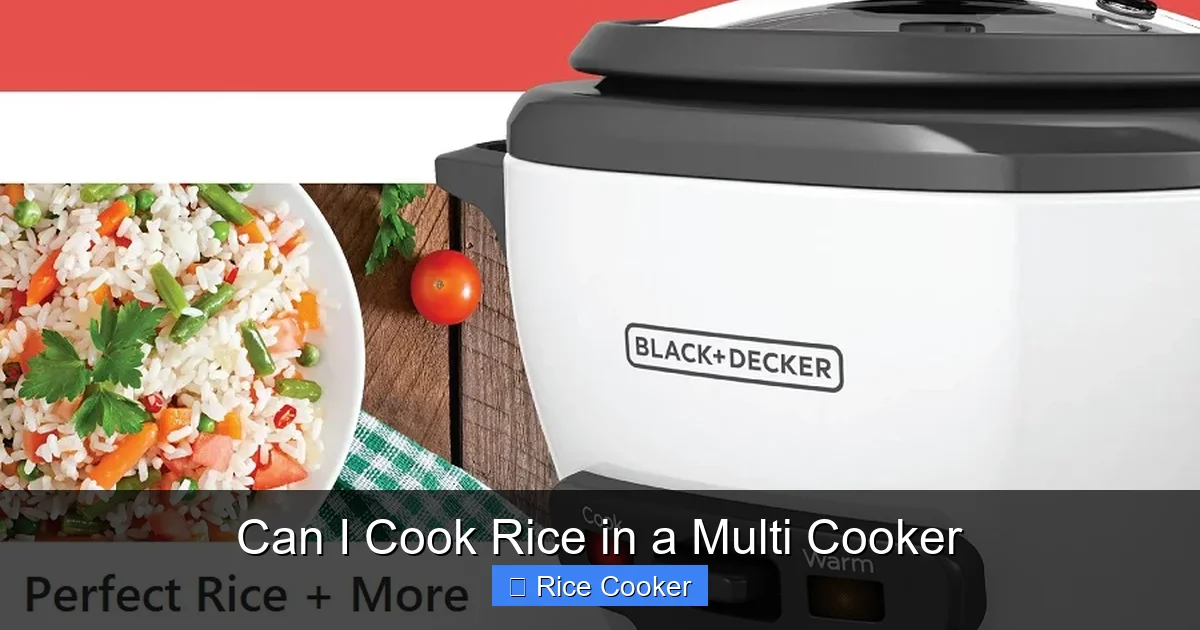
Can I cook rice in a multi cooker? Absolutely—most modern multi cookers are designed with rice cooking functions. With the right ratio and settings, you can achieve fluffy, flavorful rice every single time. Whether you’re using an Instant Pot, Crock-Pot, or another brand, this guide walks you through everything from basics to advanced techniques.
Key Takeaways
- Multi cookers can cook rice perfectly: Most models include a dedicated rice setting or can mimic traditional rice cooker behavior.
- Water-to-rice ratios matter: Use the 1:1.5 (rice to water) rule for white rice and adjust slightly for brown or wild rice.
- Pre-soaking improves texture: Soaking brown rice for 30 minutes helps it cook more evenly and reduces cooking time.
- Natural release is key: Let pressure release naturally for at least 10 minutes after cooking to prevent mushiness.
- Fluffing matters: Always fluff the rice with a fork before serving to restore airiness and separate grains.
- Customize with flavors: Add broth, herbs, or spices to the water for infused rice dishes.
- Clean-up is easy: Use the steam function to clean the inner pot and remove stuck-on rice residue.
Quick Answers to Common Questions
Can I cook brown rice in a multi cooker?
Absolutely. Brown rice takes longer to cook and benefits from soaking beforehand. Use the “Brown Rice” setting if available, or cook manually under pressure for 15–20 minutes with a natural release.
Do I need to soak rice before cooking?
Soaking isn’t required for white rice, but it’s helpful for brown or wild rice. Soaking softens the outer bran layer, leading to more even cooking and a less gritty texture.
How much water do I use per cup of rice?
Start with 1.5 cups of water for white rice. Increase to 1.75–2 cups for brown rice and 2.5–3 cups for wild rice. Adjust slightly based on your preferred consistency.
Why is my rice mushy?
Mushy rice usually results from too much water or overcooking. Try reducing water by ¼ cup and shortening cooking time. Also, avoid opening the lid during cooking.
Can I cook rice without a rice setting?
Yes. Use the “Manual” or “Pressure Cook” function. Set timer according to rice type—6–8 minutes for white rice, 15–20 for brown rice—and let it release naturally.
📑 Table of Contents
- Can I Cook Rice in a Multi Cooker? The Ultimate Guide
- Understanding Your Multi Cooker and Its Rice Function
- Choosing the Right Rice for Your Multi Cooker
- Step-by-Step Guide: How to Cook Rice in a Multi Cooker
- Tips for Perfect Rice Every Time
- Troubleshooting Common Rice Problems
- Advanced Techniques: Beyond Basic White Rice
- Maintenance and Longevity Tips
- Conclusion: Why Cook Rice in a Multi Cooker?
Can I Cook Rice in a Multi Cooker? The Ultimate Guide
You’ve probably heard that rice cookers are the gold standard for making perfect rice. But what if you don’t have one? Can you still make fluffy, tender rice without spending extra money on a dedicated appliance? The short answer? Yes—you can absolutely cook rice in a multi cooker. In fact, many people prefer their Instant Pot or other multi cookers for this very reason. These versatile machines combine pressure cooking, slow cooking, steaming, and sautéing into one compact device, and rice cooking is often just one of their many talents.
Whether you’re a college student living off ramen, a busy parent trying to cut down on meal prep time, or someone who simply wants to diversify their kitchen tools, learning how to cook rice in a multi cooker is a game-changer. Not only does it save time, but it also opens up new possibilities for flavorful, hands-off meals. Plus, with the right technique, your rice will be as good—if not better—than what you’d get from a traditional rice cooker.
In this comprehensive guide, we’ll walk you through everything you need to know about cooking rice in a multi cooker. From understanding your machine’s features to troubleshooting common issues, we’ve got you covered. Let’s dive in!
Understanding Your Multi Cooker and Its Rice Function
What Is a Multi Cooker?
A multi cooker is an all-in-one kitchen appliance that combines several cooking functions—like pressure cooking, slow cooking, steaming, and even yogurt making—into a single unit. Popular brands like Instant Pot, Crock-Pot, Ninja, and Breville offer models with varying features. While they’re not identical to traditional rice cookers, many come with a dedicated “Rice” or “Manual” setting optimized for rice cooking.
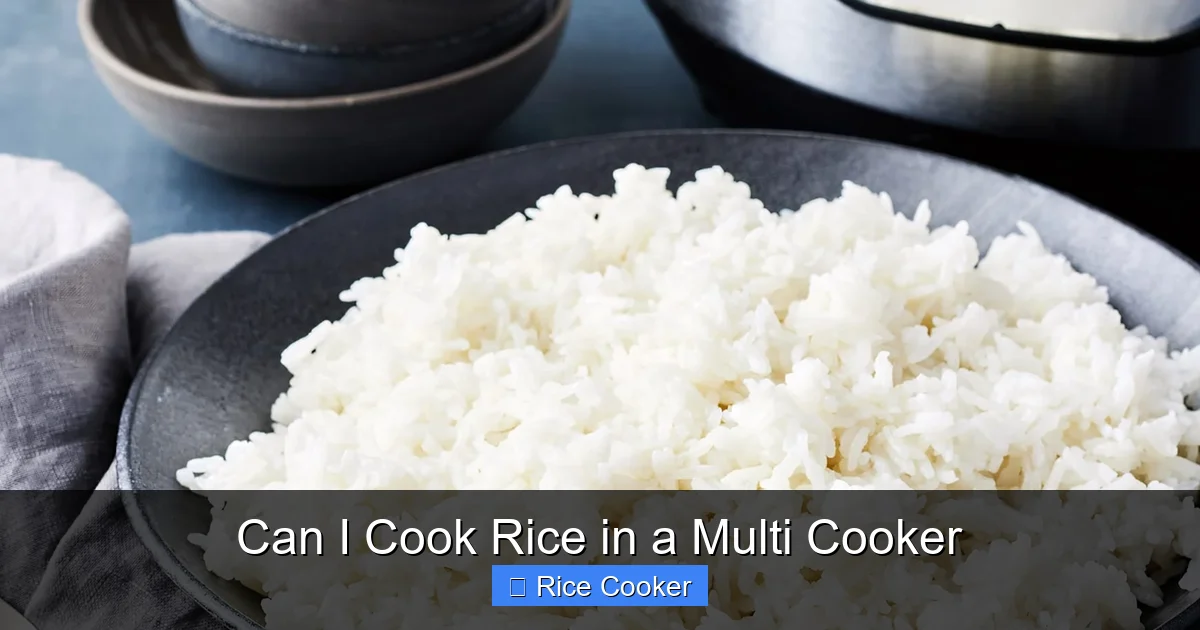
Visual guide about Can I Cook Rice in a Multi Cooker
Image source: cdn.loveandlemons.com
How Does It Compare to a Rice Cooker?
Traditional rice cookers use precise temperature control to keep rice at the ideal simmering point until it’s done. Multi cookers, on the other hand, often rely on pressure cooking or high heat followed by natural release. This means the process isn’t always as hands-off, but with proper timing and water ratios, you can still achieve excellent results. Some users even argue that pressure-cooked rice has a creamier texture due to better starch breakdown.
Do All Multi Cookers Cook Rice Well?
Not necessarily. High-end models with multiple pre-programmed settings (especially those labeled “Risotto,” “White Rice,” or “Brown Rice”) tend to perform better. Budget models may lack precision, leading to overcooked or undercooked rice. If your multi cooker doesn’t have a rice setting, you can still cook rice manually using the “Pressure Cook” or “Manual” function—just pay close attention to time and water levels.
Choosing the Right Rice for Your Multi Cooker
White Rice vs. Brown Rice
White rice cooks faster and more reliably in a multi cooker because it has been polished to remove the bran layer. Brown rice retains more nutrients but requires longer cooking times and higher water amounts. If you’re using a pressure cooker, brown rice needs at least 30 minutes of soaking before cooking to ensure even texture.
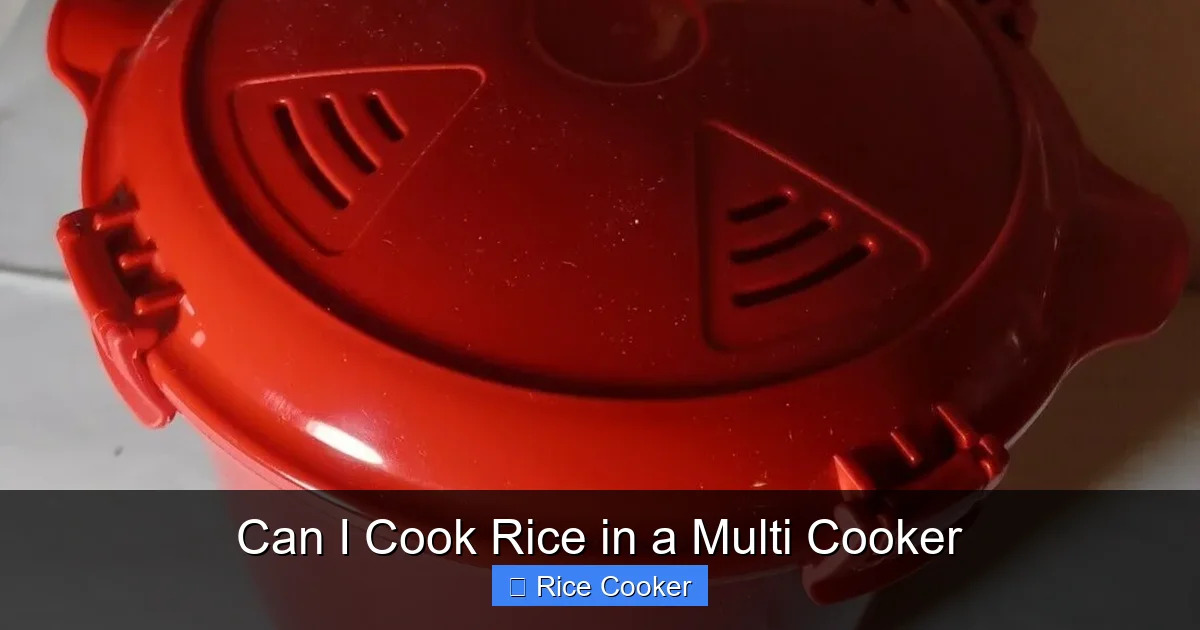
Visual guide about Can I Cook Rice in a Multi Cooker
Image source: i.ebayimg.com
Long-Grain, Medium-Grain, and Short-Gain Varieties
- Long-grain (e.g., Basmati, Jasmine): Fluffy and separate when cooked. Ideal for pilafs and side dishes.
- Medium-grain (e.g., Calrose, Arborio): Slightly sticky but tender. Great for risotto or sushi.
Very sticky and moist. Best for rolls and desserts.
Instant Rice and Pre-Cooked Options
If you’re short on time, instant rice works fine in a multi cooker—but it’s already partially cooked, so reduce both water and time significantly. Follow package instructions carefully to avoid mushiness.
Step-by-Step Guide: How to Cook Rice in a Multi Cooker
Gather Your Ingredients and Tools
You’ll need:
- 1 cup uncooked rice
- 1.5 cups water (adjust based on rice type)
- A pinch of salt (optional)
- A fine-mesh strainer (for rinsing)
- A measuring cup
Rinse the Rice
Rinsing removes excess starch and prevents clumping. Place rice in a strainer and rinse under cold water until the water runs clear. This step is especially important for basmati or jasmine rice.
Add Rice and Water
Use the 1:1.5 ratio as a starting point:
- White rice: 1 cup rice + 1.5 cups water
- Brown rice: 1 cup rice + 1.75–2 cups water
- Wild rice: 1 cup rice + 2.5–3 cups water
For extra flavor, replace some water with broth or coconut milk.
Set the Cooking Mode
If your multi cooker has a “Rice” setting, select it. Otherwise, use “Pressure Cook” on high for white rice (6–8 minutes), or “Manual” mode for brown rice (15–20 minutes). For brown rice, consider pre-soaking for 30 minutes.
Seal and Start Cooking
Close the lid and ensure the valve is sealed. Avoid quick release during cooking—natural release helps prevent overcooking and keeps rice tender.
Let It Release Naturally
After cooking ends, let the pressure drop naturally for at least 10 minutes. Then carefully turn the valve to vent any remaining pressure. Don’t rush this step!
Fluff and Serve
Open the lid, fluff the rice gently with a fork, and serve immediately. Add butter, herbs, or lemon zest for extra flavor.
Tips for Perfect Rice Every Time
Measure Accurately
Use a dry measuring cup for rice and a liquid measuring cup for water. Consistency is key—don’t eyeball it.
Don’t Overfill the Pot
Never fill the inner pot beyond two-thirds full. Rice expands during cooking, and overflow can damage your appliance.
Adjust for Altitude
At high altitudes, water boils at a lower temperature. Increase cooking time by 1–2 minutes or add an extra tablespoon of water.
Experiment with Flavors
Try adding garlic, bay leaves, or a splash of vinegar to the water. You can also stir in sautéed onions or vegetables before adding water for a one-pot meal.
Keep a Rice Journal
Different brands of rice behave differently. Track your results and tweak ratios accordingly. Note: Even within the same brand, harvest years vary.
Clean Up Easily
After cooking, run the “Steam” function briefly to loosen any stuck rice. Then wash the pot while warm—it’s easier than waiting.
Troubleshooting Common Rice Problems
Mushy Rice
This usually happens when there’s too much water or the rice is overcooked. Reduce water by ¼ cup next time and shorten cooking time slightly. Also, avoid shaking or stirring during cooking.
Undercooked Rice
Check your water ratio and ensure the pressure seal is tight. Undercooked rice often results from insufficient water or premature venting.
Burnt Bottom
This indicates scorching. Always add enough liquid and avoid cooking on “Sauté” without water. Using a non-stick liner helps prevent sticking.
Rice Sticking to the Pot
Rinse thoroughly, don’t overcrowd, and consider greasing the inner pot lightly with oil or butter—though this isn’t traditional, it prevents adhesion.
Uneven Texture
Old or low-quality rice may clump or cook unevenly. Store rice in an airtight container away from light and heat. Fresh rice (within 6 months) performs best.
Advanced Techniques: Beyond Basic White Rice
Cooking Brown Rice in a Pressure Cooker
Brown rice benefits from longer cooking times and soaking. Soak for 30 minutes, then cook on high pressure for 15–20 minutes with a natural release. The result? Chewy yet tender grains perfect for salads.
Making Risotto in a Multi Cooker
Turn your multi cooker into an Italian chef’s secret weapon. Sauté Arborio rice with onion, then add warm broth gradually while stirring. Finish with cheese and butter for creamy, restaurant-quality risotto in under 30 minutes.
Infusing Rice with Herbs and Spices
Add a bay leaf, cinnamon stick, or crushed cardamom pods to the water for aromatic rice. For savory dishes, toss in diced tomatoes, spinach, or roasted vegetables before sealing.
One-Pot Meals: Rice + Protein + Veggies
Combine rice, chicken thighs, frozen peas, and carrots in the pot. Season with soy sauce, ginger, and garlic. Cook under pressure for 12 minutes with a quick release—dinner ready in under 30 minutes!
Sushi Rice Perfection
Short-grain Japanese rice needs precise water ratios. Use 1:1 water-to-rice and rinse until water is nearly clear. Cook on “White Rice” setting, then cool with a fan or refrigerator method before rolling.
Maintenance and Longevity Tips
Clean the Inner Lid and Valve Regularly
Sticky rice residue can clog the steam valve. After each use, wipe the lid gasket and check the sealing ring for wear. Replace if cracked or damaged.
Avoid Harsh Cleaners
Use warm soapy water and a soft sponge. Never submerge the main body of the appliance in water.
Store Properly
Keep the multi cooker unplugged and store the lid upside down to prevent dust buildup inside.
Check the Sealing Ring Annually
The rubber ring degrades over time. Inspect it yearly and replace if it looks brittle or loses elasticity.
Conclusion: Why Cook Rice in a Multi Cooker?
So, can you cook rice in a multi cooker? Without a doubt—yes. While dedicated rice cookers offer convenience and precision, multi cookers deliver versatility, speed, and delicious results. Whether you’re whipping up a weeknight dinner or preparing a gourmet meal, mastering rice in your multi cooker expands your culinary toolkit significantly.
With the right techniques, patience, and a little experimentation, you’ll soon find yourself reaching for your multi cooker instead of the stove—every single time. And the best part? No more burnt rice or lumpy gravy. Just consistent, flavorful, perfectly cooked grains that elevate any dish.
So go ahead—grab your multi cooker, measure out that first cup of rice, and press play. Your taste buds will thank you.
Frequently Asked Questions
Can I cook rice in a slow cooker?
Yes, but it takes longer—usually 2–3 hours on low or 1–2 hours on high. Add rice and 2 cups of water, cover, and avoid lifting the lid during cooking to maintain steam.
Is it better to use a rice cooker or multi cooker?
It depends on your needs. Rice cookers excel at simple, consistent rice. Multi cookers offer more versatility for soups, stews, and one-pot meals. Many users own both for different purposes.
How long does it take to cook rice in an Instant Pot?
White rice: 6–8 minutes under pressure with a natural release. Brown rice: 15–20 minutes. Total time including prep and cooling is typically 30–40 minutes.
Can I cook rice in a pressure cooker without a rice setting?
Yes. Use the “Manual” or “Pressure Cook” function. Follow recommended times and water ratios, and always allow natural pressure release to prevent overcooking.
Does rinsing rice improve the texture?
Yes. Rinsing removes excess starch, which prevents clumping and leads to fluffier rice—especially important for long-grain varieties like basmati and jasmine.
Can I cook rice in a microwave instead?
Yes, but it requires a microwave-safe dish with a lid. Add rice and water, cover, and heat in intervals, fluffing occasionally. It’s quicker but harder to control consistency.