
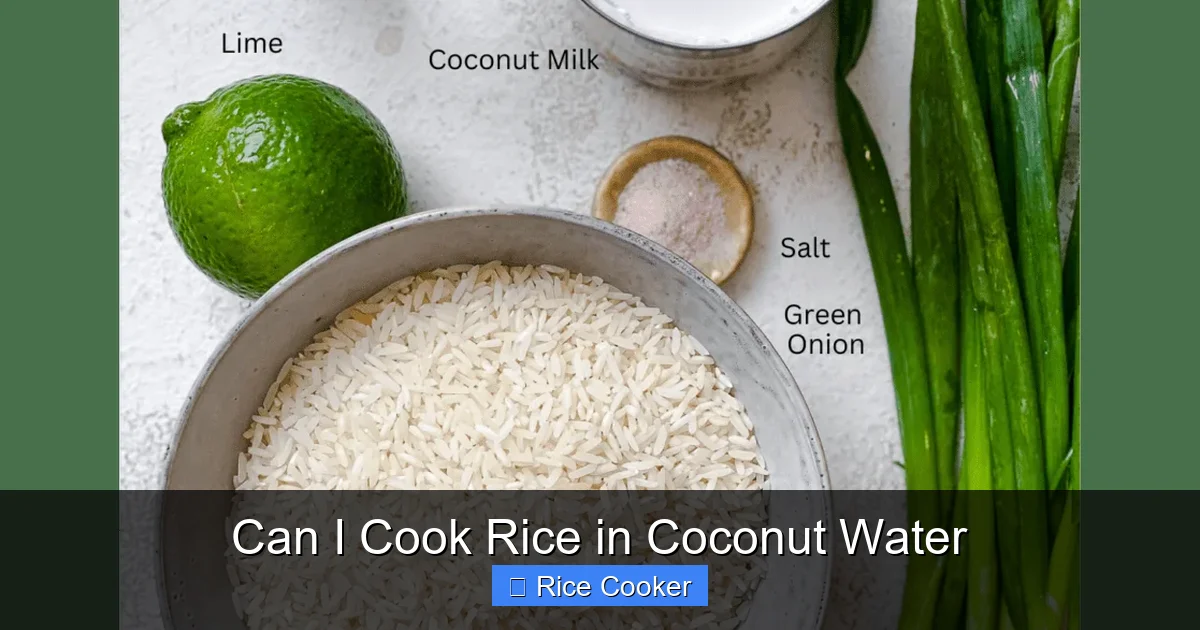
Can I cook rice in coconut water? Absolutely! Cooking rice in coconut water instead of plain water adds a subtle sweetness, creamy texture, and a boost of natural vitamins and minerals. This method is not only delicious but also offers health benefits, making it a popular choice in many Asian and Caribbean cuisines. Whether you’re using a stovetop or rice cooker, the result is fluffy, aromatic rice with a hint of tropical flavor.
Key Takeaways
- Understanding can i cook rice in coconut water: Provides essential knowledge
📑 Table of Contents
- Can I Cook Rice in Coconut Water? A Flavorful, Nutritious Twist on Everyday Grains
- What Makes Coconut Water Different from Coconut Milk?
- How to Cook Rice in Coconut Water: Step-by-Step Guide
- Benefits of Cooking Rice in Coconut Water
- Tips for Perfect Coconut Water Rice Every Time
- Cooking Rice in Coconut Water in Different Cuisines
- Common Mistakes to Avoid
- Pairing Coconut Water Rice with Foods
- Frequently Asked Questions
- Conclusion: Why You Should Try Cooking Rice in Coconut Water Today
Can I Cook Rice in Coconut Water? A Flavorful, Nutritious Twist on Everyday Grains
Imagine waking up to the rich aroma of rice simmering gently on your stove, but this time, it’s not just any old pot of white rice. Instead, the steam carries the faint, refreshing scent of coconut water—sweet, clean, and subtly tropical. That’s exactly what happens when you cook rice in coconut water. It might sound unusual at first, especially if you’re used to boiling plain water with your grains, but this method has been a staple in kitchens across Southeast Asia, the Caribbean, and parts of Africa for generations.
So, can I cook rice in coconut water? The answer is a resounding yes—and not just yes, but yes with flavor, yes with nutrients, and yes with a whole new dimension of taste. Unlike coconut milk, which adds creaminess and richness, coconut water is light, hydrating, and slightly sweet. When used to cook rice, it transforms the grain from ordinary to extraordinary: fluffier, subtly flavored, and packed with natural goodness. Whether you’re looking to elevate a simple side dish or explore new culinary territory, cooking rice in coconut water is a game-changer.
What Makes Coconut Water Different from Coconut Milk?
Before diving into the “how,” let’s clarify the difference between coconut water and coconut milk—because they’re often confused, and for good reason. Both come from the coconut, but their uses and properties are quite distinct.
Visual guide about Can I Cook Rice in Coconut Water
Image source: i.pinimg.com
The Basics: Coconut Water vs. Coconut Milk
Coconut water is the clear, slightly sweet liquid found inside young green coconuts. It’s naturally low in calories, high in electrolytes like potassium, and known for its hydrating properties. Think of it as nature’s sports drink.
In contrast, coconut milk is made by grating the white flesh of the coconut and blending it with water. It’s thick, creamy, and loaded with fat—making it perfect for curries, soups, and desserts. While both can be used in rice dishes, they deliver very different results.
Why Choose Coconut Water for Rice?
When you cook rice in coconut water, you get:
- A delicate, floral sweetness that enhances the natural grain flavor
- A lighter texture—still tender but not overly sticky or heavy
- Added trace minerals and a boost of hydration
- A visual appeal that looks almost like golden rice
This method is ideal if you’re avoiding dairy, reducing sodium, or simply want to experiment with plant-based ingredients that bring depth without overwhelming the dish.
How to Cook Rice in Coconut Water: Step-by-Step Guide
You don’t need a fancy kitchen gadget or exotic ingredients. In fact, the best part about cooking rice in coconut water is how simple it is. Whether you’re using a stovetop or a rice cooker, the process is nearly identical to your usual rice preparation—just swap out the water.
Basic Ratio: Water to Coconut Water
For most rice varieties, use a 1:1 ratio of coconut water to rice. For example:
- 1 cup jasmine rice → 1 cup coconut water
- 1 cup basmati rice → 1 cup coconut water
- 1 cup brown rice → 1.5 cups coconut water (brown rice needs more liquid)
Note: Brown rice takes longer to cook and requires a bit more liquid because it has a tougher outer bran layer. If you’re unsure, start with a little extra coconut water and drain off any excess after cooking.
Using a Rice Cooker (The Easiest Method)
If you own a rice cooker, you’re in luck. These appliances are designed to handle liquids precisely, so cooking rice in coconut water is as easy as:
- Rinse 1 cup of rice under cold water until the water runs clear.
- Add the rinsed rice to the inner pot of your rice cooker.
- Pour in 1 cup of fresh or canned coconut water.
- Close the lid and press the “Cook” button.
- Wait patiently as the machine does the work—usually 20–40 minutes depending on the type of rice.
- Let it sit for 5–10 minutes after cooking before opening the lid to avoid steam burns and ensure perfect fluffiness.
Pro tip: If your rice cooker has a “Steam” or Keep Warm function, use it to maintain temperature without drying out the rice.
Stovetop Method: Traditional and Reliable
No rice cooker? No problem. The stovetop method gives you full control over heat and timing.
- Bring 1 cup of coconut water to a boil in a medium saucepan over high heat.
- Stir in 1 cup of rinsed rice and a pinch of salt.
- Reduce heat to low, cover tightly with a lid, and simmer for 15–20 minutes for white rice.
- Turn off the heat and let the rice rest for 5–10 minutes with the lid on. This allows residual steam to finish cooking the grains.
- Fluff with a fork and serve immediately.
For brown rice, increase cooking time to 30–40 minutes and use 1.5 cups of coconut water. Keep an eye on it—brown rice can dry out faster if left unattended.
Benefits of Cooking Rice in Coconut Water
Beyond the delicious taste, cooking rice in coconut water offers several surprising advantages that go beyond flavor. Let’s break down why this method is worth trying.
Rich in Electrolytes and Hydration
Coconut water is often called a “natural Gatorade” because it’s loaded with electrolytes—especially potassium. After a long day, intense workout, or hot summer afternoon, replacing lost fluids with coconut water helps restore balance. When you cook rice in it, those nutrients infuse into every grain, offering a gentle, sustained energy boost.
Lower Calorie Option Than Coconut Milk
If you’re watching your calorie intake, coconut water is a smart choice. One cup contains only about 45 calories, compared to coconut milk’s 550+ calories per cup. This makes coconut water rice a guilt-free way to enjoy flavorful, satisfying grains without the extra fat and sugar.
Natural Sweetness Without Added Sugar
Unlike processed rice dishes that require sugar or honey, cooking rice in coconut water naturally sweetens the grains. This is great for people managing blood sugar levels or those who prefer whole-food ingredients. The sweetness is subtle and complements savory dishes beautifully.
Enhanced Digestibility and Gut Health
The enzymes and mild acidity in coconut water may aid digestion. Some studies suggest that coconut water supports gut health by promoting the growth of beneficial bacteria. While more research is needed, many users report feeling lighter and less bloated after eating rice cooked in coconut water.
Perfect Base for Vegan and Plant-Based Meals
Whether you’re vegan, vegetarian, or just cutting back on animal products, coconut water rice pairs wonderfully with plant-based proteins like tofu, tempeh, lentils, or grilled vegetables. It adds richness without cream or butter—ideal for stir-fries, curries, or grain bowls.
Tips for Perfect Coconut Water Rice Every Time
Even though cooking rice in coconut water is forgiving, a few small tweaks can make all the difference between good and great.
Use Fresh or Reputable Canned Coconut Water
Not all coconut waters are created equal. Avoid those with added sugars, preservatives, or artificial flavors. Look for brands labeled “pure coconut water” or “unsweetened.” Fresh coconut water is ideal—just crack open a young green coconut and pour directly into your pot.
Don’t Skip Rinsing the Rice
Rinsing removes excess starch, which prevents clumping. Even though coconut water adds moisture, rinsing ensures your rice stays light and separate. Just swish the rice in a bowl of water, then drain thoroughly.
Experiment with Flavors
Want to take it up a notch? Try these combinations:
- Add a bay leaf or star anise for warmth and depth.
- Toss in a few kaffir lime leaves for a Thai-inspired touch.
- Mix half coconut water with half vegetable or chicken broth for extra savoriness.
- Sprinkle in turmeric for color and anti-inflammatory benefits.
Adjust for Rice Type
Different grains absorb liquid differently:
- Jasmine rice: 1:1 ratio, cooks fast, becomes fragrant and slightly sticky.
- Basmati rice: 1:1 ratio, becomes fluffy and aromatic—great with Indian dishes.
- Brown rice: 1.5:1 ratio, longer cook time, chewier texture.
- Sushi rice: 1:1 ratio, but rinse until water runs clear to reduce stickiness.
Store and Reheat Like a Pro
Leftover coconut water rice keeps well in the fridge for up to 4 days. Store in an airtight container and reheat with a splash of water or coconut water to restore moisture. Avoid microwaving straight from the fridge—let it sit at room temperature for 10 minutes first.
Cooking Rice in Coconut Water in Different Cuisines
This technique isn’t just a trend—it’s rooted in tradition. Across the globe, cultures have embraced coconut water rice for its versatility and nutritional value.
Thai Cuisine: Khao Tom Mak Hua
In Thailand, coconut water rice (known locally as khao tom mak hua) is often served during festivals or family gatherings. The rice is sometimes mixed with pandan leaves for a fragrant green hue and served alongside spicy salads or grilled meats.
Caribbean Dishes: Rice and Peas Alternative
While traditional Caribbean rice and peas uses pigeon peas and coconut milk, some modern recipes now substitute coconut water for a lighter version. It’s common in vegan or health-conscious adaptations of classic dishes.
Indian Biryani Variations
Some regional biryanis use coconut water instead of water or stock, especially in coastal areas where coconuts are abundant. The result is a fragrant, slightly sweet base that complements spices like cardamom, cinnamon, and saffron.
Filipino Adobo Rice
Filipino cooks sometimes add a splash of coconut water to their adobo rice, creating a tangy-sweet harmony that balances the vinegar and soy sauce in the meat dish.
African Couscous and Swahili Rice
In East African kitchens, coconut water is used to cook rice or couscous, often served with stews or beans. It adds a refreshing contrast to heavier meals.
Common Mistakes to Avoid
Even experienced cooks can stumble when trying something new. Here are a few pitfalls to watch out for when cooking rice in coconut water.
Using Too Much Coconut Water
Too much liquid can lead to mushy, overcooked rice. Stick to the recommended ratios, especially for white rice. If you accidentally add too much, drain excess liquid before serving.
Skipping the Resting Period
Rushing the resting phase means trapped steam escapes, leaving the rice uneven and dry in spots. Always let it sit covered for 5–10 minutes after cooking.
Using Old or Stale Rice
Old rice tends to be drier and less absorbent. For best results, use rice within 2–3 weeks of purchase, or store it properly in an airtight container away from moisture and light.
Not Adjusting for Altitude
At high altitudes, water boils at a lower temperature, which can affect cooking time. Increase cook time slightly or use a pressure cooker for consistent results.
Ignoring Salt Balance
Coconut water is naturally slightly salty, so you might not need extra salt. Taste as you go and adjust accordingly. Too much salt can overpower the subtle coconut flavor.
Pairing Coconut Water Rice with Foods
The beauty of coconut water rice is its versatility. It works as a side, a base for bowls, or even a dessert foundation.
Best Protein Pairings
- Grilled chicken or fish with lemon and herbs
- Beef or lamb curry (especially Thai or Indian styles)
- Tofu or tempeh stir-fry
- Lentil or chickpea salad
Vegetable Complements
- Steamed broccoli or bok choy
- Roasted sweet potatoes
- Sautéed spinach with garlic
- Grilled eggplant or zucchini
Dessert Ideas
- Sweetened coconut water rice with mango slices and shredded coconut
- Rice pudding made with coconut water, cinnamon, and raisins
- Chia seed puddings infused with coconut water
Frequently Asked Questions
Can I use canned coconut water for cooking rice?
Yes, but choose unsweetened and preservative-free versions. Avoid those with added sugars or flavors, as they can alter the taste of your rice.
Will coconut water make my rice too sweet?
Only if you use sweetened varieties or add extra sugar. Pure coconut water has a mild, natural sweetness that enhances rather than dominates the rice flavor.
Can I cook other grains in coconut water?
Absolutely! Quinoa, millet, barley, and oats all benefit from the subtle sweetness and nutrients of coconut water.
Is coconut water rice safe for people with diabetes?
Moderation is key. Coconut water has a moderate glycemic index, so pair it with fiber-rich foods and monitor portion sizes if you have diabetes.
How do I prevent the rice from turning gray or dull?
Use fresh coconut water and avoid overcooking. Gray rice usually results from old rice or poor-quality coconut water.
Can I freeze coconut water rice?
Yes, but texture may change slightly upon thawing. Best used within 2–3 months. Reheat gently with a splash of water.
Conclusion: Why You Should Try Cooking Rice in Coconut Water Today
So, can I cook rice in coconut water? We’ve answered it—but the real question is: why haven’t you tried it yet? This simple swap transforms an everyday meal into something special, whether you’re cooking on a busy weekday or preparing a festive dinner. With its natural sweetness, added nutrients, and cultural significance, coconut water rice is more than just a trend—it’s a smarter, tastier way to eat.
Whether you’re using a rice cooker or a saucepan, the process is straightforward, and the results are worth it. From Thai festivals to Caribbean kitchens to your own home, this method proves that great food doesn’t need complicated recipes. Just a little creativity, quality ingredients, and a willingness to experiment.
Next time you’re planning a meal, skip the plain water. Grab a bottle of coconut water and turn your ordinary rice into something extraordinary. Your taste buds—and your body—will thank you.
Frequently Asked Questions
Can I use canned coconut water for cooking rice?
Yes, but choose unsweetened and preservative-free versions. Avoid those with added sugars or flavors, as they can alter the taste of your rice.
Will coconut water make my rice too sweet?
Only if you use sweetened varieties or add extra sugar. Pure coconut water has a mild, natural sweetness that enhances rather than dominates the rice flavor.
Can I cook other grains in coconut water?
Absolutely! Quinoa, millet, barley, and oats all benefit from the subtle sweetness and nutrients of coconut water.
Is coconut water rice safe for people with diabetes?
Moderation is key. Coconut water has a moderate glycemic index, so pair it with fiber-rich foods and monitor portion sizes if you have diabetes.
How do I prevent the rice from turning gray or dull?
Use fresh coconut water and avoid overcooking. Gray rice usually results from old rice or poor-quality coconut water.
Can I freeze coconut water rice?
Yes, but texture may change slightly upon thawing. Best used within 2–3 months. Reheat gently with a splash of water.