
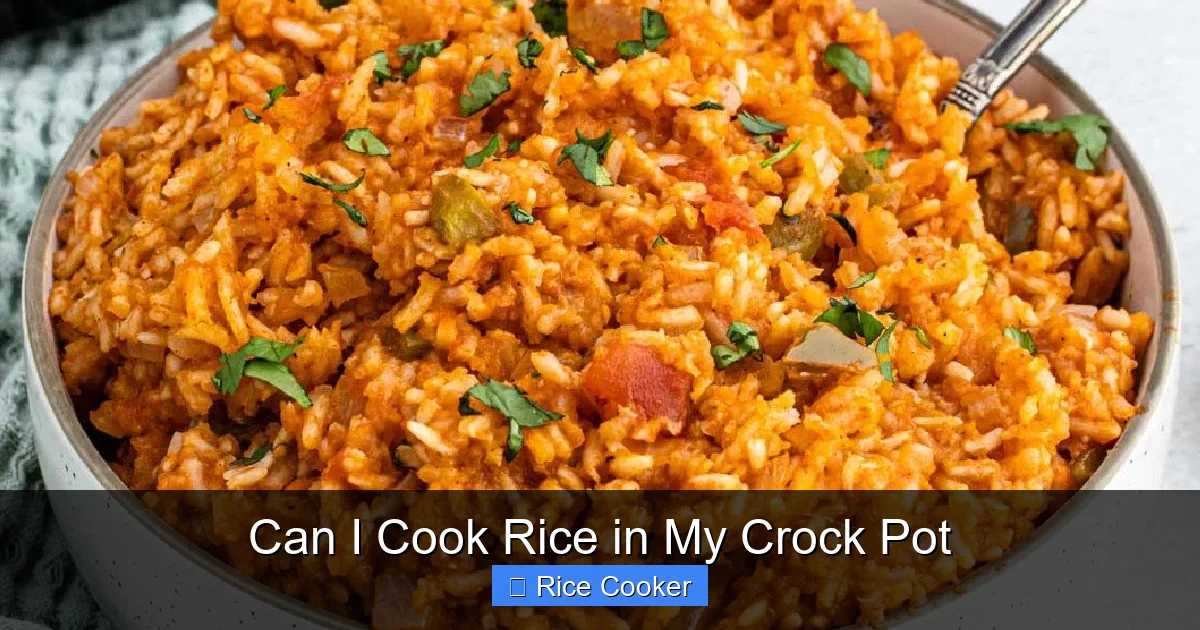
Yes, you can absolutely cook rice in a crock pot—and it’s simpler than you think. With the right ratios and timing, your slow cooker can produce tender, fluffy rice without constant attention. Whether you’re meal prepping or feeding a crowd, this hands-off method saves time while delivering delicious results.
Have you ever stood over a hot stove, stirring a pot of rice for what feels like forever, only to end up with either dry, crunchy grains or a sticky mess? Or maybe you’re short on counter space and don’t want to fire up the stove just for a side dish. If so, you’re not alone. Many home cooks are turning to their trusty crock pot (or slow cooker) to simplify meal prep. But here’s the big question: can I cook rice in my crock pot? The short answer is yes—absolutely. In fact, slow-cooking rice can yield beautifully tender, evenly cooked grains with very little hands-on time.
Cooking rice in a crock pot isn’t about compromising quality; it’s about working smarter, not harder. Whether you’re preparing white rice, brown rice, jasmine, or basmati, the slow, steady heat of a slow cooker can transform ordinary ingredients into something special. Plus, once the rice is in the pot, you can forget about it while it does all the work. This makes it ideal for busy weekdays, meal prep, or even when you’re entertaining guests and need a reliable backup plan. In this guide, we’ll walk you through everything you need to know—from the best types of rice to use, to the exact water-to-rice ratios, and even some tasty recipe ideas that start with perfectly cooked slow-cooker rice.
Key Takeaways
- It’s possible and practical: Yes, cooking rice in a crock pot works well with minimal effort.
- Use the right ratio: A general rule is 1 cup of uncooked rice to 2 cups of liquid for most varieties.
- Pre-soak helps: Soaking brown rice before cooking reduces cook time and prevents mushiness.
- Low heat is key: Using the low setting prevents scorching and ensures even cooking.
- Let it rest: Allowing rice to sit after cooking helps absorb excess moisture and fluff up naturally.
- Clean-up is easier: Most crock pots have non-stick interiors, making cleanup simple.
- Great for recipes: Perfect base for risotto, fried rice, grain bowls, and more.
📑 Table of Contents
Why Choose a Crock Pot for Rice?
If you’ve never tried cooking rice in a slow cooker before, you might be wondering why anyone would bother when traditional stovetop methods seem so straightforward. After all, rice cookers exist specifically for this purpose. But there are several compelling reasons to consider your crock pot as an alternative:
First and foremost, convenience reigns supreme. Unlike stovetop rice, which requires constant monitoring and stirring (especially if you’re using brown rice), a crock pot lets you set it and forget it. Once you add the rice and water, plug it in, and let the magic happen. No babysitting required.
Second, slow cookers offer consistent, even heat distribution. This is especially helpful with tricky grains like brown rice, which tend to clump or undercook if not stirred frequently. The gentle simmer keeps everything uniform without risk of burning.
Third, your kitchen stays cooler during summer months. Since the crock pot doesn’t generate direct radiant heat like a stovetop, you avoid heating up your entire cooking area—a small but meaningful comfort.
Finally, leftover rice from the crock pot makes fantastic bases for next-day meals: fried rice, grain bowls, stuffed peppers, or even rice pudding. It’s a versatile ingredient that transitions seamlessly into multiple dishes.
The Science Behind Slow-Cooked Rice
So how exactly does rice transform in a slow cooker? When starch granules in rice absorb water and heat slowly, they begin to swell and gelatinize. This process breaks down the outer layer of the grain, allowing steam to escape gently and creating those signature fluffy, separated grains we love.
Because slow cookers operate at lower temperatures (typically around 190–200°F) compared to boiling water on the stove (212°F), the rice cooks more gently. This slower approach reduces the chance of overcooking or forming a crust at the bottom of the pot—something that often happens on high-heat stovetops.
For white rice, this means perfectly soft yet distinct grains every time. For brown rice, it means avoiding that dreaded gummy texture that can result from rapid cooking. And because there’s no evaporation loss in a sealed crock pot (unlike open pots on the stove), the moisture stays locked in, contributing to better overall texture.
Types of Rice That Work Best in a Crock Pot
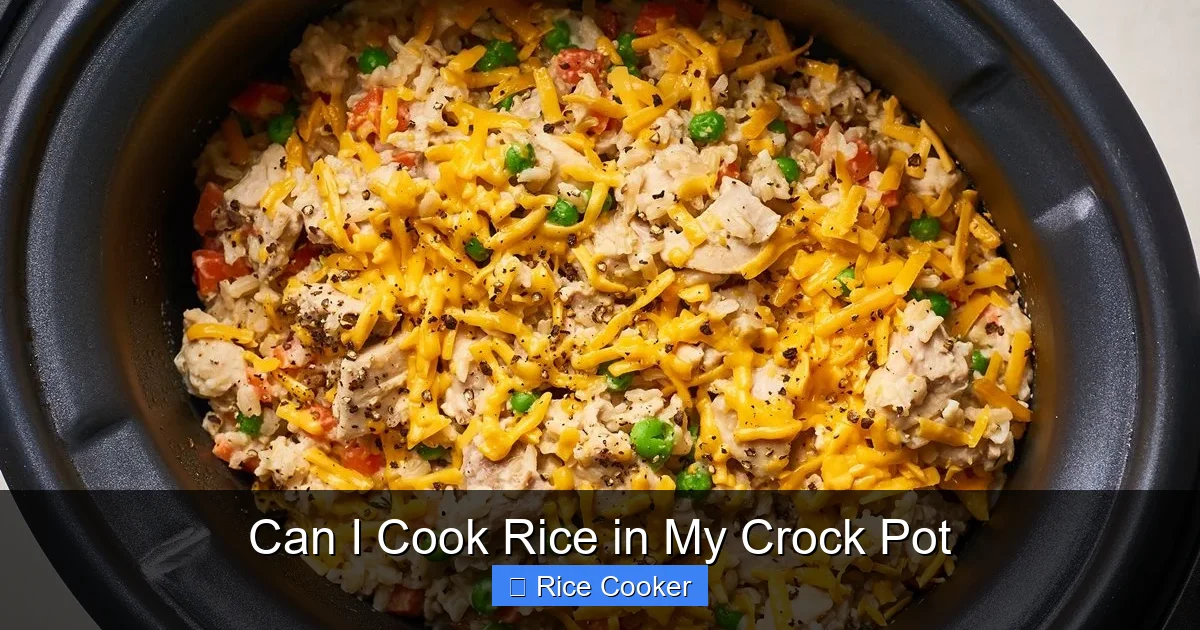
Visual guide about Can I Cook Rice in My Crock Pot
Image source: recipes.net
Not all rice is created equal—and not all rice behaves the same way in a slow cooker. Choosing the right variety makes a big difference in outcome.
White rice, such as long-grain American, jasmine, or basmati, tends to perform exceptionally well in slow cookers. Its refined starch structure allows it to absorb water efficiently and maintain separation without becoming mushy. These varieties typically require shorter cook times than brown rice, usually between 60 and 75 minutes on low.
Brown rice, on the other hand, has a tougher bran layer that takes longer to soften. Because of its higher fiber and oil content, it needs extra time and sometimes pre-soaking to achieve ideal tenderness. Without proper preparation, brown rice can turn out chewy or undercooked. But with the right technique—soaking overnight and adjusting liquid amounts—it becomes wonderfully creamy and nutty in flavor.
Wild rice and other specialty grains also work, though they may need individualized testing due to their unique textures and densities. Quinoa, for instance, cooks surprisingly fast in a crock pot and makes a great gluten-free alternative.
Avoid instant or quick-cooking rice in a slow cooker unless specifically instructed by the package—these are designed for microwave or stovetop shortcuts and can become overly soft or gluey when subjected to prolonged low heat.
Tips for Selecting Your Rice
When shopping for rice to use in your crock pot, look for medium- to long-grain varieties labeled “oven-ready” or “slow cooker tested.” While these aren’t always necessary, they can signal formulations optimized for extended heat exposure.
Store your rice in an airtight container away from light and moisture to preserve freshness. Whole-grain rice like brown rice should ideally be used within six months for best results.
Always rinse your rice before cooking—even if the package says “no rinsing required.” Rinsing removes excess starch, which reduces clumping and improves final texture. Just swish the rice in cold water until the runoff runs clear.
Cooking Rice in a Crock Pot: Step-by-Step Guide
Ready to give it a try? Follow this foolproof method for perfect rice every time.
Start by measuring your rice accurately. Use a dry measuring cup for rice—not liquid cups—since rice expands significantly when cooked. One cup of uncooked rice yields about three cups of cooked rice, which feeds two people comfortably or provides leftovers for one.
Next, rinse the rice thoroughly under cold running water. Place it in a fine-mesh strainer and shake gently until the water runs clear. This step is crucial for preventing stickiness.
Now comes the liquid. The standard ratio is 1 part rice to 2 parts water for white rice. For brown rice, increase to 1:2.25 or even 1:2.5, since it absorbs more moisture. Add the rinsed rice and water to your crock pot insert.
Season lightly if desired—a pinch of salt enhances flavor, and a teaspoon of butter or olive oil adds richness. Cover the insert completely with the lid.
Set your slow cooker to LOW for white rice (60–75 minutes) or HIGH for brown rice (90–120 minutes). Avoid opening the lid during cooking, as doing so releases steam and extends cook time unnecessarily.
Once the timer goes off, let the rice rest for 10–15 minutes with the lid still on. This resting period allows residual heat to finish cooking any stubborn grains and lets excess moisture redistribute evenly.
Finally, fluff the rice gently with a fork or wooden spoon. Serve immediately or keep warm on the WARM setting for up to two hours.
Troubleshooting Common Issues
Even with careful measurement, things don’t always go according to plan. Here’s how to fix common problems:
If your rice is too wet or soupy, mix in a tablespoon of flour or cornstarch slurry (equal parts cornstarch and water) during the last 10 minutes of cooking. This thickens the liquid and helps evaporate excess moisture.
Too dry or chalky? Add a splash of broth or milk toward the end of cooking and stir well. You can also cover the rice loosely with foil and return it to the crock pot for 10 more minutes.
Sticky rice indicates too much starch was released. Next time, rinse more thoroughly or reduce the amount of liquid slightly.
Overcooked, mushy rice usually results from too much liquid or too long a cook time. Stick to tested ratios and avoid opening the lid prematurely.
Creative Ways to Use Crock Pot Rice
Plain white or brown rice is delicious on its own—but it’s even better when elevated into full-fledged meals. Once you master the basics, let your creativity shine.
Try making coconut-infused jasmine rice with a splash of coconut milk and a pinch of cardamom. Serve it with grilled chicken or roasted vegetables for an exotic twist.
Turn your rice into risotto by adding warm broth gradually during the last 20 minutes of cooking instead of using static water. Stir occasionally to release starch and create a creamy consistency.
Make fried rice by sautéing diced onions, garlic, carrots, and peas in a skillet, then mixing them into cooked crock pot rice along with soy sauce, scrambled eggs, and sesame oil. Heat through before serving.
Prepare a hearty grain bowl with black beans, corn, avocado, salsa, and your slow-cooked rice. Top with lime crema or sriracha mayo for extra zing.
For dessert, swap water for milk and add cinnamon sticks, vanilla extract, raisins, and a drizzle of honey. Cook until creamy and serve warm with a dollop of yogurt.
Meal Prep Made Easy
One of the biggest advantages of cooking rice in a crock pot is its suitability for batch cooking. Make a large batch at the beginning of the week and store portions in glass containers in the fridge for up to five days. Reheat gently on the stove or in the microwave with a splash of water to restore moisture.
You can also freeze cooked rice for up to three months. Thaw overnight in the refrigerator before reheating.
Having pre-cooked rice on hand streamlines everything from lunchboxes to last-minute dinners. Combine it with canned tuna, hummus, or Greek yogurt dip for portable snacks.
Comparing Crock Pot vs. Traditional Methods
To help you decide whether a crock pot is worth investing in for rice cooking, let’s compare it side-by-side with traditional stovetop and electric rice cooker methods.
| Method | Hands-On Time | Cleanup Effort | Texture Control | Best For |
|———————-|—————|—————-|——————|——————————|
| Stovetop | High | Medium | Low-Medium | Small batches, precise control|
| Electric Rice Cooker | Very Low | Low | High | Consistency, convenience |
| Crock Pot | Very Low | Low | Medium | Batch cooking, lazy meals |
The electric rice cooker remains king for pure convenience and precision—but it’s expensive and takes up counter space. The stovetop offers maximum control but demands attention. The crock pot strikes a sweet spot: affordability, compact design, and minimal supervision.
That said, if you already own a crock pot and rarely use it, repurposing it for rice is a smart way to maximize kitchen utility.
When Not to Use a Crock Pot
While crock pots excel at rice, they aren’t ideal for every situation. Avoid using them for dishes that require quick temperature changes, such as searing meats or boiling pasta. Also, if you need perfectly separate grains every single time without fail, an electric rice cooker might be a better long-term investment.
Additionally, if you’re cooking for just one person and don’t anticipate leftovers, the energy efficiency of a crock pot may not justify the effort. But for families or meal prep enthusiasts, it’s a winner.
Energy Efficiency and Safety Tips
Using a crock pot for rice is not only convenient—it’s also relatively energy-efficient. Most modern slow cookers consume less power than a microwave or stovetop, especially when running on low for several hours.
To save even more energy, consider using the WARM setting after rice is fully cooked. This maintains temperature without additional power draw.
Safety-wise, always place your crock pot on a stable, dry surface away from children and pets. Never leave it unattended for extended periods unless it has automatic shut-off features.
Ensure the lid fits snugly to retain moisture and heat. A loose lid causes uneven cooking and increases risk of burns from escaping steam.
After use, allow the insert to cool before washing. Hand-wash with mild detergent and a soft sponge to preserve the non-stick coating.
Maintenance and Longevity
With proper care, your crock pot can last for years—even decades. Clean the ceramic insert after each use, but avoid abrasive scrubbers or steel wool that could damage the glaze.
Check the heating element periodically for cracks or discoloration. If you notice unusual smells or performance issues, consult the manufacturer’s guidelines.
Many crock pots come with removable inserts, making storage easy. Keep cords coiled loosely and stored separately from the base to prevent wear.
Frequently Asked Questions
Can I cook brown rice in a crock pot?
Yes, brown rice works well in a crock pot when soaked beforehand and cooked on low for 90–120 minutes. Pre-soaking reduces cook time and prevents chewiness.
How much water do I use per cup of rice?
Use 2 cups of water for every 1 cup of uncooked white rice, and 2.25–2.5 cups for brown rice. Adjust based on desired consistency.
Do I need to rinse the rice before cooking?
Yes, rinsing removes excess starch and prevents clumping. Swirl the rice in a strainer under cold water until the water runs clear.
Can I add seasonings or flavors to slow-cooked rice?
Absolutely! Add salt, herbs, garlic, or a splash of broth for extra flavor. Coconut milk gives a creamy, tropical taste.
How long should I let rice rest after cooking?
Let it rest for 10–15 minutes with the lid on. This allows moisture to distribute evenly and makes fluffing easier.
Is it safe to leave rice in the crock pot overnight?
No. Once cooked, rice should not sit at room temperature for more than 2 hours. Transfer to the fridge promptly if not serving immediately.