
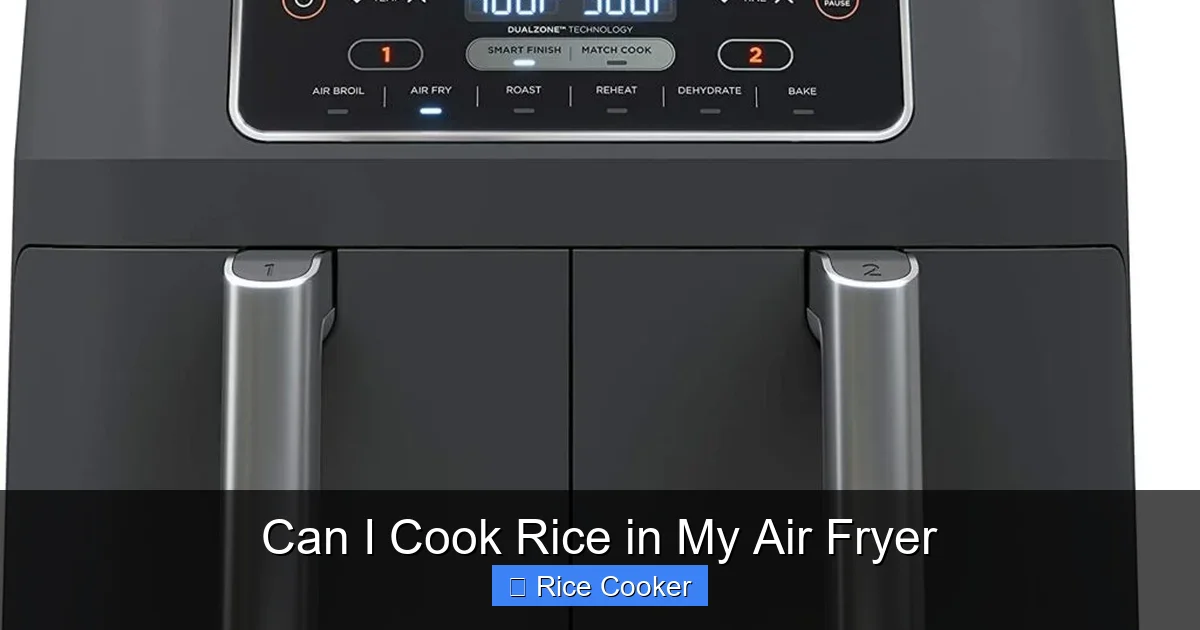
Can I cook rice in my air fryer? Absolutely! This innovative method lets you make perfectly cooked rice without a traditional pot or rice cooker. With the right technique, your air fryer can deliver fluffy, evenly steamed grains in under 30 minutes—ideal for busy weeknights or meal prep.
If you’re interested in alternative rice-cooking methods, you might also ask: can I make arborio rice in a rice cooker.
Key Takeaways
- Yes, it’s possible: Air fryers can cook rice effectively using steam and hot air circulation.
- No special settings needed: Most models work with basic temperature and timer controls.
- Quick cooking time: Rice typically cooks in 15–25 minutes depending on type and quantity.
- Minimal cleanup: Use parchment liners or non-stick spray to reduce sticking.
- Great for meal prep: Cook large batches and store for up to 5 days.
- Works with various rice types: White, brown, jasmine, basmati, and even wild rice.
- Saves counter space: Eliminate the need for a separate rice cooker.
📑 Table of Contents
- Can I Cook Rice in My Air Fryer?
- The Science Behind Cooking Rice in an Air Fryer
- Step-by-Step Guide: How to Cook Rice in an Air Fryer
- Troubleshooting Common Issues
- Tips for Perfect Air Fryer Rice Every Time
- Creative Recipes Using Air Fryer Rice
- Benefits of Cooking Rice in an Air Fryer
- FAQs
Can I Cook Rice in My Air Fryer?
Imagine coming home after a long day at work, tired but hungry. You want something simple, delicious, and ready fast—but you don’t feel like standing over a stove. That’s where your air fryer comes in. Not only is it perfect for crispy fries, juicy chicken wings, and even baked desserts, but did you know you can also cook rice in it? Yes, that’s right—your trusty air fryer can become your new go-to for making fluffy, perfectly textured rice with minimal effort.
While many people rely on rice cookers or pots with lids, the versatility of an air fryer opens up exciting possibilities. Whether you’re cooking white rice for a stir-fry, brown rice for a grain bowl, or even experimenting with sushi rice, the air fryer method is surprisingly effective. In this guide, we’ll walk you through everything you need to know about cooking rice in your air fryer—from the science behind it to step-by-step instructions, troubleshooting tips, and creative recipe ideas. By the end, you’ll be convinced that this kitchen hack isn’t just convenient—it’s game-changing.
The Science Behind Cooking Rice in an Air Fryer
Before we dive into the how-to, let’s talk about why this works. Traditional rice cooking relies on absorbing water and then steaming it—a process that requires direct heat and moisture control. An air fryer, on the other hand, circulates hot air rapidly, which helps evaporate excess moisture while keeping the surface slightly crispy. But when you add a small amount of water and use the right container, the air fryer mimics the steaming effect beautifully.
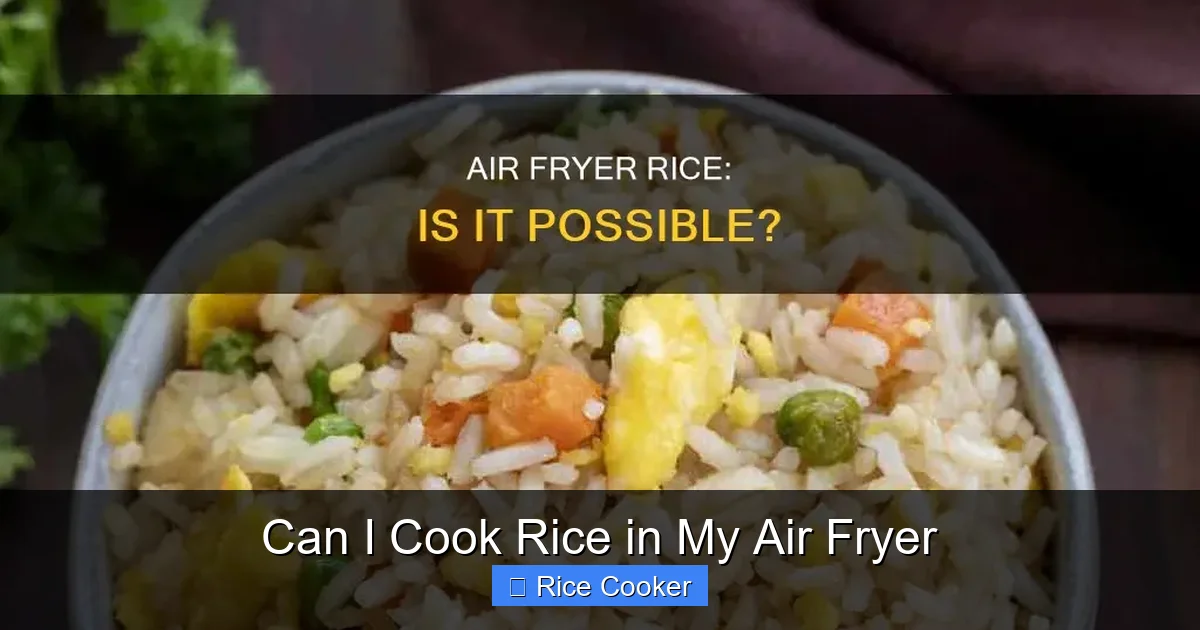
Visual guide about Can I Cook Rice in My Air Fryer
Image source: cycookery.com
How Air Circulation Helps
Air fryers use a convection fan to blast hot air around food, reducing cooking time and promoting even browning. When cooking rice, this airflow helps prevent the bottom from burning while ensuring the top stays moist and fluffy. The key is creating a sealed environment—like using a lid or foil—so steam builds up inside, mimicking the conditions of a covered pot.
Why Water Is Essential
Rice needs water to soften and expand. Without enough moisture, it will dry out and stick to the pan. However, because air fryers remove excess moisture quickly, you must monitor water levels closely. A general rule is to use the same water-to-rice ratio as you would on the stovetop: about 1½ cups of water per cup of uncooked rice.
Types of Rice That Work Best
Not all rice types behave the same way in an air fryer. Short-grain varieties like sushi rice tend to clump less, while long-grain options like basmati or jasmine stay fluffier. Brown rice takes longer due to its higher fiber content and needs more water. Wild rice and arborio (used for risotto) are trickier but still possible with careful timing.
Step-by-Step Guide: How to Cook Rice in an Air Fryer
Cooking rice in an air fryer is simpler than you might think. With just a few adjustments, you’ll get restaurant-quality results every time. Follow these steps for foolproof success.
What You’ll Need
- Air fryer-safe container (glass, ceramic, or silicone—avoid metal)
- Measuring cup
- Fine-mesh strainer
- Parchment paper or non-stick spray (optional but helpful)
- Timer
Step 1: Rinse and Measure Your Rice
Start by rinsing your rice under cold water until the water runs clear. This removes excess starch, which prevents clumping. Then measure your rice and water using the standard ratio: 1 cup rice to 1½ cups water. For example, if you’re making 2 cups of rice, use 3 cups of water.
Step 2: Prepare the Container
Choose a shallow, wide container that fits comfortably inside your air fryer basket. Line it with parchment paper or lightly grease it with oil to prevent sticking. If your air fryer has a crisper plate instead of a basket, you can use that too—just ensure there’s space for air circulation.
Step 3: Add Water and Rice
Pour the rinsed rice and measured water into the prepared container. Stir gently once to distribute evenly. Don’t cover the container yet—this allows initial evaporation and prevents overflow.
Step 4: Set the Temperature and Time
Preheat your air fryer to 375°F (190°C). Once hot, place the container inside and set the timer for 15 minutes. After 15 minutes, carefully open the door (use oven mitts!) and check the rice. It should be tender with a little moisture left.
Step 5: Steam for Fluffiness
This is the secret to perfect texture. Cover the container tightly with aluminum foil or a lid. Return it to the air fryer and cook for another 5–10 minutes on the same temperature. This steeping phase allows the rice to absorb any remaining water and become uniformly soft.
Step 6: Let It Rest
Remove the container and let the rice sit, covered, for 5 minutes. This resting period ensures even distribution of moisture and makes fluffing easier. Use a fork to gently separate the grains before serving.
Troubleshooting Common Issues
Even with the best technique, mistakes happen. Here’s how to fix the most common problems when cooking rice in an air fryer.
Problem: Rice Sticks to the Bottom
This usually happens when the container isn’t lined properly or there’s not enough oil/water. Always use a non-stick surface or parchment paper. If your rice is already cooked, transfer it to a clean bowl and rinse briefly to loosen stuck grains.
Problem: Rice Is Too Dry or Crunchy
If the rice lacks moisture, it may have absorbed all the water too quickly. Next time, increase the water slightly (e.g., use 1¾ cups per cup of rice) or extend the steaming time by 2–3 minutes.
Problem: Excess Moisture Remains
Some air fryers are more powerful than others. If your rice feels soupy, return it to the air fryer uncovered for 2–3 minutes to evaporate extra water. Keep an eye on it to avoid drying out.
Problem: Uneven Texture
This can occur if the rice isn’t stirred or if the container is overcrowded. Cook smaller batches for better results. Stirring halfway through helps distribute heat.
Tips for Perfect Air Fryer Rice Every Time
Want consistent, delicious results? These pro tips will take your air fryer rice game to the next level.
Use the Right Container Size
Aim for a container that holds about 1–1½ cups of uncooked rice. Too much, and the air can’t circulate properly; too little, and you waste energy. Square or rectangular containers work best for even heating.
Don’t Skip the Parchment Paper
It’s not just for baking! Parchment creates a barrier between the rice and the container, making cleanup a breeze. Plus, it reduces the chance of scorching.
Experiment with Seasonings
After cooking, mix in herbs, spices, or broth for extra flavor. Try turmeric for golden rice, lemon zest for brightness, or coconut milk for a tropical twist.
Try Different Rice Types
White rice cooks fastest (18–22 minutes), while brown rice needs 25–30 minutes. Jasmine and basmati stay fragrant and separate nicely. Wild rice requires the longest time—up to 40 minutes—and benefits from soaking first.
Keep Notes on Your First Few Attempts
Every air fryer model behaves slightly differently. Track your settings, water ratios, and outcomes so you can adjust accordingly. Within a few tries, you’ll master your machine.
Creative Recipes Using Air Fryer Rice
Once you’ve mastered plain rice, it’s time to get creative. Here are some inspired dishes that showcase the versatility of air fryer-cooked grains.
Garlic Herb Rice Bowl
After cooking plain white rice, fluff it and stir in minced garlic, chopped parsley, olive oil, salt, and pepper. Top with grilled chicken, roasted vegetables, and a fried egg for a complete meal.
Coconut Curry Rice
Replace half the water with unsweetened coconut milk and add curry powder, ginger, and turmeric during cooking. Serve with diced mango and cilantro for a vibrant Asian-inspired dish.
Fried Rice (No Pan Required!)
Cook jasmine rice ahead of time, let it cool completely, then break up clumps in the air fryer at 350°F for 5 minutes. Mix in scrambled eggs, peas, carrots, soy sauce, and green onions. Crisp it up for 3 minutes for authentic fried rice texture.
Mediterranean Quinoa Salad
Although not rice, quinoa works similarly in the air fryer. Cook it with vegetable broth instead of water, then toss with cucumber, tomatoes, feta, olives, and oregano. Perfect for picnics or meal prep.
Sweet Cinnamon Rice Pudding
Use white rice, whole milk, sugar, cinnamon, and a pinch of nutmeg. Cook at 325°F for 20 minutes, stirring occasionally. Finish with vanilla extract and a sprinkle of raisins or chopped nuts.
Benefits of Cooking Rice in an Air Fryer
Beyond convenience, there are several compelling reasons to adopt this method.
Speed and Efficiency
Most air fryer rice recipes take under 30 minutes total—much faster than boiling on the stove. No constant stirring or watching the pot!
Energy Savings
Air fryers use significantly less electricity than ovens or multiple burners. They’re ideal for small kitchens or eco-conscious households.
Less Mess
No bubbling over, splattering, or scrubbing sticky pots. Cleanup is often as simple as wiping one liner or container.
Multi-Functionality
You don’t need a separate rice cooker. One appliance handles frying, roasting, baking, and now—rice.
Portion Control
Make exactly what you need without wasting leftover rice. Great for solo diners or meal prep.
For those who like to keep rice warm for extended periods, check out our guide on leaving a rice cooker on warm.
FAQs
Can I cook rice directly in the air fryer basket?
It’s not recommended. The basket isn’t designed for wet ingredients, and rice may stick or cause smoke. Use a heat-safe container or liner instead.
How much water do I use per cup of rice?
Use 1½ cups of water per cup of uncooked rice. Adjust slightly based on your air fryer model and desired consistency.
Do I need to pre-soak the rice?
Not for white rice. Brown or wild rice may benefit from a 30-minute soak to speed up cooking, but it’s optional.
Can I cook frozen rice in the air fryer?
Yes! Add 1–2 tablespoons of water per cup and increase cooking time by 3–5 minutes. Stir halfway through.
Is air fryer rice healthier than boiled rice?
Nutritionally similar, but air fryer cooking uses no added fats. Just avoid greasy toppings or excessive salt.
What if my air fryer doesn’t have a crisper plate?
Use a glass or ceramic dish that fits snugly inside the basket. Leave space around it for air flow.
Frequently Asked Questions
Can I cook rice directly in the air fryer basket?
It’s not recommended. The basket isn’t designed for wet ingredients, and rice may stick or cause smoke. Use a heat-safe container or liner instead.
How much water do I use per cup of rice?
Use 1½ cups of water per cup of uncooked rice. Adjust slightly based on your air fryer model and desired consistency.
Do I need to pre-soak the rice?
Not for white rice. Brown or wild rice may benefit from a 30-minute soak to speed up cooking, but it’s optional.
Can I cook frozen rice in the air fryer?
Yes! Add 1–2 tablespoons of water per cup and increase cooking time by 3–5 minutes. Stir halfway through.
Is air fryer rice healthier than boiled rice?
Nutritionally similar, but air fryer cooking uses no added fats. Just avoid greasy toppings or excessive salt.
What if my air fryer doesn’t have a crisper plate?
Use a glass or ceramic dish that fits snugly inside the basket. Leave space around it for air flow.
For more on rice storage, see our guide on leaving cooked rice in the rice cooker overnight.