

Yes, you can absolutely cook rice noodles ahead of time, but the key is in how you store and reheat them. Properly prepared and stored rice noodles can last 2–3 days in the fridge or up to a month in the freezer, making them ideal for busy weeknights or meal prep. Whether you’re making stir-fries, soups, or cold salads, mastering advance cooking helps you save time without sacrificing taste or texture.
Key Takeaways
- Short-term storage works well: Cooked rice noodles stay fresh in the refrigerator for 2–3 days when stored properly.
- Freezing extends shelf life: Flash-freeze rice noodles on a tray before transferring to a bag, allowing you to use them straight from the freezer for dishes like fried rice or pho.
- Reheating affects texture: Steam, stir-fry, or soak noodles briefly in hot water to restore softness without turning mushy.
- Prevent sticking: Toss cooked noodles with a little oil or soy sauce after cooking to keep them separated.
- Rice cookers simplify prep: Use your rice cooker to boil or steam rice noodles quickly and evenly—no stove needed.
- Best uses for pre-cooked noodles: Ideal for stir-fries, noodle bowls, cold soba salads, and instant ramen-style meals.
📑 Table of Contents
- Can I Cook Rice Noodles Ahead of Time?
- Why Pre-Cooking Rice Noodles Is a Game-Changer
- How to Cook Rice Noodles Perfectly Every Time
- Storing Cooked Rice Noodles: Fridge vs. Freezer
- Reheating Rice Noodles Without Losing Texture
- Creative Ways to Use Pre-Cooked Rice Noodles
- Common Mistakes to Avoid
- Tips for Using a Rice Cooker Beyond Rice
- Final Thoughts: Yes, You Can Cook Rice Noodles Ahead!
Can I Cook Rice Noodles Ahead of Time?
If you’re someone who loves Asian-inspired meals but hates last-minute cooking, you’re probably wondering: Can I cook rice noodles ahead of time? The short answer? Absolutely! But it’s not as simple as boiling them one day and eating them the next. Like any starchy food, rice noodles have a tendency to dry out, stick together, or lose their springiness if not handled correctly. That said, with a few smart techniques, you can prepare rice noodles in advance and still enjoy restaurant-quality dishes at home—whether you’re making a quick lunch or feeding a hungry crowd.
Rice noodles are a staple in many cuisines, from Vietnamese pho to Thai pad thai and Chinese lo mein. Made from rice flour, water, and sometimes tapioca starch, they come in various shapes—flat, round, thick, or thin—and cook faster than wheat-based noodles. Because they absorb flavors well and pair beautifully with bold sauces, they’re perfect for both hot and cold dishes. But their delicate texture means they need gentle care when prepping ahead. Let’s dive into everything you need to know about cooking rice noodles in advance.
Why Pre-Cooking Rice Noodles Is a Game-Changer
Meal prep is no longer just for salads and smoothies—it’s evolving to include complex dishes like stir-fries and noodle bowls. And that’s where pre-cooking rice noodles shines. Instead of scrambling to boil noodles while juggling chopping vegetables and heating oil, you can do it all in one go. This is especially helpful during busy weekdays or when hosting guests. Imagine pulling out perfectly cooked rice noodles from your fridge or freezer and turning them into a delicious bowl in under 10 minutes. It’s convenience without compromise.
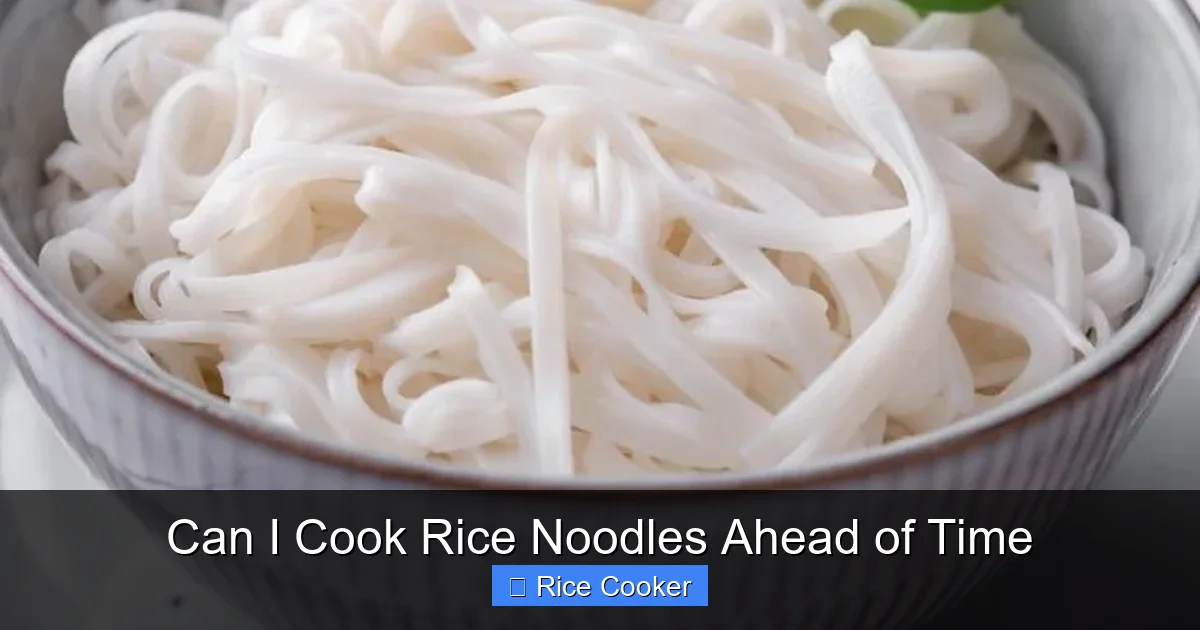
Visual guide about Can I Cook Rice Noodles Ahead of Time
Image source: imhungryforthat.com
Another advantage? Consistency. When you cook rice noodles ahead, you control the doneness. No more overcooked, mushy noodles or underdone strands. You can even portion them out for different recipes—some for cold soba salad, others for hot curry. Plus, pre-cooking saves energy. A rice cooker or pot used once to cook noodles can be reused for rice, beans, or veggies later in the week.
The Risks of Overcooking Rice Noodles
Before we get too excited, let’s talk about a common pitfall: overcooking. Rice noodles can turn into a gluey mess if left too long in boiling water. They absorb water rapidly, and unlike spaghetti, they don’t firm up again when cooled. So timing is everything. Most rice noodles cook in just 3–7 minutes, depending on thickness. If you’re prepping ahead, aim for slightly al dente—they’ll finish softening when reheated.
Also, avoid letting cooked noodles sit in hot water or broth. Drain them immediately and rinse lightly with cold water (optional) to stop the cooking process. This step is crucial for preventing sogginess later.
How to Cook Rice Noodles Perfectly Every Time
No matter if you’re cooking fresh, dried, or frozen rice noodles, the method remains fairly consistent. Here’s a foolproof way to get them right—especially if you’re using a rice cooker.
Using a Rice Cooker for Rice Noodles
Believe it or not, a rice cooker isn’t just for rice. Many models have a “Steam” or “Boil” function that works wonders for rice noodles. Here’s how:
- Fill the inner pot with 2 cups of water for every 1 cup of raw rice noodles.
- Add noodles directly into the water—don’t overcrowd.
- Select the “Cook” or “Boil” setting (if available). If not, just cover and set a timer for 5–8 minutes.
- Check for doneness by tasting a strand. It should be tender but still slightly chewy.
- Drain immediately using a fine-mesh strainer.
This method is hands-off and great for batch cooking. Just make sure your rice cooker has enough water to prevent burning. Some models even allow you to use the “Quick Cook” mode for faster results.
Traditional Stovetop Method
If you prefer the classic approach, bring a large pot of salted water to a rolling boil. Add noodles and stir gently to prevent clumping. Cook for 4–6 minutes until translucent and soft. Drain and rinse under cold water to halt cooking.
Pro tip: For dried rice noodles, soak them in warm water for 20–30 minutes before boiling. This softens them and reduces cooking time.
Storing Cooked Rice Noodles: Fridge vs. Freezer
Once your noodles are cooked, the next step is storage. Both refrigeration and freezing are viable options, but each has its own best practices.
Refrigeration: Best for 2–3 Days
Cooked rice noodles can safely stay in the fridge for up to three days. Here’s how to store them:
- Drain thoroughly and pat dry with a paper towel.
- Toss with a splash of oil or soy sauce to prevent sticking. A teaspoon of oil per serving usually suffices.
- Place in an airtight container or resealable plastic bag.
- Label with the date so you track freshness.
When ready to eat, simply reheat in a pan with a bit of water or broth to revive moisture. Avoid microwaving unless covered—it can make noodles tough.
Freezing: Up to One Month
For longer storage, freeze rice noodles. This is especially useful if you’re meal prepping for a week or making a big batch for family dinners.
- Flash-freeze first: Spread noodles on a baking sheet lined with parchment. Freeze until solid (about 1 hour).
- Transfer to freezer-safe bags or containers. Squeeze out extra air to prevent freezer burn.
- Label with the date—ideally within one month.
To reheat from frozen: Add noodles directly to a hot pan or pot with a splash of water or oil. Stir frequently until heated through—this usually takes 3–5 minutes. No need to thaw first!
Reheating Rice Noodles Without Losing Texture
This is where many people fail. Reheating rice noodles incorrectly leads to dry, rubbery, or clumpy results. But with the right technique, you can restore their silky texture.
Method 1: Stir-Frying
Stir-frying is one of the best ways to reheat rice noodles because it adds heat, moisture, and flavor simultaneously. Here’s how:
- Heat a wok or skillet over medium-high heat with 1 tablespoon of oil.
- Add noodles and toss with soy sauce, garlic, and your favorite proteins.
- Cook for 3–4 minutes, stirring constantly, until heated through and slightly charred at the edges.
This method works great for cold noodles straight from the fridge or freezer. The oil prevents sticking and adds richness.
Method 2: Steaming
Steaming keeps noodles moist and tender—ideal for dishes like pho or steamed noodle rolls.
- Place noodles in a steamer basket over boiling water.
- Cover and steam for 3–5 minutes, checking often.
- Uncover and fluff with chopsticks.
You can also microwave noodles with a damp paper towel for 1–2 minutes. Just watch closely to avoid drying out.
Method 3: Quick Soak in Hot Water
For a fast fix, submerge noodles in hot water (not boiling) for 1–2 minutes. Drain and use immediately. This is perfect for adding noodles to soup or salad.
Creative Ways to Use Pre-Cooked Rice Noodles
The beauty of pre-cooking rice noodles is the flexibility. Here are some delicious ideas:
1. Cold Noodle Salad
Toss chilled noodles with herbs, cucumber, carrots, peanuts, and a tangy lime dressing. Serve as a light lunch or side dish.
2. Fried Rice Noodles
Sauté noodles with eggs, shrimp, broccoli, and oyster sauce. Add a splash of hoisin for depth.
3. Pho-Style Noodle Soup
Simmer pre-cooked noodles in aromatic broth with star anise, cinnamon, and beef. Top with cilantro and bean sprouts.
4. Pad Thai
Stir-fry noodles with tofu, tamarind sauce, fish sauce, and crushed peanuts. A classic done faster.
5. Spring Rolls
Wrap noodles with rice paper, herbs, and veggies. Dip in sweet chili sauce for a refreshing appetizer.
Common Mistakes to Avoid
Even seasoned cooks make errors when prepping rice noodles. Here are the top ones to skip:
- Not draining properly—excess water makes noodles soggy.
- Skipping the oil—leads to clumping during storage.
- Overcrowding the pot—noodles won’t cook evenly.
- Leaving noodles in hot water—they’ll continue cooking and become mushy.
- Ignoring portion size—pre-portioning makes reheating easier.
Also, avoid using plastic bags for fridge storage unless you’ve blanched them first—condensation can create a slimy layer.
Tips for Using a Rice Cooker Beyond Rice
If you own a rice cooker, you’re sitting on a versatile kitchen tool. While it’s famous for rice, many functions extend to other grains and noodles. Look for models with:
- Steam trays—great for dumplings or buns alongside noodles.
- Timer settings—set it overnight to have hot noodles ready in the morning.
- Keep-warm function—use this to maintain temperature until serving.
Some advanced models even have a “Noodle” or “Porridge” mode. Check your manual to see what your cooker can do.
Final Thoughts: Yes, You Can Cook Rice Noodles Ahead!
So, back to the original question: Can I cook rice noodles ahead of time? The answer is a confident yes—with the right steps, you can enjoy perfectly textured, flavorful noodles anytime. Whether you’re prepping for the week, planning a dinner party, or just want to cut down on weekday stress, advance cooking is a smart move.
Remember: timing, drainage, and storage are your best friends. Use a rice cooker for simplicity, freeze for longevity, and always reheat with care. With these tips, you’ll never dread making rice noodle dishes again. In fact, you might find yourself looking forward to them—because who doesn’t love coming home to a hot, ready-to-eat bowl of comfort?
Frequently Asked Questions
How long do cooked rice noodles last in the fridge?
Cooked rice noodles stay fresh in the refrigerator for 2–3 days when stored in an airtight container with a bit of oil to prevent sticking. Always check for off smells or sliminess before using.
Can I freeze rice noodles for later use?
Yes! Freeze rice noodles for up to one month. Flash-freeze them on a tray first, then transfer to a sealed bag. Reheat directly from frozen by stir-frying or steaming.
Why do my pre-cooked rice noodles stick together?
Noodles stick due to lack of moisture control or insufficient oil. Always drain well and toss with a small amount of oil or soy sauce after cooking to separate strands.
What’s the best way to reheat frozen rice noodles?
Reheat frozen rice noodles by stir-frying them in a hot pan with oil and a splash of water or broth. Stir constantly for 3–5 minutes until heated through and tender.
Can I cook rice noodles in a rice cooker?
Absolutely! Add rice noodles to water in the inner pot, select the “Cook” or “Boil” setting, and cook for 5–8 minutes. Drain immediately and use as needed.
Do I need to rinse rice noodles after cooking?
Rinsing stops the cooking process and removes excess starch. Rinse briefly under cold water, then drain. This is especially helpful if you plan to serve them cold or store them.