
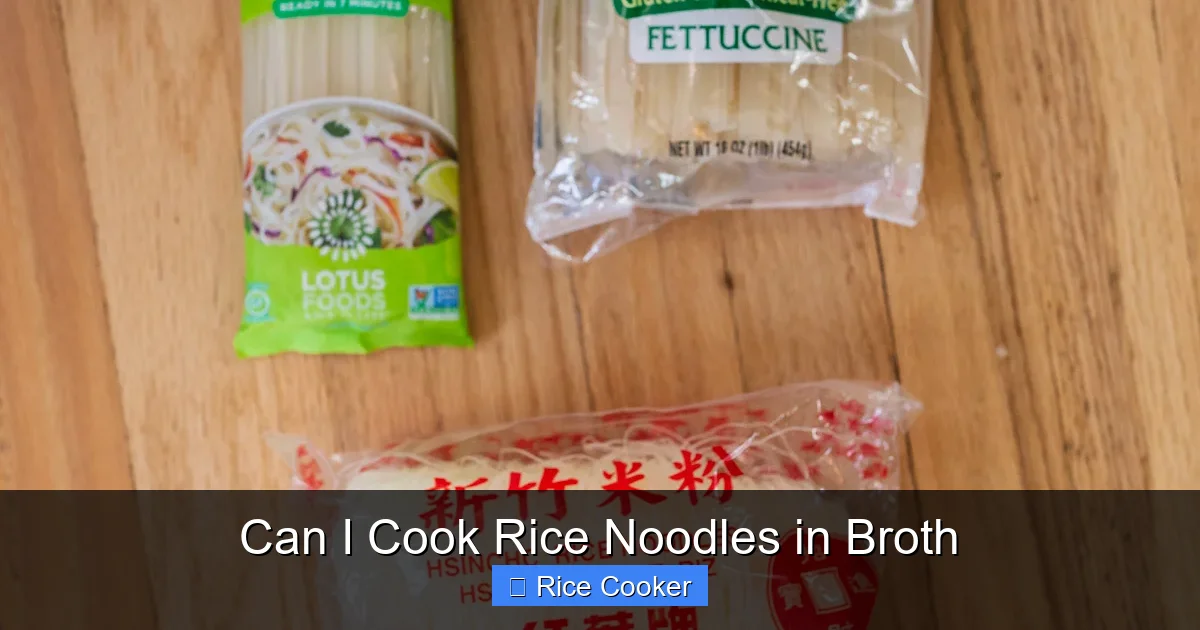
Can I cook rice noodles in broth? Absolutely! Cooking rice noodles in broth is not only possible—it’s delicious and convenient, especially when using a rice cooker. This method infuses the noodles with rich flavors while keeping them tender and perfectly cooked.
With just a few simple steps and the right ingredients, you can create restaurant-quality noodle dishes at home. Whether you’re using chicken, beef, or vegetable broth, the result is always satisfying. Plus, using a rice cooker saves time and effort, making it ideal for busy weeknights.
Key Takeaways
- Broth enhances flavor: Cooking rice noodles in broth adds depth and richness compared to plain water.
- Use a rice cooker: A rice cooker simplifies the process by automatically regulating temperature and timing.
- Pre-soak optional: Some rice noodles need soaking before cooking; others can go straight into the broth.
- Timing matters: Most rice noodles cook quickly—usually 3–8 minutes—so avoid overcooking.
- Add veggies and protein: Broth is perfect for simmering vegetables, tofu, shrimp, or chicken alongside the noodles.
- Customize to taste: Adjust seasonings, spices, and broth type to match your preferred cuisine style.
- Cleanup is easy: Use a rice cooker pot for minimal mess and fast cleanup after cooking.
📑 Table of Contents
- Introduction: Why Cook Rice Noodles in Broth?
- Understanding Rice Noodles and Their Types
- Benefits of Cooking Rice Noodles in Broth
- Step-by-Step Guide: How to Cook Rice Noodles in Broth Using a Rice Cooker
- Alternative Methods: Stovetop and Instant Pot Approaches
- Recipe Ideas: Creative Ways to Use Broth-Cooked Rice Noodles
- Common Mistakes to Avoid When Cooking Rice Noodles in Broth
- Tips for Customizing Your Broth-Based Rice Noodle Dish
- Storage and Reheating Leftover Broth-Cooked Noodles
- Conclusion: Make Every Bowl Count
Introduction: Why Cook Rice Noodles in Broth?
Have you ever wondered if you can cook rice noodles in broth instead of boiling them in plain water? The short answer is yes—and the long answer is that doing so transforms your meal into something truly special. Whether you’re making a quick Asian-inspired stir-fry base, a warming ramen alternative, or a comforting soup, cooking rice noodles in broth is both practical and delicious.
Rice noodles are incredibly versatile. Made from rice flour and water, they come in various thicknesses and textures—from flat and wide like pad thai noodles to thin and delicate glass noodles. While many people boil them separately and then add them to sauces or soups, there’s a growing trend toward cooking them directly in flavorful liquids like broths. This method not only speeds up meal prep but also ensures the noodles absorb all the savory goodness from the broth.
One of the best tools for this technique is your rice cooker. Not only does it handle the precise cooking temperatures needed for rice noodles, but it also frees you up to chop vegetables, marinate proteins, or even multitask while dinner simmers. In this guide, we’ll walk through everything you need to know about cooking rice noodles in broth—whether you’re using a traditional stovetop method or an electric rice cooker. Let’s get started!
Understanding Rice Noodles and Their Types
Visual guide about Can I Cook Rice Noodles in Broth
Image source: thefoxandshe.com
Before diving into how to cook rice noodles in broth, it’s helpful to understand what makes them unique. Unlike wheat-based noodles, rice noodles are gluten-free, lighter in texture, and absorb liquid more readily. They’re commonly used in Southeast Asian cuisines such as Thai, Vietnamese, and Chinese dishes.
There are several types of rice noodles you might encounter:
Flat Rice Noodles (also called rice vermicelli)
These are thin, flat strands often used in pad thai or pho-style broths. They soften quickly and pair well with tangy sauces or clear broths.
Wide Rice Noodles
Popular in Vietnamese pho and Lao cuisine, these broad, slightly chewy noodles hold up well in hearty broths and benefit from longer cooking times.
Dried vs. Fresh Rice Noodles
– Dried rice noodles require soaking or pre-cooking before adding to hot dishes.
– Fresh rice noodles are pliable and ready to cook immediately—great for instant meals.
Knowing which type you have helps determine whether you should soak them first or cook directly in broth. Most dried noodles need 10–15 minutes of soaking in warm water before being added to boiling broth, while fresh ones can go straight in.
Benefits of Cooking Rice Noodles in Broth
Cooking rice noodles directly in broth isn’t just a shortcut—it’s a flavor upgrade. Here’s why this method stands out:
Enhanced Flavor Absorption
When rice noodles sit in simmering broth, they soak up aromatic ingredients like garlic, ginger, star anise, and soy sauce. The result? Noodles that taste almost as good as the soup itself.
Faster Meal Prep
Instead of boiling water separately, then draining and combining noodles with sauce, you can cook everything together. This reduces active cooking time by up to 10 minutes—perfect for busy days.
Better Texture ControlHealthier Option
Using broth instead of oil or butter means fewer calories and more nutrients. You can also control sodium levels by choosing low-sodium or homemade broths.
Versatility Across Cuisines
From Thai tom yum to Japanese miso ramen and even Mexican-inspired noodle bowls, broth-based rice noodle dishes adapt beautifully to global flavors.
Step-by-Step Guide: How to Cook Rice Noodles in Broth Using a Rice Cooker
Using a rice cooker makes cooking rice noodles in broth incredibly easy. Follow these steps for foolproof results every time:
1. Choose Your Broth Wisely
Start with a high-quality broth—chicken, vegetable, or beef work best. Homemade is ideal, but store-bought broths are fine if low in sodium. Add aromatics like ginger slices, garlic cloves, or kaffir lime leaves for extra depth.
2. Prepare the Rice Noodles
If using dried rice noodles, soak them in warm water for 10–15 minutes until flexible. Drain gently—don’t rinse unless specified on packaging. Fresh noodles can be used straight from the package.
3. Layer Ingredients in the Rice Cooker
Add 2–3 cups of broth to the inner pot. Place soaked (or fresh) noodles on top. If adding protein or veggies (like bok choy, mushrooms, or tofu), layer those underneath or beside the noodles so they steam properly.
4. Set the Mode
Switch your rice cooker to “Steam” or “Soup” mode if available. If not, use the standard “Cook” setting. Cover and let it run. Total cooking time is usually 5–10 minutes after the cooker starts heating.
5. Check for Doneness
Open the lid carefully—steam will escape. Test one noodle by biting gently. It should be tender but still slightly firm (al dente). Overcooked noodles become gummy.
6. Serve Immediately
Fluff the noodles with chopsticks or a fork. Top with herbs, chili oil, crushed peanuts, or lime wedges. Enjoy warm!
Pro Tip: For extra creaminess, stir in a splash of coconut milk or oyster sauce during the last minute of cooking.
Alternative Methods: Stovetop and Instant Pot Approaches
While rice cookers are convenient, you can also cook rice noodles in broth using other appliances:
Stovetop Method
Bring 4–6 cups of broth to a gentle simmer in a saucepan. Add noodles and optional ingredients. Stir occasionally and cook for 3–7 minutes, depending on thickness. Taste frequently to avoid overcooking.
Instant Pot or Pressure Cooker
Use the “Manual” or “Pressure Cook” setting for 2–3 minutes. Natural release for 5 minutes before opening. Be careful—broth may foam up!
Each method has pros: stovetop offers manual control, while pressure cookers reduce cook time further. But for simplicity and consistency, rice cookers remain top picks.
Recipe Ideas: Creative Ways to Use Broth-Cooked Rice Noodles
Ready to experiment? Try these tasty variations:
Thai-Inspired Clear Soup
Simmer chicken broth with lemongrass, galangal, and fish sauce. Add wide rice noodles, sliced mushrooms, and bean sprouts. Finish with cilantro and a squeeze of lime.
Vegan Pho Bowls
Use vegetable broth fortified with soy sauce and hoisin. Toss in rice noodles, cubed tofu, spinach, and sliced jalapeños. Garnish with basil and sriracha.
Mediterranean Rice Noodle Skillet
Swap broth for tomato-based stew. Cook noodles with chickpeas, sun-dried tomatoes, olives, and feta cheese. Drizzle with olive oil before serving.
Spicy Korean-Style Noodles
Combine gochujang, soy sauce, and sesame oil with beef broth. Add thin rice noodles, shredded cabbage, and sliced scallions. Top with a soft-boiled egg.
These recipes show how flexible broth cooking can be—adaptable to dietary needs and cultural tastes alike.
Common Mistakes to Avoid When Cooking Rice Noodles in Broth
Even experienced cooks slip up sometimes. Watch out for these pitfalls:
Overcrowding the Pot
Too many noodles crammed into the rice cooker lead to uneven cooking. Stick to 1–2 servings at a time.
Skipping Soaking for Dried Noodles
Adding dry noodles directly to cold broth causes clumping. Always soak them first unless the package says otherwise.
Boiling Too Vigorously
High heat turns broth into a rolling boil, which breaks apart delicate noodles. Keep it at a gentle simmer.
Not Testing for Doneness
Rice noodles shrink and expand based on water absorption. Always check halfway through cooking.
Ignoring Salt Balance
Broth can be salty already. Add soy sauce or fish sauce gradually and taste as you go.
By avoiding these mistakes, you’ll achieve perfectly textured, flavorful noodles every time.
Tips for Customizing Your Broth-Based Rice Noodle Dish
The beauty of cooking rice noodles in broth lies in customization. Here’s how to make it uniquely yours:
Experiment with Broth Flavors
Try mushroom, miso, coconut, or even fruit-infused broths (like mango-chili) for bold twists.
Add Umami Boosters
Ingredients like anchovies, seaweed, or fermented bean paste deepen savoriness without overwhelming sweetness.
Play With Textures
Mix crunchy elements (crushed peanuts, crispy shallots) with creamy components (avocado, yogurt) for contrast.
Garnish Generously
Fresh herbs (mint, Thai basil), lime zest, chili flakes, or sesame seeds elevate visual appeal and flavor complexity.
Remember: less is more when it comes to seasoning. Build layers gradually rather than dumping everything in at once.
Storage and Reheating Leftover Broth-Cooked Noodles
Got leftovers? No problem! Store cooked broth-noodle mixtures in an airtight container in the fridge for up to 3 days. To reheat, microwave with a splash of water or broth to prevent drying out. Alternatively, pan-fry with a little oil to revive texture.
Avoid freezing whole dishes—the noodles tend to break down. Instead, freeze broth and protein/veggie components separately, then combine and reheat fresh.
Conclusion: Make Every Bowl Count
So, can you cook rice noodles in broth? Absolutely—and now you know why it’s worth doing. Whether you’re using a trusty rice cooker or experimenting with new techniques, cooking rice noodles directly in flavorful broth opens up a world of culinary possibilities. From quick weeknight dinners to impressive weekend feasts, this method delivers speed, flavor, and satisfaction.
The next time you open your pantry and see a package of rice noodles, skip the separate boiling step. Grab your favorite broth, toss in some veggies and protein, and let your rice cooker do the rest. Your taste buds—and your schedule—will thank you.
Frequently Asked Questions
Can I cook rice noodles directly in broth without soaking?
It depends on the type. Fresh rice noodles can go straight into broth, but dried noodles usually need 10–15 minutes of soaking in warm water before cooking to soften properly.
How long do rice noodles take to cook in broth?
Most rice noodles cook in 3–8 minutes after the broth reaches a simmer. Thin noodles cook faster than thick ones. Always test for doneness near the end.
What kind of broth works best for cooking rice noodles?
Any flavorful broth works—chicken, vegetable, beef, or even mushroom. Add aromatics like ginger, garlic, or lemongrass to enhance taste. Low-sodium options allow better control over seasoning.
Will rice noodles stick together in broth?
They may clump if not stirred occasionally or if too much is cooked at once. Soaking dried noodles beforehand and using enough liquid helps prevent sticking.
Can I cook rice noodles in broth in a slow cooker?
Yes, but use the “low” setting and plan for longer cooking times—about 1–2 hours. Stir occasionally and monitor texture to avoid overcooking.
Are broth-cooked rice noodles healthier than oil-based versions?
Generally yes. Broth-based cooking uses little to no added fat, making it a lighter option. Just watch sodium levels in store-bought broths.