
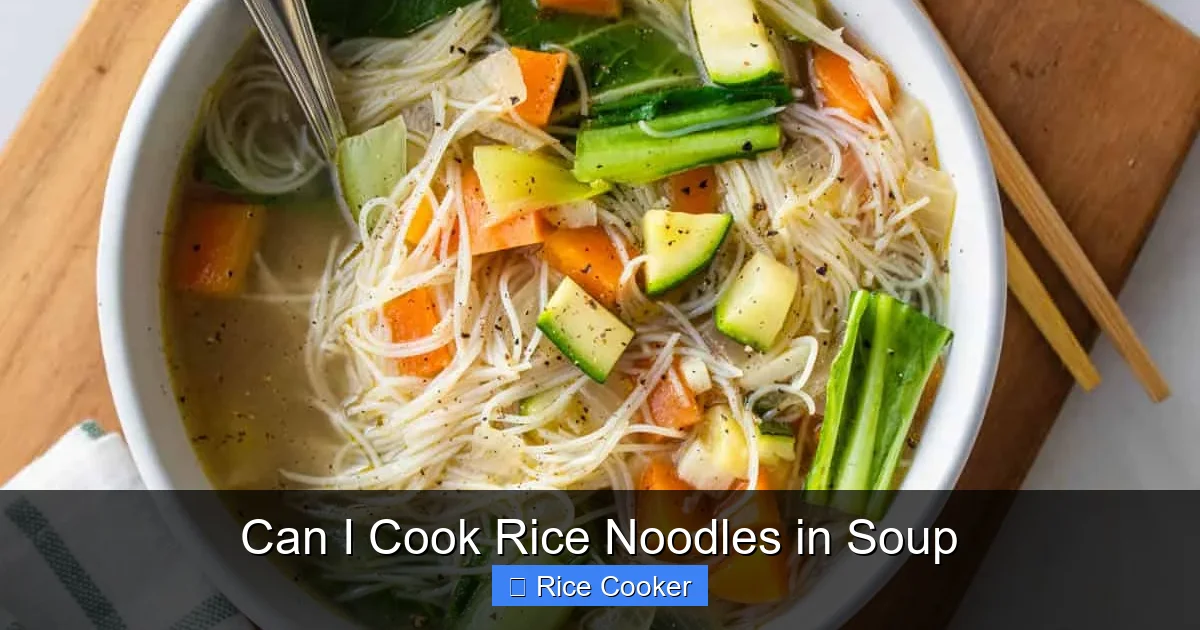
Can I cook rice noodles in soup? Yes, but it’s not as simple as throwing them in. Rice noodles absorb liquid quickly, so timing is everything. With the right approach, you’ll get perfectly tender noodles every time—without turning your soup into a gluey mess.
Have you ever been halfway through making a delicious bowl of soup only to realize you forgot the noodles? Or maybe you’ve added rice noodles straight into a simmering pot—only to find they turned into a sticky, unrecognizable mass by the time dinner was served? If this sounds familiar, you’re not alone. Many home cooks wonder: **can I cook rice noodles in soup?** The short answer is yes—but with a few important caveats.
Rice noodles are a staple in many Asian cuisines, beloved for their silky texture and ability to soak up bold flavors. From Vietnamese pho to Thai tom yum soup, these thin, translucent noodles bring comfort and complexity to soups. But because they’re made from rice flour and lack gluten, they behave differently than wheat-based pasta. They dissolve quickly in heat, absorb liquid fast, and can easily become overcooked if left unattended.
The good news? With the right technique, you can master cooking rice noodles in soup every single time. Whether you’re using a rice cooker, stovetop, or even microwave, this guide will walk you through everything you need to know—from preparation to presentation—so your next noodle bowl is nothing short of perfect.
Key Takeaways
- Rice noodles cook fast: They usually take just 2–4 minutes in boiling water or hot soup—overdoing it makes them soggy and tough.
- Don’t add raw noodles directly to cold soup: Always pre-soak or par-cook them first to prevent clumping and uneven texture.
- Use hot (not boiling) liquid: Boiling water can break apart delicate rice noodles; simmering broth works better.
- Add noodles toward the end of cooking: This keeps them fresh and avoids them absorbing too much flavor or becoming mushy.
- Test for doneness: Taste a noodle before serving—it should be chewy but not crunchy or soft like paste.
- Consider your noodle type: Fresh vs. dried rice noodles behave differently; adjust soaking and cooking times accordingly.
- Flavor matters: Rice noodles soak up broth flavors beautifully—use rich, aromatic broths for best results.
📑 Table of Contents
- Understanding Rice Noodles: Types and Behaviors
- Preparing Rice Noodles for Soup: Soaking vs. Par-Cooking
- Cooking Rice Noodles in Soup: Step-by-Step Guide
- Troubleshooting Common Rice Noodle Mistakes
- Flavor Pairings That Shine with Rice Noodles
- Tips for Perfect Rice Noodles Every Time
- Beyond Basic Soup: Creative Ways to Use Rice Noodles
Understanding Rice Noodles: Types and Behaviors
Before we dive into cooking methods, let’s talk about the different kinds of rice noodles you might encounter. Not all rice noodles are created equal—and knowing which one you have makes all the difference.
There are two main categories: fresh and dried. Fresh rice noodles are soft, pliable, and often sold refrigerated. They cook almost instantly and are commonly used in Vietnamese spring rolls and stir-fries. Dried rice noodles, on the other hand, are firm, pale yellow, and require soaking before use. They’re ideal for soups like Pad See Ew or Lao-style noodle soups.
Each type has its own quirks. For instance, fresh noodles can turn gummy if overcooked, while dried ones may harden if not soaked long enough. Understanding these differences helps you choose the right method when adding them to your soup.
Why Timing Is Everything
One of the biggest reasons people struggle with rice noodles in soup is timing. Unlike spaghetti or udon, rice noodles don’t benefit from long cooking times. In fact, they can go from al dente to mush in under five minutes.
When rice noodles sit in hot liquid for too long, they release starch into the broth, making it cloudy and thick—and ruining the texture. That’s why most recipes recommend adding noodles at the very end of the cooking process.
But what if your soup isn’t ready yet? Or what if you’re making a large batch and want to keep things warm? Don’t worry—there are workarounds. We’ll cover those later, but first, let’s look at the best ways to prepare rice noodles for soup.
Preparing Rice Noodles for Soup: Soaking vs. Par-Cooking
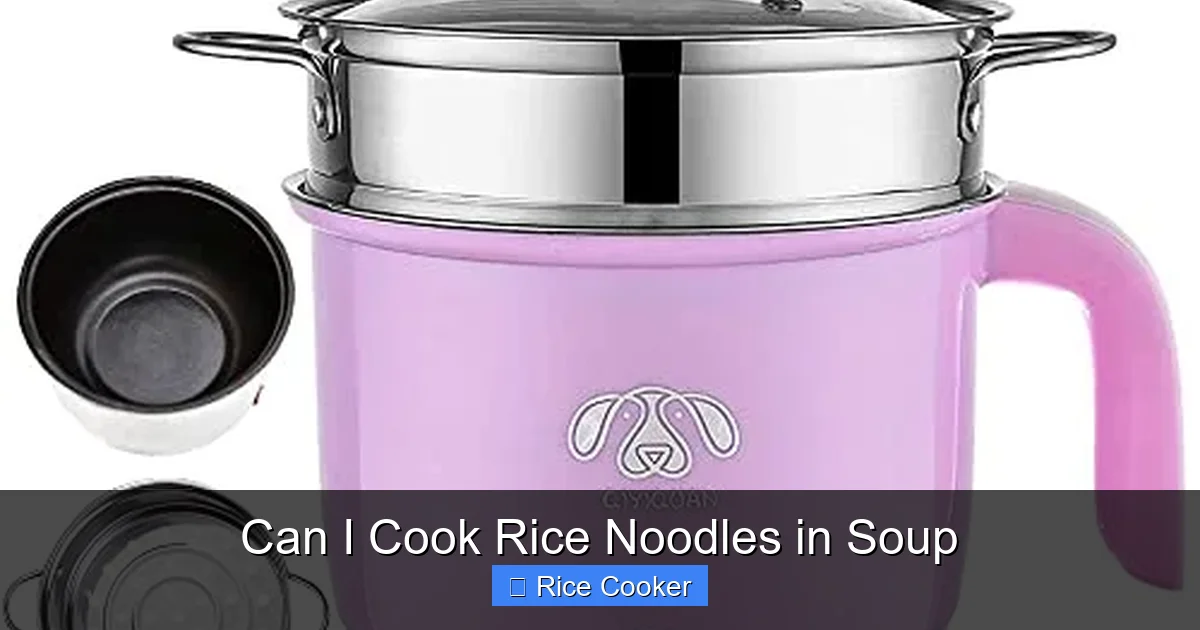
Visual guide about Can I Cook Rice Noodles in Soup
Image source: m.media-amazon.com
You have options when it comes to getting rice noodles ready for soup. The key is to make sure they’re tender without being overdone.
If you’re using dried rice noodles, start by rinsing them under cool water to remove excess starch. Then submerge them in room-temperature water for 20–30 minutes—or until soft but still slightly firm. Drain well before adding to your soup.
For fresh rice noodles, simply rinse with cold water to separate any stuck pieces. No soaking required!
Alternatively, some recipes call for par-cooking—briefly boiling the noodles until just tender, then shocking them in ice water to stop the cooking process. This method gives you more control, especially if you’re layering ingredients in a slow cooker.
Pro tip: Never drop raw, dry rice noodles directly into a simmering soup. They’ll swell up, clump together, and release too much starch, turning your broth into a gluey mess.
Quick Soak Method for Busy Cooks
Running late and need your noodles ready fast? Try the quick soak method. Place dried rice noodles in a bowl, pour hot tap water over them until fully submerged, and let sit for 10–15 minutes. Stir occasionally to prevent sticking. This shortcut saves time while still yielding soft, pliable noodles.
Just remember: after soaking, always drain and rinse the noodles lightly to remove excess starch. This prevents them from becoming slimy in your soup.
Cooking Rice Noodles in Soup: Step-by-Step Guide
Now that your noodles are prepped, here’s how to add them to your soup like a pro.
Start by bringing your soup base to a gentle simmer—never a rolling boil. High heat can shred delicate rice noodles. Once the broth is hot (around 180°F / 82°C), gently slide in your soaked or fresh noodles.
Let them cook for just 1–2 minutes, stirring occasionally. You’ll notice them softening rapidly. At this point, taste one to check for doneness. It should be tender but still have a slight bite—like al dente pasta.
If you’re serving immediately, turn off the heat and let the residual warmth finish the job. If you’re keeping the soup warm on the stove or in a slow cooker, monitor closely and add noodles only when the rest of the dish is nearly ready.
Using a Rice Cooker for Hands-Off Cooking
Got a rice cooker lying around? You can actually use it to cook rice noodles in soup! Here’s how:
1. Prepare your soup base in the rice cooker insert.
2. Add pre-soaked rice noodles.
3. Switch to “warm” mode once the liquid reaches a simmer (you may need to stir).
4. Cover and let sit for 3–5 minutes, checking frequently.
This method is great for meal prep or when you want minimal cleanup. Just be careful not to overfill the cooker—rice noodles expand as they absorb liquid.
Microwave Hack for Single Servings
Need a quick lunch? Microwave-friendly rice noodle soups are totally doable. Combine broth, vegetables, protein, and soaked noodles in a microwave-safe bowl. Cover with a damp paper towel to retain moisture, then heat in 1-minute intervals, stirring between each, until noodles are tender.
This works especially well for clear broths or milder flavors that won’t get lost in the micro-waving process.
Troubleshooting Common Rice Noodle Mistakes
Even experienced cooks run into issues now and then. Let’s address the most common problems—and how to fix them.
Mushy noodles? This usually means they sat in hot liquid too long. To save the situation, strain the noodles, rinse them briefly, and toss them with a little oil to prevent sticking. Reheat separately and mix back into the soup just before serving.
Clumpy noodles? Happens when noodles aren’t rinsed or stirred enough during cooking. Always drain soaked noodles thoroughly and give them a gentle stir after adding to soup.
Bitter or bland flavor? Rice noodles absorb whatever’s in the broth. Make sure your soup has enough seasoning—salt, soy sauce, fish sauce, or herbs—before adding noodles. A splash of lime juice or chili oil can also brighten things up.
What About Leftovers?
Storing rice noodle soup requires care. If possible, keep noodles and broth separate. Cook fresh noodles just before eating to maintain texture. If you must store together, refrigerate within two hours of cooking and reheat gently on the stove—never in the microwave, which can make noodles soggy.
Flavor Pairings That Shine with Rice Noodles
Rice noodles aren’t just about texture—they’re a canvas for bold, aromatic broths. Here are some winning combinations:
– Vietnamese pho-inspired broth: star anise, cinnamon, ginger, and beef bones create a fragrant, savory foundation.
– Thai tom kha gai: coconut milk, lemongrass, galangal, and kaffir lime leaves offer creamy, citrusy notes.
– Chinese hot-and-sour soup: vinegar, mushrooms, tofu, and bamboo shoots deliver tangy, umami-rich depth.
– Miso ramen twist: white miso paste, scallions, soft-boiled egg, and silken tofu add richness without heaviness.
No matter the flavor profile, remember: rice noodles love acidity, spice, and herbal freshness. A squeeze of lime, a drizzle of sriracha, or chopped cilantro at the end can elevate your soup from good to unforgettable.
Tips for Perfect Rice Noodles Every Time
Want consistent results? Follow these expert-approved tricks:
– Measure your noodles carefully: Too many noodles in a small amount of broth = mushy mess.
– Use wide, shallow bowls: They help noodles cool faster and reduce sogginess.
– Serve immediately: Rice noodles are best eaten fresh. Delaying leads to texture loss.
– Experiment with shapes: Wide rice sticks, flat rice vermicelli, or cellophane noodles all react differently—adjust time accordingly.
– Keep a backup batch: If you’re hosting, pre-cook extra noodles and store them dry. Just rinse and add to hot soup when needed.
And don’t forget: cleanliness counts. Wash your hands and utensils well, especially if using raw meat or seafood in your soup. Cross-contamination isn’t just bad hygiene—it’s unsafe.
Beyond Basic Soup: Creative Ways to Use Rice Noodles
While soup is a classic use case, rice noodles shine in many other dishes. Consider trying them in:
– Noodle salads: Toss cooled noodles with herbs, peanuts, and a tangy dressing.
– Stir-fries: Quick-sear with veggies and protein for a weeknight favorite.
– Dessert bowls: Sweet red bean soup with rice noodles offers a unique twist on traditional treats.
Mastering soup application opens the door to endless culinary adventures.
Frequently Asked Questions
How long do rice noodles take to cook in soup?
Rice noodles typically cook in just 2–4 minutes in hot soup. Overcooking leads to mushiness, so add them near the end of cooking and test for doneness frequently.
Can I put rice noodles directly into cold soup?
No, never add raw, dry rice noodles directly to cold liquid. They need to be soaked or par-cooked first to soften properly and prevent clumping.
Do I need to rinse rice noodles before adding to soup?
Yes, especially if using dried noodles. Rinsing removes excess starch, which can make your soup cloudy and the noodles slimy.
Can I cook rice noodles in a rice cooker?
Absolutely! Simmer your soup base in the rice cooker, add pre-soaked noodles, and switch to “warm” mode. Monitor closely to avoid overcooking.
Why did my rice noodles turn into a gluey mess?
This happens when noodles sit in hot liquid too long or aren’t rinsed properly. Always drain soaked noodles and add them just before serving.
Are fresh and dried rice noodles cooked the same way?
No. Fresh noodles require no soaking and cook almost instantly. Dried noodles need 20–30 minutes of soaking and longer simmering time in soup.