
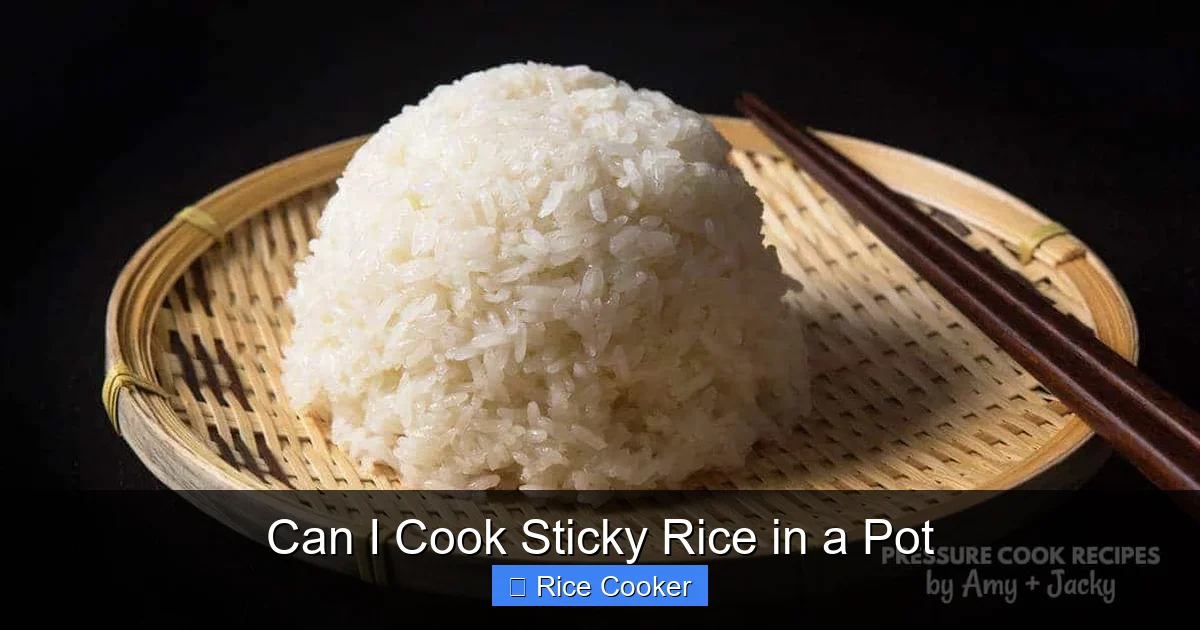
Cooking sticky rice in a pot is totally doable—and easier than you think. With the right water ratio and technique, you can achieve that classic chewy, moist texture without any fancy equipment. Whether you’re making sushi or Thai desserts, this method works like a charm.
Key Takeaways
- Sticky rice needs special handling: Unlike regular rice, sticky rice requires precise water ratios and gentle cooking to avoid mushiness or dryness.
- A pot works just fine: You don’t need a rice cooker—any heavy-bottomed pot with a tight-fitting lid will do the job.
- Soaking is essential: Always soak your sticky rice for at least 30 minutes (or overnight) to ensure even cooking and ideal texture.
- Use the right rice: Only use glutinous (sticky) rice labeled “sweet” or “sticky”—it’s not actually sticky rice from glue!
- Monitor water levels carefully: Too much water = soggy rice; too little = undercooked grains.
- Resting time matters: Let the rice steam undisturbed for 10–15 minutes after cooking to finish hydrating evenly.
- Fluff gently: Use a fork or chopsticks, not a spoon, to avoid breaking the delicate grains.
📑 Table of Contents
- Can I Cook Sticky Rice in a Pot?
- The Difference Between Regular Rice and Sticky Rice
- Do You Need a Special Pot?
- Step-by-Step Guide: How to Cook Sticky Rice in a Pot
- Water Ratios That Work Every Time
- Common Mistakes and How to Avoid Them
- Ways to Serve and Enjoy Your Sticky Rice
- Can You Use a Rice Cooker Instead?
- Frequently Asked Questions
- Final Thoughts
Can I Cook Sticky Rice in a Pot?
If you’ve ever stood in front of your kitchen cupboard, holding a bag of glutinous rice, wondering whether your old trusty pot is up to the task, you’re not alone. Many people assume that cooking sticky rice—especially if you’re aiming for that perfect, clingy texture used in sushi, mochi, or Thai coconut rice—requires a specialized rice cooker. But guess what? You can absolutely make delicious, authentic sticky rice using just a standard pot and a few simple techniques.
In this article, we’ll walk you through everything you need to know about cooking sticky rice in a pot. From selecting the right kind of rice to mastering water ratios and timing, we’ve got you covered. Whether you’re a beginner or a seasoned home cook looking to expand your repertoire, this guide will help you skip the rice cooker and still serve up restaurant-quality results. So grab your pot, pour yourself a drink, and let’s get cooking!
The Difference Between Regular Rice and Sticky Rice
Before diving into the how-to, it’s important to understand why sticky rice behaves so differently from regular long-grain rice. The key lies in the type of starch in each grain. Regular rice contains mostly amylose, a starch that resists sticking when cooked. Glutinous rice, on the other hand, is almost entirely made of amylopectin—a starch that loves moisture and bonds easily. That’s why when you cook glutinous rice properly, the grains stay soft, moist, and slightly tacky without being mushy.
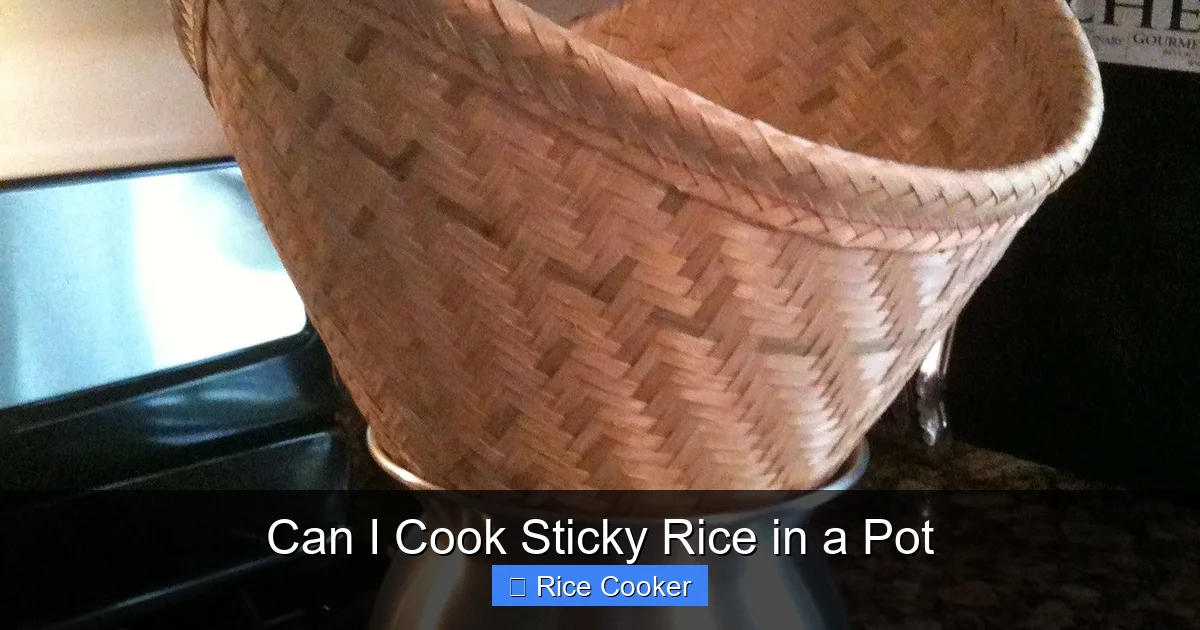
Visual guide about Can I Cook Sticky Rice in a Pot
Image source: i.pinimg.com
Not All Rice Is Created Equal
When you buy rice labeled as “sticky rice,” you’re actually buying glutinous rice, which comes from tropical regions like Thailand, Vietnam, and China. Despite its name, it doesn’t contain gluten and isn’t the same as rice mixed with glue (thankfully). It has a chewy, gelatinous texture when cooked and is commonly used in desserts, snacks, and savory dishes across Asia.
Why Soaking Matters
Because of its high amylopectin content, sticky rice absorbs water slowly and unevenly if cooked straight from dry. That’s why soaking is non-negotiable. A minimum of 30 minutes—ideally 3–4 hours or even overnight—allows the grains to fully hydrate. This ensures uniform cooking and prevents hard centers or overcooked edges.
Do You Need a Special Pot?
You might be thinking, “But my regular pot won’t retain heat well enough.” Not true! Any heavy-bottomed pot with a tight-fitting lid will work. Think of it this way: pressure cookers and rice cookers are essentially advanced versions of pots with built-in timers and steam control. But a good stovetop pot can deliver excellent results too—especially if you follow the right steps.
What Kind of Pot Works Best?
- Heavy-bottomed pot: Prevents scorching and promotes even heat distribution.
- Non-stick or stainless steel: Both are fine, though avoid aluminum unless it’s induction-compatible.
- Tight-fitting lid: Steam retention is critical—no leaks allowed!
Alternative Cooking Methods
If you don’t have a pot, you can also use a steamer basket over boiling water. This method mimics traditional Asian preparation and gives you great control over texture. Just place soaked rice in a heatproof bowl inside the steamer, cover, and cook until tender.
Step-by-Step Guide: How to Cook Sticky Rice in a Pot
Ready to try it? Here’s a foolproof method for making perfect sticky rice using only a pot and basic tools.
Gather Your Ingredients & Tools
- 1 cup glutinous (sticky) rice
- Water (for soaking and rinsing)
- Fine-mesh strainer
- Heavy-bottomed pot with lid
- Measuring cup
- Timer or clock
- Fork or bamboo chopsticks
Step 1: Rinse the Rice Thoroughly
Place the uncooked sticky rice in a strainer and rinse under cold running water. Keep rinsing while gently stirring with your fingers until the water runs clear. This removes excess starch and prevents clumping during cooking.
Step 2: Soak the Rice
Transfer rinsed rice to a large bowl and cover completely with room-temperature water. Soak for at least 30 minutes, but ideally 3–4 hours or overnight. This step is crucial—don’t skip it!
Step 3: Drain and Drain Again
After soaking, drain the rice thoroughly using your strainer. Shake off excess water—you want it damp, not dripping wet.
Step 4: Set Up Your Pot
Add the drained rice to your heavy-bottomed pot. Pour in water according to the ratio below. Then place the pot on medium heat.
Step 5: Bring to a Boil, Then Simmer
Bring the water to a rolling boil. Once boiling, reduce heat to low and cover tightly with the lid. Let it simmer for 18–20 minutes. Do not lift the lid during this time—peeking releases steam and disrupts cooking.
Step 6: Rest and Fluff
Turn off the heat and let the rice sit, covered, for 10–15 minutes. This resting period allows residual steam to finish cooking the center of each grain. Afterward, fluff gently with a fork or chopsticks—never a spoon, which can mash the rice.
Water Ratios That Work Every Time
One of the trickiest parts of cooking sticky rice is getting the water right. Too much, and you’ll end up with porridge-like mush. Too little, and the rice stays raw inside. Here are tested ratios:
- Basic method: 1 cup rice : 1.2 cups water
- For firmer texture (like sushi): 1 cup rice : 1 cup water
- For softer, more tender rice (like mango sticky rice): 1 cup rice : 1.3 cups water
These ratios assume you’ve soaked the rice. If you forget to soak, increase water slightly—but still don’t go overboard.
Pro Tip: Use a Marked Measuring Cup
Invest in a liquid measuring cup with clear markings. Eyeballing water levels often leads to mistakes. Measure accurately before adding rice to the pot.
Common Mistakes and How to Avoid Them
Even experienced cooks mess up sticky rice sometimes. Let’s talk about the most common errors—and how to fix them.
Mistake #1: Skipping the Soak
Result: Uneven texture—some grains chewy, others crunchy.
Fix: Always soak. Even 30 minutes helps; longer is better.
Mistake #2: Using the Wrong Lid
Result: Steam escapes → rice dries out.
Fix: Use a lid that fits snugly. If yours leaks, try placing a clean dish towel between lid and pot while cooking.
Mistake #3: Overcooking
Result: Mushy, gummy rice.
Fix: Stick to the timer. Check at 15 minutes if unsure, but resist opening early.
Mistake #4: Fluffing Too Hard
Result: Grains break apart.
Fix: Use chopsticks or a wide fork to lift and separate gently.
Ways to Serve and Enjoy Your Sticky Rice
Once your sticky rice is ready, the fun really begins! Its versatility makes it perfect for both sweet and savory dishes.
Sweet Dishes
- Mango Sticky Rice (Thai dessert): Top warm rice with fresh mango slices and drizzle with coconut milk.
- Black Sesame Sticky Rice: Mix cooked rice with black sesame paste and sugar for a nutty treat.
- Steamed Coconut Buns: Fill buns with sweet red bean paste or custard, steamed over sticky rice.
Savory Dishes
- Vietnamese Banh Chung: Wrapped in banana leaves with pork, mung beans, and taro—festive and rich.
- Khao Niew Mamuang (Mango with Sticky Rice): Classic Thai street food served year-round.
- Grilled Pork with Sticky Rice: Pair crispy char siu with warm rice and pickled veggies.
Storage Tips
Store leftover sticky rice in an airtight container in the fridge for up to 3 days. Reheat by steaming for 5–7 minutes until warmed through. Never microwave without covering—it dries out fast.
Can You Use a Rice Cooker Instead?
Absolutely! In fact, many home cooks prefer rice cookers because they automate the process. Most rice cookers have a “glutinous rice” setting. If yours doesn’t, use the white rice setting and add a little extra water (1.25 cups per cup of rice). Follow soaking instructions and let it rest before fluffing.
Why Some People Prefer Rice Cookers
- Consistent results every time
- No need to watch the stove
- Built-in keep-warm function
But Pots Aren’t Inferior
A well-made pot gives you full control over heat and steam. Plus, it’s usually already in your kitchen—so why buy another appliance?
Frequently Asked Questions
Can I cook sticky rice without soaking it?
Technically yes, but the results will be uneven. Soaking ensures all grains cook evenly and develop the right texture. Skipping it risks undercooked centers.
How long does sticky rice last in the fridge?
Up to 3 days when stored in an airtight container. Always reheat by steaming, not microwaving uncovered.
Is sticky rice the same as sushi rice?
Nope. Sushi rice is short-grain Japanese rice with balanced amylose/amylopectin. Sticky rice is almost pure amylopectin—much stickier and chewier.
Can I freeze sticky rice?
Yes! Portion into freezer-safe bags, squeeze out air, and freeze for up to 2 months. Thaw in the fridge, then reheat with a splash of water.
Why is my sticky rice too dry?
Likely due to insufficient water or not letting it rest. Try increasing water next time or extending resting time.
Can I substitute regular rice for sticky rice?
No. Regular rice lacks the high amylopectin needed for the characteristic sticky texture. Substitutes won’t taste or feel right.
Final Thoughts
Cooking sticky rice in a pot doesn’t require magic—just patience, precision, and a willingness to follow a few key steps. Whether you’re preparing a festive meal, whipping up a tropical dessert, or simply craving something comforting and unique, mastering this technique opens up a world of culinary possibilities.
Remember: soaking, proper water ratios, gentle handling, and resting are your best friends. Don’t rush. And if your first batch isn’t perfect? Adjust slightly next time—every cook learns through trial and error. Soon enough, you’ll be serving up silky-smooth, irresistibly chewy sticky rice that rivals anything from a street vendor or high-end restaurant.
So go ahead—grab that pot, measure out your rice, and enjoy the satisfying process of turning humble ingredients into something truly special.
Frequently Asked Questions
Can I cook sticky rice without soaking it?
Technically yes, but the results will be uneven. Soaking ensures all grains cook evenly and develop the right texture. Skipping it risks undercooked centers.
How long does sticky rice last in the fridge?
Up to 3 days when stored in an airtight container. Always reheat by steaming, not microwaving uncovered.
Is sticky rice the same as sushi rice?
Nope. Sushi rice is short-grain Japanese rice with balanced amylose/amylopectin. Sticky rice is almost pure amylopectin—much stickier and chewier.
Can I freeze sticky rice?
Yes! Portion into freezer-safe bags, squeeze out air, and freeze for up to 2 months. Thaw in the fridge, then reheat with a splash of water.
Why is my sticky rice too dry?
Likely due to insufficient water or not letting it rest. Try increasing water next time or extending resting time.
Can I substitute regular rice for sticky rice?
No. Regular rice lacks the high amylopectin needed for the characteristic sticky texture. Substitutes won’t taste or feel right.