
Leaving your rice cooker unattended is generally safe—modern models are designed with automatic shut-off features. However, never ignore warning signs like smoke, unusual smells, or overheating. Always follow manufacturer guidelines and use your rice cooker responsibly for worry-free cooking.
Key Takeaways
- Modern rice cookers have built-in safety mechanisms such as automatic shut-off and temperature control, making them relatively safe when left unattended during normal operation.
- Always read the user manual before using your rice cooker to understand its specific safety features and limitations.
- Avoid leaving the rice cooker on without water or food, as this can damage the inner pot or heating element.
- Unattended cooking increases fire risk, especially if the unit malfunctions or gets knocked over.
- Choose high-quality, certified appliances from reputable brands to ensure reliable performance and safety.
- Regular maintenance improves safety—clean the exterior, check cords, and inspect components periodically.
- Use timers or smart plugs for extra peace of mind when stepping away briefly.
📑 Table of Contents
- Can I Leave a Rice Cooker Unattended? What You Need to Know
- The Science Behind Rice Cooker Safety Features
- Risks of Leaving a Rice Cooker Unattended
- Best Practices for Using Your Rice Cooker Safely
- What to Do If Something Goes Wrong
- Choosing the Right Rice Cooker for Unattended Use
- Final Thoughts: Can You Really Leave a Rice Cooker Unattended?
Can I Leave a Rice Cooker Unattended? What You Need to Know
Have you ever been in the middle of chopping vegetables, only to realize you forgot to start dinner? Or maybe you’re multitasking while preparing a meal and wonder: Is it okay if I step away from the kitchen for a few minutes? If you’re using a rice cooker, the short answer is yes—you can usually leave it unattended, thanks to modern safety features. But let’s dig deeper. We’re going to explore everything you need to know about leaving your rice cooker on while you’re not in the room. From safety concerns to best practices, we’ll walk through it all so you can cook with confidence.
Rice cookers are one of those kitchen gadgets that make life easier. They do the heavy lifting—cooking rice, steaming veggies, even making soups—without constant supervision. But just because it’s convenient doesn’t mean it’s invincible. Like any appliance, rice cookers come with risks, especially if misused or poorly maintained. So before you pop in your ingredients and head out the door, let’s break down what really happens when a rice cooker is left alone.
The Science Behind Rice Cooker Safety Features
Modern rice cookers aren’t just simple pots with buttons. They’re actually smart appliances packed with technology designed to keep you and your kitchen safe. Most models use a combination of sensors, thermal fuses, and automatic shut-off systems to prevent accidents. Let’s talk about how these work.
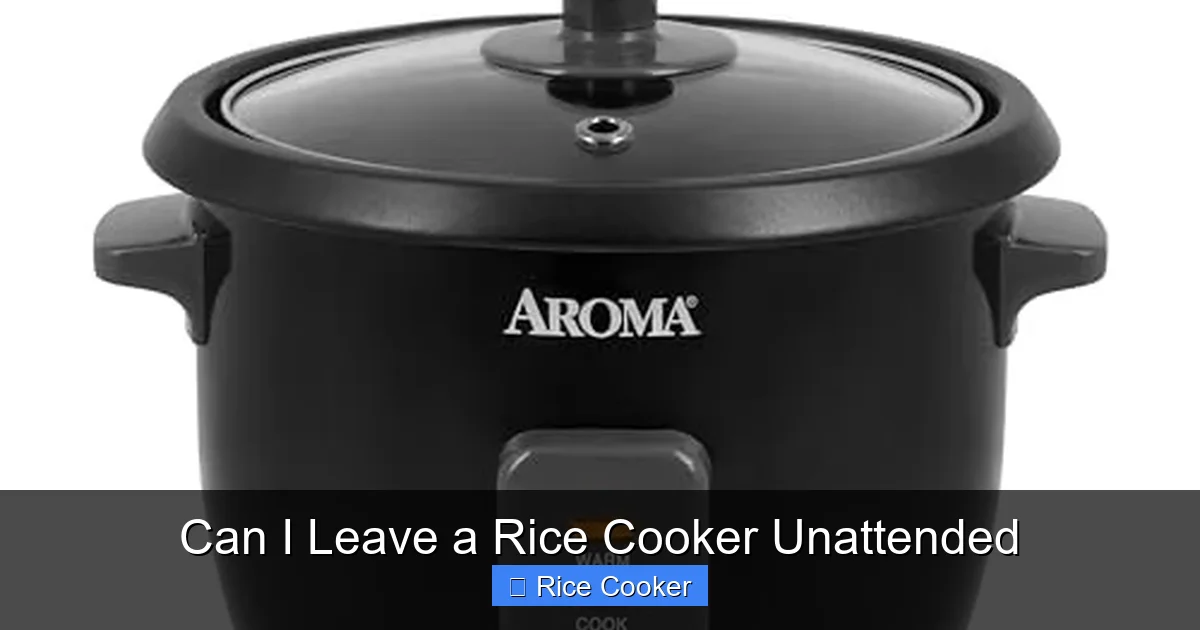
Visual guide about Can I Leave a Rice Cooker Unattended
Image source: m.media-amazon.com
Automatic Shut-Off Mechanisms
One of the most important safety features in any rice cooker is the ability to turn off automatically once the rice is done. This is typically controlled by a thermostat inside the unit. Once the temperature inside rises above a certain level (usually around 190°F or 88°C), the thermostat detects it and switches the cooker from “cook” mode to “warm” mode. After a set time—often 10 to 30 minutes—the unit shuts off completely.
This means that even if you forget to unplug it, your rice cooker will stop heating once the job is done. That’s why many people feel comfortable leaving it running while they run an errand or take a nap. Just remember: the warm setting keeps food at a safe temperature for a limited time, so don’t expect your dinner to stay hot forever.
Thermal Fuses and Overheat Protection
Beyond the thermostat, many rice cookers include a thermal fuse—a small device that breaks the circuit if the internal temperature gets dangerously high. Think of it as a backup plan. If something goes wrong—like the thermostat fails or the pot dries out—the thermal fuse kicks in to cut power and prevent overheating or even a fire.
Not all rice cookers have this feature, though. Cheaper models might rely solely on the thermostat, which makes them more vulnerable to failure. That’s why investing in a quality brand with multiple safety layers is always a good idea.
Non-Stick Inner Pots and Heat Distribution
The inner pot plays a big role in how safely your rice cooker operates. Most use non-stick coatings to prevent sticking and make cleaning easier. These materials are designed to handle high heat, but they can degrade over time if used improperly—especially if you leave the cooker on without anything inside.
When the heating element runs dry (meaning no water or food), the temperature can spike beyond safe limits. This not only damages the pot but also risks warping the base or triggering safety mechanisms unnecessarily. So while it’s technically possible to leave a rice cooker unattended, doing so without contents inside is never recommended.
Risks of Leaving a Rice Cooker Unattended
Even with safety features, there are still risks involved when leaving your rice cooker running. Let’s go over the most common concerns and why they matter.
Fire Hazards
Kitchen fires are no joke. According to the National Fire Protection Association (NFPA), unattended cooking is the leading cause of home cooking fires. While rice cookers are generally low-risk, any electrical appliance can become dangerous if it malfunctions. A frayed cord, loose connection, or faulty thermostat could lead to sparks, smoke, or even flames.
If your rice cooker starts smoking or emitting a burning smell, turn it off immediately and unplug it. Never assume it will shut itself off—trust your instincts. If something feels off, act fast.
Malfunctions Due to Poor Maintenance
Over time, dust, grease, and mineral buildup can affect your rice cooker’s performance. The heating element might not distribute heat evenly, or the sensor could get clogged. This increases the chance of overheating or uneven cooking—both of which can be problematic if you’re not nearby to fix them.
Regular cleaning helps prevent these issues. Wipe down the exterior, rinse the inner pot after each use, and check the cord and plug for damage. A well–known…
Knock-Over Risks
If your rice cooker is on a cluttered countertop or near the edge of the stove, it could easily get bumped or knocked over. Even a small spill of hot water or rice can create a mess—or worse, trigger a short circuit if it lands on an outlet.
Place your rice cooker on a flat, stable surface away from flammable items like curtains, paper towels, or wooden cabinets. Keep cables tidy and out of reach of pets or kids who might pull on them.
Best Practices for Using Your Rice Cooker Safely
Now that we’ve covered the risks, let’s talk solutions. Here’s how to use your rice cooker safely—even when you’re not watching it.
Follow the Manufacturer’s Instructions
Every rice cooker is different. Some have longer warm cycles, others use fuzzy logic for precise cooking. The only way to know exactly how your model behaves is to read the manual. Look for details like:
- Recommended water-to-rice ratios
- Maximum cooking times
- Whether it has a keep-warm function
- How long the unit stays on after cooking
Ignoring instructions might seem harmless, but it can lead to poor results or safety issues. When in doubt, stick to the book.
Never Run It Empty
As mentioned earlier, leaving your rice cooker on without water or food is a bad idea. The heating element is designed to transfer heat through contact with liquid or solid food. Without that, the temperature climbs rapidly, potentially damaging the pot or triggering unnecessary safety shutdowns.
Even if you’re just making soup or boiling eggs, make sure there’s enough liquid to cover the bottom of the pot. A dry run could ruin your appliance.
Use a Timer or Smart Plug for Extra Peace of Mind
If you’re worried about stepping away for too long, consider adding a timer. Many rice cookers have built-in timers, but if yours doesn’t, a kitchen timer or a smart plug with scheduling capabilities can help. These allow you to set a maximum runtime, so even if the keep-warm cycle starts, you’ll know when to return and unplug it.
Smart plugs also let you monitor usage remotely. Some even send alerts if the device overheats or stops working unexpectedly. It’s a small investment that adds big security.
Keep an Eye on the First Few Cycles
If you’ve recently bought a new rice cooker or haven’t used it in a while, spend a little time monitoring the first few batches. Listen for unusual sounds, watch for smoke or steam, and check that the rice cooks evenly. This helps you learn how your appliance behaves under normal conditions.
Once you’re confident it’s working properly, you’ll feel more comfortable leaving it unattended. It’s like getting familiar with a new car—after a test drive, you trust it more.
What to Do If Something Goes Wrong
Despite all precautions, things can still go wrong. Here’s what to do if your rice cooker acts up.
Smoke or Burning Smell
If you notice smoke, unplug the unit immediately and open a window. Don’t touch the interior until it cools down. Check the inner pot for burnt residue—it might be stuck to the bottom from overheating. Clean it thoroughly before using again.
In rare cases, smoke could indicate a wiring issue or damaged component. If this happens repeatedly, stop using the rice cooker and consult a professional technician.
Water Leakage or Electrical Issues
If water drips from the unit or you hear a buzzing sound, unplug it right away. Water near electricity is a serious hazard. Inspect the cord, plug, and seals for damage. If you see cracks, burns, or exposed wires, discard the appliance and replace it.
Never attempt to repair a rice cooker yourself unless you’re qualified. Electrical appliances should only be serviced by trained professionals.
Uneven Cooking or Burnt Rice
This isn’t usually a safety issue, but it does mean your rice cooker isn’t functioning optimally. It could be due to a dirty heating plate, incorrect measurements, or a faulty thermostat. Try cleaning the base and re-testing with fresh ingredients. If problems persist, consider replacing the unit.
Choosing the Right Rice Cooker for Unattended Use
Not all rice cookers are created equal. If you want to leave yours unattended often, look for models with strong safety records and user reviews praising reliability.
Look for These Features
- Multiple safety layers: thermostats, thermal fuses, auto shut-off
- Fuzzy logic technology: adjusts cooking time and temperature based on input
- Keep-warm function with timed cutoff: prevents overcooking or drying out
- Durable, BPA-free materials: ensures longevity and safe food contact
- Clear indicators and error codes: helps you troubleshoot quickly
Brands like Zojirushi, Cuckoo, Panasonic, and Instant Pot are known for their reliability and safety standards. While they may cost a bit more upfront, they save you money and stress in the long run.
Compare Models Before Buying
Before purchasing, compare models online. Read customer reviews, especially those mentioning safety, durability, and performance. Watch YouTube videos where users demonstrate real-world usage. Sometimes, seeing how a rice cooker performs over time gives better insight than specs alone.
Also, check warranty terms. A good warranty shows the manufacturer trusts their product and stands behind it.
Final Thoughts: Can You Really Leave a Rice Cooker Unattended?
So, back to the original question: Can you leave a rice cooker unattended? The honest answer is yes—but with caveats. Modern rice cookers are built to handle short absences, thanks to automatic shut-off and other safety features. As long as you use them correctly, clean them regularly, and avoid running them dry, you can enjoy the convenience of hands-free cooking.
However, no appliance is 100% foolproof. Always prioritize caution. If you smell smoke, hear strange noises, or notice anything unusual, don’t hesitate to intervene. Better safe than sorry when it comes to kitchen safety.
And remember: leaving your rice cooker unattended doesn’t mean ignoring it completely. Use timers, choose reliable models, and stay aware of what’s happening in your kitchen. With smart habits and a little attention, your rice cooker can be both convenient and secure.
Whether you’re cooking jasmine rice for dinner or steaming broccoli while prepping a salad, knowing your appliance is dependable lets you focus on what matters most—enjoying your meals and spending time with loved ones.
Frequently Asked Questions
Is it safe to leave a rice cooker on overnight?
Most modern rice cookers have automatic shut-off and keep-warm functions, so they won’t stay on indefinitely. However, leaving it powered on for hours without monitoring increases fire risk. It’s safer to turn it off once the cycle completes.
Can a rice cooker catch fire?
While rare, rice cookers can catch fire if they malfunction, overheat, or are damaged. Always follow safety guidelines, avoid running it empty, and inspect cords regularly to minimize risk.
Do I need to unplug my rice cooker after use?
It’s not required, but unplugging after use eliminates standby power consumption and reduces potential electrical hazards. Many people do this as a precaution, especially in households with children or pets.
What happens if I leave rice in the cooker too long?
Most rice cookers switch to keep-warm mode after cooking, but prolonged exposure to heat can dry out rice or promote bacterial growth. For best quality, consume cooked rice within 4–6 hours.
Are electric rice cookers more dangerous than stovetop ones?
Electric rice cookers are generally safer because they don’t involve open flames and have built-in controls. Stovetop methods require constant attention, increasing burn and fire risks.
How do I know if my rice cooker is faulty?
Signs include smoking, unusual odors, uneven cooking, frequent shut-offs, or visible damage to the cord or plug. If you notice any of these, stop using the unit and seek professional inspection.