
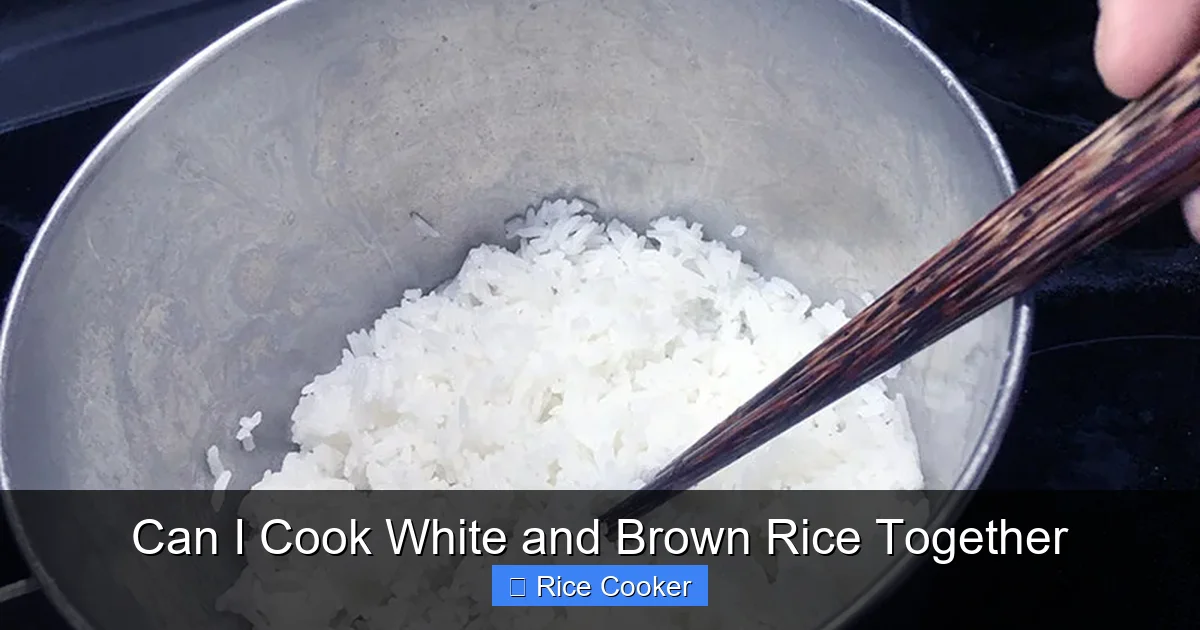
Can I cook white and brown rice together? Absolutely! Mixing white and brown rice in your rice cooker creates a delicious, nutritious blend that’s easy to prepare. With the right ratio and cooking method, you get fluffy white rice alongside tender brown rice—no extra effort required. Whether you’re feeding picky eaters or boosting fiber intake, this combo is a win-win. You can also learn about safety tips like whether you can leave a rice cooker unattended.
Key Takeaways
- Rice Type Matters: White and brown rice have different water absorption rates and cooking times—cooking them together requires adjusting water and timing.
- Best Ratios: A 1:1 ratio by volume (equal parts white and brown) works well, but adjust slightly based on your cooker’s performance.
- Water Adjustment: Brown rice needs more water than white rice, so increase total liquid by about 10–15% when mixing.
- Cooking Time: Expect a longer cook time—typically 45–60 minutes—since brown rice takes longer to absorb moisture and soften.
- Texture Tips: Stirring gently halfway through helps even out consistency; avoid over-stirring to keep white rice fluffy.
- Nutritional Boost: Combining both types increases fiber, vitamins, and minerals compared to eating only white rice.
- Perfect for Meal Prep: Cook a large batch at once and store it for quick lunches or dinners throughout the week.
📑 Table of Contents
- Can I Cook White and Brown Rice Together?
- Understanding White and Brown Rice Basics
- How to Cook White and Brown Rice Together in a Rice Cooker
- Common Mistakes and How to Avoid Them
- Tips for Perfect Texture Every Time
- Benefits of Cooking White and Brown Rice Together
- Advanced Techniques and Variations
- Storage and Reheating Tips
- FAQs
Can I Cook White and Brown Rice Together?
Have you ever wondered if you can cook white and brown rice together in your rice cooker? The short answer is yes—and the long answer is even better. Combining these two popular grains isn’t just possible; it’s practical, delicious, and surprisingly simple. Whether you’re trying to balance nutrition, satisfy picky eaters, or just want to reduce kitchen cleanup, cooking white and brown rice together can be a game-changer.
White rice cooks quickly and stays light and fluffy, while brown rice offers a nuttier flavor and more nutrients. But when cooked separately, you end up with two pots to clean and two timers to track. So why not merge the best of both worlds? In this complete guide, we’ll walk you through everything you need to know—from ratios and water levels to troubleshooting and meal ideas—so you can confidently cook white and brown rice together every time.
Understanding White and Brown Rice Basics
Before we dive into cooking techniques, let’s break down what makes white and brown rice different—because understanding their unique properties is key to success.
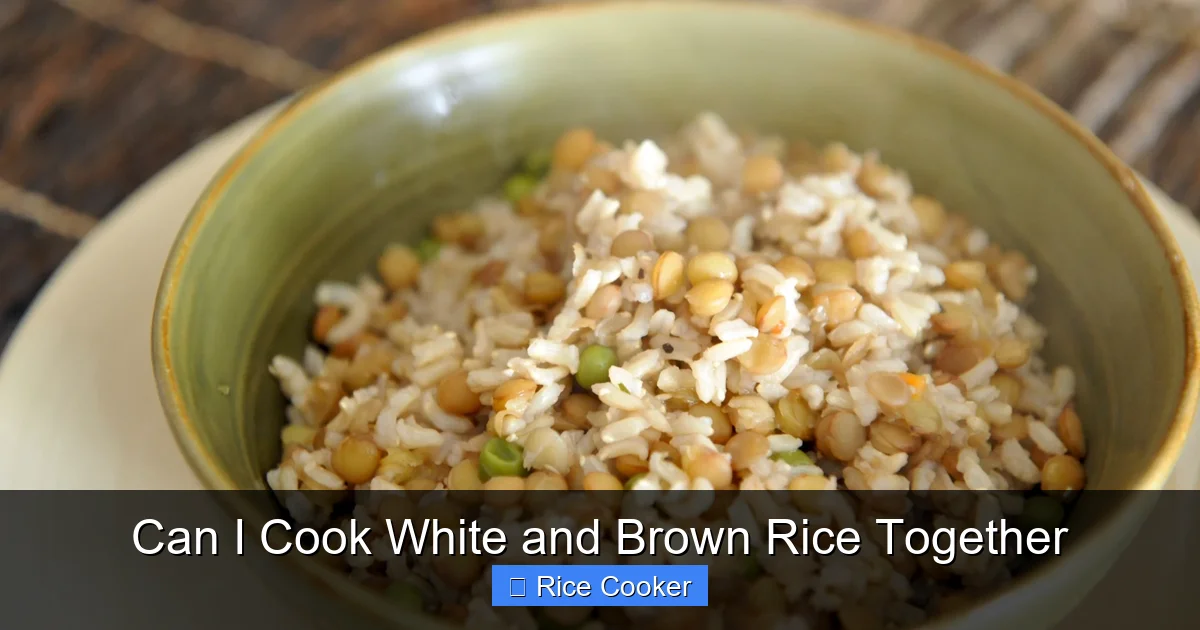
Visual guide about Can I Cook White and Brown Rice Together
Image source: wikihow.com
What Sets Them Apart?
Brown rice is the whole grain version of rice. It includes the bran and germ, which give it a chewier texture and richer, nuttier taste. Because of this outer layer, brown rice takes longer to cook and requires more water. White rice, on the other hand, has been polished to remove the bran and germ, making it quicker to cook and softer in texture.
Here’s a quick comparison:
- Fiber: Brown rice has 3–4 grams per cup; white rice has almost none.
- Cooking Time: White rice: ~18–20 mins; Brown rice: ~40–50 mins.
- Water Ratio: White rice: 1:1.5 (rice to water); Brown rice: 1:1.75–2.
Why Combine Them?
Cooking both together lets you enjoy the convenience of white rice without sacrificing the health benefits of brown rice. You get a balanced meal that’s satisfying, nutritious, and versatile. Plus, many people find the texture of pure brown rice too firm, especially kids or older adults. A mix often strikes the perfect middle ground.
How to Cook White and Brown Rice Together in a Rice Cooker
Now for the main event: actually making it happen. Follow these step-by-step instructions for foolproof results every time.
Step 1: Measure Your Rice
Start by measuring equal parts white and brown rice by volume. For example, use ½ cup white and ½ cup brown rice. If you’re cooking for one, that’s ¼ cup each. For larger batches, scale up accordingly. Using a standard measuring cup ensures accuracy—don’t eyeball it!
Step 2: Rinse Thoroughly
Rinse both types under cold water until the water runs clear. This removes excess starch and prevents clumping. Use a fine-mesh strainer and gently swish the rice around with your fingers. Skipping this step can lead to gummy or sticky rice, especially with brown rice.
Step 3: Add Water
This is where most people go wrong. Brown rice needs extra water, so don’t just use the standard white rice ratio. A good rule of thumb is to add 10–15% more water than you would for white rice alone. For 1 cup of rice total (½ white + ½ brown), use about 1.75 cups of water. If your rice cooker has a water level line, aim for the higher mark.
Step 4: Set the Timer
Press “Cook” and let the magic begin. Most rice cookers will default to white rice mode, which may not be enough for brown rice. If your model allows, switch to “Mixed” or “Brown” rice setting—if available. Otherwise, just press “Cook” and wait. Cooking time typically ranges from 45 to 60 minutes.
Step 5: Let It Rest
Once the cycle ends, let the rice sit covered for 10–15 minutes. This allows any remaining steam to finish cooking the brown rice evenly and improves texture. Don’t skip this—it makes a big difference!
Pro Tip:
If your rice cooker has a “Keep Warm” function, make sure it’s set to low or medium. High heat can dry out brown rice or make white rice tough.
Common Mistakes and How to Avoid Them
Even with the right steps, things don’t always go perfectly. Here are the most common issues—and how to fix them fast.
Mistake #1: Not Enough Water
Result: Starchy, mushy, or partially uncooked rice.
Fix: Always err on the side of too much water. Test by poking a grain—it should be soft inside. If not, add a splash more water and steam for 5 minutes.
Mistake #2: Over-Stirring
Result: White rice becomes gluey.
Fix: Only stir once—gently—during the last 5 minutes of cooking, or after it’s done. Use a wooden spoon, not metal, to avoid scratching your pot.
Mistake #3: Wrong Ratios
Result: Too much brown rice = dense; too much white = undercooked brown.
Fix: Stick close to a 1:1 ratio. If you prefer softer brown rice, try 2 parts white to 1 part brown.
Mistake #4: No Pre-Rinse
Result: Clumpy, uneven texture.
Fix: Rinse both types together. It only takes 30 seconds and pays off big time.
Tips for Perfect Texture Every Time
Getting the ideal bite—fluffy white rice with just-tender brown rice—requires attention to detail. These tips will elevate your results.
Use Room-Temperature Water
Cold water slows down cooking. Warm water helps both grains cook more evenly, especially important when mixing types.
Don’t Open the Lid Mid-Cook
Steam escapes, lowering the temperature and extending cook time. Resist the urge to peek unless your cooker has a viewing window.
Fluff Gently After Cooking
Use a fork instead of a spoon or spatula. Fork fluffing separates grains without mashing them—keeping white rice light and airy.
Season Lightly
A pinch of salt, a drizzle of olive oil, or a pat of butter enhances flavor without weighing down the rice. Avoid heavy sauces until after fluffing.
Benefits of Cooking White and Brown Rice Together
Beyond convenience, there are real advantages to mixing these two grains.
Balanced Nutrition
Brown rice provides magnesium, B vitamins, and fiber. White rice offers quick energy from carbohydrates. Together, they create a more complete nutritional profile—great for sustained energy and digestion.
Improved Digestibility
The milder texture of white rice makes the meal easier to digest for sensitive stomachs, while the fiber in brown rice supports gut health. The combination is gentler than eating only brown rice.
Cost-Effective
Buying both types isn’t expensive, and cooking them together means you’re maximizing your investment in ingredients and time.
Versatile for Recipes
This blend works in fried rice, casseroles, salads, or as a base for stir-fries. It absorbs flavors beautifully without overpowering them.
Kid-Friendly Option
Picky eaters often reject pure brown rice. A 50/50 mix makes it more palatable while still offering health benefits they might not notice.
Advanced Techniques and Variations
Once you’ve mastered the basics, try these creative twists.
Try Different Ratios
Experiment with 2:1 white to brown for creamier texture, or 1:2 for more fiber. Note how each affects cook time and mouthfeel.
Add Aromatics
Simmer garlic cloves, bay leaves, or a sprig of thyme in the water before adding rice. Remove solids before cooking to infuse subtle flavor.
Cook in Broth Instead of Water
Replace some water with chicken or vegetable broth for extra depth. Just adjust salt afterward since broth adds sodium.
Stovetop Method (If Needed)
For stovetop cooking, bring water to a boil, add rice, reduce heat, cover, and simmer for 50–60 minutes. Check periodically and add hot water if needed.
Make It a Grain Bowl Base
Top with roasted veggies, grilled chicken, tofu, or beans. Drizzle with soy-ginger sauce or tahini dressing for a restaurant-quality meal.
Storage and Reheating Tips
Leftovers are a lifesaver—but proper storage keeps them tasting fresh.
Cool Quickly
Spread cooked rice on a baking sheet to cool within 2 hours. Refrigerate within 4 hours of cooking to prevent bacterial growth.
Store Properly
Keep in an airtight container for up to 5 days. Freeze portions in freezer bags for up to 3 months.
Reheat Smartly
Microwave with a damp paper towel to retain moisture. Or steam in a covered pan over low heat with a splash of water.
FAQs
Can I cook instant white and brown rice together?
No, instant varieties aren’t designed for mixed-grain cooking. They’ll likely become mushy or undercooked. Stick to regular long-grain or basmati rice for best results.
Will the colors mix during cooking?
Not noticeably. The grains stay distinct, though they may look slightly blended when served. That’s normal—and actually helps you see portions clearly.
Do I need a special rice cooker?
Any basic rice cooker works fine. Higher-end models with multiple settings offer more control, but even a $20 appliance can handle this task well.
Can I add vegetables or protein while cooking?
It’s possible, but tricky. Hard vegetables like carrots take longer than rice, while soft ones like peas cook too fast. Consider pre-cooking hard veggies or adding them post-cook.
Is brown rice safe for everyone?
Most people can eat brown rice safely. However, those with certain digestive conditions (like IBS) may find it harder to tolerate. Start with small amounts and monitor reactions.
How do I prevent the rice from sticking?
Use enough water, don’t stir too much, and ensure your rice cooker’s non-stick surface is intact. Adding a teaspoon of oil to the water also helps.
Frequently Asked Questions
Can I cook instant white and brown rice together?
No, instant varieties aren’t designed for mixed-grain cooking. They’ll likely become mushy or undercooked. Stick to regular long-grain or basmati rice for best results.
Will the colors mix during cooking?
Not noticeably. The grains stay distinct, though they may look slightly blended when served. That’s normal—and actually helps you see portions clearly.
Do I need a special rice cooker?
Any basic rice cooker works fine. Higher-end models with multiple settings offer more control, but even a $20 appliance can handle this task well.
Can I add vegetables or protein while cooking?
It’s possible, but tricky. Hard vegetables like carrots take longer than rice, while soft ones like peas cook too fast. Consider pre-cooking hard veggies or adding them post-cook.
Is brown rice safe for everyone?
Most people can eat brown rice safely. However, those with certain digestive conditions (like IBS) may find it harder to tolerate. Start with small amounts and monitor reactions.
How do I prevent the rice from sticking?
Use enough water, don’t stir too much, and ensure your rice cooker’s non-stick surface is intact. Adding a teaspoon of oil to the water also helps.