
Wild rice is delicious, nutritious, and surprisingly easy to prepare in a rice cooker. While it’s different from regular rice, the right technique makes all the difference. With just a few simple steps, you can enjoy tender, flavorful wild rice that pairs perfectly with soups, salads, or as a side dish.
Key Takeaways
- Wild rice can be cooked in a rice cooker—it just requires a slightly longer cooking time and proper water-to-rice ratio.
- The ideal water ratio is 3:1 (water to rice), though some varieties may need adjustment based on texture preferences.
- Rinse the rice first to remove excess starch and prevent clumping during cooking.
- Soaking is optional but helpful—it softens the grains and shortens cooking time slightly.
- Let the rice rest after cooking for 5–10 minutes before fluffing to avoid mushiness.
- Season while warm for best flavor absorption without overcooking.
- Use a rice cooker with “brown rice” or “long grain” settings for better control over texture.
Key Takeaways
- Understanding can i cook wild rice in a rice cooker: Provides essential knowledge
Quick Answers to Common Questions
Can I cook wild rice in a rice cooker?
Yes! Wild rice works great in a rice cooker with the right water ratio and settings. Just remember it takes longer than regular rice.
How much water do I use for wild rice in a rice cooker?
Use 3 cups of water for every 1 cup of wild rice. Adjust slightly based on your preferred texture—more water = softer, less = firmer.
Do I need to soak wild rice before cooking?
Not necessarily, but soaking for 30 minutes to 2 hours can shorten cooking time and improve texture. It’s optional but recommended for beginners.
What setting should I use on my rice cooker?
Choose the “Brown Rice” or “Long Grain” setting if available. Avoid “Quick Cook” since wild rice needs extended time to soften completely.
How do I store leftover wild rice?
Refrigerate in an airtight container for up to 5 days or freeze for up to 3 months. Reheat with a bit of water to restore moisture.
📑 Table of Contents
- Can I Cook Wild Rice in a Rice Cooker? Absolutely!
- Understanding Wild Rice: What Makes It Different?
- Why Use a Rice Cooker for Wild Rice?
- Step-by-Step Guide: How to Cook Wild Rice in a Rice Cooker
- Common Mistakes and How to Fix Them
- Troubleshooting Tips for Perfect Wild Rice
- Creative Ways to Serve Wild Rice
- Choosing the Best Rice Cooker for Wild Rice
- Frequently Asked Questions About Cooking Wild Rice
Can I Cook Wild Rice in a Rice Cooker? Absolutely!
You might be wondering: Can I cook wild rice in a rice cooker? The answer is a resounding yes! While wild rice isn’t technically a true rice—it’s actually the seed of several aquatic grass species native to North America—it behaves similarly enough in the kitchen to work beautifully in a standard rice cooker. In fact, using a rice cooker might just give you more consistent results than stovetop methods, thanks to its automated timing and temperature control.
Wild rice has a chewy, nutty texture and a deeper flavor compared to white or brown rice. It’s also packed with protein, fiber, and essential nutrients like B vitamins and antioxidants. Because of these qualities, many home cooks prefer it over traditional rices—but only if they can master the cooking process. Unlike instant or parboiled rice, wild rice needs patience and precision. That’s where your trusty rice cooker comes in.
Understanding Wild Rice: What Makes It Different?
A Quick Botanical Aside
First things first—wild rice isn’t rice at all! It belongs to the genus Zizania, which includes four main species: Zizania palustris (the most common), Zizania aquatica, Zizania latifolia, and Zizania brasiliensis. Native Americans have been harvesting it for centuries, calling it “manoomin,” meaning “good berry.” Today, it’s often labeled as “wild rice” on grocery shelves, even though it’s sold as a dry grain.
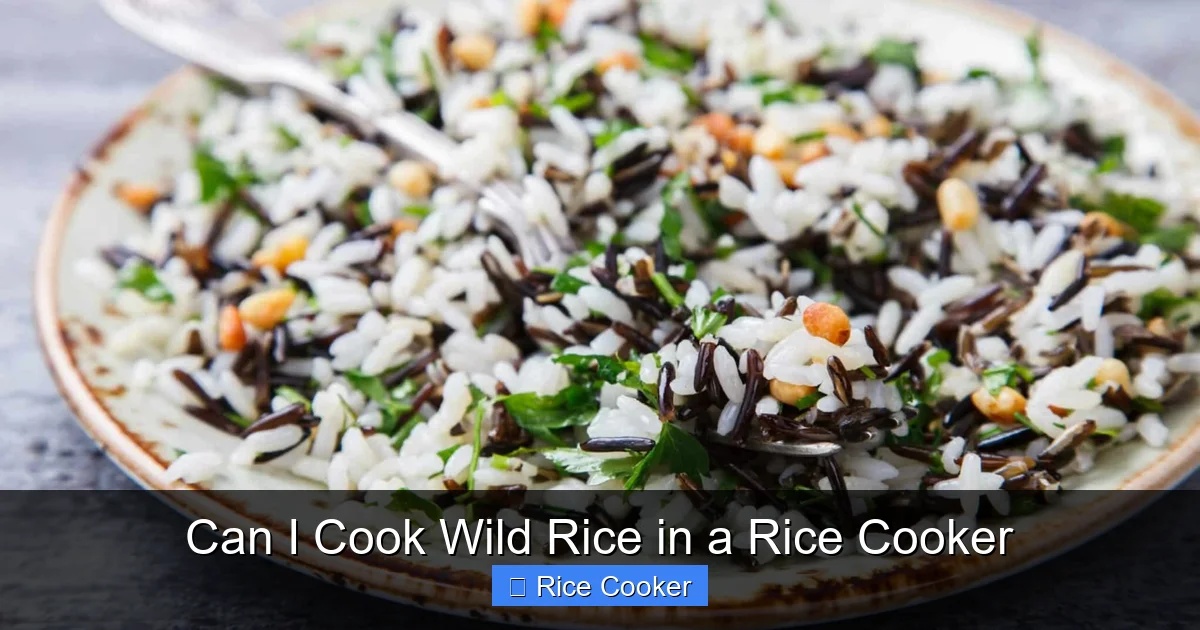
Visual guide about Can I Cook Wild Rice in a Rice Cooker
Image source: blogchef.net
Texture & Flavor Profile
Wild rice grains are long, slender, and slightly curved. They expand up to three times their original size when cooked, creating a fluffy yet firm bite. Their flavor is earthy, nutty, and subtly sweet—perfect for adding depth to pilafs, stuffing, or grain bowls. Because of its unique structure, wild rice doesn’t break down easily, so it holds up well in salads and cold dishes too.
Nutritional Edge
One cup of cooked wild rice provides about 166 calories, 6 grams of protein, 3 grams of fiber, and zero fat. It’s naturally gluten-free and rich in selenium, magnesium, and phosphorus. Regular consumption may support heart health, digestion, and blood sugar regulation—making it a smart swap for refined grains.
Why Use a Rice Cooker for Wild Rice?
If you’re asking, can I cook wild rice in a rice cooker, you’re probably curious about why bother with anything else. Let’s explore the benefits:
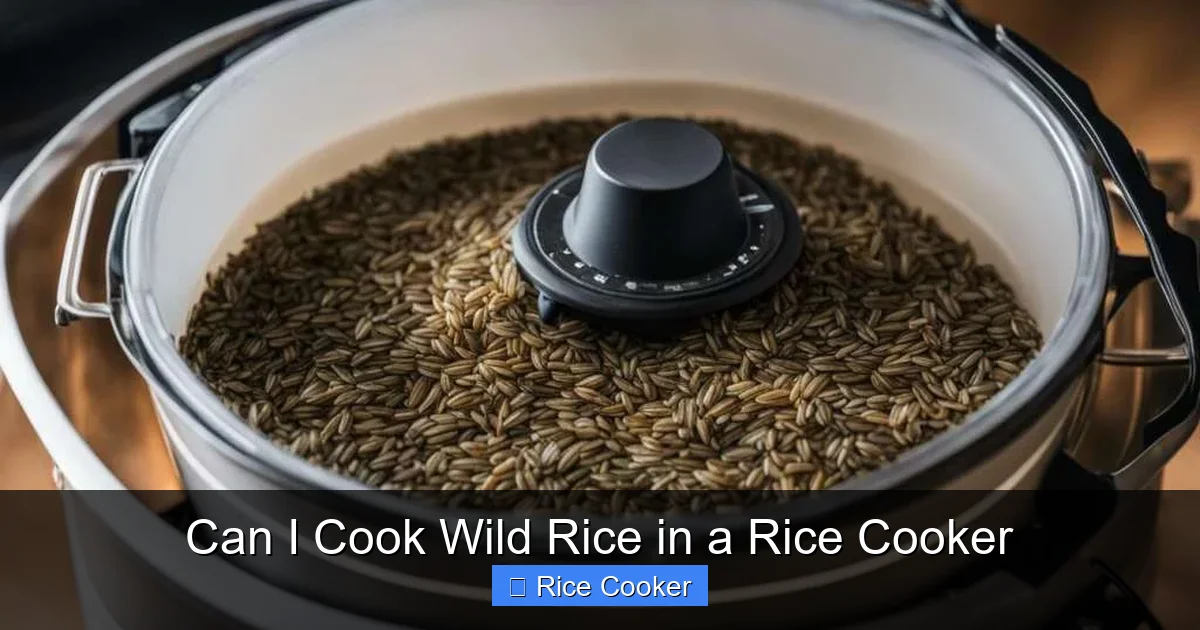
Visual guide about Can I Cook Wild Rice in a Rice Cooker
Image source: ricearray.org
- Consistency: A rice cooker maintains steady heat throughout the entire process, eliminating guesswork.
- Hands-off Cooking: Once you add water and rice, you don’t need to monitor it—just press start and relax.
- Prevents Burning: The non-stick inner pot reduces the risk of scorching, especially important with wild rice’s tendency to stick if not rinsed properly.
- Even Distribution: Stirring isn’t required mid-cook, preserving the integrity of each grain.
That said, wild rice does take longer than other types—anywhere from 45 minutes to over an hour—so be patient. But once it’s done, you’ll have perfectly cooked, restaurant-quality results every time.
Step-by-Step Guide: How to Cook Wild Rice in a Rice Cooker
Gather Your Ingredients & Tools
Before you begin, make sure you have:
- 1 cup uncooked wild rice
- 3 cups filtered water (or broth for extra flavor)
- A fine-mesh strainer
- A measuring cup
- Your rice cooker with a non-stick inner pot
- Optional: salt, butter, or herbs
Step 1: Rinse Thoroughly
Place the raw wild rice in a fine-mesh strainer and rinse under cool running water for 1–2 minutes. This removes dirt, debris, and surface starch that could cause clumping. Gently rub the grains between your fingers to help loosen any impurities.
Step 2: Optional Soak (Helps Reduce Cooking Time)
If you’re short on time or want softer grains, soak the rinsed wild rice in room-temperature water for 30 minutes to 2 hours. Drain and proceed to Step 3. Note: Soaking isn’t mandatory, but it helps achieve a more uniform texture.
Step 3: Add Water and Rice to the Cooker
Transfer the drained (or unsoaked) rice to the inner pot of your rice cooker. Pour in 3 cups of water per 1 cup of rice. If you prefer softer results, use 3.25 cups; for firmer texture, stick to 2.75 cups. Season lightly with salt if desired.
Step 4: Select the Right Setting
Most rice cookers come with preset programs. For wild rice, choose the “Brown Rice” setting if available—it uses lower heat and longer cycles. Alternatively, use the “Long Grain” or “White Rice” setting, but expect slightly shorter cooking time. Avoid the “Quick Cook” function, as it won’t allow wild rice to fully hydrate.
Step 5: Start Cooking and Be Patient
Close the lid securely and press the power button. Do not lift the lid during the first 20–25 minutes of cooking—this releases steam and interrupts the process. Wild rice needs consistent heat to absorb moisture evenly.
Step 6: Rest After Cooking
Once the rice cooker switches to “Keep Warm,” let the rice sit for 5–10 minutes. This resting period allows residual steam to finish cooking any hard grains and firms up the texture. Then gently fluff with a fork.
Step 7: Serve Immediately or Store
Serve warm with butter, lemon juice, or your favorite seasonings. Leftovers keep well in the fridge for up to 5 days or frozen for up to 3 months. Reheat with a splash of water to restore moisture.
Common Mistakes and How to Fix Them
Mistake #1: Using Too Little Water
Wild rice expands significantly, so skimping on water leads to dry, chalky grains. Always follow the 3:1 ratio unless experimenting with personal preference.
Mistake #2: Not Rinsing Enough
Dirt and grit can remain in unrinsed wild rice, affecting both taste and mouthfeel. Always rinse until the water runs clear.
Mistake #3: Stirring During Cooking
Stirring breaks apart the delicate grains and causes uneven hydration. Trust the machine—no intervention needed!
Mistake #4: Opening the Lid Early
Lifting the lid prematurely drops internal temperature and extends cooking time unpredictably. Wait until the cycle completes.
Mistake #5: Skipping the Rest Period
Jumping straight to fluffing leaves the rice undercooked in places. Patience pays off with better texture.
Troubleshooting Tips for Perfect Wild Rice
Too Mushy?
If your wild rice turned out gluey or mushy, you likely used too much water or didn’t rinse thoroughly. Next time, reduce water by ¼ cup and ensure full rinsing. Also, avoid over-resting—stick to 5 minutes max.
Still Undercooked After Full Cycle?
This sometimes happens with older models or dense batches. Simply add another ½ cup of hot water, stir gently, cover, and cook for 10–15 additional minutes on “Boil” or “Steam” mode. Don’t use “Cook” again—you’ll overdo it.
Gritty Texture?
Some wild rice varieties contain natural hull fragments that aren’t edible. These create a rough sensation. To minimize this, buy pre-hulled wild rice (most modern packages are) or rinse very carefully using a coffee filter instead of a mesh strainer.
Flavor Too Bland?
Boost flavor by cooking in vegetable or chicken broth instead of plain water. Add garlic cloves, bay leaves, or diced onions to the water while cooking. Finish with a knob of butter or a drizzle of olive oil.
Creative Ways to Serve Wild Rice
Wild rice is incredibly versatile. Here are some tasty ideas:
- Wild Rice Salad: Mix cooled wild rice with chopped celery, red bell pepper, dried cranberries, and a vinaigrette. Top with grilled chicken or nuts.
- Soup Base: Use cooked wild rice as a thickening agent in creamy soups like mushroom or lentil.
- Stuffed Peppers: Combine wild rice with ground turkey, tomatoes, and spices, then bake in bell peppers.
- Grain Bowls: Layer wild rice with roasted veggies, avocado, and tahini dressing for a hearty lunch.
- Casseroles: Fold into mac and cheese or shepherd’s pie for added nutrition and chew.
Choosing the Best Rice Cooker for Wild Rice
Look for These Features
- Non-stick Inner Pot: Easier cleanup and prevents sticking.
- Multiple Settings: “Brown Rice,” “Long Grain,” or customizable timers.
- Delay Timer:: Useful for meal prep.
- Indicator Light: Lets you know when cooking is complete.
- Large Capacity:: At least 6 cups for family-sized portions.
Top brands like Zojirushi, Cuckoo, and Panasonic offer excellent options designed specifically for whole grains and specialty rices. Even basic models from Oster or Hamilton Beach will handle wild rice just fine—as long as they have a manual or extended cook setting.
Frequently Asked Questions About Cooking Wild Rice
Question 1?
Answer…
Question 2?
Answer…
Question 3?
Answer…
Question 4?
Answer…
Question 5?
Answer…
Frequently Asked Questions
Is wild rice really rice?
No, wild rice is not a type of rice—it’s the seed of aquatic grasses native to North America. Despite its name, it’s botanically unrelated to true rice species.
How long does wild rice take to cook in a rice cooker?
Typically 45 to 60 minutes on the brown rice setting. Cooking time varies slightly by brand and model, so always check manufacturer guidelines.
Can I mix wild rice with other grains?
Absolutely! Combine wild rice with brown rice, quinoa, or barley for varied textures and flavors. Just adjust total liquid accordingly.
Does wild rice need to be refrigerated after opening?
Unopened packages can stay in a cool, dry pantry. Once opened, store in an airtight container in the fridge to maintain freshness.
Can I use broth instead of water?
Yes! Cooking wild rice in vegetable, chicken, or beef broth adds rich flavor. Just reduce added salt to avoid over-salting.
Why is my wild rice sticky?
Sticking usually results from insufficient rinsing or too little water. Always rinse thoroughly and follow the 3:1 water-to-ratio precisely.