
Can I feed cooked rice to chickens? Absolutely! Cooked rice is a safe and energy-rich treat for your flock when prepared correctly. Just remember to avoid uncooked rice, limit portions, and never add salt, butter, or seasonings. With the right approach, rice can be a healthy addition to their diet.
Key Takeaways
- Rice is safe for chickens: Cooked plain white or brown rice is non-toxic and easily digestible.
- Feed in moderation: Rice should be a supplemental snack, not a staple—too much can cause digestive upset.
- Avoid raw or uncooked rice: It can expand in the chicken’s crop and lead to choking or impaction.
- Skip the extras: Never serve rice with salt, oil, spices, or garlic—these are harmful to poultry.
- Combine with protein: Pair rice with veggies or grains for a balanced meal.
- Store leftovers safely: Cool cooked rice quickly and refrigerate unused portions to prevent bacterial growth.
- Monitor your flock: Watch for signs of digestive issues after feeding rice for the first time.
Quick Answers to Common Questions
Can chickens eat uncooked rice?
No, uncooked rice is dangerous for chickens because it can swell in their crops and cause blockages or impaction. Always serve only fully cooked rice.
How much cooked rice should I give my chickens?
A small handful per chicken per day is sufficient. Limit rice to about 10% of their total diet to avoid nutritional imbalances.
Is brown rice better than white rice for chickens?
Both are safe, but brown rice offers more fiber and nutrients. Just ensure it’s cooked thoroughly and cooled before serving.
Can I feed rice to baby chicks?
Yes, but only after they’ve started eating starter feed (around 3–4 weeks old). Offer finely ground or very soft cooked rice mixed into their regular food.
Will rice help my chickens lay more eggs?
Rice provides energy but doesn’t directly boost egg production. Focus on protein-rich feeds, calcium supplements, and overall balanced nutrition instead.
📑 Table of Contents
- Introduction: Can Chickens Eat Cooked Rice? Let’s Find Out
- Why Chickens Might Enjoy Cooked Rice
- How to Prepare Cooked Rice for Your Chickens
- What NOT to Do When Feeding Rice to Chickens
- Nutritional Benefits of Cooked Rice for Chickens
- Potential Risks and How to Avoid Them
- Practical Tips for Feeding Rice to Your Flock
- Alternatives to Cooked Rice: What Else Can Chickens Eat?
- Conclusion: Yes, You Can Safely Feed Cooked Rice to Chickens
Introduction: Can Chickens Eat Cooked Rice? Let’s Find Out
You’ve probably heard that chickens love grains, but what about cooked rice? If you’re raising backyard chickens or even just curious about what your feathered friends can eat, you’ve come to the right place. The short answer is yes—chickens can safely eat cooked rice, and it can even be a tasty treat. But like any food, it comes with rules. In this article, we’ll dive deep into whether cooked rice is good for chickens, how to prepare it, what to avoid, and how often you should offer it. Whether you’re using leftover dinner scraps or planning ahead with your rice cooker, we’ve got you covered.
Chickens are natural omnivores, which means they enjoy both plant-based foods and small insects. This flexibility allows them to thrive on a varied diet that includes grains, vegetables, fruits, and even table scraps—when given responsibly. Cooked rice fits perfectly into that category. It’s gentle on their digestive systems, easy to find, and surprisingly affordable. Plus, it’s a great way to reduce food waste while giving your chickens something enjoyable to peck at. So grab your apron, turn on your rice cooker, and let’s explore everything you need to know about feeding cooked rice to your flock.
Why Chickens Might Enjoy Cooked Rice
Before we get into the “how” and “why,” let’s talk about why chickens might actually enjoy eating cooked rice. For one, it has a soft texture that’s easy to swallow and digest—especially important for young chicks or older hens with sensitive crops. The starch in rice also provides quick energy, which is perfect for active birds during molt season or cold mornings.
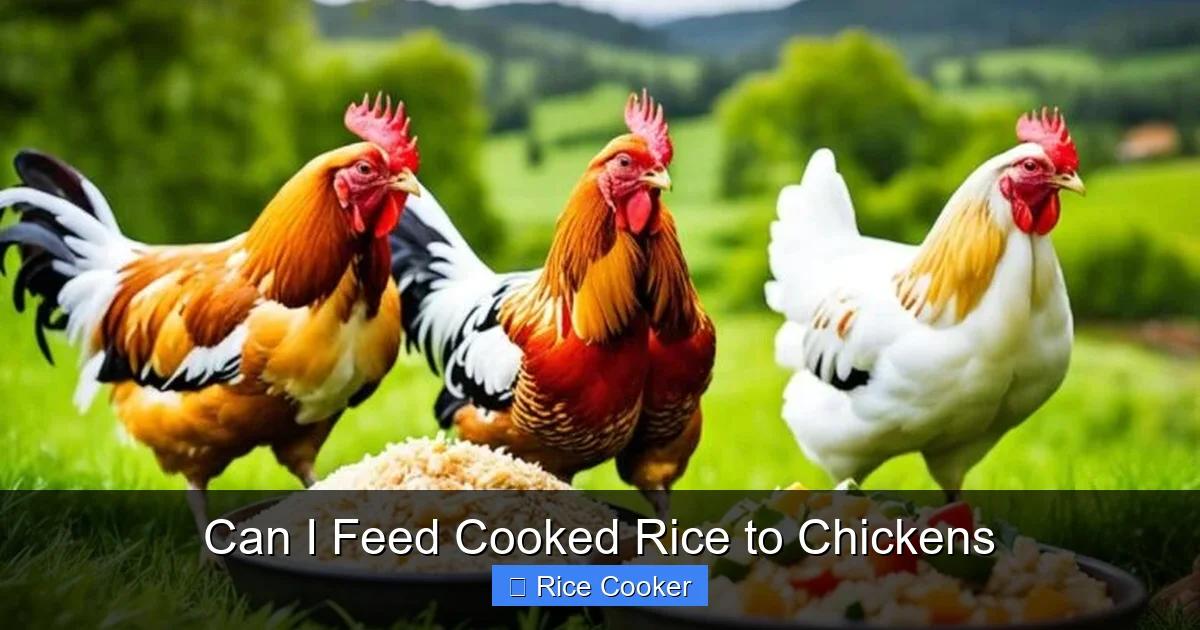
Visual guide about Can I Feed Cooked Rice to Chickens
Image source: bestfarmanimals.com
A Natural Energy Source
Rice contains carbohydrates, which break down into glucose and fuel your chickens’ daily activities. Unlike sugary treats, rice offers sustained energy without the crash. This makes it ideal for layer hens who need consistent nutrition to maintain egg production.
A Palatable Treat
Most chickens find rice appealing because of its mild flavor and chewy texture. When mixed with greens or sprinkled over grain mash, it becomes an irresistible snack. Think of it like popcorn for humans—simple, satisfying, and fun to eat.
A Budget-Friendly Option
Let’s face it: feeding chickens can get expensive. Using leftover cooked rice from your kitchen saves money and reduces household waste. Instead of tossing out last night’s dinner, repurpose it into a wholesome meal for your birds. Just make sure it’s plain and free of harmful additives.
How to Prepare Cooked Rice for Your Chickens
Not all rice is created equal—and not all preparation methods are safe for chickens. Here’s how to serve cooked rice the right way:
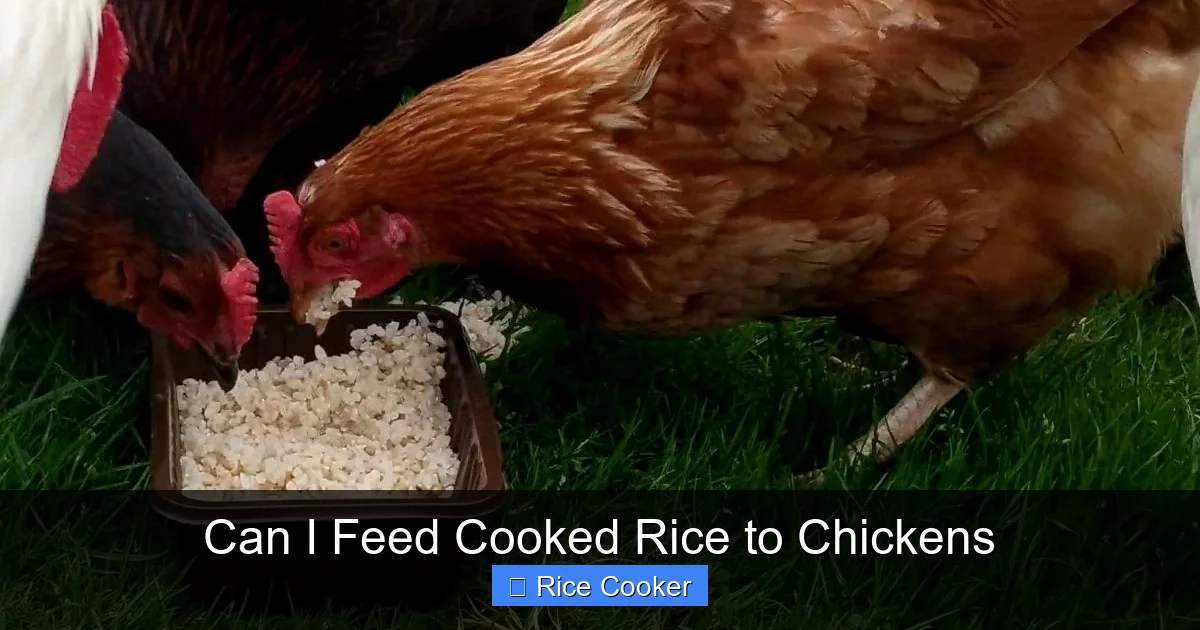
Visual guide about Can I Feed Cooked Rice to Chickens
Image source: cluckin.net
Use Plain, Unseasoned Rice Only
The golden rule: never give your chickens rice that’s been cooked with salt, butter, oil, herbs, or spices. These ingredients can upset their stomachs or even be toxic. Stick to plain white or brown rice cooked without any seasoning. If you’re using brown rice, note that it takes longer to cook and may be slightly harder—but it’s still safe and nutritious.
Cool It Down First
Hot food can burn a chicken’s mouth or esophagus. Always let cooked rice cool completely before serving. A good rule of thumb is to wait until it’s lukewarm to the touch. You can speed up cooling by spreading the rice on a baking sheet or placing it in a shallow dish.
Portion Control Matters
A handful per bird per day is plenty. Overfeeding rice can displace more essential nutrients from their main diet. Too much carbohydrate-rich food can lead to obesity or reduced calcium absorption, especially in laying hens. Aim for rice as no more than 10% of their total feed intake.
Mix It Into Their Regular Feed (Optional)
If you’re using a commercial chicken feed mix, you can gently fold in small amounts of cooled rice to encourage picky eaters or add variety. Just ensure the base diet remains nutritionally complete. High-quality layer pellets should still make up the majority of their meals.
What NOT to Do When Feeding Rice to Chickens
While cooked rice is generally safe, there are several common mistakes people make that can harm their chickens. Avoid these at all costs:
Never Feed Raw or Uncooked Rice
This is the biggest no-no. Raw rice expands dramatically when it comes into contact with moisture in the chicken’s crop—sometimes doubling in size. This expansion can cause blockages, choking, or crop impaction, which is painful and potentially fatal. Always serve only fully cooked rice.
No Salt, Oil, or Seasonings
Salt causes dehydration in chickens; oils can clog their digestive tracts; and many spices (like garlic and onion) are toxic to poultry. Even a pinch of cayenne pepper can irritate their systems. Keep it simple: plain cooked rice only.
Avoid Leftovers That Have Been Sitting Around
If you’ve reheated rice in the microwave or left it out overnight, discard it. Stored rice can grow Bacillus cereus bacteria, which produces toxins that cause vomiting and diarrhea in humans—and likely the same in chickens. Freshly cooked rice is best.
Don’t Replace Complete Feed with Rice
Chickens need a balanced diet rich in protein, vitamins, and minerals. While rice fills their bellies, it doesn’t provide all the nutrients they require—especially calcium for egg-laying hens. Never use rice as a substitute for proper poultry feed.
Nutritional Benefits of Cooked Rice for Chickens
When included appropriately, cooked rice contributes positively to your chickens’ overall health. Here’s a breakdown of its nutritional value:
- Carbohydrates: Provides energy for movement, digestion, and feather maintenance.
- Fiber: Especially in brown rice, fiber aids digestion and supports gut health.
- Minerals: Contains trace amounts of phosphorus, magnesium, and potassium.
- B Vitamins: Brown rice offers B1 (thiamine), which helps convert food into energy.
However, rice lacks significant protein and fat content. That’s why it works best as part of a varied diet that includes seeds, insects, greens, and high-protein feeds. Think of rice as a side dish, not the main course.
Potential Risks and How to Avoid Them
Even though cooked rice is safe, improper handling or overconsumption can lead to problems. Being aware of these risks helps keep your flock healthy:
Digestive Upset
Too much rice at once can ferment in the crop, causing sour crop—a condition where undigested food ferments and creates gas bubbles. Symptoms include lethargy, loss of appetite, and a swollen crop. To prevent this, introduce rice gradually and always mix it with other foods.
Calcium Imbalance
High-carb diets without adequate calcium can weaken eggshell quality. Laying hens especially need access to oyster shell or crushed limestone. Offer rice separately from grit if you’re concerned about mineral absorption.
Allergic Reactions (Rare)
While extremely uncommon, some chickens may react poorly to certain types of rice due to individual sensitivities. Watch for changes in droppings, behavior, or appetite after introducing rice for the first time.
Practical Tips for Feeding Rice to Your Flock
Ready to start? Here are some real-world tips to make feeding rice easy and effective:
Use a Dedicated Scooper
Keep a clean scoop just for chicken food. This prevents contamination from human hands or dirty utensils. Wash it regularly with hot, soapy water.
Serve in Shallow Dishes
Deep bowls make it hard for chickens to reach the bottom. Use shallow trays or even old baking sheets. Make sure the area is dry to avoid mold growth.
Rotate Treats Weekly
Variety keeps chickens interested and ensures they get a broad range of nutrients. Alternate rice with cracked corn, millet, peas, or cooked pasta (also plain).
Observe After Feeding
For the first few times, watch closely. Note how long it takes them to finish the rice, whether they seem energetic afterward, and if their droppings look normal. Healthy droppings should be firm with yellow urates.
Alternatives to Cooked Rice: What Else Can Chickens Eat?
If you’re looking to diversify your chickens’ diet, here are some excellent alternatives to rice:
- Cooked pasta: Like rice, it’s safe when plain and cooled.
- Oats: Great source of fiber and protein.
- Barley or quinoa: Nutrient-dense options (cook thoroughly).
- Fruits and veggies: Carrots, spinach, apples, and bananas are all favorites.
- Scraps from non-citrus meals: Meat, bread, and dairy in moderation (no onions or garlic).
Remember: the goal is balance. Rice is fine occasionally, but your chickens thrive on a foundation of quality layer feed, fresh water, and forage.
Conclusion: Yes, You Can Safely Feed Cooked Rice to Chickens
In summary, cooked rice is a perfectly acceptable and enjoyable treat for chickens—as long as it’s served plain, cooled, and in moderation. It’s an eco-friendly way to repurpose leftovers, offers quick energy, and satisfies your birds’ natural curiosity. Just steer clear of raw rice, seasonings, and overfeeding, and you’ll have happy, healthy hens pecking away contentedly.
Whether you’re using your rice cooker to whip up a batch for dinner and saving the rest for your flock, or planning weekly prep sessions, incorporating cooked rice can enrich your chickens’ lives. Pair it with greens, occasional insects, and a solid base of commercial feed, and you’ve got a well-rounded, joyful feeding routine.
So go ahead—turn that rice cooker on, serve up a little love, and watch your chickens strut with delight. They’ll thank you with bright eyes, glossy feathers, and maybe even a few extra eggs!
Frequently Asked Questions
Can chickens eat instant rice?
Yes, but only if it’s plain and fully cooked. Avoid instant rice that comes with added flavors, seasonings, or preservatives.
How do I store leftover cooked rice for my chickens?
Refrigerate within two hours of cooking. Serve within 24–48 hours, and always reheat gently if needed. Discard any rice that smells sour or shows mold.
Is it okay to feed rice every day?
It’s best to rotate treats. Offering rice daily can lead to boredom and overconsumption of carbs, which isn’t ideal for long-term health.
Can rice cause crop impaction in chickens?
Only if fed raw or in excessive amounts. Cooked rice in moderation does not cause impaction and is easily digested.
What if my chicken won’t eat rice?
Try mixing it with favorite foods like greens, mealworms, or crumbled feed. Some chickens take time to adjust to new textures or tastes.
Does rice help with feather plucking?
There’s no evidence rice treats feather plucking. Address stress, parasites, or nutritional gaps through veterinary care and enrichment instead.