

Can I eat cooked rice cold? The short answer is yes—but with caution. While cold rice is technically edible, eating improperly stored rice increases your risk of foodborne illness caused by *Bacillus cereus*, a bacteria that thrives in starchy foods left at room temperature. To enjoy cold rice safely, always refrigerate it within two hours and reheat thoroughly before consumption. With proper handling, cold rice can be a convenient, nutritious part of your diet.
Have you ever found yourself staring into the fridge with a bowl of leftover rice, wondering: Can I eat cooked rice cold? Maybe you’re rushing to work and forgot to reheat your dinner, or perhaps you’re planning a potluck and want to prep ahead. Either way, this question comes up more often than you’d think—and for good reason. Rice is one of the most versatile staples in kitchens worldwide, but when it comes to eating it cold, safety and taste both come into play.
In this deep dive, we’ll explore everything you need to know about eating cooked rice cold—from the science behind why it can be risky to creative ways you can enjoy it without compromising your health. Whether you’re a busy professional, a meal-prep enthusiast, or just someone who loves a quick salad, this guide will help you make smart choices every time.
Key Takeaways
- Safety First: Cold rice can harbor dangerous bacteria like Bacillus cereus, which produces heat-stable toxins that cooking doesn’t destroy.
- Proper Storage: Refrigerate cooked rice within 2 hours of cooking and consume it within 3–4 days for optimal safety and taste.
- Reheating Matters: Always reheat cold rice to an internal temperature of 165°F (74°C) to kill harmful microorganisms.
- Taste & Texture: Cold rice often has a firmer, chewier texture than hot rice—ideal for salads or stir-fries without further cooking.
- Rice Types Vary: White rice is more prone to bacterial growth than brown rice due to its higher starch content and shorter shelf life.
- Cold Rice Uses: Perfect for sushi, fried rice, grain bowls, or chilled salads—just ensure it’s been handled safely.
- Avoid Room-Temp Storage: Never leave cooked rice sitting out for more than 2 hours (or 1 hour if above 90°F/32°C).
📑 Table of Contents
- Is It Safe to Eat Cooked Rice Cold?
- The Science Behind Rice and Bacteria
- How Long Is Cooked Rice Safe to Eat?
- Best Practices for Storing Cooked Rice
- Delicious Ways to Enjoy Cold Cooked Rice
- Rice Types: Which Is Best for Cold Eating?
- Common Myths About Eating Cold Rice
- Tips for Busy Lifestyles
- Conclusion: Yes, You Can Eat Cooked Rice Cold—Safely
Is It Safe to Eat Cooked Rice Cold?
Let’s start with the most important question: Can you actually eat cooked rice cold? The straightforward answer is yes—but only if it’s been stored properly. However, eating rice that’s been sitting out too long or stored incorrectly can lead to food poisoning.
The danger lies in a bacterium called Bacillus cereus. This spore-forming bacteria is commonly found in soil and grains, including rice. When raw rice is cooked, these spores can survive the heat and begin multiplying in the warm, moist environment of freshly cooked rice. If the rice isn’t cooled and refrigerated quickly, the bacteria thrive and produce toxins—some of which are heat-stable. That means even reheating won’t eliminate them.
So while cold rice itself isn’t inherently dangerous, the conditions under which it was stored are what matter most. If you follow safe storage guidelines, you can enjoy cold rice without worry.
The Science Behind Rice and Bacteria
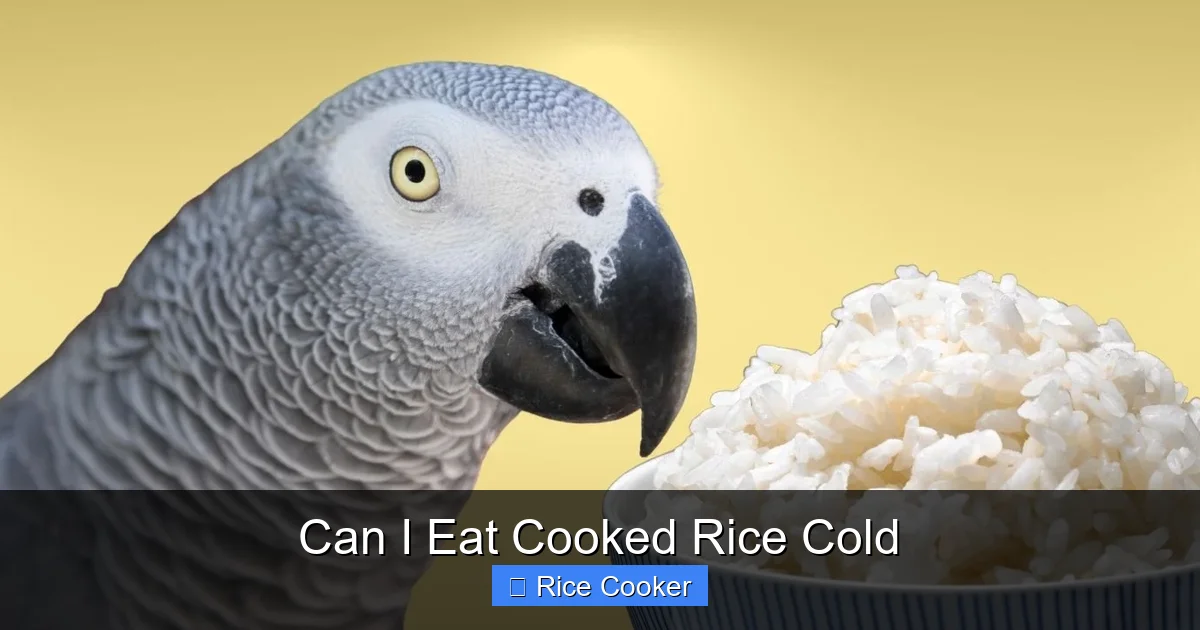
Visual guide about Can I Eat Cooked Rice Cold
Image source: petsfoodsafety.com
Understanding how rice becomes unsafe helps explain why refrigeration is so critical. Bacillus cereus forms endospores that resist boiling. Once the rice cools below 40°F (4°C), the spores germinate into active bacteria. In temperatures between 40°F and 140°F (4°C to 60°C)—known as the “danger zone”—the bacteria multiply rapidly.
If rice sits in this range for more than two hours, especially in large portions or uncovered containers, the risk of toxin buildup increases significantly. These toxins can cause vomiting or diarrhea within 6–15 hours of ingestion.
Interestingly, not all rice-related illnesses come from B. cereus. Another type, called emetic toxin, is specifically linked to improperly stored cooked rice. This toxin is resistant to both freezing and reheating, making prevention through proper cooling and storage the only defense.
That’s why experts recommend using shallow containers for cooling rice and placing it in the refrigerator within 2 hours of cooking. This rapid chilling slows bacterial growth and keeps your meal safe.
How Long Is Cooked Rice Safe to Eat?
Now that we’ve covered the “why,” let’s talk about the “how long.” How long can you keep cooked rice in the fridge, and is it still okay to eat cold after that?
According to the U.S. Department of Agriculture (USDA), cooked white rice should be refrigerated within 2 hours of cooking and consumed within 3–4 days. Brown rice, which contains more oil and nutrients, has a slightly shorter shelf life—about 3–4 days as well, though some sources suggest up to 6 days if stored perfectly.
Freezing extends shelf life dramatically. You can freeze cooked rice for up to 6 months. Just portion it into freezer-safe bags or containers, label them with the date, and thaw overnight in the fridge before use.
When in doubt, trust your senses—but remember, rice poisoning symptoms don’t always appear immediately. If the rice smells off, has a slimy texture, or shows signs of mold, discard it immediately.
Best Practices for Storing Cooked Rice
Storing rice correctly is the single most important step in ensuring it remains safe to eat cold. Here’s how to do it right:
1. Cool Quickly
Don’t let rice sit on the countertop for hours. Spread it out in a shallow pan or divide it into smaller portions to speed up cooling. A fan nearby or placing the container near ice can help accelerate the process.
2. Use Clean Containers
Transfer cooled rice into airtight, clean containers. Glass or BPA-free plastic works well. Avoid reusing takeout containers that may harbor bacteria.
3. Label and Date
Always label your containers with the date so you know when it was made. This simple habit prevents confusion and reduces waste.
4. Refrigerate Promptly
Place the container in the coldest part of your fridge—ideally below 40°F (4°C). Don’t stack heavy items on top, as this can affect temperature consistency.
5. Reheat Thoroughly
If you plan to eat the rice cold, great! But if you’re reheating it, make sure it reaches 165°F (74°C) throughout. Stir frequently during reheating to distribute heat evenly.
Following these steps minimizes risk and helps preserve flavor and texture.
Delicious Ways to Enjoy Cold Cooked Rice
Eating cold rice doesn’t have to mean eating plain, dry grains. In fact, many cuisines celebrate cold rice dishes—and they’re often packed with flavor, nutrition, and convenience.
Sushi and Sashimi Bowls
Japanese cuisine relies heavily on cold rice. Sushi-grade rice is seasoned with rice vinegar, sugar, and salt, then chilled before being rolled with fish, vegetables, and nori. Even non-sushi rice can be used creatively in bowls topped with avocado, cucumber, edamame, and a drizzle of soy sauce.
Fried Rice (No-Fry Option)
While traditional fried rice is cooked fresh, you can make a cold-rice version by mixing chilled rice with scrambled eggs, peas, carrots, green onions, and a bit of soy sauce. Toss gently in a skillet over low heat until warmed through—no frying required.
Chilled Salads
Cold rice shines in grain salads. Combine it with roasted vegetables, chickpeas, feta cheese, and a lemon-tahini dressing. Or try a Mediterranean-style mix with tomatoes, olives, red onion, and parsley.
Breakfast Bowls
Swap oats for cold rice in overnight oats recipes. Layer it with yogurt, berries, nuts, and honey for a protein-rich breakfast that’s ready when you are.
Snack Mixes
Combine cooled rice with popcorn, pretzels, and dried fruit for a crunchy trail mix. Add dark chocolate chips for extra indulgence.
These ideas prove that cold rice isn’t just a last-minute fix—it’s a versatile ingredient worth keeping on hand.
Rice Types: Which Is Best for Cold Eating?
Not all rice is created equal when it comes to cold storage and consumption. The type of rice affects how it behaves after cooking and how long it stays safe.
White Rice
Most common in Western diets, white rice has had its bran and germ removed, leaving mostly starch. This makes it softer when cooked but also more susceptible to bacterial growth. Because it lacks natural oils, it doesn’t oxidize as quickly as brown rice, but its high starch content supports rapid bacterial reproduction if not cooled fast enough.
Brown Rice
Brown rice retains its fiber-rich outer layer, giving it a nuttier flavor and chewier texture. It also contains more fat, which can become rancid over time—especially at room temperature. However, its lower starch concentration compared to white rice may slow bacterial growth slightly. Still, it should be treated the same way: cooled and refrigerated promptly.
Jasmine and Basmati Rice
Popular in Southeast Asian cuisine, jasmine and basmati rice are aromatic varieties often used in cold dishes like Thai papaya salad (Som Tum) or Indian pulao bowls. Their fluffy texture holds up well when chilled, making them ideal for salads and sushi.
Sushi Rice
Specifically bred for sushi, sushi rice is sticky and clingy due to its high amylopectin content. It’s typically seasoned and cooled immediately after cooking, making it perfect for cold preparations right out of the pot.
When choosing rice for cold meals, consider texture, aroma, and intended use. All types can be eaten cold safely—if handled properly.
Common Myths About Eating Cold Rice
Despite widespread concern, several myths surround eating cooked rice cold. Let’s clear them up.
Myth #1: All Cold Rice Causes Food Poisoning
False. Only rice that’s been improperly stored can cause illness. If you refrigerate it quickly and consume it within a few days, cold rice is perfectly safe.
Myth #2: Freezing Destroys Nutrients
Not true. Freezing preserves nutrients better than prolonged refrigeration. Just avoid refreezing thawed rice, as moisture reintroduction can promote bacterial growth.
Myth #3: You Must Discard Any Rice Left Out Overnight
Overly cautious. If rice was kept below 40°F (4°C)—even if briefly—it’s likely safe. The key is consistent temperature control.
Myth #4: Brown Rice Lasts Longer Than White Rice
Partially true. Brown rice has more antioxidants but shorter shelf life due to oil content. Both should be refrigerated within 2 hours.
Myth #5: Microwaving Doesn’t Kill Bacteria
Incorrect. Microwaves can reach 165°F (74°C) if heated long enough and stirred properly. Use a food thermometer to confirm.
Separating fact from fiction empowers you to make confident decisions.
Tips for Busy Lifestyles
For people juggling work, school, and family, eating cold rice isn’t just practical—it’s necessary. Here’s how to streamline the process:
– **Batch Cook:** Prepare a large pot of rice on Sunday and portion it into containers. Rotate older batches first.
– **Use a Rice Cooker:** Many modern rice cookers have delay timers and keep-warm functions. Set yours to cook early morning, and eat cold later.
– **Keep It Ready:** Store pre-portioned rice in labeled containers in the fridge or freezer. Grab-and-go options save time.
– **Add Flavor Before Chilling:** Toss cooked rice with olive oil, garlic powder, or sesame seeds before refrigerating. This enhances cold dishes without extra effort.
– **Invest in Quality Containers:** Look for leak-proof, microwave-safe containers with lids. Stackable designs maximize fridge space.
With a little planning, cold rice becomes a healthy, stress-free staple.
Conclusion: Yes, You Can Eat Cooked Rice Cold—Safely
So, can you eat cooked rice cold? Absolutely—but only when done responsibly. The key lies in understanding the risks, following safe storage practices, and using creativity in the kitchen. By refrigerating rice within two hours and consuming it within three to four days, you protect yourself from harmful bacteria while enjoying a convenient, nutritious food.
Cold rice isn’t just a leftover solution; it’s a culinary asset. From sushi rolls to grain bowls, chilled salads to snack mixes, there are countless delicious ways to enjoy it. And with the right tools—like a reliable rice cooker—you can prep ahead and stay healthy without sacrificing flavor.
Next time you find yourself asking, “Can I eat cooked rice cold?” remember: safety first, then flavor. Plan, store, and enjoy with confidence.
Frequently Asked Questions
Can you get sick from eating cold rice?
Yes, if the rice was left at room temperature for too long. Bacillus cereus can grow and produce toxins in improperly stored rice, causing nausea or diarrhea. Always refrigerate cooked rice within 2 hours.
How long does cooked rice last in the fridge?
Cooked white or brown rice lasts 3–4 days in the refrigerator if stored properly in an airtight container. Freeze for up to 6 months.
Is it OK to eat rice that’s been sitting out overnight?
It depends on the temperature. If rice was left out overnight (more than 2 hours) at room temperature, it’s best to discard it. If kept cold, it may still be safe.
Does reheating rice kill bacteria?
Yes, reheating rice to 165°F (74°C) kills most bacteria. However, it won’t remove B. cereus toxins, so proper storage is essential.
Why does cold rice taste different?
Cold rice has a firmer, chewier texture and concentrated flavors. Many find it more satisfying in salads or fried rice without needing extra cooking.
Can I eat leftover sushi rice cold?
Yes, sushi rice is meant to be eaten cold. Just ensure it was stored in the fridge promptly after seasoning and rolling.