
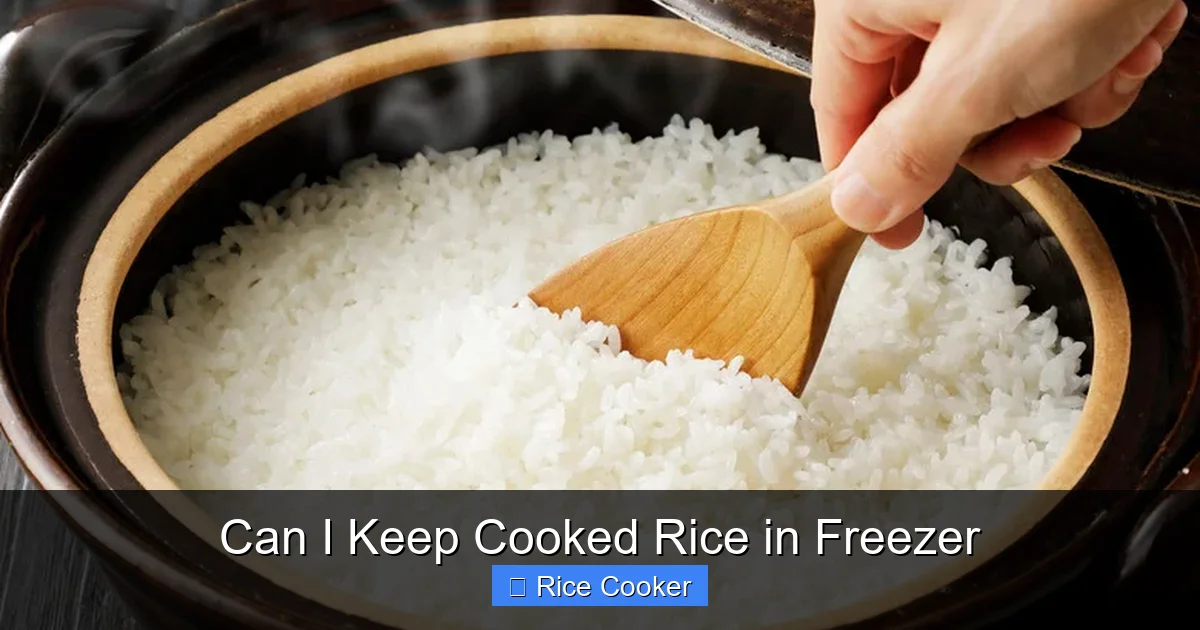
You can absolutely freeze cooked rice — it’s a smart way to save time and reduce food waste. Properly stored in airtight containers or freezer bags, cooked rice can last up to 3 months in the freezer. Just thaw and reheat safely to enjoy flavorful, fluffy rice again. Whether you made too much for dinner or want ready-to-eat meals, freezing is a simple solution.
Key Takeaways
- Freezing cooked rice is safe and effective: It preserves texture, flavor, and nutrients when done correctly.
- Use proper containers: Always store in airtight, freezer-safe containers or heavy-duty freezer bags to prevent freezer burn.
- Label and date your portions: This helps you track freshness and avoid confusion later.
- Thaw safely before reheating: Let rice come to room temperature or microwave it gradually to avoid sogginess.
- Reheat with moisture: Add a splash of water or broth when warming to restore softness.
- Avoid refreezing: Once thawed, only reheat what you plan to eat immediately to maintain quality.
- Best for meal prep: Freeze small portions for quick breakfast bowls, stir-fries, or side dishes.
[FEATURED_IMAGE_PLACEHOLDER]
Key Takeaways
- Understanding can i keep cooked rice in freezer: Provides essential knowledge
📑 Table of Contents
- Can I Keep Cooked Rice in Freezer? The Definitive Guide
- Why Freeze Cooked Rice?
- How Long Can You Keep Cooked Rice in the Freezer?
- Step-by-Step: How to Freeze Cooked Rice Properly
- How to Thaw and Reheat Frozen Rice Safely
- Reheating Tips for Perfect Fluffy Rice
- Common Mistakes to Avoid When Freezing Rice
- Can You Freeze Rice with Sauce or Mix-Ins?
- Is It Safe to Eat Expired Frozen Rice?
- Creative Ways to Use Frozen Rice
- Final Thoughts: Freeze It Like a Pro
Can I Keep Cooked Rice in Freezer? The Definitive Guide
Have you ever opened your fridge only to find a large container of leftover rice from last night’s stir-fry? Or maybe you just made a big pot of jasmine rice and realized you won’t finish it all before it goes bad? If so, you’re not alone. Leftover rice is one of those kitchen staples that’s both convenient and tricky — delicious on day one, but potentially risky if left out too long. But here’s the good news: yes, you can definitely keep cooked rice in the freezer, and doing so is not only safe but highly recommended for meal prep lovers and busy families alike. If you prefer short-term storage, you might also consider storing cooked rice in the fridge.
Freezing cooked rice allows you to preserve its texture, flavor, and nutritional value without compromising safety. In fact, properly frozen rice can stay edible for several months and still taste great when reheated. Whether you’re planning ahead for busy weekdays, reducing food waste, or simply stocking up on a staple ingredient, freezing cooked rice is a smart, practical habit. In this article, we’ll walk you through everything you need to know — from how to freeze rice correctly to how to thaw and reheat it like a pro. Let’s dive in!
Why Freeze Cooked Rice?
Before we get into the “how,” let’s talk about the “why.” Why would anyone choose to freeze cooked rice instead of just eating it within a few days? There are actually several compelling reasons:
Visual guide about Can I Keep Cooked Rice in Freezer
Image source: mashed.com
Meal Prep Made Easy
If you’re anything like most home cooks, you’ve probably said, “I’ll just make extra next time” — and then regretted it. Freezing cooked rice solves that problem. By making a double batch of rice once a week, you can freeze individual portions and pull them out whenever you need a quick base for fried rice, grain bowls, or stuffed peppers. No more last-minute rice panics!
Reduces Food Waste
According to the USDA, nearly 40% of food in the U.S. goes uneaten. That includes rice — which, when left at room temperature, can develop harmful bacteria like Bacillus cereus. Freezing prevents spoilage and ensures your rice doesn’t end up in the trash. Plus, frozen rice keeps longer than refrigerated rice, giving you more flexibility with meal planning.
Preserves Quality
Cooked rice can dry out or become stale in the fridge after a few days. Freezing locks in moisture and flavor, keeping it fresh and ready to use. When thawed correctly, it often tastes almost as good as the day it was cooked.
Saves Time and Money
Buying rice in bulk is usually cheaper, and cooking it all at once means you spend less time in the kitchen over the course of a week. Frozen rice becomes a pantry staple — just like canned beans or pasta — ready to transform into countless dishes.
How Long Can You Keep Cooked Rice in the Freezer?
This is one of the most common questions: How long does frozen rice last? The short answer is up to 3 months. Most types of cooked rice — whether white, brown, jasmine, basmati, or wild — can be safely stored in the freezer for about 2 to 3 months.
But here’s the catch: the longer you keep it, the more likely it is to lose some texture or absorb odors from other foods in the freezer. For best results, try to use frozen rice within 6 to 8 weeks. Think of it like bread — it stays fresh longer when sealed tightly and kept in a cool, dark place (or freezer).
Also, different rice varieties behave slightly differently when frozen:
- White rice: Holds up well and freezes beautifully. Ideal for stir-fries and casseroles.
- Brown rice: Has more fiber and fat, which can affect texture over time. Best used within 2 months.
- Wild rice: Tends to be drier and may become crumbly when thawed. Use within 6–8 weeks.
- Instant or pre-cooked rice: These are already processed and may not freeze as well. Stick to freshly cooked rice for best results.
Always check for signs of freezer burn — dry, discolored patches on the surface — before using. If you see them, trim the affected areas and proceed with caution.
Step-by-Step: How to Freeze Cooked Rice Properly
Freezing cooked rice isn’t rocket science, but doing it right makes all the difference. Follow these steps to ensure your rice stays fresh and usable for weeks (or even months). For additional safety tips, see our guide on leaving a rice cooker unattended.
1. Cool the Rice Quickly
After cooking, spread the rice out on a baking sheet or shallow dish. Let it cool to room temperature within an hour. Don’t leave it sitting in a hot pot — that can create condensation and promote bacterial growth.
Pro tip: If you’re making a large batch, divide it into smaller portions first. This helps cool faster and reduces the risk of uneven freezing.
2. Portion It Out
Instead of freezing a giant block of rice, divide it into single or double servings. Use measuring cups, muffin tins, or ice cube trays for easy portioning. A standard serving is about 1/2 to 3/4 cup of cooked rice.
For example, if you made 4 cups of rice, you could freeze four 1-cup portions. Later, you can pop out just what you need — no thawing the whole thing!
3. Use the Right Containers
Choose freezer-safe containers with tight-fitting lids or heavy-duty freezer bags. Glass or BPA-free plastic containers work best. Avoid regular zip-top bags — they can split under pressure when frozen.
If using bags, lay them flat on a tray to help them freeze evenly. Squeeze out as much air as possible before sealing.
4. Label and Date Everything
This might seem obvious, but it’s easy to forget which batch is which. Write the date and contents on a label with a marker or sticker. You’ll thank yourself later when you’re digging through the freezer.
5. Freeze Flat (If Using Bags)
To save space and prevent bags from sticking together, lay them flat in the freezer until solid. Then stack them vertically. This also makes it easier to grab individual portions later.
6. Store at 0°F (-18°C) or Lower
Make sure your freezer is set to the correct temperature. Most home freezers run between 0°F and 5°F, which is perfect for preserving rice.
How to Thaw and Reheat Frozen Rice Safely
One of the biggest mistakes people make is trying to reheat frozen rice directly from the freezer. That leads to uneven heating and mushy results. Instead, follow these safe thawing methods:
Method 1: Thaw in the Fridge (Slowest, Safest)
Place the frozen rice container in the refrigerator and let it thaw overnight. This method preserves texture and prevents bacterial growth. It’s ideal if you have time — say, the night before you want to use the rice.
Method 2: Microwave Thawing (Fastest)
Remove the rice from its container and transfer it to a microwave-safe bowl. Cover it loosely with a damp paper towel or vented lid to retain moisture. Microwave in 30-second intervals, stirring between each, until fully thawed. Be careful — rice can steam up quickly!
Method 3: Thaw While Cooking
For the easiest approach, add frozen rice directly to soups, stews, or casseroles while they’re simmering. Stir occasionally so it heats evenly. This method works especially well for fried rice or rice-based dishes.
Once thawed, reheat the rice thoroughly to an internal temperature of 165°F (74°C). Never reheat rice more than once — always cook only what you plan to eat.
Reheating Tips for Perfect Fluffy Rice
Even the best-thawed rice can turn out gummy or dry if not reheated properly. Here’s how to bring frozen rice back to life:
- Add moisture: Place the rice in a covered saucepan or microwave-safe dish. Add a tablespoon of water or broth per cup of rice. Cover and heat gently.
- Steam it: Simmer over low heat for 3–5 minutes, stirring occasionally. In the microwave, heat in 1-minute bursts with a splash of water.
- Fluff with a fork: After reheating, fluff the rice with a fork to break up clumps and restore fluffiness.
- Test doneness: Make sure there are no cold spots. If needed, heat a bit longer.
For fried rice, sauté the thawed rice in a little oil with your choice of vegetables and protein. The high heat helps revive its texture and gives it that restaurant-style crispness.
Common Mistakes to Avoid When Freezing Rice
Even experienced home cooks sometimes mess up their frozen rice. Here are the most common pitfalls and how to avoid them:
- Leaving rice at room temperature too long: Bacteria multiply rapidly between 40°F and 140°F. Cool rice within one hour of cooking.
- Using non-freezer-safe containers: Regular plastic wrap or foil won’t hold up. Use dedicated freezer gear.
- Not removing excess air: Air causes freezer burn. Press out as much as possible before sealing.
- Overfilling containers: Leave headspace for expansion during freezing.
- Ignoring the freezer’s temperature: An underperforming freezer can cause uneven freezing and spoilage.
Also, avoid freezing rice mixed with creamy sauces or dairy — they can separate or spoil faster than plain rice. If you’re considering feeding pets, check out whether dogs can eat cooked rice.
Can You Freeze Rice with Sauce or Mix-Ins?
Short answer: Yes, but with caveats. Plain cooked rice freezes well, but adding sauces, oils, or delicate ingredients can change the outcome.
- Sauces: Tomato-based or oil-heavy sauces freeze okay, but creamy or mayonnaise-based ones may separate.
- Veggies: Cooked carrots, peas, or corn freeze fine and add color to future meals.
- Proteins: Shrimp, chicken, or tofu can be frozen with rice, but they may affect texture over time.
- Herbs and spices: These are fine, but strong flavors can intensify when frozen.
- Breakfast burritos: Scramble eggs, veggies, and thawed rice into a wrap.
- Rice pudding: Warm thawed rice with milk, cinnamon, and sugar for a comforting dessert.
- Baked ziti or lasagna: Use rice as a gluten-free layer between noodles and cheese.
- Rice balls (Onigiri): Shape thawed rice into balls with fillings like tuna or pickled veggies.
- Stir-fry or curry: Combine with frozen veggies, soy sauce, and protein for a quick dinner.
If you’re making a dish like fried rice or risotto ahead of time, go ahead and freeze it. Just remember to label it clearly — “Chicken Fried Rice – Dec 5” — so you don’t get confused later.
Is It Safe to Eat Expired Frozen Rice?
Frozen rice is generally safe even after the 3-month mark, but quality declines. The main concern isn’t bacteria (freezing halts most growth), but texture and flavor. Over time, rice can become dry, chalky, or develop off-odors.
If your frozen rice looks, smells, or feels off — like sour, moldy, or overly dry — discard it. When in doubt, throw it out. Better safe than sorry!
Creative Ways to Use Frozen Rice
The beauty of frozen rice is its versatility. Here are some fun ideas to keep things interesting:
You can also blend thawed rice into smoothies for extra fiber, or use it in meatloaf and meatballs for added moisture and texture.
Final Thoughts: Freeze It Like a Pro
So, can you keep cooked rice in the freezer? Absolutely. With the right techniques, frozen rice becomes a kitchen superhero — reliable, reusable, and ready when you are. It’s not just about saving food; it’s about creating convenience, reducing stress, and enjoying better meals without the hassle.
Remember: proper cooling, airtight storage, and safe thawing are the keys to success. Treat your frozen rice with care, and it will treat you well in return. Next time you cook a big batch, consider freezing half — your future self will thank you.
Whether you’re meal prepping for the week, cutting down on waste, or just love having rice on hand, freezing cooked rice is a game-changer. It’s simple, safe, and surprisingly effective. So go ahead — freeze that extra jasmine rice. Your taste buds and your schedule will be glad you did.
Frequently Asked Questions
Can I freeze cooked rice immediately after cooking?
Yes, but first cool it to room temperature within an hour. Hot rice creates condensation that can lead to bacterial growth if stored too soon. Spread it out to cool faster.
Does freezing ruin the taste of rice?
Not if done correctly. Properly stored rice retains its flavor well. However, over time it may absorb odors from the freezer, so store it away from strong-smelling foods.
How do I know if frozen rice is spoiled?
Check for off smells, unusual colors, or freezer burn (dry, leathery patches). If it looks or smells bad, discard it immediately. Frozen rice is safe for months, but quality fades over time.
Can I freeze rice in aluminum foil?
No, aluminum foil isn’t freezer-safe and can leach chemicals or tear. Use glass, stainless steel, or BPA-free plastic containers instead.
Is it better to freeze rice in portions or all at once?
Portioning is better. Smaller amounts thaw faster and reduce waste. Plus, you can grab just what you need without thawing the whole batch.
Can I freeze rice with mayonnaise?
It’s not recommended. Mayonnaise can separate or spoil faster when frozen. Stick to plain rice or sauces that hold up well in the freezer, like tomato-based ones.