
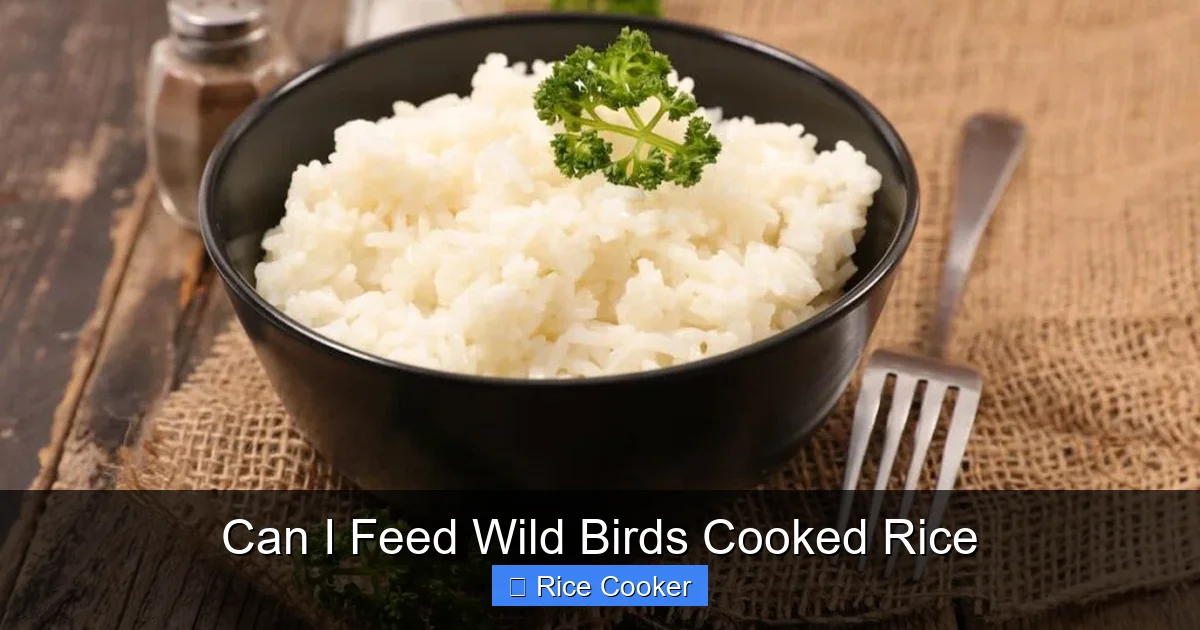
Can I feed wild birds cooked rice? Yes, but with care! Cooked rice is safe for most wild birds and can be a nutritious supplement during harsh weather or food shortages. However, avoid seasoning, excess salt, or raw rice—and always offer it fresh and clean to keep our feathered friends healthy and happy.
Key Takeaways
- Cooked rice is safe for many wild birds: It provides carbohydrates and energy, especially helpful during winter or droughts when natural seeds are scarce.
- Avoid raw rice and seasonings: Raw rice expands in a bird’s stomach, causing digestive issues, while salt, oil, or spices can harm them.
- Offer in moderation: Rice should complement, not replace, natural foods like seeds, fruits, and insects—use it as an occasional treat.
- Keep it clean and dry: Always serve plain, cooled rice without additives and ensure feeding areas are sanitized to prevent mold or bacteria.
- Support diverse diets: Different bird species have varied needs—robins love fruit, sparrows prefer seeds, and songbirds enjoy insects, so mix offerings for balanced nutrition.
- Use proper feeding tools: Place rice in shallow trays or on platform feeders to prevent choking and make it accessible to small birds.
- Monitor wildlife behavior: Observe which birds visit and how much they eat to adjust portions and avoid attracting pests or predators.
📑 Table of Contents
- Can I Feed Wild Birds Cooked Rice? A Complete Guide to Safe and Healthy Bird Feeding
- The Science Behind Bird Nutrition: Why Rice Works (Sometimes)
- Which Birds Actually Like Cooked Rice?
- Common Mistakes People Make (And How to Avoid Them)
- Alternatives to Rice: What Else Should You Feed Birds?
- Environmental Impact: Does Feeding Birds Hurt or Help?
- Monitoring and Adjusting Your Feeding Strategy
- Conclusion: Small Acts, Big Impact
Can I Feed Wild Birds Cooked Rice? A Complete Guide to Safe and Healthy Bird Feeding
Have you ever spotted a flock of sparrows or robins pecking at something on your patio and wondered what they were eating? Maybe you found some leftover rice from dinner and thought, “Could I share this with them?” The simple answer is yes—you can feed wild birds cooked rice, but only if you do it right. While rice isn’t a natural part of most birds’ diets, it can serve as a temporary energy source during tough times like cold snaps or droughts. But before you start tossing out your leftovers, let’s explore what makes rice safe (or unsafe), who benefits from it, and how to do it responsibly.
Birds are fascinating creatures with unique nutritional needs. Some thrive on seeds, others on insects, and a few even enjoy fruits and suet. Cooked rice fits into this world as a carbohydrate-rich food that gives birds quick energy. Think of it like a snack bar for finches or a calorie boost for wrens. However, just because it’s okay doesn’t mean it’s ideal. Overfeeding rice or giving it improperly can lead to health problems. So, let’s break down everything you need to know—from preparation to presentation—so you can support local wildlife without doing harm.
The Science Behind Bird Nutrition: Why Rice Works (Sometimes)
To understand why cooked rice is acceptable (but not perfect), we need to look at what birds actually eat in the wild. Most backyard birds—like chickadees, sparrows, and cardinals—primarily consume seeds, nuts, and insects. These foods provide protein, fats, and essential vitamins. Rice, however, is mostly starch. That means it’s low in protein and lacks certain amino acids birds need daily.
Visual guide about Can I Feed Wild Birds Cooked Rice
Image source: m.media-amazon.com
So why would any bird eat rice? Because it’s easy to digest and gives fast fuel. When food is scarce—say, after a snowstorm or during summer heatwaves—birds burn more calories trying to stay warm or find water. In those moments, a handful of rice can tide them over until conditions improve. It’s not a replacement for their usual diet, but it’s better than going hungry.
What Happens If a Bird Eats Too Much Rice?
Even though cooked rice is safe, overdoing it isn’t good. Imagine eating nothing but bread for days—your body would miss nutrients and feel sluggish. Same goes for birds. Too much starch without protein can weaken their immune system and reduce reproduction success. Plus, if birds rely too heavily on human-provided food like rice, they might lose their natural foraging skills.
Raw vs. Cooked: The Big Difference
This is crucial: never give birds raw rice. Unlike cooked grains, raw rice swells up inside a bird’s stomach—up to twice its original size—which can cause bloating, discomfort, or even blockages. Cooked rice, on the other hand, stays soft and breaks down easily. Just make sure it’s fully cooked, plain, and cooled before offering it.
Which Birds Actually Like Cooked Rice?
Not all birds will rush to eat rice, but several common backyard species do appreciate it—especially in winter. Here’s a quick rundown:
- House Sparrows: These little guys love grains. A few cups of plain cooked rice scattered on the ground often attract them.
- Chickadees and Titmice: They enjoy small bits of rice mixed with seeds. Their tiny beaks handle it well.
- Doves and Pigeons: These larger birds naturally eat grains, so rice fits right into their diet.
- Blackbirds and Starlings: Often seen in flocks, they’ll happily snack on leftover rice if placed near open areas.
On the flip side, insect-eaters like bluebirds or warblers usually ignore rice. They’re hunting worms and beetles, not grains. So don’t expect every bird at your feeder to show up for rice—just the ones whose natural instincts lean toward seeds and grains.
Creative Ways to Serve Rice to Birds
How you present rice matters. Birds have different feeding habits, so match the method to the species you want to attract:
- Platform Feeders: Spread rice on a flat surface. Great for larger birds like doves or turkeys.
- Shallow Trays or Bowls: Ideal for smaller birds. Make sure edges aren’t too high to avoid tipping or injury.
- Mixed with Seeds: Combine rice with millet or sunflower seeds. This mimics natural seed mixes and appeals to a wider range of birds.
- In Suet Cakes: Mix cooled rice into melted suet for a high-energy winter treat. Woodpeckers and nuthatches love these!
Seasonal Timing: When Is Rice Most Needed?
Rice is most valuable during extreme conditions:
- Winter Months: Cold weather increases energy needs. A stash of rice can help birds survive nights below freezing.
- Drought Periods: When native plants stop producing seeds, supplemental food becomes critical.
- Early Spring: As natural food sources emerge slowly, extra calories help breeding pairs prepare for nesting.
But remember—this should never replace regular seed feeders or natural habitats. Think of rice as emergency rations, not a permanent menu item.
Common Mistakes People Make (And How to Avoid Them)
Even well-meaning bird lovers sometimes get it wrong. Let’s go over the top mistakes and how to fix them:
Mistake #1: Using Seasoned or Flavored Rice
Never feed birds rice with salt, butter, garlic, or MSG. Human seasonings are toxic to birds. Salt causes dehydration; oils coat feathers and trap heat; garlic can damage red blood cells. Stick to plain, unseasoned rice only.
Mistake #2: Leaving Out Old or Moldy Rice
Birds are sensitive to mold and fungi. If rice sits out too long, especially in humid weather, it can grow harmful spores. Always use fresh rice within a day or two, and discard anything that looks fuzzy or smells off.
Mistake #3: Offering Rice Without Clean Water
Birds need water for drinking and bathing. If you’re providing dry food like rice, make sure there’s a nearby clean water source. Otherwise, they may dehydrate trying to swallow large bites without moisture.
Mistake #4: Overfilling Feeders
Too much rice attracts unwanted visitors—like rats, raccoons, or pigeons—and creates waste. Offer small amounts that birds can finish in a few hours. Clean up uneaten rice daily to prevent disease spread.
Mistake #5: Ignoring Local Regulations
In some areas, feeding wild birds is restricted due to disease control (e.g., avian flu outbreaks). Check with your local wildlife agency before setting up a feeding station.
Alternatives to Rice: What Else Should You Feed Birds?
If rice isn’t your only option—or if you want variety—here are healthier, more natural alternatives:
- Sunflower Seeds: High in fat and protein. Favorite among cardinals, chickadees, and finches.
- Suet Cakes: Excellent for woodpeckers, nuthatches, and jays. Buy unsalted, no-dye versions.
- Dried Fruits: Raisins, cranberries, or chopped apples work well for robins and thrushes.
- Insects: Mealworms are a hit with bluebirds, wrens, and hummingbirds. Live or freeze-dried are both fine.
- Oatmeal: Plain, unsweetened oatmeal (cooked) offers fiber and slow-release energy.
Mixing different foods keeps birds healthy and encourages biodiversity at your feeder. Diversity also reduces competition—smaller birds aren’t pushed away by bigger ones grabbing all the seeds.
DIY Bird Food Recipes Using Rice (Optional)
If you’re feeling crafty, try making homemade bird treats:
Simple Rice & Seed Mix:
- 2 cups cooked rice
- 1 cup millet
- ½ cup cracked corn
- 1 tbsp peanut butter (unsalted)
Microwave the mix until slightly hardened, then cut into small cubes. Hang in mesh bags or scatter on platforms.
Rice-Suet Energy Balls:
- 1 cup cooked rice
- ½ cup melted unsalted suet
- 1 tbsp dried berries
Combine, roll into balls, and dry in the fridge. Perfect for cold mornings.
Environmental Impact: Does Feeding Birds Hurt or Help?
This is a big question many people ask. On one hand, feeding birds helps them survive hardships. On the other, too much human intervention can disrupt ecosystems. So where’s the balance?
Short-term aid is beneficial. During extreme weather, supplemental feeding saves lives. Studies show that well-managed bird feeders increase survival rates in winter. But long-term reliance? That’s risky. Birds may abandon natural foraging, become dependent on humans, or spread diseases through overcrowded feeders.
The key is moderation and diversity. Instead of just rice, offer a mix of foods that mimic their natural diet. Also, keep feeders clean and place them away from windows to prevent collisions. And remember: the best gift you can give wild birds is protecting their habitat—not just putting out food.
Building a Sustainable Bird-Friendly Yard
Beyond rice bowls, consider these eco-friendly upgrades:
- Plant native shrubs that produce berries and seeds.
- Install birdbaths with moving water (mimics streams).
- Leave leaf litter for insects—a vital food source for young birds.
- Use pesticide-free gardening practices.
When birds have access to natural food year-round, they rarely need your help. But when nature struggles, you can step in—just don’t forget to step back.
Monitoring and Adjusting Your Feeding Strategy
Once you start feeding, watch closely. Note which birds come, how much they eat, and whether any seem sick (e.g., lethargy, fluffed-up feathers, or difficulty flying). Keep a simple log—maybe jot down dates and observations weekly.
If you notice aggressive behavior or overpopulation, reduce the amount of rice and add more variety. If certain species disappear, try adjusting the type or placement of food. Flexibility is key to responsible feeding.
When to Stop Feeding Rice
There’s no strict rule, but consider stopping when:
- Natural food sources rebound (spring/summer).
- Weather improves and birds have enough to eat.
- You see signs of disease or pests around the feeder.
Gradually taper off rather than quit abruptly—some birds may still be relying on your help.
Conclusion: Small Acts, Big Impact
Feeding wild birds cooked rice isn’t about turning your backyard into a buffet. It’s about compassion, curiosity, and connection. When done thoughtfully, it strengthens our bond with nature and reminds us how fragile—and resilient—wildlife really is.
Just remember: rice is a tool, not a crutch. Use it wisely, cleanly, and sparingly. Pair it with clean water, safe feeders, and respect for local ecology. And always ask yourself: am I helping this bird thrive… or just satisfying my own urge to nurture?
If you answered yes to the first, you’re already doing great. Now go enjoy watching those sparrows hop across your rice-strewn patio—they’re thanking you with song.
Frequently Asked Questions
Is cooked rice safe for all types of wild birds?
Most grain-eating birds like sparrows, doves, and chickadees can safely eat plain cooked rice. However, insect-loving species such as warblers or flycatchers typically ignore it. Always observe which birds visit your feeder to tailor offerings.
Can I feed birds leftover rice from restaurants or takeout?
Only if it’s plain, unseasoned, and cooled. Avoid any rice mixed with sauces, grease, or spices—these can be toxic. Restaurant rice often contains salt or oil, so it’s safest to cook plain rice at home for feeding purposes.
How much rice should I give wild birds each day?
Offer small amounts—enough for birds to finish within a few hours. A handful per day is plenty for a typical backyard. Overfeeding attracts pests and wastes food. Remove uneaten rice daily to prevent spoilage.
Do I need to rinse rice before serving it to birds?
No. Rinsing removes starch, but birds don’t mind. Plain cooked rice is fine as-is. Just avoid adding salt, herbs, or butter during cooking.
Will feeding rice attract pests like rats or cats?
Rice alone is less likely to draw pests than suet or seed mixes, but improper storage or dirty feeders can invite rodents. Store rice in sealed containers and clean feeders weekly. Also, place rice outdoors away from dense bushes to deter predators.
Can baby birds eat rice?
No. Baby birds require high-protein diets like insects or specialized formula. Rice lacks the nutrients they need for rapid growth. Never attempt to feed wild fledglings unless advised by a licensed rehabilitator.