
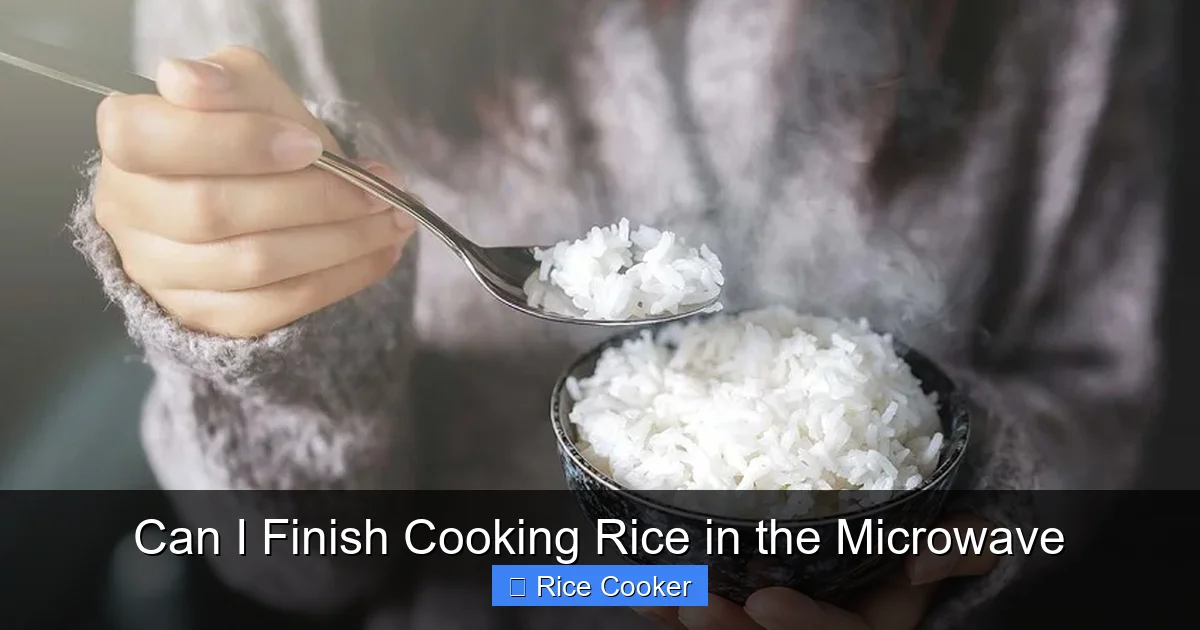
Can I finish cooking rice in the microwave? Absolutely—yes, you can! Whether you’re using leftover partially cooked rice or starting from uncooked grains, the microwave offers a quick and convenient way to complete the cooking process. With the right technique, water ratio, and timing, you’ll end up with perfectly fluffy rice that’s ready to serve. This method is ideal for small batches, last-minute meals, or when your rice cooker isn’t available.
Key Takeaways
- Yes, you can finish cooking rice in the microwave: It’s possible with the right technique, especially if you have partially cooked rice or want to speed up the process.
- Use proper water ratios: Too much or too little water affects texture; aim for about 1:1.5 (rice to water) for white rice.
- Covering is essential: Use a lid or microwave-safe plate to trap steam, which helps cook the rice evenly.
- Let it rest after microwaving: Resting allows moisture to distribute evenly and results in fluffier rice.
- Stirring halfway helps: For best results, stir the rice once during cooking to prevent clumping and ensure even heating.
- Different rice types need different settings: Basmati, jasmine, brown rice, and instant varieties each require slightly different approaches.
- Safety first: Always use microwave-safe containers and be cautious of hot steam when removing lids.
📑 Table of Contents
- Can I Finish Cooking Rice in the Microwave?
- Why Choose the Microwave for Cooking Rice?
- How to Properly Finish Cooking Rice in the Microwave
- Common Mistakes to Avoid
- Best Types of Rice for Microwaving
- Tips for Perfect Microwave Rice Every Time
- Microwaving vs. Traditional Methods: Which Is Better?
- Frequently Asked Questions About Microwaving Rice
- Conclusion: Yes, You Can Master Microwave Rice
Can I Finish Cooking Rice in the Microwave?
You might be standing in your kitchen, staring at a pot of rice that’s been sitting on the stove for a while—maybe it’s slightly undercooked, or you just realized you forgot to set a timer. Instead of tossing it out, you wonder: “Can I finish cooking rice in the microwave?” The short answer is absolutely yes. In fact, microwaving rice is a surprisingly effective and efficient method, especially when you’re in a hurry or don’t have a rice cooker handy. Whether you’re dealing with leftover half-cooked rice, starting from raw grains, or simply prefer microwaving for convenience, this method can yield delicious, fluffy results when done correctly.
The microwave works by agitating water molecules, which creates heat. When you add rice and water together, that heat gently cooks the starch inside the grains, transforming them from hard and dry to soft and tender. With the right technique—proper water ratio, adequate cooking time, and careful handling—you can achieve restaurant-quality rice right in your own kitchen. Plus, microwaving reduces the risk of burning or overcooking because the enclosed environment allows for more controlled heating.
Why Choose the Microwave for Cooking Rice?
If you’re new to microwaving rice, you might be wondering why anyone would choose this method over a stovetop or rice cooker. There are actually several compelling reasons, especially for home cooks who value speed, simplicity, and minimal cleanup.
Visual guide about Can I Finish Cooking Rice in the Microwave
Image source: i.ytimg.com
Speed and Convenience
One of the biggest advantages of using the microwave is how fast it works. While traditional stovetop rice usually takes 15–20 minutes, microwaved rice can be done in as little as 8–12 minutes. That’s perfect for busy weeknights when dinner needs to be on the table quickly. You don’t need to monitor it constantly like you do on the stove, and there’s no risk of scorching because the water boils away before it can burn.
Minimal Cleanup
Microwaving requires only one bowl or container—no pots, pans, or utensils beyond what you start with. After cooking, you simply transfer the rice to a serving dish and wash the single bowl. Compare that to stovetop methods where you have to clean multiple surfaces and scrub off starchy residue. For small portions or solo meals, this makes the microwave a real winner.
Energy Efficiency
Microwaves use less electricity than ovens or stovetops, making them an energy-efficient option—especially when cooking small amounts of food like rice. If you’re only making enough rice for one person, microwaving is often the most practical choice.
Perfect for Leftovers and Partially Cooked Rice
Have a pot of rice that’s still a bit firm? No problem. You can always finish it in the microwave. Simply add a splash of water, cover it, and heat in short bursts until tender. This method is also great for reheating cooked rice—just add a teaspoon of water per cup to keep it moist.
How to Properly Finish Cooking Rice in the Microwave
Now that we’ve established that yes, you can finish cooking rice in the microwave, let’s walk through the step-by-step process to ensure success every time.
Gather Your Supplies
Before you begin, make sure you have these essentials:
- A microwave-safe bowl or container (with a vented lid or covered with a microwave-safe plate)
- Rice (uncooked or partially cooked)
- Water (or broth for extra flavor)
- A fork or spoon for stirring
- Tongs or oven mitts (for safety)
Step 1: Measure the Rice and Water
The key to perfect rice is the right ratio. For white rice, use about 1 cup of uncooked rice to 1.5 cups of water. For brown rice, increase the water slightly—try 1 cup rice to 2 cups water. If you’re finishing already-cooked rice, add just ¼ to ½ cup of water depending on how dry or firm it is.
Step 2: Combine and Cover
Pour the rice and water into your microwave-safe bowl. Stir briefly to combine, then cover the bowl tightly with a lid or a plate. Make sure there’s some ventilation (you can lift the edge slightly) so steam doesn’t build up too much and cause spills.
Step 3: Microwave in Intervals
This is where timing becomes critical. Start with 6–8 minutes on high. After the first interval, carefully remove the cover (watch out for steam!) and fluff the rice with a fork. Give it a gentle stir to redistribute moisture and prevent clumping. Then return it to the microwave and continue cooking in 2-minute intervals until the rice reaches your desired tenderness.
Step 4: Let It Rest
Once the rice looks done (no visible water and grains feel soft), turn off the microwave but leave the rice inside with the cover on. Let it sit for 5–10 minutes. This resting period allows the steam to finish softening any remaining grains and ensures even texture throughout.
Step 5: Fluff and Serve
After resting, take the cover off and fluff the rice gently with a fork. Avoid over-stirring—this helps maintain individual grain structure and prevents mushiness. Now it’s ready to serve!
Common Mistakes to Avoid
Even experienced cooks sometimes run into issues when microwaving rice. Here are some frequent pitfalls and how to avoid them.
Using the Wrong Container
Never use metal or non-microwave-safe plastics. They can melt, warp, or release harmful chemicals. Stick to glass, ceramic, or labeled microwave-safe bowls.
Skipping the Resting Period
Rushing through the resting phase leads to unevenly cooked rice—some parts may be dry while others stay gummy. Patience pays off!
Not Stirring Midway
If you skip the stir halfway through, you risk cold spots and uneven cooking. A quick mix ensures all grains absorb moisture equally.
Overfilling the Bowl
Cooking too much rice at once can lead to overcrowding, which affects steam circulation and cooking quality. Stick to small batches (1–2 cups max).
Ignoring Rice Type Differences
Different rice varieties have unique properties. Jasmine rice tends to be stickier, while basmati stays fluffier. Adjust water and time accordingly.
Best Types of Rice for Microwaving
Not all rice is created equal when it comes to microwave cooking. Some work better than others due to their starch content, grain length, and absorption rates.
White Rice (Long-Grain)
This is the most common type used in microwaving. Varieties like American long-grain or Indian basmati respond well to the method. They become light, fluffy, and separate easily when prepared correctly.
Jasmine Rice
Popular in Southeast Asian cuisine, jasmine rice has a slightly sticky texture. It needs a bit more water and longer cooking time, but the result is fragrant and tender.
Brown Rice
Higher in fiber and nutrients, brown rice takes longer to cook. Because its bran layer absorbs water slowly, it often benefits from a slightly higher water ratio and extended microwaving intervals.
Instant Rice
If you’re using instant rice (like Minute Rice), follow package instructions closely. These are pre-cooked and just need reheating, so they require less time and water.
Parboiled Rice
This partially precooked rice cooks faster and holds its shape well. It’s a good middle ground between white and brown rice in terms of texture and cooking time.
Tips for Perfect Microwave Rice Every Time
Want consistently excellent results? Try these pro tips.
Pre-Rinse Your Rice
Rinsing removes excess starch, which can make rice gummy. Just place the rice in a fine-mesh strainer and rinse under cool water until the water runs clear.
Add Flavor Enhancers
Instead of plain water, try using chicken or vegetable broth. You can also toss in a bay leaf, garlic clove, or a pinch of salt for extra flavor.
Use a Plate as a Lid
If you don’t have a vented lid, a microwave-safe plate works well. Just make sure it covers the bowl completely to trap steam.
Test for Doneness Early
Don’t wait until the full recommended time before checking. Taste a grain early to see if it’s done—then adjust future batches based on your preference.
Store Leftovers Properly
Cool cooked rice within two hours and store it in an airtight container in the refrigerator for up toasterisk refrigerator for up to 5 days. Reheat with a splash of water in the microwave until warm.
Avoid Overcrowding
Microwave energy distributes unevenly. Cook no more than 2 cups of uncooked rice at once for best results.
Microwaving vs. Traditional Methods: Which Is Better?
So, should you use the microwave or stick to your trusty rice cooker or stovetop? Each method has pros and cons depending on your priorities.
Microwave Pros:
- Fastest method for small portions
- Minimal cleanup
- No constant monitoring needed
- Great for finishing partially cooked rice
Microwave Cons:
- Less consistent for large batches
- Harder to control exact texture
- Might not work as well for very delicate rice types
Rice Cooker Pros:
- Automated timing and temperature control
- Consistent results every time
- Hands-off cooking
Stovetop Pros:
- Full control over heat levels
- Better suited for large quantities
- Traditional method preferred by many chefs
In general, the microwave shines for convenience and speed, while rice cookers offer reliability. But for finishing rice or making small servings, the microwave is a fantastic option.
Frequently Asked Questions About Microwaving Rice
Still have questions? We’ve got answers.
Can I microwave uncooked rice without a rice cooker?
Yes, absolutely. Many people microwave uncooked rice successfully by following the right water ratio and cooking intervals. Just remember to stir halfway and let it rest afterward.
How much water do I use per cup of rice in the microwave?
For white rice, use about 1.5 cups of water per cup of rice. Brown rice needs slightly more—around 2 cups per cup of rice.
Is it safe to reheat cooked rice in the microwave?
Yes, but only if the rice was stored properly (refrigerated within 2 hours). Add a teaspoon of water per cup to prevent drying out, and heat in short bursts.
Why is my microwave rice still hard after cooking?
It could be undercooked or the water ratio was too low. Try adding a bit more water next time and extend cooking time in 1-minute increments.
Can I add spices or seasoning while microwaving rice?
Absolutely. Toss in a bay leaf, onion slice, or garlic clove for added flavor. Just remove them before serving.
Will microwaved rice taste as good as rice cooker rice?
It depends on personal preference and rice type. Some find microwaved rice just as tasty, especially when done carefully. Others prefer the automation of a rice cooker. Both can be excellent!
Conclusion: Yes, You Can Master Microwave Rice
So, back to your original question: Can I finish cooking rice in the microwave? The answer is a confident yes. With a few simple steps—proper water measurement, covered cooking, occasional stirring, and a short rest—you can produce perfectly fluffy, delicious rice every time. Whether you’re working with raw grains, partially cooked leftovers, or just need a quick meal fix, the microwave is a powerful tool in your culinary arsenal.
Don’t be afraid to experiment with different rice types, flavors, and timings. Once you get the hang of it, microwaving rice becomes second nature. And who knows? You might discover it’s your go-to method for everyday meals. So go ahead—grab that bowl, add your rice and water, and let the microwave do its magic. Your taste buds will thank you.
Frequently Asked Questions
Can I microwave uncooked rice without a rice cooker?
Yes, you can safely microwave uncooked rice without a rice cooker. Use a microwave-safe bowl with the correct water ratio (about 1.5 cups water per cup of rice), cover it, and cook in intervals while stirring halfway. Allow it to rest afterward for best results.
How much water do I use per cup of rice in the microwave?
For most types of white rice, use 1.5 cups of water per cup of uncooked rice. Brown rice requires more water—about 2 cups per cup of rice. Adjust slightly based on your preferred texture.
Is it safe to reheat cooked rice in the microwave?
Yes, it’s safe to reheat cooked rice in the microwave, provided it was cooled and refrigerated within 2 hours of cooking. Add a teaspoon of water per cup to prevent drying, cover it, and heat in short bursts until warmed through.
Why is my microwave rice still hard after cooking?
If your rice remains hard, it may be undercooked or the water ratio was insufficient. Try increasing the water slightly and extending cooking time in 1-minute intervals. Also, ensure you’re using fresh rice and not overcrowding the bowl.
Can I add spices or seasoning while microwaving rice?
Absolutely. You can add herbs, spices, or aromatics like bay leaves, garlic cloves, or onion slices during cooking for extra flavor. Remove them before serving to avoid unwanted textures.
Will microwaved rice taste as good as rice cooker rice?
Many people find microwaved rice tastes just as good when prepared correctly. While rice cookers offer automation and consistency, the microwave delivers convenience and speed—both methods can yield excellent results depending on your needs.