
Can you feed cooked rice to birds? The short answer is yes—but with important caveats. While plain, cooled cooked rice is safe and even nutritious for many bird species, adding salt, spices, or fats makes it harmful. This guide explains everything you need to know about feeding rice to wild birds, including preparation tips, nutritional value, and expert recommendations.
Have you ever wondered if the leftover rice from your rice cooker can go to more than just your plate? Maybe you’ve seen birds pecking at fallen grains on the ground and thought, “Could I feed them some of my cooked rice?” It’s a common question among bird enthusiasts, especially those who love using their rice cooker for perfect, fluffy grains every time.
But before you scoop out that bowl of perfectly steamed white rice, let’s dig into the facts. Can birds eat cooked rice? And more importantly—should they?
In this article, we’ll explore everything you need to know about feeding cooked rice to birds, from safety concerns and nutritional benefits to practical tips for doing it right. Whether you’re a backyard birder, a rice cooker fanatic, or just curious about wildlife-friendly snacks, you’re in the right place.
So grab a cup of tea, settle in, and let’s uncover the truth behind this humble grain and our feathered friends.
Key Takeaways
- Safety First: Only offer plain, cooled cooked rice—never seasoned, fried, or salty rice.
- Nutritional Value: Rice provides carbohydrates and some protein, but should not be a primary food source.
- Birds That Eat Rice: Many backyard birds, including sparrows, doves, and pigeons, enjoy rice.
- Portion Control: Offer small amounts as occasional treats—not daily meals.
- Avoid Contamination: Use clean containers and avoid moldy or spoiled rice.
- Seasonal Feeding: Consider offering rice during winter months when natural food is scarce.
- Use Your Rice Cooker Wisely: Cook only what you plan to share; leftover rice can be refrigerated safely for bird feeding.
📑 Table of Contents
- Is Cooked Rice Safe for Birds?
- Which Birds Eat Cooked Rice?
- Nutritional Benefits of Rice for Birds
- Practical Tips for Feeding Rice to Birds
- Risks and Mistakes to Avoid
- Using Your Rice Cooker for Bird Food
- Alternatives to Rice for Bird Feeding
- Conclusion: Yes, But Do It Smartly
Is Cooked Rice Safe for Birds?
The good news is: yes, cooked rice is generally safe for most birds—especially when it’s plain and properly prepared. Unlike raw rice, which can expand in a bird’s stomach (a concern often exaggerated), cooked rice is soft, easy to digest, and poses no such risk.
However, not all rice is created equal. The moment you add butter, salt, garlic, or any seasoning, you’ve turned a bird-friendly snack into a potentially dangerous meal. Salt, in particular, is toxic to birds and can lead to dehydration or kidney damage. So always stick to unseasoned, plain rice.
Also, never feed birds leftover rice from fast-food meals or restaurants. These often contain excessive sodium, oils, and preservatives that are harmful to avian health.
When cooked correctly and served without additives, rice can be a gentle, carbohydrate-rich treat—perfect for providing quick energy.
The Myth About Raw Rice Expanding in Birds
You might have heard that raw rice can “explode” inside a bird’s stomach, causing blockages or even death. This myth has been circulating for years, but science doesn’t fully support it.
While it’s true that raw rice absorbs water and swells, the same thing happens in human digestion. Birds have fast metabolisms and efficient digestive systems designed to handle a variety of foods. Unless a bird swallows a massive quantity of uncooked rice whole (which is unlikely), there’s little risk of swelling or blockage.
That said, cooking rice makes it safer and easier to digest. So while raw rice isn’t necessarily deadly, cooked rice is the clear winner for bird feeding.
Which Birds Eat Cooked Rice?
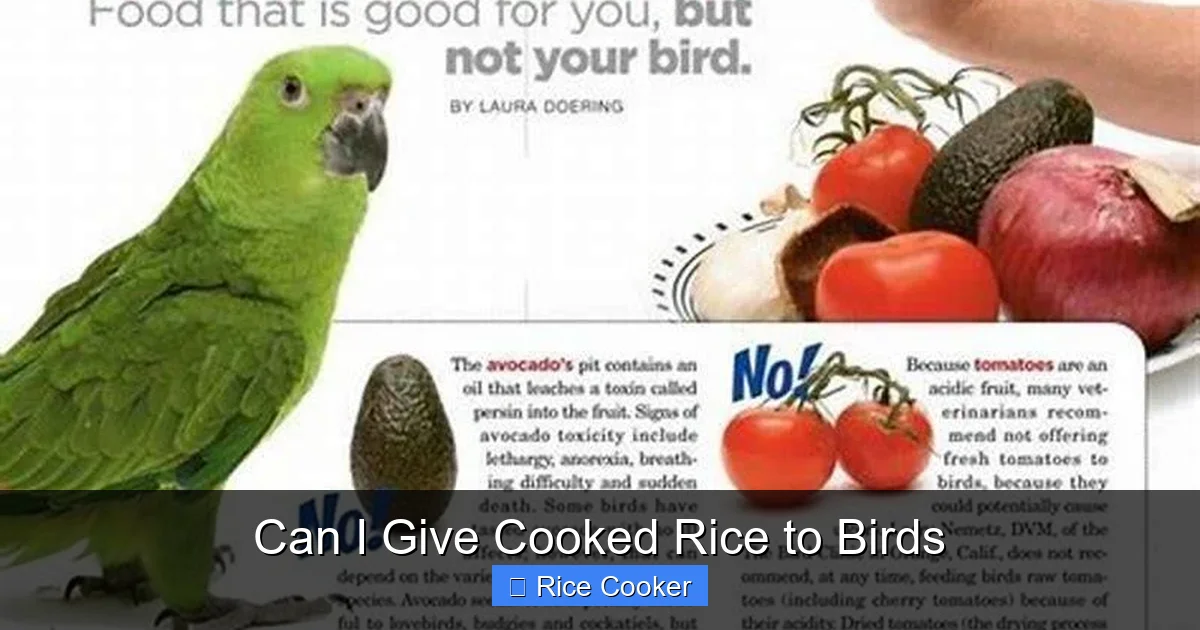
Visual guide about Can I Give Cooked Rice to Birds
Image source: diyseattle.com
Many common backyard birds enjoy eating cooked rice. In fact, rice is often used in bird feeders and is a staple in certain regions where wild birds rely on cultivated grains.
Here are some of the most likely candidates:
- Doves and Pigeons: These birds naturally forage for grains like rice, wheat, and barley. They’ll eagerly eat plain cooked rice.
- Finches and Sparrows: Small seed-eating birds may nibble on rice, especially when mixed with other seeds.
- Thrushes and Robins: These insect-loving birds sometimes eat grains during fall and winter when insects are scarce.
- Mourning Doves: Often spotted in parks and gardens, they’ll take rice from bird tables.
Keep in mind that not all birds eat the same diet. While doves thrive on grains, insectivores like warblers prefer live insects. Still, offering plain rice won’t harm them—it just might go uneaten.
Best Ways to Serve Rice to Birds
How you present the rice matters. Birds are creatures of habit and instinct, so presentation can influence how much they eat.
- Cool It First: Always let rice cool completely before placing it near birds. Hot rice could burn their delicate beaks or crop.
- Use a Bird Feeder: A simple tray feeder or platform feeder works well. You can also scatter rice on the ground, but be mindful of predators like cats.
- Mix with Seeds (Optional): If you want to encourage a wider variety of birds, mix rice with millet or cracked corn. Just don’t overdo it—rice should be a small part of the mix.
- Fresh Is Best: Avoid serving rice that’s been sitting out for more than a few hours. Bacteria grow quickly in warm environments.
Pro tip: If you’re using a rice cooker, cook just enough rice for one or two feedings. Leftover rice can be stored in the fridge for up to 4–5 days and reheated gently before serving.
Nutritional Benefits of Rice for Birds
Rice isn’t just empty calories—it provides real nutritional value that supports bird health. Here’s what’s in it:
- Carbohydrates: Rice is rich in starch, which gives birds quick energy. This is especially helpful during cold weather or migration.
- Protein: Brown rice contains slightly more protein than white rice, which supports muscle development and feather growth.
- Minerals: Trace amounts of magnesium, phosphorus, and B vitamins are present, aiding metabolism and nerve function.
However, rice should never replace a balanced diet. Most wild birds require a mix of seeds, fruits, insects, and greens. Think of rice as a special treat—like a dessert, not a main course.
White vs. Brown Rice: Which Is Better?
Both types are safe for birds, but brown rice offers more nutrients. Its outer layer (the bran) contains fiber, antioxidants, and essential fatty acids. White rice, while easier to digest, loses some of these benefits during processing.
If you’re using a rice cooker, choose whichever type you prefer—just make sure it’s unsalted and unseasoned.
Practical Tips for Feeding Rice to Birds
Feeding birds shouldn’t be complicated. With a few simple steps, you can turn your rice cooker leftovers into a wildlife-friendly snack.
1. Cook the Right Amount
Overcooking rice wastes food and reduces its appeal to birds. Aim for fluffy, separate grains—not mushy or clumpy. Most rice cookers have a “keep warm” setting, but resist using it for long periods. Birds prefer fresh food.
2. Store Properly
Refrigerate leftover rice within two hours of cooking. Store it in an airtight container for up to five days. When ready to serve, reheat gently on the stove or in the microwave (add a splash of water to prevent drying).
3. Keep It Clean
Use clean bowls or trays to avoid spreading bacteria. Wash hands and utensils after handling rice meant for birds. This also prevents attracting pests like ants or rodents.
4. Observe Your Feathered Guests
Watch how birds respond. If they ignore the rice or seem hesitant, try mixing it with something they normally eat. Also, note any changes in behavior—lethargy or difficulty flying could signal illness.
5. Seasonal Considerations
Rice is especially useful in winter when natural food sources dwindle. During spring and summer, focus on live insects and fresh fruit. But a small amount of rice won’t hurt—and might help bridge the gap during tough seasons.
Risks and Mistakes to Avoid
Even though cooked rice is safe, there are common pitfalls to watch out for.
Salt and Spices Are Toxic
This is the #1 mistake people make. Never add salt, pepper, herbs, or oils to rice for birds. Even a pinch of salt can be fatal. Restaurant-style fried rice, garlic rice, or sushi rice are off-limits.
Moldy Rice Can Make Birds Sick
Discard any rice that smells sour, looks slimy, or has visible mold. Birds are sensitive to toxins produced by mold, which can cause liver damage or death.
Overfeeding Leads to Poor Nutrition
While rice is fine as an occasional treat, feeding it daily can displace more nutritious foods. Birds need variety to stay healthy.
Attracting Unwanted Visitors
Too much rice on the ground can attract rats, raccoons, or pigeons in large numbers. These animals may disrupt local ecosystems or become aggressive around feeders.
Using Your Rice Cooker for Bird Food
If you love your rice cooker, you’re in luck—it’s a great tool for preparing safe, consistent bird food.
Set It and Forget It
Most modern rice cookers have preset timers and keep-warm functions. Use these to cook rice ahead of time, then store it properly.
Experiment with Grains
Try quinoa, oats, or barley alongside rice. These grains offer different textures and nutrients. Just ensure they’re plain and cooled.
Clean Regularly
After each use, wipe down your rice cooker. Residue can develop a film that attracts mold or bacteria—bad news for both you and the birds.
Share the Love
If you have extra rice, consider donating to local animal shelters or wildlife rehab centers. Many accept small portions of plain cooked grains for rescued birds.
Alternatives to Rice for Bird Feeding
While rice is a solid choice, it’s not the only option. Here are some alternatives:
- Cracked Corn: Popular with ground-feeding birds like doves and turkeys.
- Oats and Barley: Nutritious and easy to digest.
- Sunflower Seeds: High in fat and protein—great for winter feeding.
- Dried Fruit (Unsweetened): Raisins or cranberries can be offered occasionally.
- Boiled Eggs: A fantastic protein boost for insect-loving birds.
Remember: variety keeps birds healthy and your feeders interesting!
Conclusion: Yes, But Do It Smartly
So, can you give cooked rice to birds? Absolutely—but only if you do it responsibly. Plain, cooled, unseasoned rice is safe, nutritious, and enjoyed by many wild birds. It’s a great way to repurpose leftovers from your rice cooker and support local wildlife.
Just remember: less is more. Treat rice as an occasional snack, not a staple. Avoid salt, mold, and overfeeding. And always prioritize cleanliness and observation.
By following these guidelines, you’ll be a thoughtful, informed bird feeder—helping create a healthier, happier environment for our feathered friends.
Whether you’re using a high-end smart rice cooker or a simple basic model, your efforts make a difference. Every grain counts.
Frequently Asked Questions
Can baby birds eat cooked rice?
No, baby birds (nestlings) have very specific dietary needs and cannot digest cooked rice. Their parents feed them regurgitated insects or specialized formulas. Always leave nestling care to trained professionals.
How long can cooked rice sit outside for birds?
It’s best to serve rice within 2–3 hours of cooling. After that, bacteria and mold can grow rapidly, especially in warm weather. Discard any uneaten rice left out overnight.
Can I mix rice with birdseed?
Yes! Mixing rice with millet, sunflower seeds, or cracked corn creates a diverse feeding station. Just keep rice as a small portion of the blend—about 10–20% is ideal.
Will rice attract pests to my yard?
Yes, if you scatter too much rice on the ground, it can attract rodents, insects, or invasive bird species like pigeons. Use feeders wisely and clean up spills promptly.
Is brown rice better than white rice for birds?
Brown rice has more fiber, protein, and nutrients due to its intact bran layer. However, white rice is easier to digest. Either is safe—choose based on availability and preference.
Can I freeze rice for later bird feeding?
Yes, you can freeze cooked rice in portions for up to 3 months. Thaw in the fridge overnight before serving. Avoid refreezing multiple times to maintain quality.