
Can I freeze and reheat cooked rice? Absolutely! Freezing cooked rice is a smart way to reduce waste and save time. With proper storage and careful reheating, your rice stays safe, fluffy, and delicious—whether you’re meal prepping or saving leftovers. For more tips, see our guide on keeping cooked rice in the freezer.
Have you ever had perfectly cooked rice that went uneaten, only to be tossed in the trash? Or maybe you’ve looked at a half-empty container of rice and wondered, “What now?” You’re not alone. Leftover rice is one of the most common kitchen regrets—but what if we told you it doesn’t have to be?
The truth is, cooked rice can absolutely be frozen and reheated safely, as long as you follow a few simple steps. In fact, freezing is one of the best ways to extend the life of cooked rice without sacrificing quality. Whether you’re meal prepping for the week, cooking in bulk, or simply trying to reduce food waste, mastering the art of freezing and reheating rice can save you time, money, and stress.
But before you toss that bowl of yesterday’s dinner into the freezer, there are important details to consider. From choosing the right storage method to knowing how to revive dry, frozen rice, this guide walks you through everything you need to know. So grab your favorite rice cooker, because we’re about to turn you into a rice-saving pro.
—
Key Takeaways
- Freezing cooked rice preserves flavor and texture: When stored correctly, rice keeps well in the freezer for up to 6 months.
- Proper portioning prevents waste: Divide rice into smaller portions before freezing to avoid thawing more than needed.
- Use airtight containers or freezer bags: This helps prevent freezer burn and keeps moisture locked in.
- Reheat thoroughly to kill bacteria: Always bring rice to a rolling boil when reheating to ensure food safety.
- Moisture control is key: Add a splash of water or broth when reheating to revive dry, stiff grains.
- Label and date your containers: This makes it easy to track how long the rice has been stored.
- Different rice types behave differently: Stickier varieties like sushi rice may not freeze as well as firmer jasmine or basmati.
📑 Table of Contents
- Why Freeze Cooked Rice?
- Best Practices for Freezing Cooked Rice
- How Long Can You Store Frozen Rice?
- Thawing Frozen Rice Safely
- How to Reheat Frozen Rice Perfectly
- Tips for Maintaining Rice Quality When Freezing & Reheating
- Types of Rice and Their Freezing Behavior
- Common Mistakes to Avoid
- Creative Ways to Use Frozen Rice
- Final Thoughts: Is Freezing Worth It?
Why Freeze Cooked Rice?
Freezing cooked rice isn’t just about convenience—it’s about sustainability. According to the USDA, nearly one-third of all food produced in the U.S. ends up in landfills. That includes perfectly good rice. By freezing leftovers, you’re doing your part to reduce waste and make your meals last longer.
But beyond environmental benefits, freezing offers practical advantages:
- Extended shelf life: Freshly cooked rice lasts about 3–4 days in the fridge. Frozen, it can stay edible for up to 6 months.
- Portion control: Freeze individual servings so you only thaw what you need.
- Time savings: Having pre-cooked rice ready means faster meals later.
- Preserved nutrition: When frozen properly, rice retains most of its vitamins and minerals.
Still not convinced? Let’s talk about what happens when rice goes bad—and why freezing stops that process cold.
How Freezing Slows Spoilage
When rice is cooked, starches begin to break down, and moisture becomes available for bacteria like *Bacillus cereus* to grow. This is why rice should always be cooled quickly and refrigerated within two hours.
Freezing halts bacterial growth entirely. The cold temperature essentially puts the rice in stasis—no microbes can multiply below 40°F (4°C). As long as the rice is sealed properly and kept consistently frozen, it remains safe to eat.
That said, texture and flavor can change slightly over time. We’ll cover how to minimize those effects shortly.
—
Best Practices for Freezing Cooked Rice
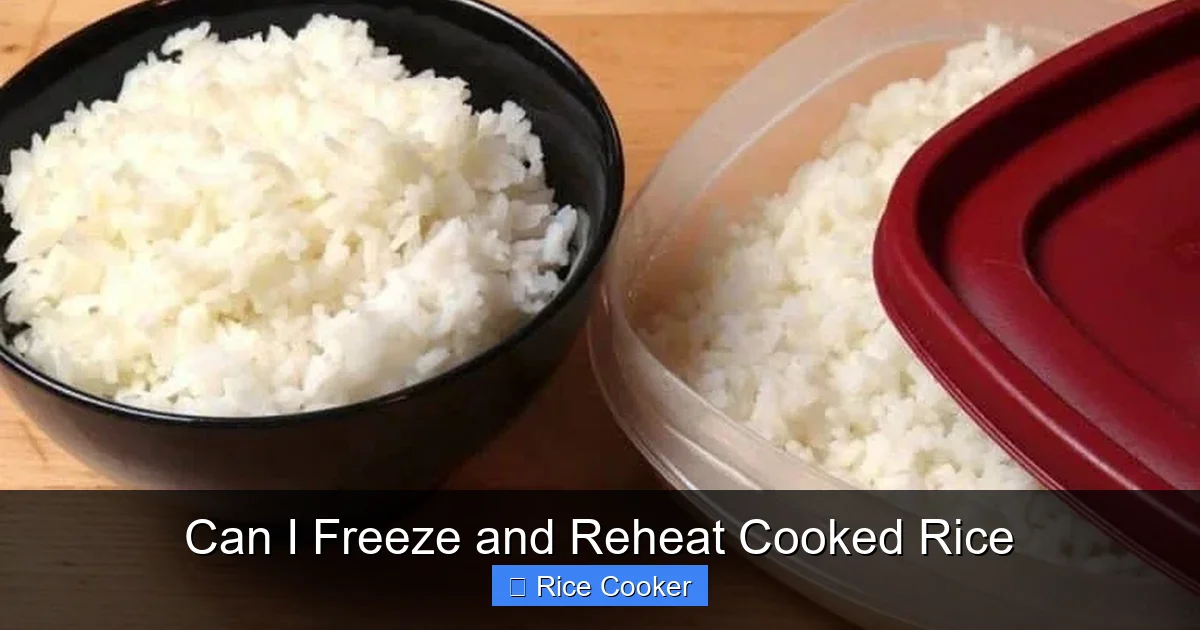
Visual guide about Can I Freeze and Reheat Cooked Rice
Image source: diyjoy.com
Not all freezing methods are created equal. To get the best results, follow these step-by-step guidelines.
1. Cool the Rice Quickly
Never put hot rice straight into the freezer. Doing so can raise the internal temperature of your appliance and create condensation, which leads to ice crystals and mushy rice upon thawing.
Instead, spread the rice out on a baking sheet or shallow dish and let it cool at room temperature for 30–60 minutes. This speeds up the cooling process and reduces the risk of bacterial growth during the window between cooking and refrigeration.
2. Portion It Smartly
Think of your freezer like a pantry—you want to access items easily. Divide your cooled rice into manageable portions: single servings (about ½ cup) or meal-sized amounts (¾ to 1 cup). Use freezer-safe containers or zip-top bags labeled with the date.
Pro tip: Place portions in a single layer on a tray before freezing. Once solid, transfer them to a bag or container. This prevents large chunks from sticking together and makes scooping easier later.
3. Choose the Right Container
Opt for airtight containers or heavy-duty freezer bags. Glass jars work too, but leave a little headspace since liquids expand when frozen.
Avoid regular plastic wrap or open containers—they won’t hold up and can lead to freezer burn.
4. Label and Date Everything
Mistakenly eating 8-month-old frozen rice isn’t ideal. Write the contents and date on each container using a permanent marker or label maker.
Most experts recommend using frozen rice within 6 months for optimal quality, though it remains safe beyond that if kept frozen continuously.
—
How Long Can You Store Frozen Rice?
Here’s a quick reference table for rice storage:
| Storage Method | Max Duration | Notes |
|—————-|————–|——-|
| Refrigerator | 3–4 days | Keep covered |
| Freezer | Up to 6 months | Best quality within 3 months |
After 6 months, while technically still safe, the rice may develop off-flavors or become overly dry. When in doubt, smell it—if it smells sour or unusual, discard it. For more information on freezer storage, see our guide on keeping cooked rice in the freezer.
—
Thawing Frozen Rice Safely
Thawing is the bridge between frozen safety and reheating readiness. Here’s how to do it without compromising texture or safety.
Refrigerator Thawing (Recommended)
Place the frozen rice container in the fridge overnight or for about 12–24 hours. This slow thawing method preserves texture and reduces the risk of bacterial growth.
Quick Thawing in Cold Water
If you’re short on time, submerge the sealed bag in cold water for 15–30 minutes, changing the water every 5–10 minutes. Never use warm or hot water—it can encourage bacteria growth.
Avoid Microwave Thawing
While convenient, microwaving rice directly from frozen often leads to uneven heating. Some parts may become soggy while others remain icy. Save the microwave for reheating, not thawing.
—
How to Reheat Frozen Rice Perfectly
This is where many people go wrong. Simply nuking frozen rice results in rubbery, uneven bites. Instead, follow these tried-and-true methods.
Stovetop Reheating (Best for Texture)
1. Transfer thawed rice to a saucepan.
2. Add a splash of water, broth, or oil to prevent drying.
3. Heat over medium-low, stirring frequently.
4. Bring to a gentle simmer until heated through—about 3–5 minutes.
5. Taste and adjust seasoning if needed.
This method restores fluffiness better than any other.
Microwave Reheating (Fast & Easy)
For single servings:
1. Place rice in a microwave-safe dish.
2. Drizzle with water or cover with damp paper towel.
3. Microwave on high in 30-second intervals, stirring between each, until hot throughout.
Be sure to check for hot spots—rice heats unevenly in microwaves.
Oven Reheating (For Large Batches)
Preheat oven to 350°F (175°C). Spread rice on a baking sheet, add a bit of liquid, cover with foil, and warm for 15–20 minutes. Remove foil for the last 5 minutes to crisp edges slightly.
—
Tips for Maintaining Rice Quality When Freezing & Reheating
Even with perfect technique, rice can lose some charm over time. These expert tips help keep it tasting fresh.
- Don’t freeze rice with sauces: Wet sauces can make rice slimy when thawed. Freeze plain rice and add sauces fresh.
- Use freshly cooked rice: Avoid freezing rice that’s already gone stale or slightly off.
- Add salt back when reheating: Salt dissipates during cooking and freezing. A pinch can brighten flavor.
- Fluff with a fork: After reheating, gently fluff with a fork to restore separation.
- Store rice separately from strong-smelling foods: Rice absorbs odors easily.
—
Types of Rice and Their Freezing Behavior
Not all rice is created equal when it comes to freezing. Here’s how common varieties compare:
Basmati & Jasmine Rice
These long-grain varieties hold their shape well when frozen and reheated. They’re great candidates for freezing.
Japonica (Short-Grain) Rice
Common in sushi and risotto, short-grain rice tends to become sticky when frozen. While safe, it may turn mushy upon reheating. Use for casseroles or stir-fries instead of steamed dishes.
Brown Rice
Nutrient-dense but higher in fat, which can go rancid over time. Freeze in small batches and consume within 3 months for best quality.
Coconut Milk-Roasted Rice
Avoid freezing rice cooked with dairy or coconut milk—it separates and ruins texture.
—
Common Mistakes to Avoid
Even experienced cooks make these errors:
- Freezing rice in large blocks: Makes portioning difficult and increases thaw time.
- Skipping the cooling step: Raises freezer temperature and risks spoilage.
- Using thin plastic bags: They tear easily and allow air in.
- Reheating without adding moisture: Leads to dry, crumbly rice.
- Eating rice that’s been at room temp >2 hours: Increases risk of food poisoning.
—
Creative Ways to Use Frozen Rice
Don’t let frozen rice sit in your freezer forever. Get creative:
- Meal prep bowls: Thaw, heat, and serve with vegetables, protein, and sauce.
- Fried rice: Sauté frozen rice with eggs, soy sauce, and veggies for a quick dinner.
- Rice salads: Mix cooled thawed rice with herbs, beans, and vinaigrette.
- Stuff peppers or tomatoes: Use as a base for savory fillings.
- Breadcrumbs: Dry leftover rice, pulse in a blender, and use as gluten-free breading.
—
Final Thoughts: Is Freezing Worth It?
Absolutely. Freezing cooked rice is a game-changer for busy households, meal preppers, and eco-conscious cooks alike. It’s safe, practical, and surprisingly effective when done right.
Just remember: quality drops after a few months, so plan to use your frozen rice within 3–6 months for the best experience. And always prioritize safety—when in doubt, throw it out.
With a little know-how, your rice cooker becomes more than just a kitchen gadget. It becomes a tool for reducing waste, saving time, and enjoying delicious meals anytime.
So next time you have extra rice, don’t hesitate. Grab that container, pop it in the freezer, and know that tomorrow’s lunch is already taken care of.
—
Frequently Asked Questions
Can I freeze rice immediately after cooking?
No, you should let rice cool to room temperature first. Putting hot rice in the freezer raises the appliance’s internal temperature and can cause condensation, leading to freezer burn or texture loss when reheated.
How do I know if frozen rice is still good?
Check for unusual odors, slimy texture, or mold. If it smells sour or looks discolored, discard it. Otherwise, when properly stored, frozen rice remains safe for up to 6 months.
Does freezing affect the nutritional value of rice?
Minimal impact. Freezing preserves most nutrients, especially when done quickly and stored properly. Just be mindful that long-term storage may slightly reduce vitamin content over time.
Can I freeze rice with sauce?
Not recommended. Sauces—especially creamy or wet ones—can separate and make rice slimy when thawed. Freeze plain rice and add fresh sauce when reheating.
What’s the best way to reheat frozen rice without making it soggy?
Use the stovetop method: add a splash of water or broth, heat slowly while stirring, and bring to a simmer. This restores fluffiness better than microwaving alone.
Is it safe to reheat rice more than once?
Technically yes, but not ideal. Each reheating increases bacterial risk. Only reheat what you plan to eat. Better yet, freeze portions individually so you only thaw once.