
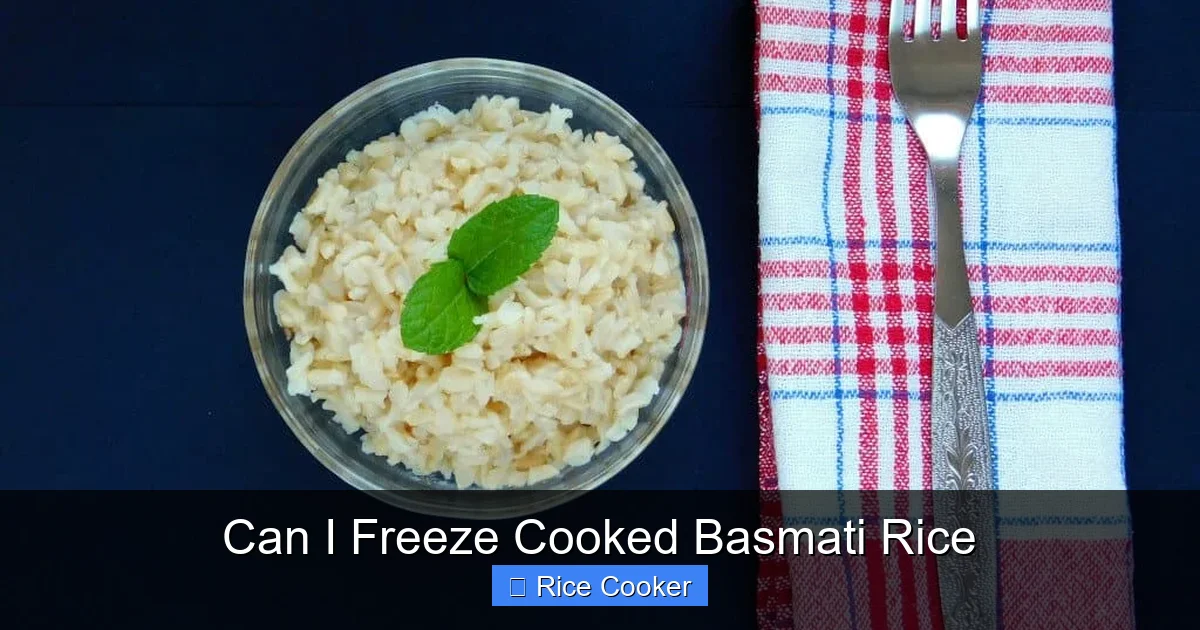
Can I freeze cooked basmati rice? Absolutely — freezing is a smart way to save time and reduce food waste. When stored properly, cooked basmati rice can stay safe and flavorful in the freezer for up to 6 months. This guide walks you through step-by-step instructions, storage tips, and reheating methods to keep your rice delicious every time.
Key Takeaways
- Freezing extends shelf life: Cooked basmati rice can safely remain in the freezer for up to 6 months without losing quality.
- Proper cooling prevents ice crystals: Cool rice quickly in shallow containers to avoid large freezer burn spots.
- Use airtight packaging: Vacuum-sealed bags or tightly wrapped containers prevent moisture loss and contamination.
- Label and date your portions: Always mark containers with the date so you know when they were frozen.
- Reheat thoroughly: Steam your frozen rice before microwaving to restore soft texture and even heat.
- Portion wisely: Freeze rice in small, single-serving sizes for easy thawing and use.
- Quality matters: Only freeze freshly cooked, cooled rice — never leave it at room temperature too long.
📑 Table of Contents
- Can I Freeze Cooked Basmati Rice? Yes — Here’s How (And Why You Should)
- Why Freeze Cooked Basmati Rice?
- How Long Can You Freeze Cooked Basmati Rice?
- Step-by-Step Guide: How to Freeze Cooked Basmati Rice
- Best Containers and Packaging for Freezing Rice
- How to Thaw Frozen Basmati Rice Safely
- How to Reheat Frozen Basmati Rice Without Making It Mushy
- Common Mistakes When Freezing Cooked Rice
- Creative Ways to Use Frozen Basmati Rice
- Does Freezing Affect the Nutritional Value?
- Basmati Rice vs. Other Rice Types: Freezing Tips
- Final Thoughts: Is Freezing Cooked Basmati Rice Worth It?
Can I Freeze Cooked Basmati Rice? Yes — Here’s How (And Why You Should)
Have you ever cooked a big pot of fragrant, fluffy basmati rice only to find yourself staring at a half-empty container days later? Maybe you’re meal prepping for the week and want to save time, or perhaps you just hate wasting good food. If so, you’re not alone. Cooking rice in bulk is common, but what do you do with leftovers? Do you reheat them? Throw them out after a few days?
The answer might surprise you: yes, you can freeze cooked basmati rice — and doing so can actually make your kitchen life easier. Not only does freezing help prevent food waste, but when done correctly, it preserves the delicate texture and aromatic qualities that make basmati rice special. In this complete guide, we’ll walk you through everything you need to know about freezing cooked basmati rice, from preparation to storage to safe reheating — all while keeping your rice as tasty as the first day you made it.
Whether you’re using a traditional stovetop method or a rice cooker, the principles of freezing remain the same. We’ll cover best practices, common mistakes to avoid, and even some creative ways to use your frozen rice later. So grab your rice cooker, and let’s dive in!
Why Freeze Cooked Basmati Rice?
1. Reduce Food Waste
One of the biggest benefits of freezing cooked basmati rice is reducing food waste. According to the USDA, nearly 40% of food in the U.S. goes uneaten each year, and cooked grains are among the most wasted foods. By freezing leftovers, you extend their shelf life significantly. A typical refrigerator keeps rice fresh for only 3–5 days — but in the freezer, that jumps to 6 months or more.
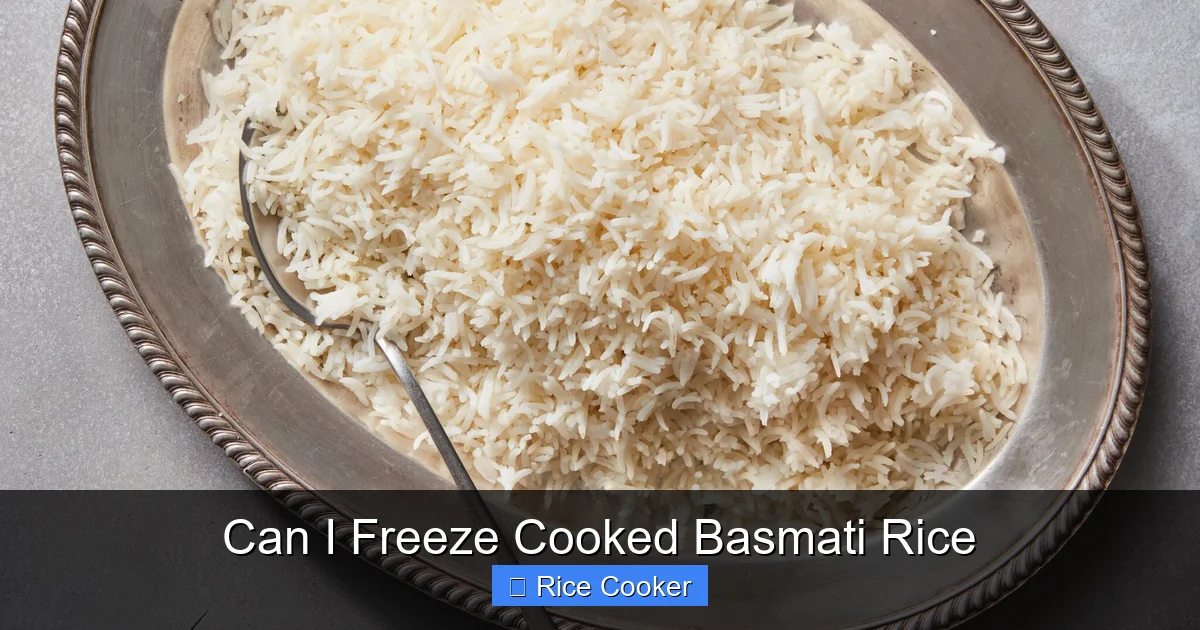
Visual guide about Can I Freeze Cooked Basmati Rice
Image source: static01.nyt.com
This is especially helpful if you’ve cooked a large batch for a family dinner or meal prep. Instead of tossing half the rice because it’s gone cold and dry, you can pop a portion into the freezer and enjoy it later with minimal effort.
2. Save Time and Effort
Meal prepping isn’t just about saving money — it’s also about saving time. If you freeze portions of cooked basmati rice, you can have a ready-made base for countless meals. Think of it as having instant rice on hand for stir-fries, fried rice, rice bowls, or even rice pudding.
Imagine coming home after a long day and realizing you forgot to cook rice for dinner. No problem! Just thaw a portion, steam it slightly, and you’ve got a hot, fresh side dish in minutes. This convenience makes freezing a game-changer for busy households.
3. Preserve Flavor and Texture
When stored properly, frozen basmati rice retains much of its original flavor and texture. The key is avoiding temperature fluctuations and moisture loss. Unlike other grains, basmati rice has long, slender grains that can become brittle if frozen improperly. But with the right technique, you can maintain that signature fluffy, separate-grain quality.
How Long Can You Freeze Cooked Basmati Rice?
If you’re wondering how long your frozen rice will last, the short answer is: up to 6 months. That’s the general rule for most cooked grains, including basmati rice. However, quality starts to decline after about 4 months, so for best results, try to use it within that window.
After 6 months, while the rice may still be safe to eat, it could develop off-flavors or lose moisture. You might notice a slight change in taste or texture — it could become slightly drier or less aromatic. Still, if you’ve followed proper storage steps, it should be fine to consume.
Here’s a quick reference table for clarity:
- Best Quality: 0–4 months
- Acceptable: 4–6 months
- Not Recommended: Beyond 6 months
Always check for signs of spoilage before reheating — such as unusual odors, discoloration, or mold. If anything looks or smells off, discard the rice immediately.
Step-by-Step Guide: How to Freeze Cooked Basmati Rice
Step 1: Let It Cool Properly
This is one of the most important steps. Never put hot rice directly into the freezer. Doing so raises the temperature inside your freezer, which can affect other foods and lead to uneven freezing. More importantly, hot rice creates condensation, which can cause clumping and ice crystals.
Instead, spread the rice in a thin layer on a baking sheet or in a shallow dish. Let it cool to room temperature for about 30–60 minutes. You can also speed up cooling by placing the container in an ice bath (not submerging it, just lowering the bottom of the pan).
Step 2: Portion Into Containers
Divide the cooled rice into manageable portions — ideally single servings or small family portions. This makes it easier to thaw only what you need, preventing repeated freeze-thaw cycles that degrade quality.
Use airtight containers, resealable freezer bags, or vacuum-sealed pouches. Avoid using regular plastic wrap or open containers — air exposure leads to freezer burn.
Step 3: Label and Date
Write the contents and date on each container using a permanent marker or waterproof label. This simple habit helps you track how long the rice has been stored and ensures you use it before it loses optimal quality.
Step 4: Seal and Freeze
Remove as much air as possible from freezer bags before sealing. For containers, press down the lid firmly to minimize air pockets. Place the sealed containers or bags in the freezer, standing upright if using bags to save space.
Store in the coldest part of the freezer — ideally between 0°F and -10°F (-18°C to -23°C) — to maintain freshness.
Best Containers and Packaging for Freezing Rice
Choosing the right storage method makes a big difference in how well your rice holds up over time. Here are the top options:
Freezer Bags (Recommended)
Heavy-duty, quart or gallon-sized freezer bags are excellent for rice. They’re flexible, stackable, and allow you to squeeze out excess air. Lay the bag flat when frozen to save space.
Airtight Plastic Containers
Look for containers labeled “freezer-safe.” Glass containers work too, but they’re heavier and more fragile. Make sure the lids seal tightly.
Vacuum-Sealed Bags
These offer the longest shelf life and best protection against freezer burn. If you freeze rice frequently, investing in a vacuum sealer pays off.
Avoid These:
- Open containers or foil wrapping (not airtight)
- Paper bags or cardboard boxes (absorbs moisture)
- Containers without tight-fitting lids
Remember: the goal is to minimize air contact. The less oxygen around the rice, the better it will preserve.
How to Thaw Frozen Basmati Rice Safely
Thawing is just as important as freezing. Improper thawing can lead to bacterial growth or mushy rice. Follow these safe methods:
Option 1: Refrigerator Thawing (Slow & Safe)
Transfer the frozen rice from the freezer to the refrigerator. Allow 6–12 hours for a standard portion, depending on size. This method is ideal if you plan to use the rice within a day or two.
Option 2: Cold Water Thawing (Faster)
Seal the frozen rice in a leak-proof plastic bag. Submerge it in cold water for 30–60 minutes until fully thawed. Change the water every 30 minutes to keep it cold. Never use warm or hot water — it can encourage bacteria.
Option 3: Microwave Defrost (Quickest)
Use the defrost setting on your microwave, stirring occasionally. This works best for very small portions. Be cautious not to start cooking the rice during defrosting.
Never thaw rice at room temperature — the danger zone for bacterial growth is between 40°F and 140°F (4°C to 60°C). Keep it below 40°F during thawing whenever possible.
How to Reheat Frozen Basmati Rice Without Making It Mushy
Even the best storage can’t always prevent rice from becoming dry or gummy after freezing. The secret to great reheated rice? Steaming.
Method 1: Steaming (Best for Texture)
Place the thawed rice in a steamer basket over boiling water. Cover and steam for 3–5 minutes, or until heated through. Add a splash of water or broth to restore moisture.
Method 2: Microwave with Water
Put the rice in a microwave-safe dish. Add 1–2 tablespoons of water per cup of rice. Cover with a damp paper towel or vented lid. Microwave on high for 1–2 minutes, then stir and heat in 30-second intervals until warm.
Method 3: Pan Reheating
Heat a non-stick skillet over medium-low heat. Add a little oil or butter, then add the rice. Stir frequently and sprinkle in water as needed to prevent sticking. Cook until evenly heated.
Tip: Always fluff the rice with a fork before reheating to break up clumps.
Common Mistakes When Freezing Cooked Rice
Even experienced cooks make these errors. Avoid them to keep your rice in peak condition:
Mistake 1: Freezing Hot Rice
As mentioned earlier, hot rice causes condensation and uneven freezing. Always cool it first.
Mistake 2: Overfilling Containers
Leave ½ inch of headspace in containers to allow expansion during freezing. Otherwise, lids may warp or burst.
Mistake 3: Not Labeling
It’s easy to forget what’s inside a container. Always label with date and contents.
Mistake 4: Thawing at Room Temperature
This invites bacteria. Use fridge, cold water, or microwave methods only.
Mistake 5: Repeated Freeze-Thaw Cycles
Each cycle degrades quality. Only thaw what you plan to use immediately.
Creative Ways to Use Frozen Basmati Rice
Once you’ve mastered freezing, the possibilities expand. Here are some delicious ideas:
1. Fried Rice (Weeknight Winner)
Thaw and steam a cup of rice. Sauté with soy sauce, garlic, vegetables, and scrambled eggs for a fast, satisfying meal.
2. Rice Bowls
Top with grilled chicken, roasted veggies, tahini dressing, and herbs. Instant protein bowl!
3. Pilaf or Biryani
Use as a base for spiced rice dishes. Just add sautéed onions, spices, and cooked meat or vegetables.
4. Rice Pudding
Simmer with milk, sugar, cinnamon, and raisins. Frozen rice absorbs flavors beautifully.
5. Rice Cakes or Patties
Mix with beaten egg, form patties, and pan-fry. Great for breakfast or snacks.
Does Freezing Affect the Nutritional Value?
Short answer: no significant loss. Freezing doesn’t destroy nutrients like vitamins or minerals. In fact, it can help preserve them better than refrigeration, since enzymes that break down nutrients are slowed in cold temperatures.
Cooked basmati rice is primarily carbohydrates, with small amounts of fiber, protein, and trace minerals like magnesium and phosphorus. Freezing maintains these levels well, though prolonged storage (beyond 6 months) may lead to minor nutrient degradation due to oxidation.
To maximize nutrition, pair your rice with colorful vegetables, lean proteins, and healthy fats when reheating.
Basmati Rice vs. Other Rice Types: Freezing Tips
While the basics of freezing apply to all rice types, basmati has unique characteristics worth noting:
Long-Grain Advantage
Basmati’s elongated grains hold shape better during freezing and reheating than short-grain varieties like sushi rice. This means less risk of mushiness.
Less Starchy
Compared to jasmine or glutinous rice, basmati has lower starch content, which helps maintain separation and fluffiness — even after freezing.
Fragrance Preservation
Basmati’s signature aroma can fade if exposed to air. Using airtight packaging helps retain that subtle floral scent.
That said, all rice benefits from proper freezing techniques. Whether you’re using jasmine, brown, or wild rice, follow the same cooling, packaging, and thawing steps.
Final Thoughts: Is Freezing Cooked Basmati Rice Worth It?
Absolutely. Freezing cooked basmati rice is a simple, effective way to cut down on waste, save time, and enjoy perfectly textured rice anytime. With the right tools and techniques, you can preserve its flavor and quality for months.
It’s especially useful for meal preppers, families, and anyone who cooks in batches. And the best part? It’s not complicated. Just remember to cool quickly, package tightly, label clearly, and reheat with care.
Next time you make a pot of basmati rice, think twice before tossing the leftovers. Freeze them instead — and treat yourself to a delicious, hassle-free meal weeks later.
Frequently Asked Questions
Can I freeze cooked basmati rice in the original pot?
No, it’s not recommended. Original pots are usually not airtight and may not fit in the freezer. Transfer the rice to a freezer-safe container instead to prevent contamination and ensure even freezing.
How long does frozen basmati rice last in the freezer?
Up to 6 months. While it remains safe beyond that, quality declines after 4 months. For best taste and texture, use within 4 months.
Can you freeze basmati rice in aluminum foil?
Not ideal. Aluminum foil isn’t airtight and can’t prevent freezer burn. Use plastic containers or freezer bags with secure seals instead.
Do I need to drain liquid before freezing basmati rice?
Only if it’s been cooked with extra water or broth. Excess liquid can create ice crystals. Let the rice drain briefly on a colander before freezing.
Can I freeze rice from a rice cooker?
Yes! Whether you used a rice cooker, stovetop, or microwave, the freezing process is the same. Just make sure it’s cooled and packaged properly.
Is it safe to refreeze thawed basmati rice?
Not recommended. Each freeze-thaw cycle increases the risk of bacterial growth and texture damage. Only thaw what you plan to use immediately.