
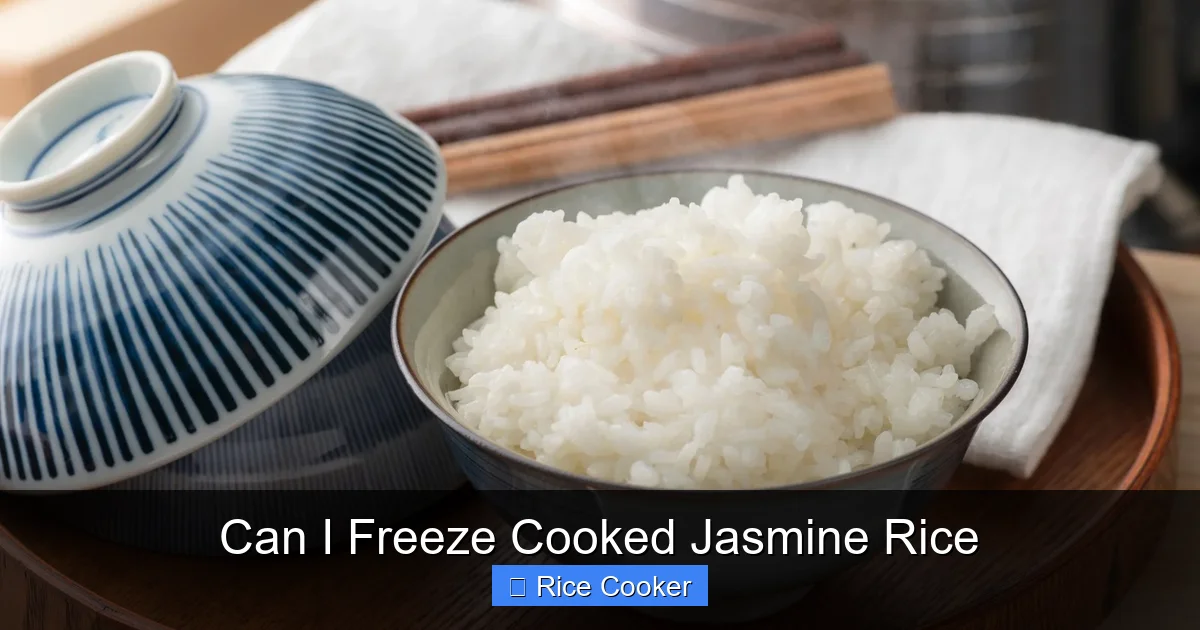
Can I freeze cooked jasmine rice? Absolutely! Freezing cooked jasmine rice is not only possible but also a smart strategy for meal prep and reducing waste. Learn more about keeping cooked rice in the freezer. With the right steps, your frozen rice will stay fresh, flavorful, and easy to reheat when needed.
Key Takeaways
- Freezing extends shelf life: Cooked jasmine rice can be safely stored in the freezer for up to 3 months without losing quality.
- Proper storage prevents freezer burn: Use airtight containers or heavy-duty freezer bags and remove as much air as possible.
- Cooling before freezing is essential: Never put hot rice directly into the freezer; cool it first to prevent bacterial growth and temperature shock.
- Reheating restores texture: Steam or microwave with a splash of water to revive dryness after thawing.
- Labeling saves time: Always date and label your containers so you know how long the rice has been stored.
- Portion control helps: Freeze rice in small, single-serving amounts for quick access later.
- Quality matters: Freshly cooked, high-quality jasmine rice freezes best—avoid overcooked or mushy batches.
📑 Table of Contents
- Can I Freeze Cooked Jasmine Rice? The Ultimate Guide to Safe & Delicious Storage
- Why Freeze Cooked Jasmine Rice?
- Step-by-Step Guide: How to Freeze Cooked Jasmine Rice Properly
- How to Thaw Frozen Jasmine Rice Safely
- How to Reheat Frozen Jasmine Rice Perfectly
- Common Mistakes to Avoid When Freezing Jasmine Rice
- Tips for Best Results Every Time
- Can You Freeze Raw Jasmine Rice?
- Does Freezing Affect Nutrition?
- Creative Ways to Use Frozen Jasmine Rice
- Does Freezing Affect Nutrition?
- Creative Ways to Use Frozen Jasmine Rice
- Final Thoughts: Yes, You Should Freeze Cooked Jasmine Rice!
Can I Freeze Cooked Jasmine Rice? The Ultimate Guide to Safe & Delicious Storage
If you’re like most home cooks, you know that jasmine rice is a kitchen staple. Its delicate floral aroma, slightly sticky texture, and versatility make it perfect for everything from stir-fries to fried rice and even desserts. But what do you do when you’ve made too much? Tossing out leftover rice feels wasteful—and frankly, unnecessary. Enter: freezing. Yes, you can absolutely freeze cooked jasmine rice, and doing so can save you time, money, and food waste.
In this comprehensive guide, we’ll walk you through everything you need to know about freezing cooked jasmine rice—from preparation and storage to thawing and reheating. Whether you’re meal prepping for the week, stocking your emergency pantry, or just trying to use up leftovers, this article will give you all the tips and tricks to keep your rice tasting fresh and delicious long after it’s cooked.
Why Freeze Cooked Jasmine Rice?
The Benefits of Freezing Rice
Freezing cooked jasmine rice isn’t just a backup plan—it’s a practical kitchen habit that offers several advantages. First and foremost, it reduces food waste. According to the USDA, Americans throw away nearly 40% of their food each year, and rice is often one of the culprits. By freezing excess rice, you’re giving it a second life instead of sending it to the trash.

Visual guide about Can I Freeze Cooked Jasmine Rice
Image source: northernnester.com
Another major benefit is convenience. Imagine waking up on a busy Monday morning and realizing you forgot to cook lunch. If you have a bag of frozen jasmine rice in your freezer, you can quickly thaw and reheat it in minutes—no last-minute takeout needed. This is especially helpful for students, busy parents, or anyone who values efficiency in the kitchen.
How Long Does Cooked Jasmine Rice Last in the Freezer?
When stored correctly, cooked jasmine rice can last in the freezer for up to three months. While it won’t develop off-flavors during this time, its texture may gradually become slightly firmer. That said, most people find the rice still perfectly usable—even at the three-month mark—as long as it hasn’t developed ice crystals or unpleasant odors.
For best results, aim to use frozen jasmine rice within two months. This ensures optimal taste, texture, and nutritional value. Remember: just because something is safe doesn’t always mean it tastes great.
If you prefer short-term storage, see our guide on keeping cooked rice in the fridge.
Step-by-Step Guide: How to Freeze Cooked Jasmine Rice Properly
1. Cool the Rice Quickly
This is the most critical step. Never pour hot jasmine rice directly into a container and stick it in the freezer. Doing so raises the internal temperature of your freezer and creates condensation, which can lead to freezer burn and bacterial contamination (like Bacillus cereus, which causes food poisoning).
The safest method is to spread the rice out on a baking sheet or shallow tray and let it cool at room temperature for 30–60 minutes. Stir occasionally to release heat evenly. Once cooled to below 40°F (4°C), transfer it to an airtight container or freezer bag.
2. Portion It Out
Think ahead: do you want to eat a full bowl or just a serving? Divide the rice into portions that match your typical meal size—usually ½ to 1 cup per serving. This makes thawing easier and prevents repeated freeze-thaw cycles, which degrade quality.
Use freezer-safe silicone or glass containers, or vacuum-sealed bags designed for long-term storage. If using plastic bags, squeeze out excess air before sealing to minimize oxidation.
3. Label and Date Everything
This might seem obvious, but it’s easy to forget what you froze and when—especially if you have multiple batches. Write the contents and date on masking tape or use permanent markers on reusable containers. A simple label like “Jasmine Rice – Oct 5” saves you from guessing later.
4. Store at 0°F or Below
Ensure your freezer maintains a consistent temperature of 0°F (-18°C) or lower. Fluctuations cause ice crystal formation, which ruins texture. Keep the rice in the coldest part of the freezer, ideally on a middle or bottom shelf rather than the door.
How to Thaw Frozen Jasmine Rice Safely
Thawing Methods Compared
There are three main ways to thaw frozen jasmine rice:
- Refrigerator overnight: The safest method. Place the container in the fridge for 8–12 hours. Ideal for planning ahead.
- Cold water bath: Submerge sealed bag in cold tap water for 30–60 minutes. Change water every 15 minutes to maintain temperature.
- Microwave defrost: Use the “defrost” setting or low power. Rotate and stir frequently to avoid hot spots.
Avoid thawing at room temperature, as this encourages bacterial growth. Even though rice was cooked once, reheated rice must reach 165°F (74°C) internally to be safe.
Restoring Texture After Thawing
Frozen jasmine rice often becomes drier upon thawing. To bring back moisture and fluffiness:
- Add a teaspoon of water or broth to the container.
- Cover tightly and microwave on high for 30–45 seconds, stirring halfway.
- Alternatively, steam over boiling water for 5–7 minutes until warm and moist.
How to Reheat Frozen Jasmine Rice Perfectly
Microwave Method (Quick & Easy)
Place thawed rice in a microwave-safe dish. Add a splash of water, cover with a damp paper towel or lid, and heat in 30-second intervals, stirring between each. Total time: 1–2 minutes depending on quantity.
Stovetop Revival (Best for Flavor)
Heat a non-stick skillet over medium-low. Add rice and 1 tablespoon of water or oil. Cover and cook for 3–5 minutes, stirring occasionally. This method helps restore that classic “just-cooked” aroma.
Steamer Basket Trick
If you have a bamboo steamer, place the rice in a heatproof bowl inside. Steam for 5–8 minutes until warmed through. This mimics traditional Asian preparation and keeps rice light and fluffy.
Common Mistakes to Avoid When Freezing Jasmine Rice
Overcrowding the Freezer
Don’t pile frozen containers on top of each other. Good airflow prevents uneven cooling and promotes consistent freezing.
Using Weak Packaging
Thin plastic bags or uncovered containers allow air in, leading to freezer burn. Invest in quality freezer-grade bags or glass jars with tight lids.
Ignoring Temperature Zones
Freezers aren’t all equal. The back and bottom shelves are coldest. Place rice there for optimal preservation.
Skipping the Cooling Step
As mentioned earlier, hot rice in the freezer is dangerous and inefficient. Always cool first.
Freezing Mushy Rice
Overcooked jasmine rice becomes gummy when frozen. Cook it al dente next time—you’ll get better results both fresh and frozen.
Tips for Best Results Every Time
- Cook with salt: Adding a pinch of salt before freezing enhances flavor after reheating.
- Use fresh rice: Freeze within 24 hours of cooking for peak quality.
- Mix with sauce early: If making fried rice, toss rice with soy sauce or oyster sauce before freezing to infuse flavor.
- Double-layer protection: Wrap freezer bags in aluminum foil for extra insulation.
- Rotate stock: Practice FIFO (first in, first out)—use oldest rice first.
Can You Freeze Raw Jasmine Rice?
No—raw, uncooked jasmine rice should never be frozen unless you plan to cook it immediately afterward. Freezing alters the starch structure, making it harder to absorb water during cooking. If you must freeze raw rice, cook it first, then freeze as described above.
Does Freezing Affect Nutrition?
Freezing preserves most nutrients in jasmine rice, including carbohydrates, B vitamins, and fiber. However, some heat-sensitive vitamins (like vitamin C) may decrease slightly over time—but this is minimal compared to the benefits of reduced spoilage and waste.
Creative Ways to Use Frozen Jasmine Rice
Frozen rice isn’t just for plain servings. Try these ideas: You can also use a rice cooker to prepare dishes with frozen rice; learn more about leaving a rice cooker unattended.
- Fried Rice: Thaw, drain excess moisture, and stir-fry with veggies, eggs, and seasonings.
- Rice Pudding: Simmer with milk, sugar, cinnamon, and raisins.
- Risotto Base: Toast frozen rice in butter before adding hot broth.
- Grain Bowls: Pair with roasted vegetables, protein, and dressing.
- Pillows or Dumplings: Mix with herbs and wrap in dumpling skins.
Final Thoughts: Yes, You Should Freeze Cooked Jasmine Rice!
Freezing cooked jasmine rice is a game-changer for any kitchen. It’s safe, sustainable, and surprisingly simple. With proper techniques, your frozen rice will taste almost as good as fresh—ready whenever you need it. Whether you’re building a well-stocked freezer, reducing waste, or just saving time on busy days, this habit pays off big.
So next time you cook a big batch of jasmine rice, don’t hesitate—freeze the extras! Your future self (and your wallet) will thank you.
Frequently Asked Questions
Can I freeze cooked jasmine rice in the original pot?
Not recommended. Pots aren’t airtight and may allow odors or moisture to affect the rice. Transfer to a freezer-safe container instead.
How long does frozen jasmine rice last?
Up to 3 months in a properly maintained freezer. For best quality, use within 2 months.
Is it safe to refreeze thawed jasmine rice?
Only once, and only if it was properly cooled, stored, and reheated to 165°F (74°C). Otherwise, discard to avoid foodborne illness risks.
Why is my frozen jasmine rice mushy after thawing?
It was likely overcooked before freezing. Cook it slightly firmer next time, and add liquid during reheating to restore texture.
Can I freeze jasmine rice with sauce or spices?
Yes! Mix gently with soy sauce, sesame oil, or curry paste before freezing. Just ensure the container can handle expanded liquids during freezing.
Do I need to drain frozen jasmine rice before reheating?
Not usually—excess water evaporates during freezing. But if it’s clumpy, pat dry lightly before reheating.