
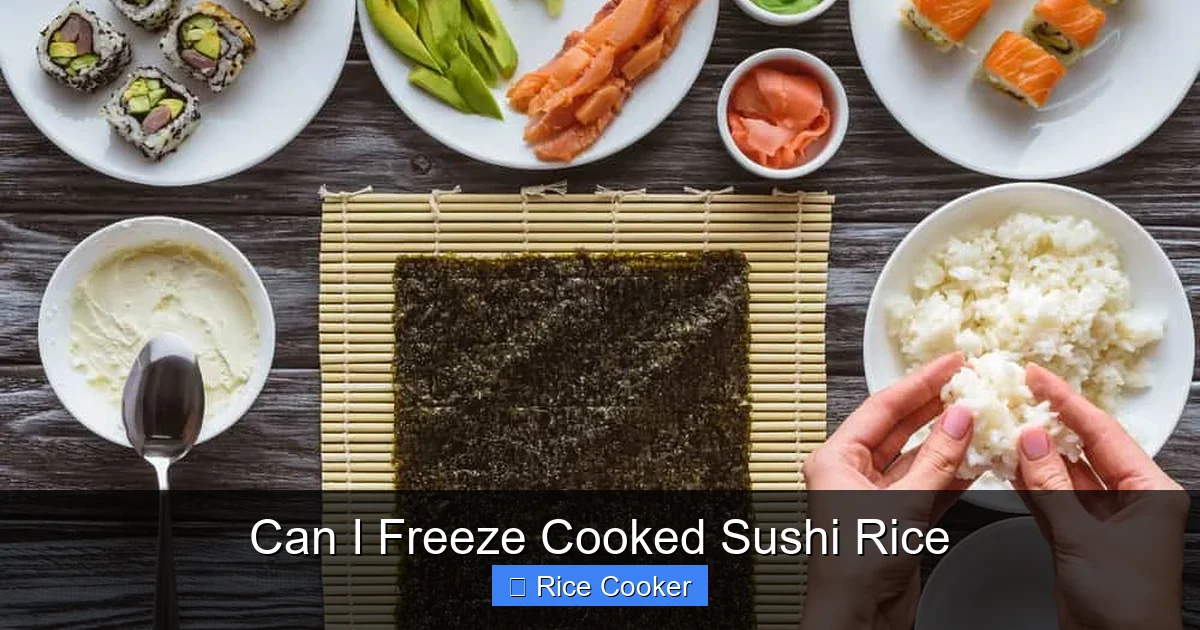
Can I freeze cooked sushi rice? Absolutely! Freezing sushi rice is a smart way to save time and reduce waste. With the right technique—cooling quickly, portioning into airtight containers, and labeling clearly—you can enjoy fresh-tasting sushi rice for weeks. Just remember to thaw and steam before using, and avoid refreezing to keep texture and flavor intact.
Key Takeaways
- Freezing preserves quality: Properly frozen sushi rice stays fresh for up to 3 months without losing its signature texture or flavor.
- Cooling is critical: Rapid cooling prevents bacterial growth and clumping; never leave warm rice sitting at room temperature.
- Portion wisely: Divide rice into small, freezer-safe portions so you only thaw what you need each time.
- Use airtight containers: Glass or BPA-free plastic containers with tight lids minimize freezer burn and odors.
- Label and date: Always note the date on containers so you know how long it’s been stored and prioritize older batches.
- Reheating matters: Steam or microwave with a damp paper towel to restore moisture and prevent dryness.
- Avoid repeated freezing: Thawed rice should be used immediately—never refreeze to maintain food safety and quality.
📑 Table of Contents
- Can I Freeze Cooked Sushi Rice? Yes—Here’s How to Do It Right
- Why Freeze Cooked Sushi Rice?
- The Science Behind Freezing Sushi Rice
- Step-by-Step Guide: How to Freeze Cooked Sushi Rice
- How Long Can You Store Frozen Sushi Rice?
- How to Reheat Frozen Sushi Rice Without Ruining It
- Common Mistakes People Make (And How to Avoid Them)
- Tips for Perfect Sushi Rice Every Time (Even from Frozen)
- Frequently Asked Questions About Freezing Sushi Rice
- Final Thoughts: Your New Kitchen Hack
Can I Freeze Cooked Sushi Rice? Yes—Here’s How to Do It Right
If you’re an avid sushi lover—or just someone who loves perfectly seasoned, fluffy sushi rice—you’ve probably found yourself with leftover cooked rice after making a roll. Or maybe you made too much for one meal and don’t want it to go to waste. The good news? Yes, you absolutely can freeze cooked sushi rice, and doing it correctly means you’ll have fresh, restaurant-quality rice ready whenever inspiration strikes. Whether you’re meal-prepping for the week or stocking up after a big grocery haul, freezing sushi rice is a game-changer. But like any kitchen hack, timing, technique, and storage matter. In this guide, we’ll walk through everything you need to know—from why freezing works, to step-by-step instructions, tips for reheating, and common mistakes to avoid. By the end, you’ll feel confident turning that bowl of leftover rice into a future sushi masterpiece.
Why Freeze Cooked Sushi Rice?
Sushi rice—also called shari in Japanese cuisine—is more than just sticky rice. It’s seasoned with a precise balance of rice vinegar, sugar, and salt, giving it that signature tangy, slightly sweet flavor and glossy finish. Because it’s delicate and perishable, especially once cooled, many home cooks hesitate to store it beyond a day or two. But freezing solves several problems at once:

Visual guide about Can I Freeze Cooked Sushi Rice
Image source: canyoupreserve.com
- Reduces food waste: No more tossing out rice that’s gone slightly off or dried out.
- Convenience for meal prep: Make a big batch once and use it across multiple rolls or bowls over days.
- Consistency: Frozen-and-reheated sushi rice can match the quality of freshly cooked rice if done right.
- Saves time: Skip the cooking step when you already have perfectly seasoned rice ready to go.
That said, not all types of rice freeze well—but sushi rice actually holds up surprisingly well due to its short-grain variety (like Koshihikari or Calrose), which has high starch content that helps it retain structure. The key lies in how you handle it before freezing.
The Science Behind Freezing Sushi Rice
How Rice Changes When Frozen
When water inside rice grains freezes, it expands slightly, creating tiny cracks in the starch matrix. This is usually harmless but can affect texture if the rice isn’t handled gently. However, because sushi rice is already partially dehydrated during its traditional preparation (where it’s mixed with seasoned vinegar while still warm), it contains less surface moisture—making it ideal for freezing without turning into a gluey brick.
Additionally, the vinegar seasoning acts as a natural preservative, helping inhibit bacterial growth even before refrigeration. That’s why commercial sushi chefs often prepare large quantities ahead of time—and freezing mimics that professional practice in your own kitchen.
Food Safety Considerations
One of the biggest risks with cooked rice—not just sushi rice—is Bacillus cereus, a bacterium that can survive boiling and then multiply rapidly between 40°F and 140°F (the “danger zone”). If rice sits at room temperature too long, spores may activate and produce toxins that cause food poisoning. Freezing stops this process cold, effectively halting microbial activity until you’re ready to use it again.
But here’s the catch: you must cool the rice fast. Never let hot sushi rice sit out for more than two hours (one hour if above 90°F). Instead, spread it thinly on a baking sheet, cover loosely with plastic wrap, and place in the fridge within 30–60 minutes of cooking.
Step-by-Step Guide: How to Freeze Cooked Sushi Rice
Step 1: Cool the Rice Quickly
This is arguably the most important step. After cooking your sushi rice according to package instructions (typically 1:1.2 ratio of rice to water, rinsed until water runs clear), drain any excess liquid and transfer to a wide, shallow container or rimmed baking sheet. Don’t pile it deep—spread it no thicker than 1–2 inches. Cover with plastic wrap, leaving a small gap for airflow, and refrigerate immediately.
Why shallow? Faster heat dissipation = faster cooling = lower risk of bacteria. You can also place the container in an ice bath (submerge bottom of pan in cold water with ice cubes) to speed things up further.
Step 2: Season While Still Warm (Optional)
If you haven’t already seasoned your rice with vinegar mixture, do so now—but skip this step if you plan to freeze it unseasoned and add flavor later. Traditional method: Mix ¼ cup rice vinegar, 2 tbsp sugar, and 1 tsp salt over low heat until dissolved. Pour over warm rice while stirring gently with a wooden spatula. Let cool to room temp before freezing.
Pro tip: If freezing unseasoned rice, label containers clearly so you remember to season it upon thawing.
Step 3: Portion Into Freezer-Safe Containers
Once cooled completely (check by feeling the center—it should be cold), divide into single-serving or multi-roll portions. Use glass jars with tight-fitting lids, silicone ice cube trays (great for mini portions!), or sturdy plastic containers labeled with date and contents.
Avoid resealable bags unless you remove all air first—freezer burn happens when moisture escapes and forms ice crystals. For bags, try the “double-bagging” method: fill one bag, press out air, seal halfway, then insert into a second bag before final sealing.
Step 4: Label and Freeze Upright
Write the date on each container using a permanent marker or waterproof label tape. Place containers upright in the freezer to prevent leaks and allow even airflow. Stand them on a tray or old baking sheet for added protection.
Now comes the waiting game—but you’ve got options! Some prefer flash-freezing: spread individual portions on a parchment-lined tray, freeze until solid (about 2 hours), then transfer to a zip-top bag. This prevents clumps and makes portioning easier later.
How Long Can You Store Frozen Sushi Rice?
Under optimal conditions, frozen sushi rice maintains peak quality for up to 3 months. Beyond that, while it won’t be unsafe to eat, you might notice slight changes in texture or flavor. Here’s a quick reference:
- Up to 1 month: Best quality—fluffy, moist, and full flavor.
- 2–3 months: Still usable with proper reheating; may be slightly drier.
- After 3 months: Acceptable if handled carefully, but not recommended for premium sushi.
Always trust your senses: if it smells off, feels gritty, or has visible mold, discard immediately. When in doubt, throw it out.
How to Reheat Frozen Sushi Rice Without Ruining It
This is where many people fail—trying to microwave frozen chunks directly or boiling frozen balls of rice. Both lead to mushy, uneven results. Instead, follow these proven methods:
Method 1: Steaming (Best for Texture & Flavor)
Transfer desired amount to a fine-mesh strainer or colander. Rinse briefly under cold water to remove frost, then steam over simmering water for 8–10 minutes, stirring occasionally. Add 1–2 tsp water if needed to reintroduce moisture. Finish by gently fluffing with a fork.
Method 2: Microwave with Damp Towel
Place frozen rice in a microwave-safe dish. Drizzle with 1 tsp water, cover with a damp paper towel, and microwave on high for 1 minute per ½ cup. Pause halfway to stir. Check for warmth throughout—rice should be steaming hot but not dry.
Method 3: Oven Reheat (For Large Batches)
Preheat oven to 300°F. Spread rice on a parchment-lined baking sheet, dot with water, cover tightly with foil. Bake for 15–20 minutes, stirring once halfway. Keep covered to trap steam.
Whichever method you choose, always let the rice rest for 2–3 minutes after reheating to allow residual heat to distribute evenly. Then taste-test—add a pinch more vinegar-sugar mix if needed!
Common Mistakes People Make (And How to Avoid Them)
Even experienced cooks stumble here. Let’s demystify the top pitfalls:
- Mistake: Freezing rice without cooling first.
Result: Condensation inside container promotes spoilage.
Fix: Always chill thoroughly before freezing. - Mistake: Using non-airtight containers.
Result: Freezer burn and absorption of odors.
Fix: Invest in quality glass or BPA-free plastic. - Mistake: Thawing at room temperature.
Result: Bacteria regrowth during slow thaw.
Fix: Thaw in fridge overnight or microwave just before cooking. - Mistake: Refreezing after thawing.
Result: Texture degradation and food safety risk.
Fix: Use thawed rice within 24 hours—don’t re-freeze. - Mistake: Skipping vinegar seasoning post-thaw.
Result: Bland-tasting rice.
Fix: Always re-season unless originally frozen seasoned.
Tips for Perfect Sushi Rice Every Time (Even from Frozen)
Want to elevate your frozen rice game? Try these pro tricks:
- Rinse before freezing: Extra rinsing removes excess starch, reducing stickiness when reheated.
- Add a splash of oil: A teaspoon of neutral oil (like canola or rice bran) mixed in before freezing helps prevent clumping.
- Use a rice cooker’s “keep warm” function: Cook rice, then switch to warm mode and cool gradually—this mimics professional prep.
- Freeze in ice cube trays for rolls: Pop out individual cubes when solid, stack in a bag, and thaw one at a time as needed.
- Pair with quick-cooking sides: Freeze rice alongside prepped veggies or proteins for instant bento boxes.
Frequently Asked Questions About Freezing Sushi Rice
Can I freeze sushi rice that’s already been seasoned?
Yes! In fact, freezing seasoned rice is ideal because the vinegar mixture adds flavor and acts as a preservative. Just ensure it’s cooled completely before storing.
Does frozen sushi rice taste the same as fresh?
Not exactly—but with proper reheating, it can be very close. Fresh rice has that immediate aroma and slight chewiness, while frozen rice may be slightly softer. Still delicious for most recipes!
How do I know if my frozen sushi rice is spoiled?
Look for off smells (sour or rancid), sliminess, discoloration, or mold. If any of these appear, discard immediately. Otherwise, trust your reheating process.
Can I freeze raw uncooked rice instead?
Absolutely—raw short-grain rice freezes well and can be cooked directly from frozen (add extra water). But since sushi requires specific seasoning, you’d still need to season it after thawing.
Is it safe to eat reheated sushi rice cold?
Technically yes, but it’s best served warm for optimal flavor and texture. Cold rice tends to be gummy and less enjoyable.
What’s the fastest way to thaw frozen sushi rice?
Microwave in 15-second bursts, stirring between intervals, until pliable. Alternatively, submerge sealed container in warm water for 10–15 minutes.
Can I freeze sushi rice in a plastic bag?
Yes, but only if you remove as much air as possible first. Double-bagging reduces risk of freezer burn significantly.
Will freezing change the color of sushi rice?
Slight whitening is normal due to ice crystal formation, but it returns to its usual pale yellow when steamed properly.
Final Thoughts: Your New Kitchen Hack
Freezing cooked sushi rice isn’t just practical—it’s transformative. Whether you’re running late on dinner prep, hosting guests unexpectedly, or simply craving maki rolls mid-week, having ready-to-use rice on hand makes life easier and tastier. The secret isn’t complicated: cool fast, portion smart, store tight, reheat gently. And while nothing beats fresh-cooked rice for special occasions, your freezer stash will keep you rolling through busy weeks without sacrificing quality.
So next time you make sushi rice, think ahead. Double the batch, freeze half, and watch how it simplifies your routine. Your future self (and taste buds) will thank you.
Frequently Asked Questions
Can I freeze sushi rice that’s already been seasoned?
Yes! Freezing seasoned sushi rice is not only safe but recommended, as the vinegar mixture adds flavor and acts as a natural preservative. Just ensure it’s cooled completely before storing.
Does frozen sushi rice taste the same as fresh?
It won’t be identical, but with proper reheating techniques, frozen sushi rice can taste nearly as good as fresh—especially for everyday rolls and bowls.
How do I know if my frozen sushi rice is spoiled?
Check for off odors (sour or rancid), slimy texture, discoloration, or mold. If any of these signs appear, discard the rice immediately for food safety.
Can I freeze raw uncooked rice instead?
Yes, raw short-grain rice freezes well and can be cooked from frozen, though you’ll still need to season it afterward to achieve authentic sushi flavor.
Is it safe to eat reheated sushi rice cold?
While technically edible, reheated sushi rice is best served warm for optimal texture and taste. Cold rice tends to be overly sticky and less enjoyable.
What’s the fastest way to thaw frozen sushi rice?
The quickest method is microwaving in short bursts with stirring, or placing the sealed container in warm water for 10–15 minutes until pliable.