
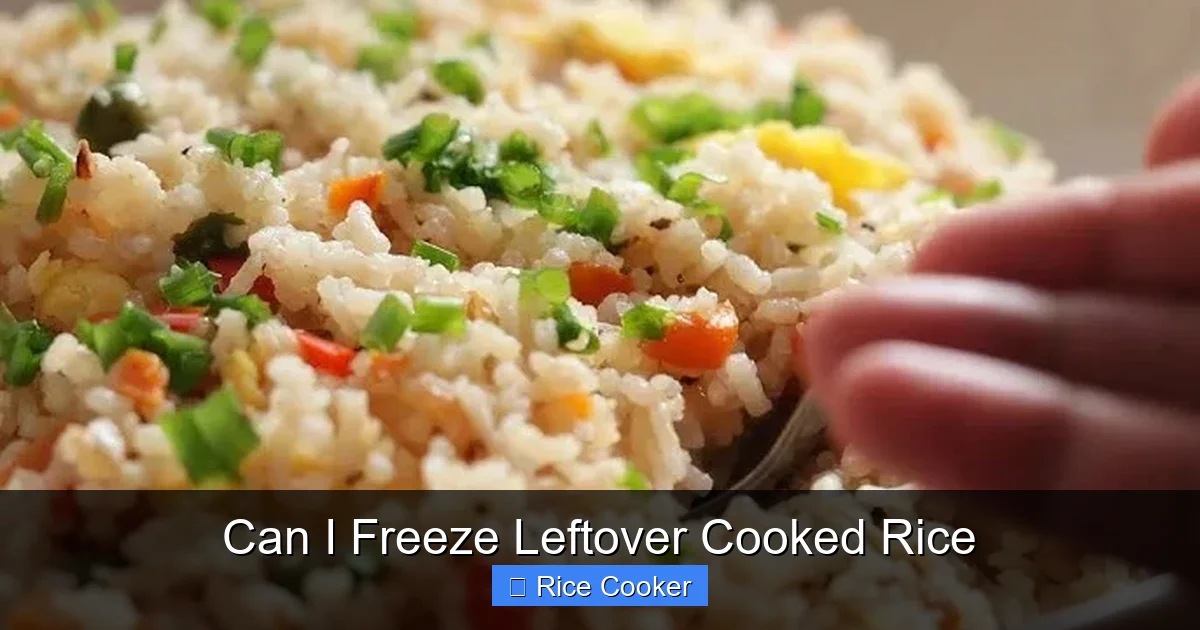
Can I freeze leftover cooked rice? Absolutely! Freezing is a safe and effective way to preserve rice and reduce food waste. When done correctly, frozen rice retains its flavor and texture—perfect for quick meals later. With proper steps, you’ll enjoy reheated rice that tastes almost as good as fresh.
Key Takeaways
- Freezing extends shelf life: Cooked rice can last up to 6 months in the freezer when stored properly.
- Texture matters: Quick-freezing on a baking sheet prevents clumping and keeps grains separate.
- Safe thawing is essential: Always thaw rice in the fridge or using cold water to avoid bacterial growth.
- Reheating restores quality: Moisture and gentle heat help revive frozen rice without drying it out.
- Label and organize: Use airtight containers with dates so you know what’s inside and when it was frozen.
- Best practices prevent waste: Freeze only what you’ll use within 1–2 months for best results.
📑 Table of Contents
- Can I Freeze Leftover Cooked Rice?
- Why Freeze Leftover Cooked Rice?
- How Long Can You Freeze Cooked Rice?
- Step-by-Step Guide: How to Freeze Leftover Cooked Rice Properly
- Best Containers and Bags for Freezing Rice
- How to Thaw Frozen Cooked Rice Safely
- How to Reheat Frozen Cooked Rice Without Ruining It
- Common Mistakes People Make When Freezing Rice
- Which Types of Rice Freeze Best?
- Can You Freeze Rice Before It’s Fully Cooked?
- Freezing Rice for Specific Recipes
- Environmental and Cost Benefits of Freezing Rice
- Final Thoughts: Should You Freeze Your Leftover Rice?
Can I Freeze Leftover Cooked Rice?
Have you ever opened your fridge, stared at a container of leftover rice from last night’s stir-fry, and wondered, “Is this still good?” Or maybe you’re meal prepping for the week and thinking ahead: “Could I save some rice for later?” If so, you’re not alone. Leftover cooked rice is one of the most common leftovers in kitchens around the world—and yes, you absolutely can freeze it. In fact, freezing is one of the safest and smartest ways to extend its life, prevent waste, and keep your meals convenient.
But here’s the thing: not all freezers are created equal, and not every method works equally well. Some people freeze rice in big clumps that turn into one giant brick when thawed. Others skip the cooling step and risk bacterial growth. And let’s be honest—nobody wants mushy, unappetizing rice after defrosting. So, before you toss that bowl into the freezer, let’s talk about how to do it right.
In this complete guide, we’ll walk through everything you need to know about freezing leftover cooked rice—from safety and storage to thawing and reheating. Whether you’re using a rice cooker, stovetop, or microwave, these tips apply. We’ll also share pro-level tricks to keep your rice tasting fresh, fluffy, and delicious long after it leaves the pot.
Ready? Let’s dive in.
Why Freeze Leftover Cooked Rice?
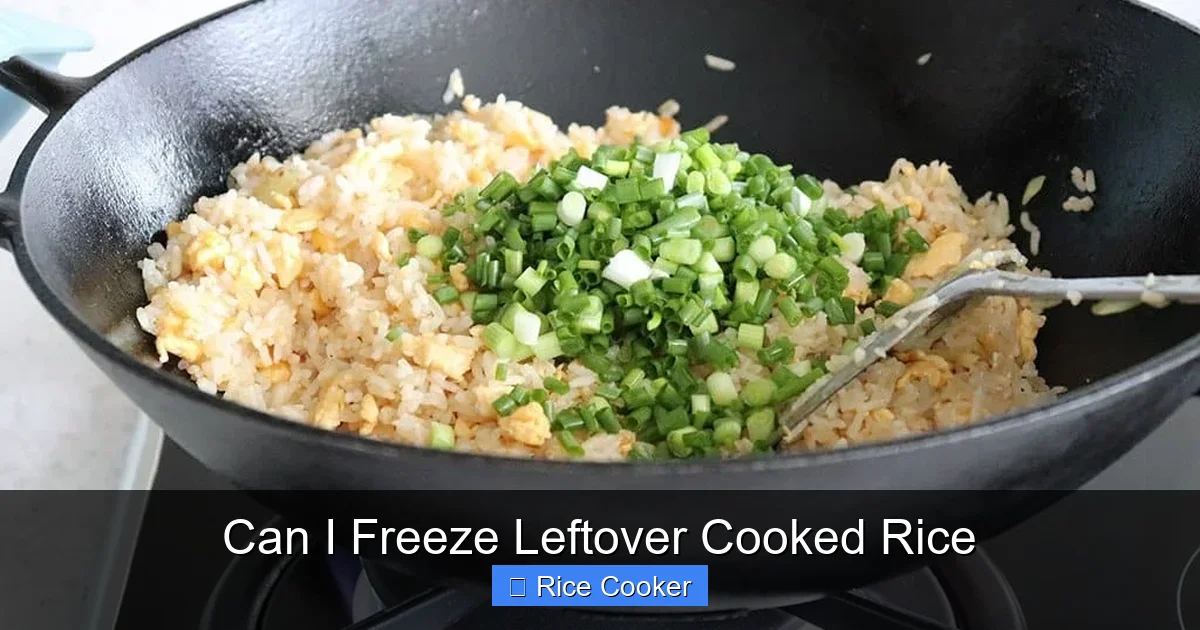
Visual guide about Can I Freeze Leftover Cooked Rice
Image source: sushiandrice.com
You might be wondering: why bother freezing rice at all? Isn’t it just fine in the fridge for a few days? Great questions! The short answer is yes—rice stays safe in the fridge for 4 to 6 days. But freezing gives you more flexibility, especially if you’re cooking in batches or want to prepare meals in advance.
One major benefit is **food waste prevention**. A single pot of rice can easily feed four people. If one person doesn’t finish their serving, that’s potential food going down the drain. By portioning and freezing, you ensure nothing goes to waste.
Another perk is **meal prep convenience**. Imagine having pre-cooked rice ready to go for fried rice, rice bowls, casseroles, or even rice pudding. You can quickly pull out a bag, thaw it, and add your favorite ingredients—no extra cooking time needed.
Also, freezing helps **preserve nutrients** better than refrigeration over long periods. While rice loses some moisture during freezing, the nutritional value remains largely intact. Just be sure to store it properly to avoid freezer burn.
Finally, freezing allows you to **build a rice pantry**. Think of it like stocking canned beans or pasta. Having frozen rice on hand means you can whip up a meal anytime—even when you’re short on time or ingredients.
The Science Behind Freezing Rice
When rice cools, its starches begin to retrograde—a process where the molecules reorganize and harden. This is why refrigerated rice sometimes becomes firmer or slightly sticky. Freezing slows this process significantly, locking the texture in place.
However, repeated freeze-thaw cycles can damage the rice’s structure. That’s why experts recommend freezing rice in small portions (like individual servings) rather than one large block. This minimizes exposure during thawing and helps maintain better consistency.
It’s also worth noting that rice contains spores of *Bacillus cereus*, a bacteria that can survive normal cooking temperatures. These spores don’t cause illness when cooked properly, but they can multiply rapidly in warm, moist environments—like a forgotten bowl of rice left on the counter. Freezing halts this growth, making your rice safer for longer storage.
How Long Can You Freeze Cooked Rice?
The general rule is this: **frozen cooked rice is safe indefinitely**, but quality declines over time. For best taste and texture, use it within **3 to 6 months**. After that, you won’t get sick—but it may lose flavor or develop off-notes due to oxidation or freezer burn.
Here’s a quick breakdown:
| Storage Method | Safe Duration | Best Quality |
|—————-|—————|————–|
| Refrigerator | 4–6 days | ✅ Excellent |
| Freezer | Indefinite | ✅ Best if used within 3–6 months |
So while technically you can freeze rice forever, aim to use it sooner rather than later for optimal results.
What Happens If You Freeze Rice Too Long?
Even with perfect packaging, rice can suffer from **dryness** or **unpleasant odors** after several months. Freezer burn occurs when ice crystals form on the surface, drawing moisture away and creating a leathery texture. The good news? Most of these issues are fixable with proper reheating techniques.
If your rice smells odd or has a strange taste, trust your nose—it’s likely past its prime. But if it just looks dry or slightly stale, adding a splash of water or broth when reheating usually saves the day.
Step-by-Step Guide: How to Freeze Leftover Cooked Rice Properly
Now for the practical stuff—how do you actually freeze rice without turning it into a sticky disaster?
Follow these steps carefully, and your frozen rice will stay delicious and usable for weeks.
1. Cool the Rice Quickly
Never put hot rice directly into the freezer. Doing so raises the temperature of your freezer, which can affect other foods and promote ice crystal formation inside the rice itself.
Instead, spread the rice out on a baking sheet or shallow dish and let it cool at room temperature for 30–60 minutes. Stir occasionally to speed up cooling and prevent condensation buildup.
2. Portion Into Small Batches
Use measuring cups or divide by eye into serving sizes. Think: one portion = about ½ cup dry (which expands to ~1 cup cooked). Smaller portions freeze faster and thaw more evenly.
Pro tip: Use an ice cube tray for mini portions—great for kids or single servings!
3. Flash Freeze (Optional but Recommended)
Place portioned rice on a parchment-lined baking sheet and pop it into the freezer for 1–2 hours. Once hardened, transfer to a freezer-safe bag or container. This prevents clumping and makes storage neater.
4. Pack and Label
Use airtight containers, resealable plastic bags, or vacuum-sealed pouches. Remove as much air as possible to reduce freezer burn. Label each container with the date—this helps you track freshness.
5. Store Safely
Keep the rice in the coldest part of your freezer (usually the back, away from the door). Avoid frequent temperature changes, which accelerate quality loss.
Best Containers and Bags for Freezing Rice
Not all storage options are equal. Here’s what works best:
– **Glass containers**: Great for portion control and visibility, but heavier and prone to shattering.
– **Plastic containers with tight lids**: Durable and stackable; choose BPA-free varieties.
– **Freezer bags (quart or gallon)**: Space-saving and flexible; squeeze out excess air before sealing.
– **Vacuum-sealed bags**: Eliminate air completely for maximum protection against freezer burn.
Avoid paper bags or regular zip-top bags unless they’re specifically labeled “freezer-safe.”
Portion Sizes Matter
Think about how you’ll use the rice later. Do you need full servings for stir-fries? Half-cups for risottos? Pre-portioned bags make reheating easier and reduce waste from partial thaws.
For example, if you’re making fried rice, a 1-cup portion is ideal. For rice salads or soups, ½ cup works perfectly.
How to Thaw Frozen Cooked Rice Safely
Thawing correctly is just as important as freezing. Improper thawing can lead to bacterial growth or uneven texture.
Method 1: Refrigerator Thawing (Slow but Safe)
This is the gold standard. Transfer the frozen rice to the refrigerator and let it thaw slowly overnight (8–12 hours). This method preserves texture and food safety best.
Method 2: Cold Water Thawing (Faster Option)
If you’re in a hurry, submerge the sealed bag in cold tap water. Change the water every 30 minutes until thawed (usually takes 1–2 hours). Never use warm or hot water—that encourages bacterial growth.
Method 3: Microwave Thawing (Use Sparingly)
Only recommended if you’re planning to cook immediately afterward. Use the defrost setting on low power, stirring frequently. Be careful—some areas may become warm enough to start cooking, which can create hot spots.
How to Reheat Frozen Cooked Rice Without Ruining It
Ah, the moment of truth: bringing your frozen rice back to life. Done right, it tastes nearly identical to freshly cooked rice. Done wrong, and you end up with rubbery or soggy grains.
Here are three foolproof methods:
Stovetop Method (Best for Most Dishes)
1. Place rice in a saucepan with a splash of water or broth (¼ cup per 1 cup rice).
2. Cover and heat over medium-low, stirring occasionally.
3. Steam for 3–5 minutes until heated through and moist.
Microwave Method (Quick & Easy)
1. Transfer rice to a microwave-safe bowl.
2. Add a tablespoon of water per cup of rice.
3. Cover with a damp paper towel (not plastic!) to retain steam.
4. Microwave on high for 1 minute, stir, then continue in 30-second intervals until hot.
Oven Method (For Large Quantities)
Spread rice on a baking sheet, sprinkle with water, cover tightly with foil, and bake at 350°F (175°C) for 10–15 minutes, stirring halfway.
Tips for Perfect Reheated Rice
– Don’t overcook—rice continues to absorb liquid as it heats.
– Taste and adjust seasoning. Frozen rice often needs a pinch of salt or soy sauce.
– Fluff with a fork before serving to restore texture.
Common Mistakes People Make When Freezing Rice
Even experienced home cooks slip up sometimes. Let’s clear up a few myths and bad habits:
Myth: You Can Freeze Rice Right Out of the Pot
False. Hot rice traps steam, which leads to condensation and bacterial growth if frozen immediately. Always cool it first.
Mistake: Using Regular Plastic Bags
Regular bags aren’t designed for long-term freezer storage. They can crack, leak, or leach chemicals. Invest in freezer-grade bags.
Overlooking Portion Size
Freezing a whole pot at once? That’s a recipe for mushy rice and wasted space. Always portion!
Skipping Labels
Trust us—you’ll forget what’s in there after a month. Label everything clearly.
Ignoring Texture Changes
Some rice types (like sushi or basmati) handle freezing better than others. Japonica rice (short grain) tends to stick more, so consider that when choosing recipes.
Which Types of Rice Freeze Best?
Not all rice is created equal when it comes to freezing. Here’s how different varieties compare:
– **Jasmine Rice**: Light and fragrant—freezes well but can become slightly chalky. Best for dishes where texture isn’t critical.
– **Basmati Rice**: Long grain holds shape nicely. Ideal for pilafs or biryanis post-thaw.
– **Brown Rice**: Higher fiber content helps retain structure. Slightly nuttier flavor after freezing—great for hearty bowls.
– **Sushi Rice**: Very sticky; best used within 2 weeks of thawing. Not ideal for heavy cooking afterward.
– **Instant Rice**: Already partially cooked—freezes okay but may lack depth of flavor.
For everyday use, white long-grain rice (like American long grain or Calrose) offers the best balance of versatility and freeze performance.
Cooking Methods That Affect Freezeability
How you cook your rice also plays a role:
– Rice cooker: Evenly cooked and fluffy—excellent for freezing.
– **Stovetop**: Consistent results, but watch for uneven heating.
– **Microwave**: May result in uneven texture; not ideal for bulk freezing.
Always let rice cool completely after cooking—regardless of method.
Can You Freeze Rice Before It’s Fully Cooked?
Technically yes, but it’s not recommended. Partially cooked rice requires longer thawing times and may not cook evenly when reheated. Plus, you risk cross-contamination if raw rice touches cooked foods.
Stick to freezing only **fully cooked**, cooled rice.
Freezing Rice for Specific Recipes
Knowing how to freeze rice opens up endless culinary possibilities:
Fried Rice
Prep ahead! Freeze plain cooked rice and combine with veggies, eggs, and sauce when ready. No need to cook rice again.
Risotto
While risotto relies on constant stirring, you can freeze plain Arborio rice. Just remember to add broth gradually when reheating to achieve creamy consistency.
Rice Pudding
Freeze cooked rice with milk and sugar, then thaw and simmer with cinnamon and raisins. Works surprisingly well!
Burritos and Bowls
Layer frozen rice with beans, cheese, and salsa in burrito wrappers. Bake until heated through—instant meal.
Environmental and Cost Benefits of Freezing Rice
Beyond convenience, freezing rice is eco-friendly and budget-smart:
– **Reduces food waste**: Up to 30% of household food ends up thrown away. Freezing extends usability.
– **Saves money**: Buy rice in bulk and freeze portions instead of buying small packages.
– **Lowers carbon footprint**: Less energy used per meal when you cook larger batches less frequently.
Plus, you’ll spend less time running to the store for last-minute ingredients.
Final Thoughts: Should You Freeze Your Leftover Rice?
Absolutely. Freezing leftover cooked rice is simple, safe, and highly beneficial—especially if you cook regularly or hate wasting food. With the right techniques, your frozen rice will remain delicious, nutritious, and versatile for months.
Just remember: cool it first, portion it small, pack it tight, and label it clearly. Thaw slowly, reheat gently, and enjoy!
Whether you’re building a freezer-friendly meal plan or just trying to cut down on takeout, frozen rice is a game-changer. Next time you have extra, don’t hesitate—pop it in the freezer and save it for a rainy-day stir-fry or comforting bowl of fried rice.
Your future self (and your wallet) will thank you.
Frequently Asked Questions
Is it safe to freeze cooked rice?
Yes, it’s completely safe. Freezing stops bacterial growth and preserves rice for weeks or even months when done correctly. Just avoid leaving hot rice at room temperature too long before freezing.
How long does frozen cooked rice last?
Frozen cooked rice is safe indefinitely, but best quality lasts 3 to 6 months. After that, it may dry out or develop off-flavors, though it’s still safe to eat if handled properly.
Can you freeze rice directly from the rice cooker?
No, never freeze hot rice directly from the cooker. Let it cool completely first to prevent condensation and bacterial growth. Cooling takes about 30–60 minutes.
Does freezing ruin the taste of rice?
Not if done right. Properly frozen and reheated rice retains most of its original flavor. Only improper storage (like freezer burn) affects taste. Use airtight containers and remove excess air.
How should you thaw frozen cooked rice?
Thaw in the refrigerator overnight for best results, or use cold water bath method for quicker defrosting. Never thaw at room temperature to avoid bacterial growth.
Can you refreeze rice after thawing?
Only if it’s been cooked after the first thaw. Raw or undercooked rice should not be refrozen due to bacterial risks. Cooked, thawed rice can safely be refrozen if reheated thoroughly.