
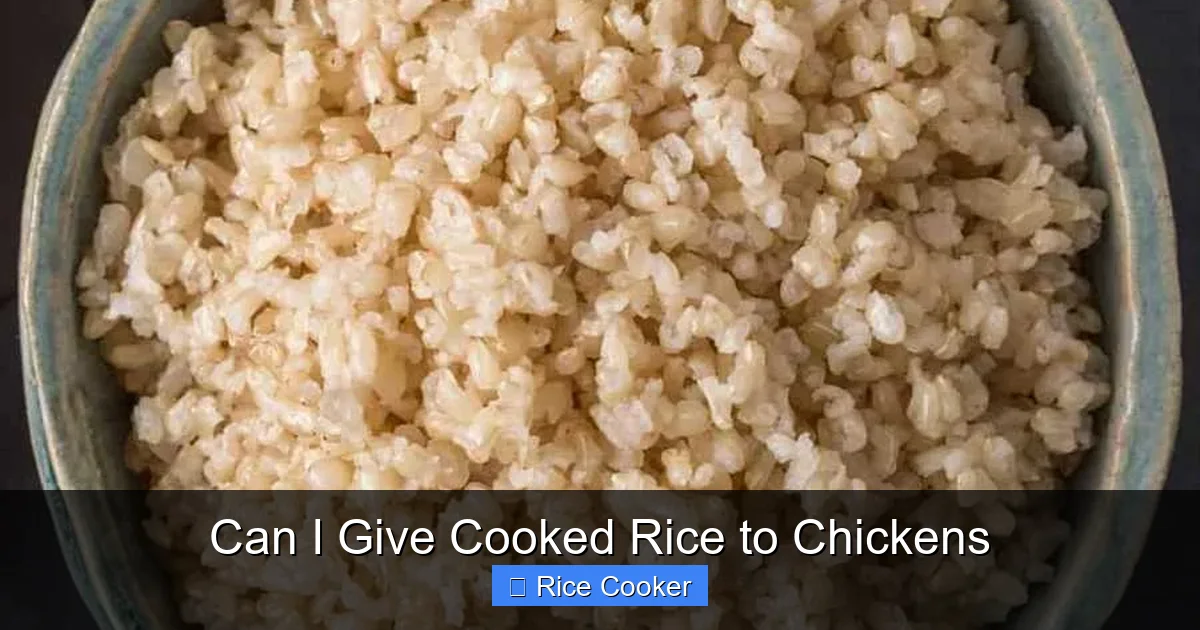
Can you feed cooked rice to chickens? Absolutely—chickens enjoy cooked rice as a safe and nutritious treat, especially when given in moderation. Just remember to avoid uncooked rice, seasonings, or large portions to keep your birds healthy and happy.
Have you ever wondered whether the leftover rice from your dinner could become a delicious treat for your backyard chickens? You’re not alone. Many chicken owners love sharing kitchen scraps with their feathered friends, but it’s important to know what’s safe and beneficial. One common question that pops up is: Can I give cooked rice to chickens? The short answer is yes—cooked rice is generally safe and even enjoyable for chickens when fed correctly. In this complete guide, we’ll explore everything you need to know about feeding cooked rice to your poultry, including benefits, risks, preparation tips, and creative ways to include it in your chickens’ diet. Whether you’re a new chicken parent or a seasoned coop keeper, this article will help you make informed decisions that keep your flock happy and healthy.
Chickens have surprisingly diverse diets, and they thrive on variety—just like us! While their primary nutrition comes from commercial feed formulated for growth, egg production, and overall health, treats play an important role in enrichment and bonding. Cooked rice fits perfectly into that treat category. It’s gentle on their digestive systems, rich in carbohydrates, and easy to digest once properly cooked. However, not all rice is created equal when it comes to poultry. Raw rice, for instance, poses serious risks due to its ability to absorb water and swell dramatically in the gut. That’s why understanding how to prepare and serve rice matters just as much as knowing whether it’s safe at all. Let’s dive deeper into the world of chicken-friendly grains and uncover the best practices for introducing cooked rice into your coop.
Key Takeaways
- Yes, cooked rice is safe for chickens: When properly prepared, cooked rice makes a great occasional snack or supplement to their diet.
- Avoid uncooked rice: Raw rice can expand in a chicken’s digestive system and cause blockages, so never feed it in its raw form.
- Limit portion size: Rice should only make up a small part of your chicken’s overall diet—no more than 10% of daily food intake.
- Remove seasonings and oils: Never serve rice with salt, spices, butter, or other human foods that are harmful to poultry.
- Offer as a treat, not a staple: Think of cooked rice as a tasty surprise—occasional feeding keeps things exciting without disrupting nutrition balance.
- Combine with fresh greens: Pairing rice with vegetables like spinach or kale boosts fiber and vitamins in your flock’s meal.
- Store leftovers safely: If you cook rice for yourself, cool it quickly and refrigerate unused portions before offering it to your chickens.
📑 Table of Contents
- Is Cooked Rice Safe for Chickens?
- Nutritional Benefits of Cooked Rice for Chickens
- What Types of Rice Can Chickens Eat?
- How to Properly Prepare and Serve Cooked Rice to Chickens
- Practical Tips for Feeding Cooked Rice to Your Flock
- Potential Risks and How to Avoid Them
- Creative Ways to Include Cooked Rice in Chicken Diets
Is Cooked Rice Safe for Chickens?
Before serving any human food to your chickens, safety should always come first. So, let’s address the big question head-on: Is cooked rice safe for chickens? The answer is a resounding yes—when it’s properly cooked and served plain. Cooked white rice, brown rice, basmati, jasmine—you name it—is completely non-toxic and easily digested by chickens. Unlike raw rice, which can expand up to five times its original volume inside a bird’s digestive tract and potentially cause life-threatening blockages, cooked rice breaks down smoothly during digestion. This makes it an ideal candidate for a nutritious snack or side dish in your flock’s meal rotation.
That said, moderation is key. While cooked rice offers energy through carbohydrates and some essential nutrients like B vitamins and manganese (especially in brown rice), it lacks protein, fat, and many other vital components found in complete poultry feed. Feeding too much rice—even if it’s cooked—can lead to nutritional imbalances over time. Imagine eating nothing but bread for every meal—it wouldn’t be very satisfying or healthy, right? The same principle applies to chickens. Their bodies are designed to process a balanced mix of grains, proteins, fats, vitamins, and minerals daily. Rice should complement their diet, not dominate it.
Another critical point is avoiding anything that might spoil or introduce harmful elements. For example, leftover fried rice from a restaurant often contains garlic, onion, MSG, or excessive oil—all of which are unsafe for chickens. Similarly, rice mixed with dairy products like cheese or cream can sour quickly and promote bacterial growth in warm weather. Always opt for plain, cooled, freshly cooked rice without additives. And remember: if you’re cooking rice for your family, consider setting aside a small amount specifically for your chickens. It’s a win-win—your birds get a treat, and you reduce food waste!
Nutritional Benefits of Cooked Rice for Chickens
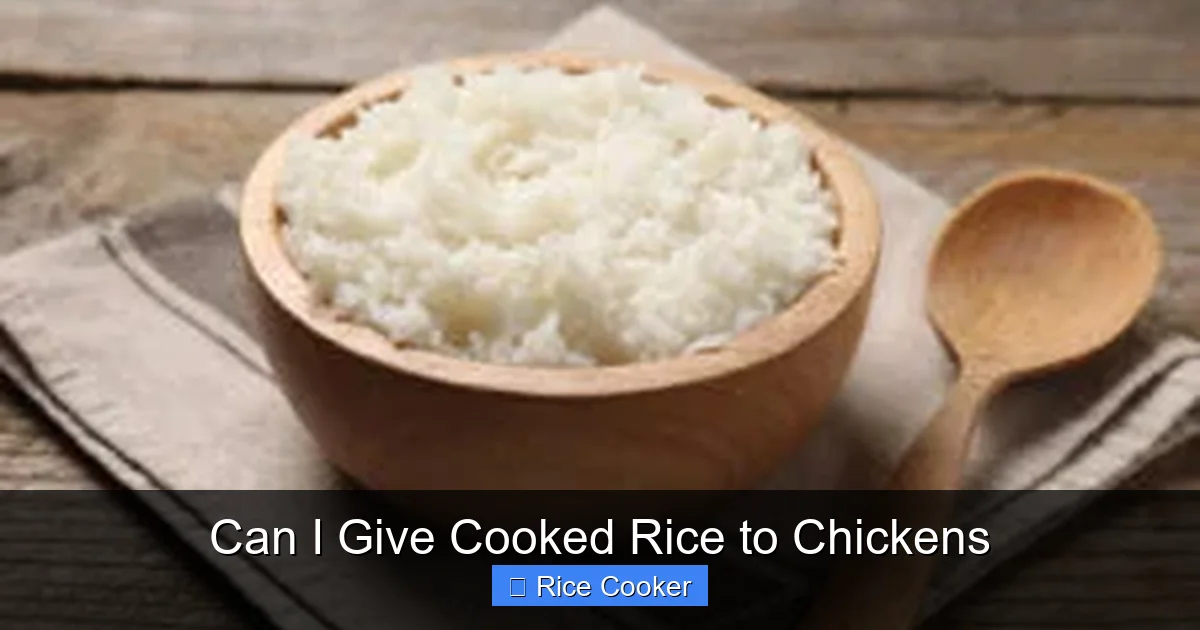
Visual guide about Can I Give Cooked Rice to Chickens
Image source: theorganicwayfarm.com
So what exactly do chickens gain from eating cooked rice? Let’s break down the nutritional profile and see how it supports their health and well-being.
Energy Source from Carbohydrates
Rice is primarily composed of complex carbohydrates, which serve as a quick and efficient energy source for chickens. Whether they’re clucking around the yard pecking at seeds or sitting on eggs, active birds need fuel. Cooked rice provides glucose, which powers their metabolism, muscle function, and nervous system. This is particularly helpful during colder months when chickens burn extra calories to stay warm. A small portion of rice after a long winter day can give them a natural boost without spiking blood sugar too high.
Digestive Fiber (Especially in Brown Rice)
Brown rice retains its bran layer, making it richer in dietary fiber compared to white rice. Fiber aids digestion by promoting healthy gut motility and supporting the growth of beneficial bacteria in the cecum—the part of a chicken’s digestive system responsible for fermenting undigested material. Good gut health translates to better nutrient absorption, stronger immunity, and fewer cases of bumblefoot or respiratory issues. Feeding occasional servings of brown rice introduces diversity into their microbiome, which is always a plus.
B Vitamins for Metabolism and Feather Health
Both white and brown rice contain several B vitamins, including thiamine (B1), riboflavin (B2), niacin (B3), and folate (B9). These micronutrients assist in converting food into usable energy, maintaining healthy skin and feathers, and supporting reproductive functions. Chickens with dull plumage or slow molting may benefit from targeted vitamin supplementation, and adding rice to their diet contributes modestly to this pool. Of course, it shouldn’t replace a complete multivitamin if deficiencies are suspected.
Minerals Like Magnesium and Phosphorus
Rice also supplies trace minerals such as magnesium and phosphorus. Magnesium plays a role in nerve transmission and muscle contraction, while phosphorus supports bone development and energy storage (ATP). Although chickens don’t require huge amounts of these minerals, consistent low-level intake helps maintain homeostasis. Brown rice has slightly higher mineral content than white rice due to retained germ and bran layers.
Hydration Assistance
Cooked rice holds moisture, which can help hydrate chickens—especially useful during hot summer days when birds drink less or pant excessively. Offering chilled rice alongside clean water ensures they stay refreshed. Plus, the soft texture makes it easier for chicks or older hens with dental issues to eat comfortably.
While these benefits sound promising, it’s important to reiterate that rice alone cannot meet all of a chicken’s dietary needs. It’s best viewed as a supplementary treat rather than a main course. Think of it like giving your dog a carrot stick—it’s fun, nutritious in moderation, but doesn’t replace kibble.
What Types of Rice Can Chickens Eat?
Not all rice varieties are equally suitable for chickens—but fortunately, most common types are fine when cooked properly. Here’s a breakdown:
White Rice
White rice is the most popular choice among chicken owners due to its mild flavor, quick cooking time, and neutral taste. It cooks evenly and absorbs flavors well, though it loses some nutrients during milling. Still, it remains a safe and digestible option for daily or weekly treats. Just ensure it’s plain—no added salt, sugar, or sauces.
Brown Rice
Brown rice is slightly more nutritious than white rice because it keeps its outer husk intact. It contains more fiber, antioxidants, and essential fatty acids. However, it takes longer to cook and may leave gritty bits if not rinsed thoroughly. Some chickens prefer the chewier texture, while others find it less palatable. If your flock enjoys brown rice, go ahead—just monitor for any signs of digestive upset.
Wild Rice
Wild rice isn’t technically rice but a type of grass seed. It’s denser and chewier than regular rice and packs extra protein and iron. It’s excellent for adventurous eaters and can be offered occasionally. Just note that wild rice is harder to digest for very young chicks, so wait until they’re at least a few weeks old.
Instant Rice or Parboiled Rice
These processed forms cook faster but often contain preservatives or excess sodium. Avoid feeding instant or flavored rice mixes to chickens unless you’re certain they’re free of additives. Plain parboiled rice (without butter or seasoning) is acceptable in small quantities.
Rice Bran
Rice bran is the outer layer of rice grains and is sometimes sold as a poultry supplement. It’s highly nutritious but must be used cautiously due to high fat content, which can spoil quickly. Only offer rice bran if it’s fresh and stored properly; otherwise, stick to whole-grain cooked rice.
In short: choose plain, unseasoned cooked rice in any form—white, brown, or wild—and skip anything processed or packaged with human ingredients. Your chickens will thank you with cheerful clucks and glossy feathers!
How to Properly Prepare and Serve Cooked Rice to Chickens
Now that we’ve confirmed cooked rice is safe and nutritious, let’s talk about the best way to prepare and serve it. Proper handling prevents contamination, ensures digestibility, and maximizes enjoyment for your flock.
Cook Without Additives
Always cook rice using only water—no salt, oil, herbs, garlic, or other spices. Even a pinch of salt can be harmful to chickens, as their kidneys aren’t built to filter excess sodium efficiently. Similarly, oils and fats can clog their digestive tracts and lead to fatty liver disease. Stick to plain boiled or steamed rice for optimal safety.
Cool Before Serving
Hot rice can scald a chicken’s mouth or crop, so let it cool to room temperature or chill slightly before placing it in the coop. If you’re feeding multiple times a week, store leftover rice in airtight containers in the fridge for up to 4 days. Reheat gently if needed, then cool again before offering.
Portion Control Is Essential
A good rule of thumb is no more than one tablespoon per chicken per day, depending on size and activity level. For a medium-sized hen weighing around 5–6 pounds, half a cup of cooked rice twice a week is sufficient. Overfeeding leads to obesity, reduced egg production, and digestive discomfort. Treats should never exceed 10% of total caloric intake.
Serve in a Shallow Dish or Scratch Area
Place rice in a shallow pan, tray, or directly onto the ground in a designated feeding area. Chickens naturally scratch and peck, so scattering small portions encourages natural foraging behavior. Mix it lightly with cracked corn, millet, or chopped greens for added interest.
Monitor Reactions Closely
After introducing rice for the first time, watch for changes in droppings, appetite, or energy levels. Most chickens tolerate rice well, but individual sensitivities can occur. If you notice diarrhea, lethargy, or loss of appetite within 24 hours, discontinue feeding and consult a veterinarian experienced in avian care.
By following these simple steps, you’ll ensure your chickens enjoy rice safely and happily—without compromising their overall health.
Practical Tips for Feeding Cooked Rice to Your Flock
Feeding cooked rice doesn’t have to be complicated. With a few smart strategies, you can turn it into a regular, enjoyable part of your chicken-keeping routine.
Repurpose Family Leftovers Wisely
Instead of tossing out plain cooked rice after dinner, save a small portion for your chickens. This reduces food waste and saves money on feed. Just double-check that no one added butter, cheese, soy sauce, or meat scraps to the rice. If in doubt, cook a fresh batch specifically for them.
Rotate With Other Grains
Vary your offerings to prevent boredom and broaden nutritional exposure. Alternate rice with oats, barley, quinoa, or mashed potatoes (plain). Rotation also helps detect allergies or intolerances if reactions occur.
Pair With Fresh Vegetables
Enhance the meal by mixing rice with finely chopped lettuce, kale, carrots, or pumpkin. This adds vitamins A, C, and K while keeping the dish interesting. Chickens love pecking at colorful mixes, and the combination satisfies both taste buds and nutritional goals.
Use During Training or Bonding
Hand-feeding small pieces of rice can strengthen trust between you and your chickens. Stand calmly near the coop and offer a pinch from your fingers—many birds will approach willingly. It’s a great way to build rapport without relying on loud noises or forceful handling.
Store Leftovers Correctly
If you cook extra rice, divide it into single-serving portions and freeze for later use. Label containers with dates to track freshness. Thaw overnight in the fridge before reheating and cooling for feeding.
Avoid Common Mistakes
Don’t feed rice mixed with rice pudding, fried rice, sushi, or any dish containing dairy, alcohol, or strong seasonings. Also, never give rice that’s been sitting out in the sun for more than two hours, as bacteria like *Bacillus cereus* can grow rapidly and cause illness.
With these practical tips, feeding cooked rice becomes effortless, economical, and enriching for your entire flock.
Potential Risks and How to Avoid Them
While cooked rice is generally safe, there are a few pitfalls to watch out for. Being aware of these risks allows you to enjoy rice treats without worry.
Raw Rice Expansion Hazard
As mentioned earlier, raw rice can absorb stomach fluids and expand up to fivefold, potentially causing impaction or torsion in the gizzard or intestines. This is especially dangerous for chicks under six weeks old, whose digestive systems are still developing. Always serve only cooked rice—never raw or partially cooked kernels.
Spoiled or Moldy Rice
Leftover rice left at room temperature for more than four hours can harbor bacteria or mold. Discard any rice that smells off, looks fuzzy, or has changed color. Never risk your birds’ health on questionable food.
Excessive Portions Leading to Obesity
Too much rice means too many empty calories. Chickens gaining weight lose fertility, lay fewer eggs, and develop joint problems. Stick to recommended portions and balance treats with exercise and varied nutrition.
Contamination from Human Foods
Avoid feeding rice that’s been in contact with toxic substances like pesticides, cleaning agents, or cigarette ash. Keep the coop and feeding areas clean, and wash hands thoroughly before handling food meant for your flock.
Lack of Essential Nutrients
Overreliance on rice alone leads to deficiencies in protein, calcium, omega-3s, and other critical nutrients. Always provide a complete layer starter feed, laying mash, or scratch grains as the foundation of their diet.
By staying vigilant and informed, you can minimize risks and maximize the benefits of cooked rice in your chickens’ lives.
Creative Ways to Include Cooked Rice in Chicken Diets
Who says treats have to be boring? There are countless creative ways to incorporate cooked rice into your chickens’ meals while keeping things fun and nutritious.
Rice Pudding Treats
Mix cooked rice with unsweetened applesauce, mashed banana, or pureed pumpkin. Roll into small balls or patties and freeze for later. These make excellent training rewards or cold-weather snacks.
Stuffed Corn Husks
Fill banana leaves or corn husks with a blend of rice, chopped veggies, and a little bit of scrambled egg (cooked plain). Tie securely and hang in the coop for birds to peck at over several hours. It mimics foraging behavior and keeps them occupied.
Rice-and-Grain Mash
Combine cooked rice with cracked corn, millet, and a dash of poultry-safe probiotics for a hearty breakfast mash. Serve in a shallow pan so chicks can access it easily.
Seasonal Specials
During holidays, bake small rice cakes with hidden treats inside—like dried mealworms or raisins (unsweetened). Let them cool completely before presenting as festive surprises.
Foraging Enrichment
Scatter small piles of rice mixed with herbs like oregano or thyme (chicken-safe only!) across the run. Birds will dig and search, stimulating mental engagement.
Remember: creativity enhances enjoyment but should never compromise safety. Always test new combinations on a small group first and observe for adverse reactions.
Frequently Asked Questions
Can chickens eat uncooked rice?
No, uncooked rice should never be fed to chickens because it can expand in their digestive system and cause serious blockages or impaction. Always serve only fully cooked rice.
How often can I feed cooked rice to my chickens?
You can offer cooked rice as a treat 1–2 times per week, limiting each serving to about half a cup per medium-sized chicken. Exceeding this may lead to nutritional imbalances.
Is brown rice better than white rice for chickens?
Brown rice is slightly more nutritious due to higher fiber and mineral content, but both types are safe when plain and cooked. Choose based on your chickens’ preferences and digestive comfort.
Can I mix cooked rice with other foods for my chickens?
Yes! Combine rice with chopped vegetables, grains, or probiotics for enriched meals. Avoid adding salt, oil, dairy, or spicy ingredients that are harmful to poultry.
Will feeding rice affect my chickens’ egg production?
In moderation, rice won’t impact egg production negatively. However, overfeeding rice displaces protein-rich foods and can reduce egg output due to poor nutrition.
How do I store leftover cooked rice for chicken treats?
Cool rice quickly, place in airtight containers, and refrigerate for up to 4 days or freeze for longer storage. Reheat gently before serving and always check for spoilage before feeding.